Every visit to Starbucks tells a story — the aroma of roasted beans, the calm chatter of customers, and the rhythmic whirr of blenders behind the counter. Yet few people ever stop to think about the technology making those signature Frappuccinos so irresistibly smooth.
Each blended beverage that slides across the counter is a product of engineering precision as much as barista skill. The machine powering that creamy consistency works silently in the background, transforming ice, milk, and syrup into the perfect drink texture in seconds.
So, what blenders does Starbucks use to create that trademark smoothness? The answer reveals more than a brand name — it exposes the standards, innovation, and operational excellence that define the world’s biggest coffee chain.
Most coffee shops face a common challenge: balancing speed, noise, and consistency. Studies show that equipment inefficiency can reduce service productivity by up to 15 %, leading to longer lines and uneven quality (source).
Starbucks’ success lies in solving that problem through a single piece of equipment — a blender designed to handle high-volume demands while keeping the café atmosphere intact.
Behind that machine stands years of testing, design collaboration, and commitment to brand experience. The blender Starbucks uses is not only fast and durable but also engineered for quiet performance, maintaining the calm ambiance customers associate with the brand.
Identifying the Blender Starbucks Uses
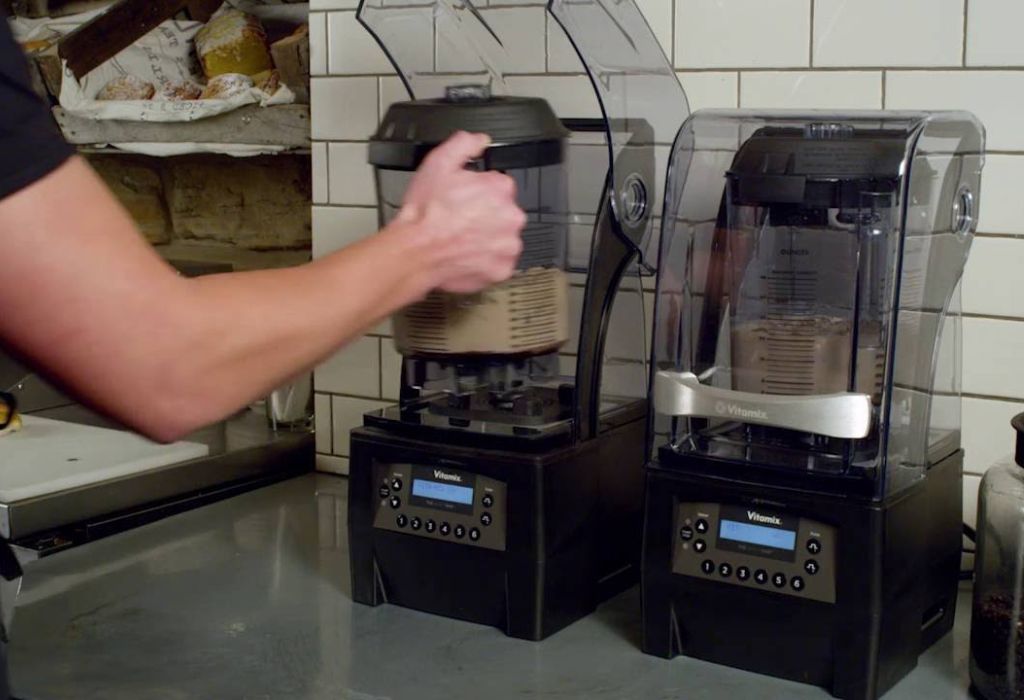
When asking what blenders does Starbucks use, the answer is surprisingly specific: Starbucks uses the Vitamix “The Quiet One” commercial blender (also known as the Blending Station Advance) in nearly all of its global stores. Burkett Restaurant Equipment+2KaTom Restaurant Supply, Inc.+2
This model is a 48-ounce (1.4 L) container unit built for high-volume beverage blending. It features a powerful 3-horsepower motor, variable-speed control, automatic shut-off and six programmable buttons with 34 optimized settings.
Burkett Restaurant Equipment+1 A standout feature is the sound-reducing enclosure: a magnetically mounted floating sound shield built to suppress vibration and noise—perfect for front-of-house service. KaTom Restaurant Supply, Inc.+1
In addition, Starbucks has used previous blender models — for example, models from Blendtec in earlier years — but the switch to the Vitamix commercial unit was driven by their needs for speed, consistency and ambiance. Burkett Restaurant Equipment
Why Starbucks Selected That Specific Blender Model
The choice of blender at Starbucks is not random. Several key factors drive the decision, particularly under the question of what blenders does Starbucks use.
First, blending performance: Starbucks blended beverages rely heavily on ice, frozen ingredients, milk or plant-based alternatives, syrups and coffee shots.
The blender must pulverize ice, create uniform texture, and do so reliably across thousands of stores. The 3-HP motor and optimized blade/container design ensure fast, consistent blending. Rise and Blend+1
Second, noise reduction and customer experience: In a café environment, ambient noise matters. A loud blender can disrupt conversation or detract from the atmosphere. The sound enclosure and vibration-dampening features of the Quiet One make a quieter blending process possible. Burkett Restaurant Equipment+1
Third, durability and ease of maintenance: Commercial equipment must withstand heavy daily use, frequent cycles and quick cleaning. The model Starbucks uses features sealed bearings, accessible parts and designed for service. Burkett Restaurant Equipment+1
Fourth, consistency of output: With thousands of stores, Starbucks needs each blended drink to meet the same texture, speed and quality. Programmable controls, preset cycles and standardised container sizes help maintain consistency. Rise and Blend
Finally, space/footprint and front-of-house integration: The blender’s design allows placement at the service counter without overwhelming space or disrupting workflow. Combined with the quiet shield, it integrates well into the coffee-bar environment.
How the Blender Impacts the Starbucks Drink Experience
Understanding what blenders does Starbucks use also sheds light on why drink experience at Starbucks is what it is — smooth, uniform, fast and reliable.
The blending system contributes to texture: the high-torque motor and optimized jar ensure that ice chunks and frozen bits are crushed thoroughly, yielding a creamy, consistent blend rather than a slushy or uneven drink. This consistency enhances perceived quality.
Speed counts: By minimizing re-blending, rejecting chunks or waiting for ice to break down, baristas can serve drinks more quickly—leading to shorter lines, better throughput and happier customers.
Noise and ambiance: Because the blending machine is quieter than typical commercial blenders, it allows the café environment to remain calm and pleasant even during high-volume service. The experience is less jarring and more refined.
Reliability under load: The equipment selections prevent downtime, breakdowns or service interruptions—critical for a large chain like Starbucks where equipment failure in one unit can affect customer satisfaction and operational cost.
Brand image and consistency: Customers expect the same drink quality whether they are in New York, London or Dhaka. The equipment behind the scenes — including the blender — helps deliver that consistent experience globally.
Inside the Machine – Features, Programs and Maintenance
When you dig into the question what blenders does Starbucks use, it becomes evident that the “why” hinges on the machine’s internal features, design and serviceability.
The blender model includes six programmable buttons and around 34 preset blending programs — enabling baristas to press a button, pour in ingredients and let the machine run a standard cycle, producing the correct texture and volume each time. Burkett Restaurant Equipment
The sound enclosure is a key component: a floating magnetically mounted shield that reduces vibration and noise; the design also allows quick disassembly for cleaning thanks to tool-free access. Burkett Restaurant Equipment+1
Container design: The 48-oz blending jar is tuned for fast blending of typical frozen drink volumes and features a smooth-pour spout, making service faster. The double-sealed bearing improves durability and washability. Burkett Restaurant Equipment
Cleaning and maintenance: The enclosure and container surfaces are designed for rapid cleaning between drinks. Easy-to-remove parts reduce downtime. In high-volume cafés, that translates to fewer delays.
Service support and parts availability: Commercial units like this are built with replaceable seals, bearings and containers. Starbucks’ choice ensures they can service their equipment quickly and globally.
Considerations for Your Own Use – Café or Home
Now that you’ve discovered what blenders does Starbucks use, you might wonder: Should you get the same model? Whether you’re running a café, smoothie bar or simply upgrading your home kitchen, the answer depends on your needs.
For café or high-volume commercial use: If you have heavy blending volume, need consistent output, fast service and minimal downtime, then investing in a commercial blender like the Quiet One may make sense.
The features that make Starbucks’ blender ideal also help high-volume operations. But keep in mind cost, space, power requirements and maintenance.
For home use: Most home kitchens do not require the same specifications. The Quiet One is expensive and designed for commercial-cycle use. If you’re blending occasionally at home, a high-end consumer blender may deliver sufficient performance at lower cost.
In other words: just because you know what blenders Starbucks uses doesn’t mean you need exactly the same one. Rise and Blend
Key decision factors:
- Volume of blended drinks per day
- Ice/frozen ingredient frequency
- Noise constraints (in open living areas)
- Budget for equipment and maintenance
- Space/power availability
- Need for consistent texture across drinks
If you’re starting a café, you might choose a commercial unit, but if you’re simply making frozen drinks at home, consider a capable consumer model with strong motor, good container and ice-crushing capacity rather than trying to replicate Starbucks exactly.
Future Trends & What to Watch in Commercial Blending Equipment
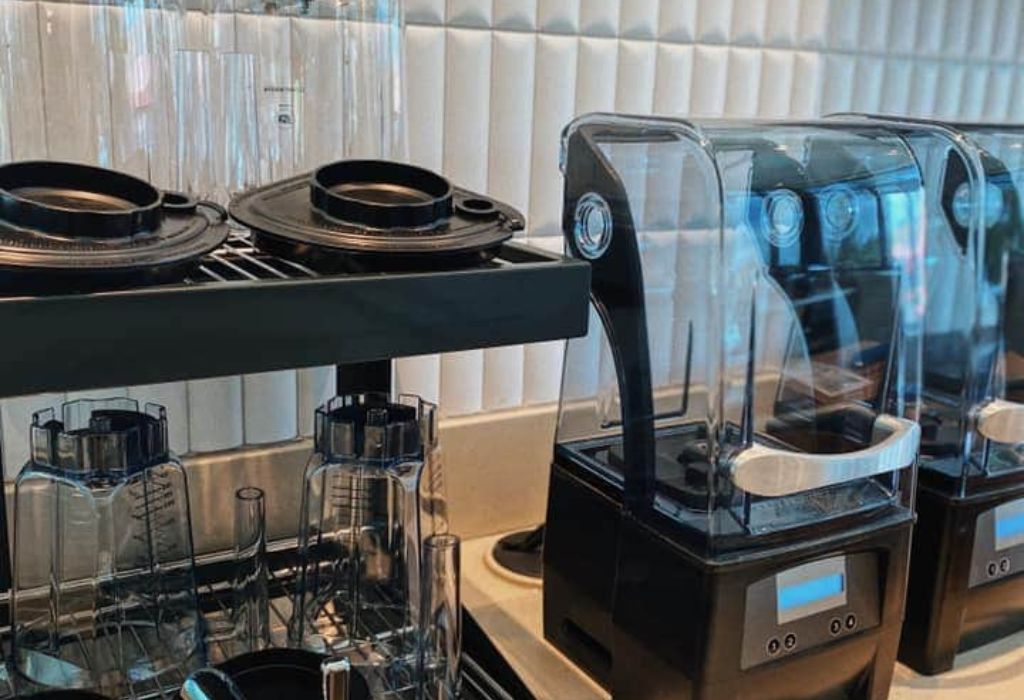
Although the question what blenders does Starbucks use refers to the current setup, the world of commercial beverage equipment is evolving—and cafés that stay ahead will consider emerging trends.
Quiet-and-efficient motors: As noise becomes more of a customer-experience factor, blending equipment will continue to optimize sound reduction and vibration control. Starbucks already uses sound-enclosed units; future models will likely go further.
Smart connectivity: Expect more blenders to include IoT sensors, usage tracking, service alerts, and predictive maintenance—helping reduce downtime and costs in high-volume operations.
Sustainability: Lower-power motors, recyclable parts, longer life spans and less waste will become important, especially for global chains and environmental programs.
Modular design and ease of cleaning: Future machines will aim for faster cleaning cycles, modular jar/parts swaps to reduce downtime and standardized components across multiple units.
Customization for specialty drinks: As cafés expand menus with cold foam, plant-based blends, customised textures and limited-edition beverages, blending equipment will adapt with new container designs, blade configurations and workflow optimisation.
Operational data-driven optimisation: Chains like Starbucks may integrate performance data from equipment into their operational systems—tracking blending cycles, service speed, noise levels and customer dwell times to refine decisions on equipment and layout.
For anyone choosing equipment—whether café owner or serious home enthusiast—watch for these trends. They will influence what blenders does Starbucks use in future, and what your next blender selection should consider.
Frequently Ask Question
What blenders does Starbucks use in their stores?
Starbucks uses the Vitamix Quiet One commercial blender across nearly all of its stores worldwide. It’s engineered for speed, reliability, and smooth performance even during high-volume hours.
Why did Starbucks choose the Vitamix Quiet One?
The blender’s 3-horsepower motor, sound enclosure, and consistent blending quality make it ideal for a busy café environment. It delivers powerful results while maintaining a quiet and comfortable customer atmosphere.
Are Starbucks blenders custom-made or off-the-shelf?
Starbucks uses a customized version of the Vitamix Quiet One built to meet the chain’s strict operational needs. The modifications enhance durability, reduce vibration, and optimize blending cycles.
How much does the Starbucks blender cost?
The commercial Vitamix Quiet One generally ranges from $1,000 to $1,400, depending on the supplier and configuration. Its premium price reflects commercial durability and advanced design.
Can home users buy the same blender Starbucks uses?
Yes, the Vitamix Quiet One can be purchased from restaurant-supply or online retailers. However, it’s large, costly, and more powerful than what most home kitchens require.
How quiet is the Vitamix Quiet One compared to other blenders?
It runs up to 18 decibels quieter than traditional commercial blenders. The magnetic sound enclosure helps minimize disruption in customer areas while preserving efficiency.
What kind of drinks does Starbucks make with this blender?
Starbucks uses it for Frappuccinos, cold foams, iced coffees, and blended refreshers. Each preset ensures precise texture and consistency for every beverage type.
How often do Starbucks blenders need maintenance?
These machines are designed for intense daily use and require cleaning between shifts and regular servicing. Proper care extends their lifespan to several years of reliable operation.
Did Starbucks ever use other blender brands before Vitamix?
Yes, Starbucks previously relied on Blendtec models before switching to Vitamix. The change improved blending consistency, reduced noise, and enhanced customer experience.
What makes the Starbucks blender different from regular home blenders?
Unlike household blenders, the Vitamix Quiet One features a heavy-duty motor, commercial components, and programmable blending cycles. It’s built for high-speed, high-volume blending in professional café environments.
Conclusion
The mystery of what blenders does Starbucks use comes down to one reliable answer — the Vitamix Quiet One, a commercial-grade powerhouse engineered for speed, silence, and consistency.
Its 3-horsepower motor, durable design, and noise-reduction enclosure let baristas blend hundreds of drinks daily without breaking the atmosphere or the workflow.
For cafés, this choice represents more than a piece of equipment — it’s a commitment to quality, efficiency, and customer comfort. For home users, it’s a lesson in prioritizing performance and design when investing in a blender.
As blending technology advances, future models may become smarter, quieter, and more energy-efficient, but Starbucks’ standard remains the same: deliver a perfect blend every time.
If your goal is café-grade smoothness and reliability, look beyond ordinary machines and take a cue from the professionals — because now you know exactly what blenders does Starbucks use and why that choice matters.

I’m Emma J. Caldwell, the founder, lead writer, and home-cooking enthusiast behind KitchenGuideCo.com. With a background in culinary arts and over a decade of cooking experience in both professional and personal kitchens, I created this platform to demystify recipes, offer smart kitchen gadget reviews, and guide readers through meal prep with confidence and clarity.