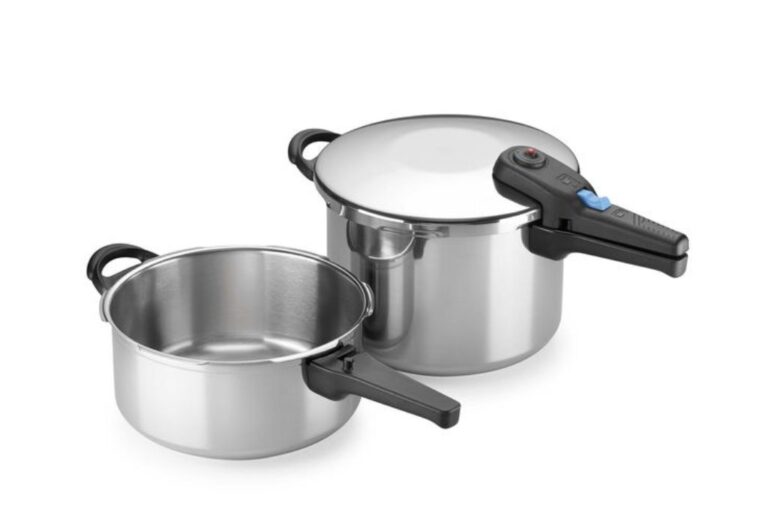
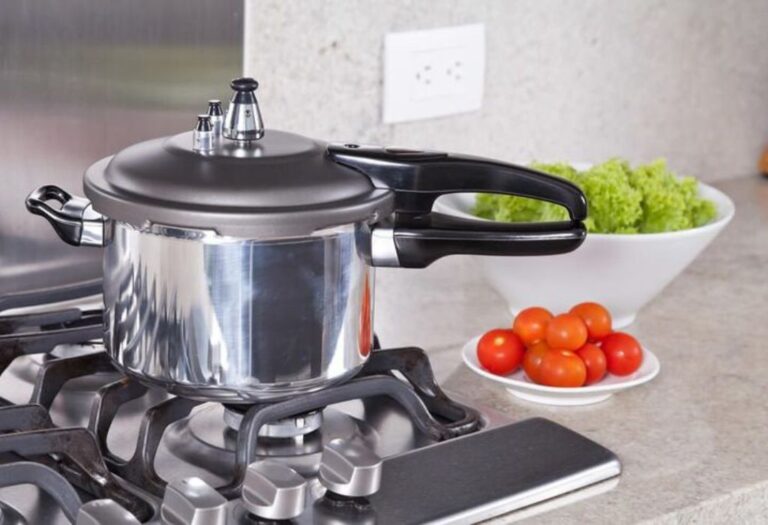
Pressure cooker explosions are primarily caused by dangerous overpressure, often resulting from blocked vents or overfilling, which prevents safe steam release. To avoid this terrifying scenario, always ensure vents are clear, never exceed fill lines, and regularly inspect your cooker’s seals and safety mechanisms for proper function and wear.
What Causes Pressure Cooker To Explode Learn How To Avoid It
Oh, the trusty pressure cooker! It’s a kitchen marvel, isn’t it? Whips up meals in a fraction of the time, makes tough cuts of meat melt-in-your-mouth tender, and saves the day on busy evenings. But let’s be honest, that nagging fear of a pressure cooker explosion is real for many of us. We’ve all heard the stories, or at least seen the dramatic movie scenes. The good news? Actual explosions are incredibly rare, especially with modern appliances. Most incidents stem from a few common, and thankfully, very preventable issues. Think of it less as a ticking time bomb and more like a tool that just needs a little respect and understanding.
The truth is, a pressure cooker rarely “explodes” out of the blue. When something does go wrong, it’s almost always a combination of built-up pressure having no safe escape route, often due to user error or lack of maintenance, rather than the cooker itself just failing. Learning a few simple safety habits can turn that fear into pure cooking confidence. Let’s dive into the nitty-gritty of what causes a pressure cooker to explode and, more importantly, how to keep your kitchen – and yourself – perfectly safe.
Q: So, what really causes a pressure cooker to explode, and how can we prevent it?
The main culprit behind a pressure cooker incident is an uncontrolled buildup of pressure inside the pot. Modern pressure cookers are designed with multiple safety features to prevent this, but sometimes these features can be overwhelmed or become ineffective due to neglect or improper use. Here’s a rundown of the common causes and my personal tips for avoiding them:
- Blocked Vent Pipes or Pressure Release Valves: This is probably the number one reason for serious incidents. The small vents and release valves are there to let excess steam escape. If they get clogged with food particles – think sticky rice, pasta foam, or even dried beans – pressure can’t release. It just builds and builds.
- My tip: After every single use, I make it a ritual to check the vent pipes, especially the tiny one on the lid. Hold it up to the light, make sure you can see through it, and use a small brush or a toothpick to clear any residue. It takes seconds but makes a huge difference!
- Worn-Out Gaskets or Seals: The rubber or silicone gasket around the lid creates an airtight seal. Over time, these can dry out, crack, or become brittle. A damaged gasket might fail to seal properly, letting steam escape slowly, or worse, fail completely under pressure.
- My tip: I always keep a spare gasket on hand. Before each use, I give the gasket a quick visual check for cracks or stiff spots. If it looks even slightly worn, I replace it. They’re inexpensive and vital for safety.
- Overfilling the Pressure Cooker: There’s usually a max fill line inside your pressure cooker. Exceeding this line can cause food or foamy liquids to rise and block the vent. It also leaves less room for steam to build safely.
- My tip: Always respect that fill line! I’ve learned that less is more. When cooking foods that foam a lot (like beans or grains), I stick to no more than half full. Better to cook in batches than risk an incident.
- Opening the Cooker Before Pressure is Fully Released: This is a big no-no! If you try to force the lid open while there’s still significant pressure inside, the sudden release can cause the contents to erupt violently.
- My tip: Patience is key here. I always wait for the pressure indicator to drop completely, or for the manual release to finish its hiss, before even thinking about unlocking the lid. Sometimes I even give it a minute or two extra just to be sure.
- Using a Damaged or Old Pressure Cooker: Dents, warps, or corrosion, especially around the lid or sealing areas, can compromise the cooker’s integrity. Older models might also lack modern safety features.
- My tip: Periodically, I inspect my pressure cooker’s body and lid for any signs of damage. If I see a dent that looks like it could affect the seal or structural integrity, it’s time for a new pot. Don’t compromise on safety for an old appliance.
- Improper Lid Sealing: Sometimes, we’re in a hurry and don’t quite secure the lid correctly. If it’s not locked in place, pressure can’t build, or it might build unevenly and then release suddenly and dangerously.
- My tip: I make sure the lid is perfectly aligned and locked firmly. You should feel it click into place or see the handles align. A good seal often takes a bit of a twist and a firm push.
Remember, modern pressure cookers come with multiple safety features: redundant pressure release valves, lid-locking mechanisms that prevent opening under pressure, and safety plugs that melt if pressure gets too high. These are all there to make sure an explosion is incredibly unlikely. Following these simple steps will ensure you get all the benefits of pressure cooking without any of the worry.
So, there you have it! The fear of a pressure cooker explosion is largely unfounded when you understand the few simple rules that govern these amazing kitchen tools. By regularly inspecting your cooker, keeping those vent pipes clear, respecting fill lines, and always being patient with pressure release, you’ll be cooking safely and efficiently for years to come. Happy cooking!