When a Samsung dishwasher suddenly stops mid cycle and displays the LC code, it can confuse and worry homeowners. The machine may beep repeatedly or refuse to start, leaving dishes undone and water stuck inside.
Many users assume the dishwasher is broken when this code appears. But the LC message is actually a protective feature that prevents flooding.
Samsung dishwashers use internal leak detection sensors that activate when moisture is detected in the base. Even a small amount of water can trigger the warning.
The LC code locks the dishwasher into drain mode to avoid damage. This safety mechanism protects both the appliance and the surrounding flooring.
People experiencing the LC error often wonder why it appeared in the first place. Sometimes the cause is a simple splash or small spill inside the cabinet.
Understanding the LC code helps homeowners fix the issue quickly and prevent it from happening again.
What Does The LC Code Mean On A Samsung Dishwasher
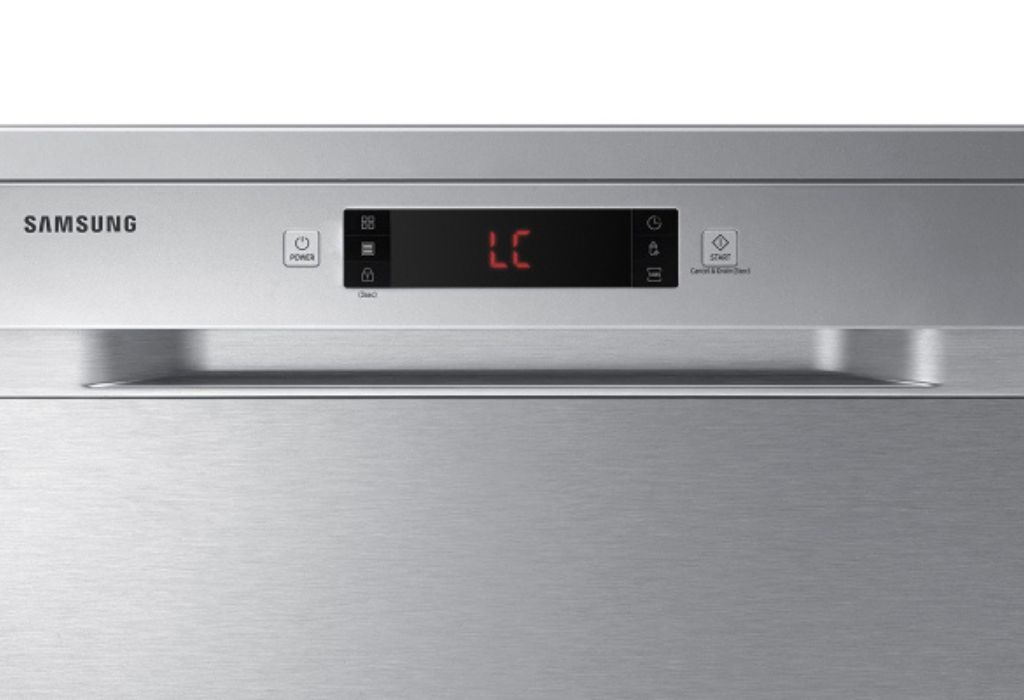
The LC code means the dishwasher has detected moisture or a leak inside the base pan. The leak sensor sends a signal to protect the appliance.
When the sensor activates, the dishwasher automatically drains any water. This prevents flooding during the wash cycle.
The LC warning appears even when moisture is minimal. A few drops of water can set off the alarm.
Samsung designed this feature to stop operation until the base dries completely. This ensures safe performance.
The code does not always indicate a major leak but must be addressed to restart the dishwasher.
Is the LC code always a serious leak
No, sometimes it is caused by small moisture buildup.
Does the machine stop running
Yes, the dishwasher enters drain mode for safety.
Can the LC code reset itself
It resets after the base dries fully.
Does the sensor detect tiny drops
Yes, it is very sensitive to moisture.
Is the LC code a protection feature
Yes, it prevents potential flooding.
Why Samsung Dishwashers Show The LC Error
The LC error appears when water enters the bottom pan area of the dishwasher. This triggers the leak sensor.
Water may come from a loose hose, faulty gasket or internal overflow. Even condensation can activate the sensor.
Improper detergent use may cause excessive suds. Suds overflow into the base and trigger the LC code.
Overfilling by the dishwasher can cause water to splash into the base. This misleads the sensor into thinking a leak occurred.
Placing the dishwasher on an uneven floor may cause water to move toward the sensor.
Most Common Causes Of The LC Code
Loose door gaskets often let water escape around the edges. This water collects in the bottom pan.
A cracked or loose drain hose may drip during the wash cycle. Drips accumulate slowly and activate the sensor.
Old or worn spray arms may spray water incorrectly. Misaligned water jets hit the door and cause leaks.
Using too much detergent creates foamy overflow. Foam spills into the base and sets off the sensor.
Improper installation can cause water to tilt and collect near the leak detection area.
Can detergent cause the LC code
Yes, excess suds overflow easily.
Do spray arms affect leaks
Misaligned arms cause directional spraying.
Can installation issues trigger LC
Uneven floors lead to water pooling.
Do old seals leak
Worn gaskets allow moisture to escape.
Is the drain hose important
Loose hoses drip water into the base.
How To Fix The LC Error Code
Start by turning off the dishwasher and disconnecting power. This ensures safe inspection.
Check the bottom of the dishwasher for visible water. A towel or cloth helps soak up moisture.
Leave the dishwasher open for several hours to dry. Airflow removes hidden moisture that the sensor detects.
Inspect hoses, gaskets and seals for drips. Tightening loose parts stops future leaks.
If the LC code persists, check the installation angle of the dishwasher.
How To Dry The Dishwasher Base To Clear The LC Code
The LC error remains until the base pan is completely dry. Even a small wet spot keeps the code active.
Remove the kick plate under the dishwasher. This exposes the bottom pan area.
Use a fan to blow air under the appliance. Faster airflow speeds up drying.
Some homeowners use a hair dryer on low heat. This helps evaporate water quickly.
Wait at least 24 hours for full drying.
Does the LC code clear automatically
Yes, once the base is dry it resets.
Can drying take several hours
Drying time depends on water amount.
Is a fan necessary
It helps speed up evaporation.
Can heat be used
Low heat helps but must be used safely.
Does the kick plate need removal
Removing it improves airflow and visibility.
Checking For Leaks Around The Door Seal
Door gaskets commonly cause leaks in Samsung dishwashers. Crumbs and grease stick to the rubber and reduce sealing.
Wiping the gasket with warm soapy water restores its elasticity. Clean seals prevent leaks from running into the base pan.
Inspect the corners of the door for tears. Damaged seals leak more heavily.
Gasket replacements are inexpensive and easy to install. Correct sealing eliminates future LC errors.
Door alignment must also be checked.
Inspecting The Drain Hose For Drips
The drain hose connects the dishwasher to the plumbing system. A loose clamp may allow small drips.
Clamp connections may weaken over time. Tightening them reduces leaks.
Cracks along the hose body also cause dripping. These cracks enlarge during cycles.
Replacing a damaged hose prevents recurring LC errors. New hoses fit securely and resist pressure.
Drain hose issues are common in older dishwashers.
Can hoses crack from age
Yes, older hoses become brittle.
Is tightening clamps enough
Often tightening prevents drips.
Do hoses need full replacement
Cracked hoses must be replaced.
Can a loose hose trigger LC
Even small drips activate the sensor.
Should hoses be inspected regularly
Routine checks prevent major leaks.
Checking Spray Arms For Misalignment
Spray arms distribute water during cleaning. If they crack or become loose, they spray in the wrong direction.
Incorrect spray patterns push water toward the door seal. This water flows into the base pan.
Removing the spray arm allows full inspection. Hot water cleans residue and restores rotation.
Replacing damaged spray arms prevents leaks. Proper rotation ensures balanced spraying.
Regular cleaning prevents blockage and misalignment.
Fixing Foam Or Suds Causing The LC Code
Excessive foam is a common cause of the LC warning. Foam spills into the base pan easily.
Using the wrong detergent or too much detergent creates too many suds.
Rinse aid buildup may also increase foaming. Cleaning the rinse aid dispenser solves this.
Run a long hot cycle without detergent to remove foam residue. Heat dissolves leftover soap.
Adjust detergent amounts to avoid future foam issues.
Can suds cause leak errors
Yes, foam flows into the sensor tray.
Is rinsing necessary
A hot cycle removes excess foam.
Does rinse aid affect foam
Too much rinse aid increases suds.
Should detergent be measured carefully
Correct measurement prevents overflow.
Do natural detergents foam more
Some eco soaps create extra suds.
When To Call A Technician
If the LC code appears repeatedly even after drying, a deeper issue may exist. Internal components may be leaking.
A technician can inspect hidden areas like the pump housing. These areas are difficult to access.
If the water inlet valve leaks, professional replacement is required.
Electrical issues also trigger safety codes. These problems require expert diagnosis.
Calling a technician prevents further damage and ensures safe operation.
Conclusion
The LC code on a Samsung dishwasher is a leak detection warning that protects the appliance from flooding. It appears when moisture collects in the base pan, even in small amounts.
Most causes are simple, such as a loose hose, worn gasket, excess suds or water splashing during operation. Drying the base, inspecting seals and tightening hose connections usually clears the code quickly.
Understanding the LC error helps homeowners fix the issue safely without damaging the dishwasher. With proper maintenance and quick response to leaks, the dishwasher remains reliable and efficient for years.
Correct troubleshooting keeps the LC code from returning and ensures clean, trouble free cycles every time.

I’m Emma J. Caldwell, the founder, lead writer, and home-cooking enthusiast behind KitchenGuideCo.com. With a background in culinary arts and over a decade of cooking experience in both professional and personal kitchens, I created this platform to demystify recipes, offer smart kitchen gadget reviews, and guide readers through meal prep with confidence and clarity.