The dishwasher is one of those appliances people load, start and forget about until the cycle ends. Most users never think about what happens to the dirty water after it drains or how the system prevents contamination.
But during a kitchen remodel or dishwasher replacement, plumbers often ask where the air gap is or whether it needs installation. This sudden question leaves many homeowners confused because the device is small, unfamiliar and rarely explained.
The air gap sits quietly on the sink or countertop and performs an important safety function. It prevents dirty sink water from ever flowing backward into the dishwasher and contaminating clean dishes.
People who first hear about the air gap wonder why such a simple device is needed. They question whether it is mandatory, optional or just another plumbing part to maintain.
The truth is that dishwashers push waste water through a drain hose, and without protection, that hose can become a route for backflow. Backflow is when dirty water travels in the opposite direction and reenters an appliance.
Understanding what an air gap does helps homeowners keep their kitchen plumbing safe and prevent hidden problems. This article explains everything about dishwasher air gaps in a clear, simple and practical way.
What Is A Dishwasher Air Gap
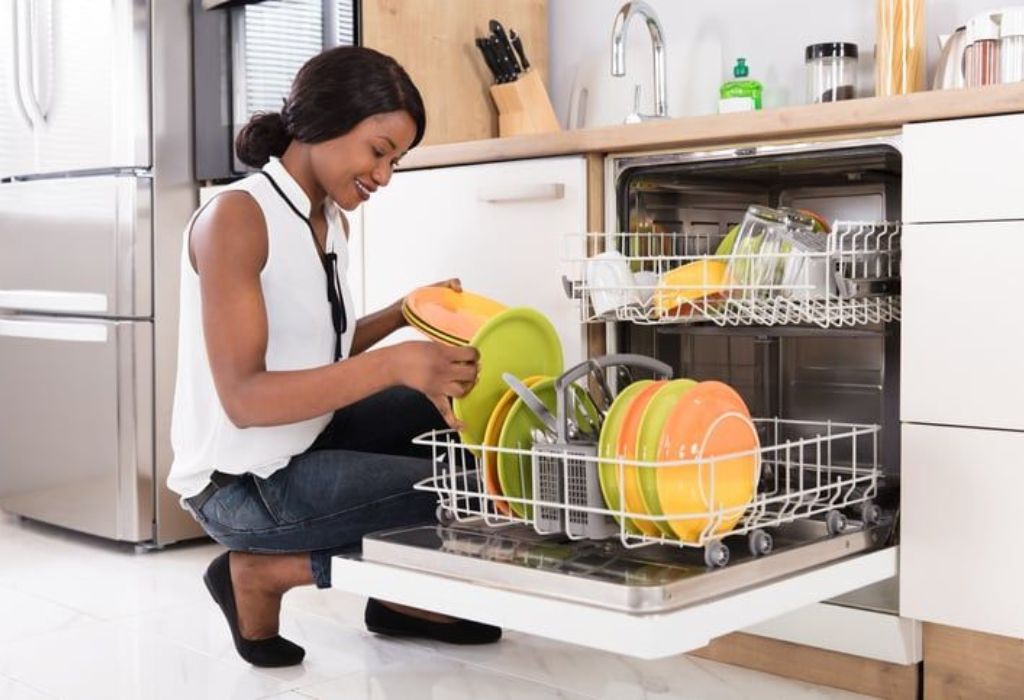
A dishwasher air gap is a small device installed on the sink or countertop near the faucet. Its purpose is to prevent dirty water from flowing backward into the dishwasher drain line.
It works by creating a physical separation between the dishwasher waste line and the household drain. This separation includes an air pocket that blocks contaminated water from reentering the dishwasher.
When the dishwasher drains, water flows into the air gap, then into a second hose leading to the sink drain or garbage disposal. This two part process acts like a safeguard for the entire system.
Air gaps are simple devices with no electric parts and require minimal maintenance. Their function is purely mechanical and relies on gravity and pressure changes.
Many building codes require air gaps because they provide the highest level of backflow protection. The idea is to ensure dishwater never mixes with used sink water.
The air gap stands as one of the strongest defenses against kitchen drain contamination.
Is a dishwasher air gap required in all homes
Some regions require it by law while others consider it optional.
Do all dishwashers need an air gap
Most modern dishwashers rely on an air gap or an alternative backflow prevention method.
Can a dishwasher run without an air gap
It can, but backflow risks increase.
Does the air gap improve sanitation
Yes, it prevents dirty water from contaminating the dishwasher.
Is it an electrical component
No, it operates mechanically using pressure differences.
How A Dishwasher Air Gap Works
A dishwasher air gap works by preventing negative pressure from pulling dirty water back into the dishwasher. This risk appears when the sink drain becomes clogged or flooded.
Inside the air gap are two chambers separated by an air pocket. The upper chamber receives water from the dishwasher while the lower chamber sends it to the drain.
Water flows upward from the dishwasher and enters the air gap through a hose. At the top, the water cannot flow back down because the air gap breaks suction.
The presence of air inside the device interrupts any backward movement of water. This simple principle keeps the dishwasher protected from contaminated liquids.
If water backs up in the sink drain, the air gap ensures that rising water cannot enter the dishwasher hose. Instead, excess water flows out through the air gap vent.
This is why some people occasionally see water leak from the small cap on top of the sink during a blockage. It indicates the air gap is doing its job.
Why does water sometimes come out of the air gap
It signals a clog in the drain hose or sink plumbing.
Does that mean the air gap is broken
No, it usually means the lower drain path is blocked.
Can air gaps completely stop backflow
Yes, they offer the strongest form of backflow protection.
Do they rely on electricity
No, they rely on gravity and pressure changes.
Is the process automatic
Yes, the air gap functions every time the dishwasher drains.
Why Dishwashers Need Air Gaps
Dishwashers need air gaps because backflow is a serious risk in kitchen plumbing systems. When a sink backs up, wastewater can travel through connected pipes and enter the dishwasher drain line.
This creates contamination of dishes, utensils and the dishwasher interior. Backflow exposes the appliance to bacteria, chemicals and food waste.
Air gaps eliminate this risk by physically separating the dishwasher drain hose from the home drainage system. The air pocket prevents reverse flow under all conditions.
Without an air gap, a blocked sink could send dirty water into the dishwasher simply because of pressure differences. This hidden problem often goes unnoticed.
Air gaps also protect dishwashers from pressure surges and changes that occur when garbage disposals run. These surges can push water back into appliances.
Because dishwashers handle food residue and warm water, hygiene is critical. An air gap ensures every cycle starts clean.
Signs You Need A Dishwasher Air Gap
If your home does not have a visible air gap on the sink, you may still need one. Many older homes rely on alternative backflow devices that may not meet modern safety standards.
A common sign is frequent water backup in the dishwasher drain. When dirty water sits at the bottom of the appliance after a cycle, it may indicate backflow.
Another sign is slow draining in the sink or disposal. This creates conditions where pressure can push water backward.
If you smell foul odors from the dishwasher even after cleaning it, dirty water may be entering the appliance. This unnoticed contamination produces a lingering smell.
Homes undergoing kitchen renovation often require updated plumbing codes. Your area may now require air gaps even if they were not required before.
Plumbers can quickly inspect your system and determine whether backflow prevention is adequate.
Is standing water in the dishwasher a warning sign
Yes, it may indicate backflow entering the appliance.
Do odors signal backflow problems
Persistent smells may mean dirty water is flowing in.
Should older homes be updated
Older plumbing may not meet current safety codes.
Does slow draining matter
Slow drains increase reverse water pressure.
Can a plumber confirm the need
Yes, professionals check for missing safety components.
Types Of Backflow Prevention Used With Dishwashers
Dishwashers use several backflow prevention methods depending on regional codes and home design. The air gap is considered the strongest and most reliable method.
Another method is the high loop, where the drain hose is mounted high under the sink. This loop reduces backflow but does not prevent it completely.
Some dishwashers use built in check valves. These valves allow water to flow out but not back in, although they may weaken over time.
Garbage disposals often have built in dishwasher drain ports, but these ports still need proper hose installation.
Air gaps remain the only method that physically prevents water from reentering the dishwasher. This is why many areas require them.
How A Dishwasher Air Gap Is Installed
Installing a dishwasher air gap involves cutting a hole in the sink or countertop if one is not already present. The air gap device is inserted into this hole and secured with a mounting nut.
The dishwasher drain hose connects to the inlet side of the air gap. This hose carries dirty water upward into the air gap chamber.
A second hose connects from the air gap outlet to either the garbage disposal or sink drain. This hose directs waste water safely into the household plumbing.
Installation requires careful tightening to prevent leaks. Loose fittings may cause water to drip under the sink.
Plumbers ensure the hoses have proper height and alignment. Incorrect hose placement reduces air gap effectiveness.
Is air gap installation difficult
It requires proper hose routing but is not complicated for professionals.
Can homeowners install it themselves
Yes, but careful attention is required.
Should it be installed on the sink or counter
Both locations are acceptable.
Does it need regular maintenance
Occasional cleaning keeps it functioning well.
Do all dishwashers need identical installation
Different models may require unique hose lengths.
How To Maintain A Dishwasher Air Gap
Air gaps rarely need major maintenance, but occasional cleaning ensures proper performance. Food debris from the dishwasher drain hose can collect inside the air gap.
To clean it, remove the decorative cap and check for visible residue. A simple rinse clears most buildup.
If water spills from the air gap during dishwasher cycles, the outlet hose may be clogged. Cleaning the lower hose restores proper flow.
A toothbrush or small brush helps scrub stubborn residue near the opening. Warm water loosens dirt naturally.
Regular drain cleaning prevents blockages that cause the air gap to overflow.
What Happens If You Don’t Have A Dishwasher Air Gap
Without a dishwasher air gap, the plumbing system may allow dirty water to enter the dishwasher. This contamination is not always visible but affects hygiene significantly.
A clogged sink or heavy water use may push wastewater into the dishwasher line. The dishwasher may fill with grease, dirt or bacteria from the sink.
Backflow can damage dishwasher components as well. Dirty water entering the pump or filter reduces cleaning performance.
Some regions will not approve kitchen permits without a proper air gap. Home inspections may fail if backflow protection is missing.
The lack of an air gap increases overall plumbing risk, especially in homes with older pipes.
Can you use a dishwasher without an air gap
Yes, but contamination risks increase.
Is a high loop enough
A high loop offers partial protection only.
Can backflow damage the dishwasher
Contaminated water harms internal components.
Does it affect health
Backflow carries bacteria into the appliance.
Will inspectors check for it
Many inspections require proper backflow prevention.
Do All States Require Dishwasher Air Gaps
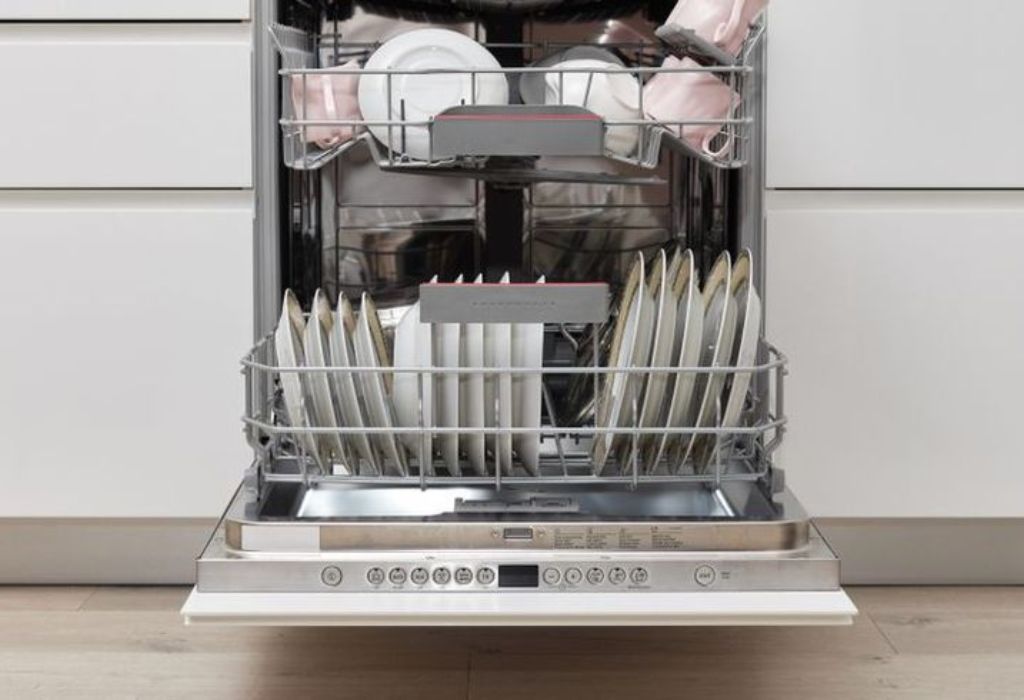
Dishwasher air gap requirements vary depending on regional plumbing codes. Some states require them in all new installations.
Other states allow high loops as acceptable alternatives. Local jurisdictions may interpret codes differently.
Cities with strict sanitation standards are more likely to require air gaps. These areas enforce stronger plumbing rules.
Newer homes often include air gaps regardless of the local code. Builders prefer using the safest method available.
Checking regional codes helps homeowners ensure compliance.
How To Know If Your Dishwasher Has An Air Gap
Dishwashers with air gaps usually have a small fixture on the sink or countertop. The device resembles a small chrome cylinder with slotted openings.
If you do not see this device, check under the sink. Some homes use high loops instead of air gaps.
Look for a hose connected to the side of the garbage disposal or drain line. This hose may indicate an alternative backflow method.
If unsure, follow the dishwasher drain hose to its connection. The hose should lead either to an air gap or a high loop.
Inspecting plumbing visually reveals the system in place.
Conclusion
A dishwasher air gap is a simple but vital device that prevents contaminated sink water from flowing into the dishwasher. It uses an air pocket to break the path of backflow and protect the appliance from dirty water.
Many building codes require air gaps because they offer the strongest form of protection. They keep dishwashers sanitary, prevent odors and ensure kitchen plumbing operates safely.
Even though alternatives like high loops and check valves exist, none provide the same guaranteed backflow prevention. Installing an air gap eliminates the risk of contamination completely.
Understanding how air gaps work helps homeowners maintain cleaner dishwashers and healthier kitchens. With proper installation and occasional cleaning, the air gap quietly protects the home for years to come.

I’m Emma J. Caldwell, the founder, lead writer, and home-cooking enthusiast behind KitchenGuideCo.com. With a background in culinary arts and over a decade of cooking experience in both professional and personal kitchens, I created this platform to demystify recipes, offer smart kitchen gadget reviews, and guide readers through meal prep with confidence and clarity.