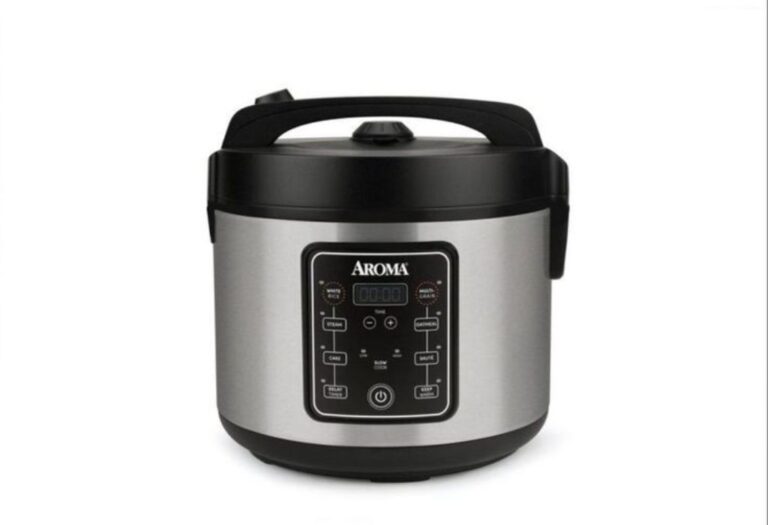
A pressure cooker is a revolutionary kitchen appliance designed to dramatically speed up cooking by trapping steam to build high pressure, significantly elevating the boiling point of water. This innovative method allows you to prepare delicious meals in a fraction of the time, transforming tough ingredients into tender dishes while effectively locking in nutrients and flavor. Master fast cooking now and revolutionize your kitchen efficiency!
Curious What is a Pressure Cooker Master Fast Cooking Now
Ever wished you could whip up tender short ribs in a fraction of the time? Or perfectly cook dried beans without an overnight soak? That’s where a kitchen superhero called a pressure cooker comes in! It’s one of those tools that sounds intimidating but quickly becomes an absolute game-changer once you get the hang of it. Think of it as a super-efficient shortcut to incredibly flavorful meals, perfect for anyone who loves good food but hates waiting.
For years, I shied away from them, imagining hissing steam and complex controls. But once I dove in, I realized a modern pressure cooker is incredibly safe and user-friendly. It’s essentially a sealed pot that speeds up cooking by creating a high-pressure environment. If you’re looking to cut down on dinner prep time and unlock new cooking possibilities, understanding this humble appliance is your first step.
So, what exactly is a pressure cooker and how does it work its magic in your kitchen?
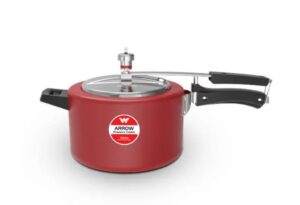
Okay, let’s demystify this brilliant kitchen gadget. At its heart, a pressure cooker is a special pot with a very tight-fitting, locking lid. This lid has a rubber or silicone gasket that creates an airtight seal. When you add food and a bit of liquid (water, broth, sauce) and heat the pot, the liquid turns into steam.
Here’s where the magic happens: because the steam can’t escape from the sealed pot, it builds up, increasing the internal pressure. This elevated pressure does two wonderful things. First, it raises the boiling point of the liquid inside from the usual 212°F (100°C) to much higher temperatures, often around 250°F (121°C). And as we know, higher temperatures mean faster cooking! Second, the increased pressure also forces moisture and flavor into the food, making it incredibly tender and infused with taste in a surprisingly short amount of time.
You’ll find two main types of pressure cookers: stovetop models, which you use on your range, and electric models, which are often multi-functional (like the popular Instant Pot) and have built-in heating elements and pre-programmed settings. I personally started with an electric model, and I found it incredibly approachable for a beginner.
The benefits are huge. Speed is the most obvious – tough cuts of meat like beef stew can be melt-in-your-mouth tender in 30-45 minutes instead of hours. Dried beans cook without pre-soaking in about 20 minutes. Rice is ready in 6 minutes. It also saves energy because cooking times are so much shorter. Plus, because less cooking liquid is used and everything is trapped inside, nutrients are better preserved, and flavors become much more concentrated and delicious. It’s fantastic for one-pot meals, allowing all those lovely flavors to meld together perfectly.
Now, it’s not without its quirks. There’s a slight learning curve. You can’t just lift the lid to check on your food mid-cook, so you need to trust the process and stick to recipes designed for pressure cooking. Releasing the pressure can be a bit noisy (quick release) or take some time (natural release), and you’ll want to understand the difference. Safety is paramount, and modern pressure cookers have multiple safety features, but it’s crucial to read your manual, never overfill the pot, and ensure the lid is properly sealed and the vent is clear before starting.
My first experience making chili in my pressure cooker was a true revelation – deep, rich flavors developed in just 25 minutes, instead of simmering for half the day. Or perfectly creamy risotto, done in 7 minutes flat, no constant stirring required! If you’re nervous, start with something simple like hard-boiled eggs (5 minutes!) or plain rice. These easy wins build confidence quickly. Remember to always ensure you have enough liquid in the pot for pressure to build, as this is key to how the pressure cooker operates efficiently and safely.
Ultimately, a pressure cooker is an incredibly versatile and efficient appliance that can revolutionize your cooking by significantly reducing cooking times while enhancing flavor and retaining nutrients. It’s truly a secret weapon for busy home cooks!