Figuring out what is a slow cooker can seem tricky at first! It’s easy to get confused by new kitchen gadgets. But don’t worry, it’s simpler than you think. This guide makes it super easy to explore how slow cookers work. You’ll soon discover the awesome benefits. We’ll go step-by-step to show you everything from basic uses to expert tips. Get ready to cook up some delicious meals!
Slow Cooker Basics Explained
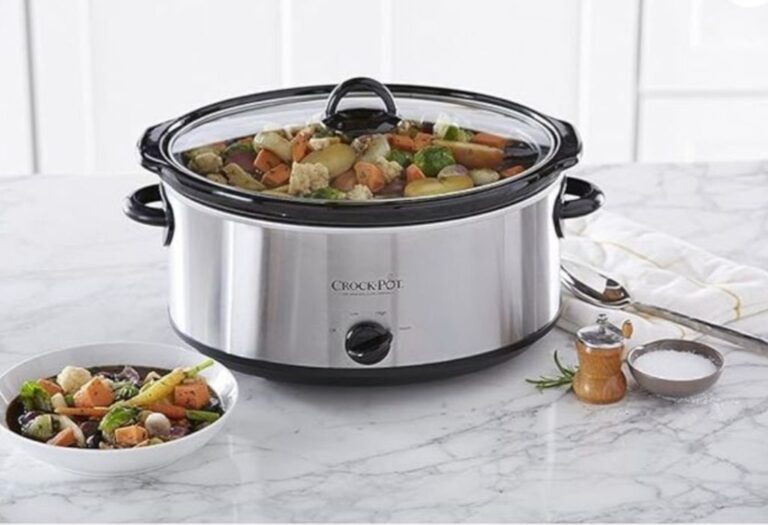
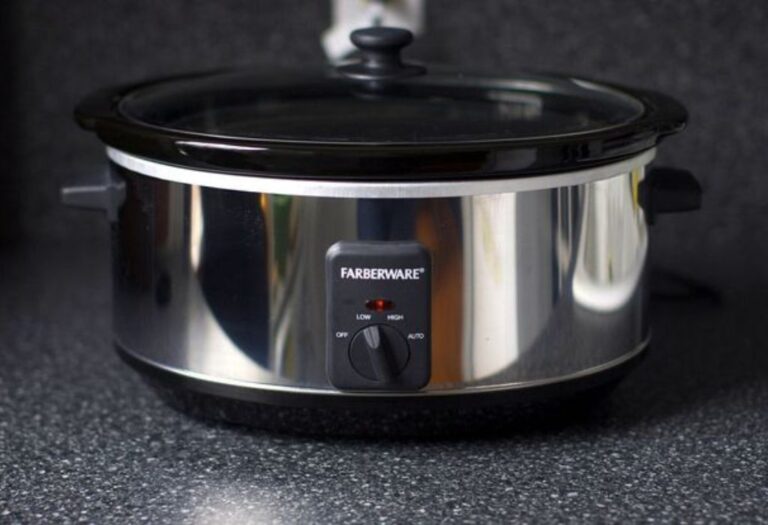
A slow cooker, also known as a Crock-Pot (though that’s a brand name), is an electric kitchen appliance used to simmer food at a low temperature for a long time. It’s fantastic for busy people. You can toss ingredients in, turn it on, and come back hours later to a ready-to-eat meal. This gentle, slow cooking process is excellent for tenderizing tough cuts of meat and infusing flavors. It’s a lifesaver on busy weeknights, making dinner preparation stress-free. Let’s explore its core function, construction, and how it helps prepare a variety of foods.
Inside the Slow Cooker
The inside of a slow cooker is simple, but smart. Typically, there’s a ceramic or stoneware are often control settings like “low,” “high,” and “warm.” It’s designed to be efficient and safe, providing a low-effort way to prepare delicious meals.
- The Ceramic you put your food. It’s usually removable, making it easy to clean. Because of the materials used in its construction, it evenly distributes heat and is generally safe for the cooking process.
- The Heating Element: This part heats up and cooks the food. It provides a consistent, gentle heat that’s perfect for slow cooking. Without it, the whole process would not be possible.
- The Lid: Usually made of glass, the lid traps heat and moisture inside. This is key for creating tender, flavorful dishes. It’s often made of transparent glass so you can see your food while it cooks.
- Control Settings: Most slow cookers have “low,” “high,” and sometimes “warm” settings. “Low” cooks food slowly over several hours, “high” cooks faster, and “warm” keeps food at a safe temperature for serving.
How Slow Cooking Works
Slow cooking uses a low and consistent temperature to cook food for an extended period. This method breaks down tough fibers in meat, making it incredibly tender. The long cooking time also allows flavors to meld beautifully. You place your ingredients in the slow cooker, set it to the desired setting, and let it do its thing. The low heat prevents burning, and the trapped moisture ensures food doesn’t dry out. It’s perfect for making stews, soups, and other dishes where you want the flavors to develop slowly and deeply.
Many people are surprised to learn about the science behind a slow cooker’s magic. The core concept is heat transfer. The heating element warms the ceramic or stoneware insert. This insert, in turn, heats the food. As the food cooks, water molecules within the ingredients evaporate and condense against the lid, which is also cooler than the food. This condensed water drips back into the dish, keeping the food moist and adding to the flavor profile. This cycle is vital for the slow cooking process.
A Simple Recipe Example
Let’s make a simple beef stew. You would first brown some beef in a pan. Then, place the browned beef in the slow cooker. Add chopped vegetables like carrots, potatoes, and onions. Pour in some beef broth, add seasonings, and cook on low for 6-8 hours. The result? A tender, flavorful stew that requires minimal effort.
Benefits of Using a Slow Cooker
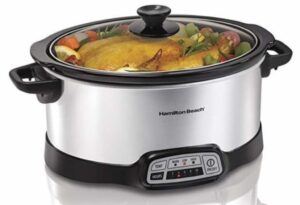
There are many awesome reasons to love slow cookers! They save time and effort in the kitchen. They also let you cook food in a healthy way. You can make delicious meals without a lot of work. The slow cooking process tenderizes even the toughest cuts of meat. You can also cook a lot of food in one pot, making meal planning easy. The versatility and ease make slow cookers a popular choice for all sorts of people.
Time-Saving Convenience
Slow cookers are the ultimate time savers. You can prep your meal in the morning, set it, and forget it until dinner. This is perfect for busy families and anyone who wants a home-cooked meal without spending hours in the kitchen. Many people find the ability to get dinner ready with minimal effort a real game-changer. The convenience factor makes slow cookers an essential tool for people with tight schedules.
- Prep in Advance: You can prepare the ingredients the night before and store them in the fridge. In the morning, you simply dump everything into the slow cooker and start it.
- Minimal Monitoring: Once it’s set, there’s no need to constantly check on your meal. You can go to work, run errands, or relax, knowing dinner is cooking safely.
- Perfect for Batch Cooking: Slow cookers are great for making large batches of food, which is perfect for meal prepping and leftovers.
- Easy Clean-Up: Most slow cooker inserts are dishwasher safe, making cleanup a breeze.
Nutritional Advantages
Slow cooking can preserve more nutrients in your food. The gentle cooking process prevents food from being overcooked and losing nutrients. It also allows you to use less fat, as the slow cooker’s own moisture helps cook the food. You also can control the ingredients and avoid unhealthy additives. This is especially good for those wanting to watch what they eat.
One of the greatest benefits of slow cooking is the preservation of vitamins and minerals. The lower temperatures used in this cooking method can help retain the nutrients that might be lost in higher-heat cooking methods. For example, some vitamins, like vitamin C, can be broken down by high heat. Slow cooking is also beneficial for people with certain dietary restrictions, as it allows for control over the ingredients.
Cost-Effective Cooking
Slow cookers are budget-friendly. They let you buy less expensive cuts of meat. These cuts become incredibly tender after slow cooking. This can save money on your grocery bill. Plus, you’re using less electricity than an oven. The slow cooker’s efficiency and ability to cook large portions make it a smart choice for those wanting to save money on their food expenses.
The energy efficiency of slow cookers is a significant advantage. They use less power than traditional ovens, which can help lower your electricity bill. The ability to cook affordable cuts of meat makes slow cookers extremely cost-effective. You can buy cheaper cuts of meat and still enjoy a tender, flavorful meal. The slow cooker will also often help you reduce food waste because it’s perfect for using leftovers.
Different Types of Slow Cookers
There are different styles of slow cookers. Some have basic features, while others are more high-tech. You’ll find a style to match your needs and preferences. Each type has its own pros and cons, from the classic manual slow cooker to the smart, programmable ones. There is a perfect slow cooker for every kitchen and cooking style.
Basic Manual Slow Cookers
Manual slow cookers are the simplest type. They have a few settings, usually “low,” “high,” and “warm.” You set the time and temperature manually. They are easy to use and usually cost less. They are a great choice if you’re looking for simplicity. These slow cookers are straightforward. You select your cooking temperature, and they do the rest. They provide a reliable way to cook your meals without complex features.
- Easy to Use: With only a few settings, manual slow cookers are very user-friendly. No complicated programming is required.
- Affordable: Manual slow cookers are the most budget-friendly option. They provide great value for the price.
- Ideal for Beginners: If you’re new to slow cooking, a manual slow cooker is a perfect place to start.
- Limited Features: They don’t have advanced features like timers or automatic shut-off. This can mean that you might need to keep a closer eye on your food.
Programmable Slow Cookers
Programmable slow cookers come with a timer. You can set the cooking time, and they automatically switch to “warm” when done. This is great for busy people who want to set it and forget it. They offer more convenience than manual models. The timer feature ensures your food won’t overcook. These cookers allow you to specify cooking times and often have automatic shut-off functionality.
Smart Slow Cookers
Smart slow cookers connect to Wi-Fi. You can control them with your phone or tablet. They offer even more convenience and flexibility. You can adjust settings, monitor cooking, and even receive notifications when your meal is ready. These are the most advanced type. They are more expensive, but they offer many convenient features. The smart features let you manage your cooking from anywhere.
Consider the size of your slow cooker. Slow cookers come in various sizes, from small models perfect for one or two people to larger ones that can feed a crowd. A family of four may want a 6-quart model, while a couple might find a 3-quart size sufficient. Consider what you typically cook and how many people you usually cook for when choosing the right size.
Cooking Tips and Tricks
Knowing some tips and tricks can make you a slow-cooking pro! You can make better meals by adding the ingredients in the right order. You’ll also want to make sure the food is at a safe temperature. Here’s a basic guide to help you get the most from your slow cooker. Following these tips will make your cooking experience more enjoyable and successful. It’s a great way to improve the quality of your meals.
Ingredient Order Matters
Putting ingredients in the right order helps your food cook evenly. It also helps the flavors blend together. Here’s a general guide to ingredient placement:
- Bottom Layer: Always put tough ingredients like root vegetables (carrots, potatoes) at the bottom. These take longer to cook.
- Next Layer: Add meat on top of the vegetables.
- Top Layer: Add liquids (broth, sauces) last. Make sure the food is partially submerged in the liquid.
- Add Dairy Last: Dairy products (milk, cream, cheese) can curdle. Add these during the last hour of cooking.
- Avoid Overfilling: Don’t overfill your slow cooker. Leave some space for the food to bubble and cook properly.
Ensuring Food Safety
Food safety is essential. Use a meat thermometer to ensure meat is cooked to the proper internal temperature. Make sure you fully cook ingredients that require it. This is even more important with a slow cooker because of the low temperatures used. Also, if you’re using frozen meat, it must thaw before putting it in the slow cooker.
Here are some more key tips to ensure food safety when slow cooking:
- Thaw Meat: Always thaw meat before placing it in the slow cooker. Frozen meat can stay in the “danger zone” (temperatures where bacteria multiply) for too long, increasing the risk of foodborne illnesses.
- Cook to Proper Temperatures: Use a meat thermometer to check that meat has reached a safe internal temperature. Ground meat needs to reach 160°F (71°C), while poultry should reach 165°F (74°C).
- Keep It Covered: Avoid lifting the lid during cooking, as this lets heat escape and extends cooking time. Only lift the lid when you need to add ingredients or check the food near the end of the cooking process.
- Handle Leftovers Safely: Cool leftovers quickly and refrigerate them within two hours of cooking. Use leftovers within three to four days.
Flavor Enhancement Techniques
You can add big flavor by using herbs, spices, and other flavor enhancers. Try using fresh herbs toward the end of cooking for a brighter flavor. Using dry herbs or spices during the cooking process allows flavors to blend. Sautéing onions, garlic, and other aromatics before adding them to the slow cooker adds another layer of flavor. You can greatly enhance the taste of your food with these techniques. It will make your food taste amazing.
Here are a few ways to enhance the flavor:
- Herbs and Spices: Fresh herbs are often added towards the end of cooking, while dry herbs can be added earlier. Experiment with different spices to find your favorite combinations.
- Aromatics: Sauté onions, garlic, and other aromatics before adding them to the slow cooker. This enhances their flavor.
- Acid: Add a splash of acid, like vinegar or lemon juice, near the end of cooking to brighten the flavors.
- Seasoning: Season your food well. Salt and pepper are your friends. Adjust seasonings throughout the cooking process.
Frequently Asked Questions
Question: Can I put frozen meat in a slow cooker?
Answer: It’s best not to. Frozen meat can take too long to reach a safe internal temperature, which can encourage bacteria growth. Always thaw meat first.
Question: How long should I cook food on “high” versus “low”?
Answer: “High” generally cooks food in about half the time as “low.” For example, a recipe that takes 6-8 hours on low will typically take 3-4 hours on high.
Question: Can I open the lid while the food is cooking?
Answer: It’s best to avoid opening the lid. Each time you lift the lid, heat escapes and can add 15-30 minutes to the cooking time.
Question: How much liquid should I use?
Answer: Most recipes require enough liquid to at least partially cover the food. Always follow the recipe instructions for liquid amounts.
Question: How do I clean my slow cooker?
Answer: Most slow cooker inserts are dishwasher-safe. If not, wash them in warm, soapy water. Always unplug the slow cooker before cleaning.
Final Thoughts
Using a slow cooker is a simple and effective way to prepare delicious meals with minimal effort. From understanding the core function of a slow cooker to learning the benefits and different types, we’ve explored the basics. Now, you know why it’s a valuable addition to any kitchen. Slow cookers are excellent for saving time, making food taste better, and preserving nutrients. The simplicity, the ease of use, and the versatility make this an amazing cooking tool. Start with a straightforward recipe, follow the tips, and enjoy the delicious meals you create. Don’t wait – try your first slow cooker recipe today!

I’m Emma J. Caldwell, the founder, lead writer, and home-cooking enthusiast behind KitchenGuideCo.com. With a background in culinary arts and over a decade of cooking experience in both professional and personal kitchens, I created this platform to demystify recipes, offer smart kitchen gadget reviews, and guide readers through meal prep with confidence and clarity.