Selecting the right cookware is essential for both safety and efficient cooking. Anodized aluminum cookware has grown in popularity due to its durability, corrosion resistance, and ability to distribute heat evenly across the cooking surface.
Despite these advantages, many home cooks question whether anodized aluminum is truly safe for daily use. Concerns often include potential aluminum leaching, chemical exposure, and performance under high-heat cooking.
A 2023 consumer survey found that 57% of people are unsure about the safety of anodized aluminum cookware (source).
Curiosity also revolves around the benefits of anodizing, such as improved scratch resistance, lightweight handling, and non-reactive cooking surfaces.
While the process enhances durability and performance, understanding how to use and maintain this cookware is essential for maximizing both safety and longevity.
What Is Anodized Aluminum Cookware?
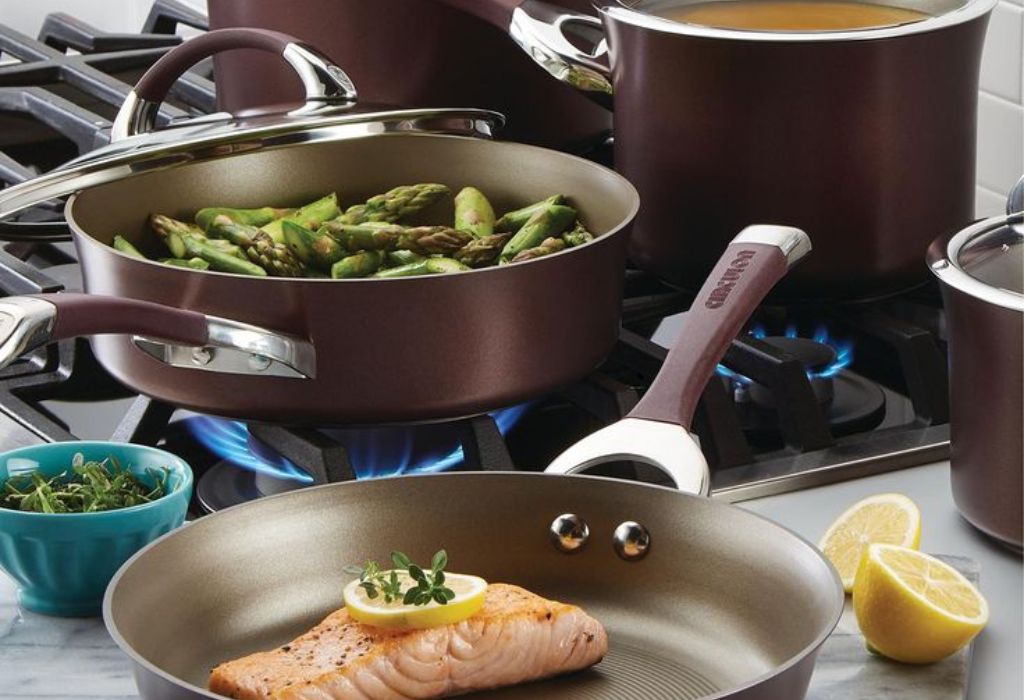
Anodized aluminum cookware is aluminum that has undergone an electrochemical process to form a hard, protective oxide layer on its surface.
This layer enhances corrosion resistance, improves scratch resistance, and makes the cookware non-reactive with foods, including acidic ingredients like tomatoes or citrus.
The anodizing process thickens the naturally occurring oxide layer on aluminum, making the surface much harder than untreated aluminum.
This results in a cookware surface that is durable, easy to clean, and resistant to wear while still maintaining the lightweight properties and excellent heat conductivity of aluminum.
One of the key advantages of anodized aluminum is its ability to distribute heat evenly across the cooking surface.
This helps prevent hot spots, reduces the risk of burning or uneven cooking, and ensures more consistent results when frying, sautéing, or simmering delicate foods.
Anodized aluminum cookware is also versatile and suitable for a wide range of cooking techniques.
It can be used on gas, electric, and most induction stovetops, depending on the cookware base design, and it supports both high-heat searing and gentle simmering.
Proper handling is essential to preserve the anodized layer. Using metal utensils or abrasive cleaning tools can damage the protective surface, potentially exposing the aluminum beneath and reducing the cookware’s durability and safety.
Selecting high-quality anodized aluminum cookware and following manufacturer care guidelines ensures long-lasting performance and maintains the benefits of even heat distribution, scratch resistance, and safe, chemical-free cooking.
In summary, anodized aluminum cookware provides a safe, durable, and efficient cooking solution. Its unique electrochemical treatment transforms standard aluminum into a resilient, non-reactive surface, offering both professional-level performance and reliable everyday use.
Benefits of Anodized Aluminum Cookware
Anodized aluminum cookware combines durability, safety, and superior heat performance, making it a popular choice for both home cooks and professional chefs.
The anodized layer prevents chemical reactions with food, ensuring that flavors remain pure and cooking is safe even when preparing acidic dishes.
One of the primary advantages is its excellent heat conductivity. Aluminum distributes heat quickly and evenly, reducing hot spots and allowing for consistent cooking results across the entire surface.
This efficiency helps maintain optimal temperatures, whether frying, sautéing, or simmering, while minimizing the risk of burning or unevenly cooked food.
Durability is another significant benefit. The anodized surface is resistant to scratching, corrosion, and warping, which allows cookware to withstand frequent use over many years. Unlike traditional non-stick cookware, it does not degrade quickly, making it a long-lasting investment for everyday cooking.
Anodized aluminum is also lightweight, providing easy handling and maneuverability. Its combination of lightness and durability makes it easier to lift, pour, and store compared to heavier cookware like cast iron, while still supporting high-heat cooking.
Additionally, anodized aluminum requires minimal maintenance. The hard, smooth surface allows for straightforward cleaning and typically resists sticking, reducing the need for excessive oils and supporting healthier, low-fat cooking. This convenience makes it ideal for busy kitchens where efficiency, safety, and performance are priorities.
In summary, anodized aluminum cookware offers fast, even heating, durability, non-reactive cooking, and easy maintenance. These benefits make it a safe, practical, and high-performance option for home cooks seeking reliable cookware that can handle a wide range of culinary tasks.
Potential Health Risks
Anodized aluminum cookware is generally considered safe for everyday cooking, but understanding potential health concerns is important. The primary risks arise from poor-quality coatings, extreme overheating, or physical damage to the anodized layer.
High-quality anodized cookware features a fully encapsulated aluminum surface, preventing direct contact with food. This significantly reduces the likelihood of aluminum leaching, even when cooking acidic ingredients like tomatoes or citrus, making it safer than untreated aluminum.
Overheating empty pans or exposing cookware to extremely high temperatures may compromise the anodized layer. While this does not usually release harmful substances under normal cooking conditions, repeated abuse can reduce the durability and non-stick properties of the cookware.
Scratches or chipping caused by metal utensils or abrasive cleaning methods can also affect performance. Damaged surfaces may not pose a significant health risk, but they reduce the protective benefits of anodizing, leading to increased sticking and possible aluminum exposure over time.
In summary, anodized aluminum cookware poses minimal health risks when high-quality materials are used and proper cooking practices are followed. Maintaining heat control, avoiding metal utensils, and replacing damaged cookware ensures safe, efficient, and reliable use for everyday cooking.
Safe Use and Maintenance Tips
Proper use and maintenance are key to ensuring anodized aluminum cookware remains safe and performs efficiently. Following manufacturer guidelines and using the cookware appropriately extends its lifespan while maintaining its protective anodized layer.
Avoid overheating empty pans, as extreme temperatures can weaken the anodized surface and reduce durability. Cooking on medium to high heat is sufficient for most tasks, preserving the integrity of the coating while ensuring even heat distribution.
Using appropriate utensils is also crucial. Wooden, silicone, or plastic tools prevent scratches, while metal utensils can compromise the protective surface.
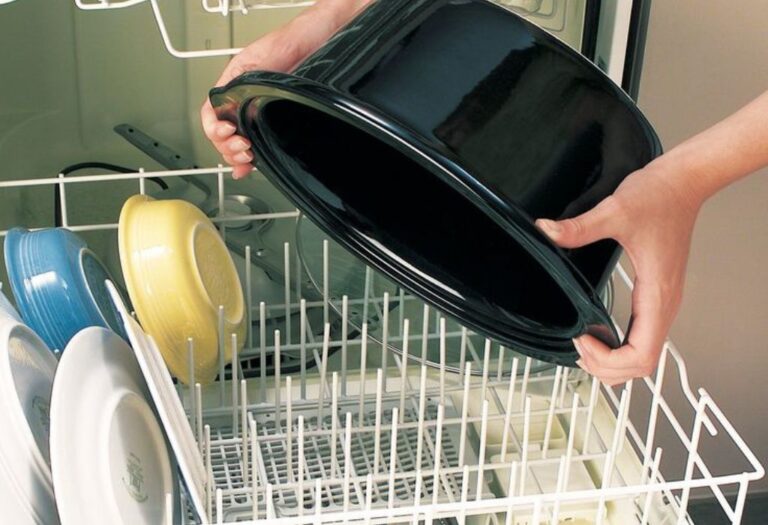
Cleaning should be gentle to maintain the anodized layer. Hand washing with mild detergents and soft sponges is recommended, as abrasive scrubbers or dishwashers can damage the finish. Proper storage, including using protective layers between stacked pans, prevents warping or chipping.
In summary, careful heat management, proper utensil use, gentle cleaning, and thoughtful storage ensure anodized aluminum cookware remains a reliable, safe, and efficient kitchen tool. Adhering to these practices allows home cooks to enjoy the benefits of durability, even heating, and non-reactive cooking for years.
Comparison With Other Cookware
Anodized aluminum cookware offers a unique balance of durability, heat conductivity, and safety compared to other common cookware types. Each material, including raw aluminum, stainless steel, cast iron, and ceramic, has specific strengths and weaknesses that affect performance, safety, and maintenance.
Compared to raw aluminum, anodized cookware is safer because the protective layer prevents food contact with the metal, eliminating concerns about leaching.
Ceramic cookware provides non-stick convenience but can chip easily, while cast iron offers superior heat retention but is heavy and requires seasoning. Stainless steel is highly durable and non-reactive, but often suffers from slower, uneven heating.
Anodized aluminum combines the advantages of fast, even heating with a non-reactive, corrosion-resistant surface. This makes it versatile for frying, sautéing, simmering, and searing while remaining lightweight and easy to handle.
Maintenance is simpler than cast iron or raw stainless steel. Anodized surfaces resist sticking, reduce the need for oil, and clean easily with hand washing. Its lightweight construction also makes it energy-efficient, as heat spreads quickly and evenly across the surface.
In summary, anodized aluminum cookware bridges the gap between performance and safety. It offers faster heating than stainless steel, more durability than ceramic, and lighter handling than cast iron, making it a practical and reliable choice for everyday cooking.
Expert Recommendations
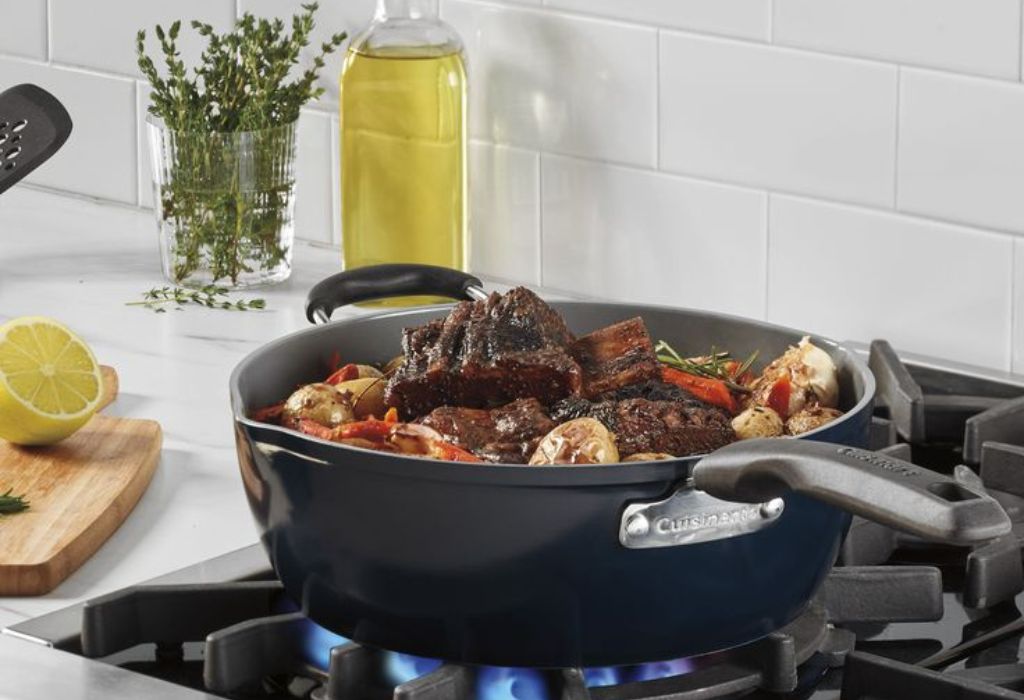
Experts recommend choosing high-quality anodized aluminum cookware with certified, durable coatings to ensure safety and long-term performance. Reputable brands provide cookware that evenly distributes heat, resists scratching, and prevents chemical reactions with food.
Moderate heat usage is advised to maintain the integrity of the anodized layer. Overheating empty pans or using excessive high heat can compromise durability, though it rarely poses a health risk if guidelines are followed.
Utensil choice and cleaning practices are essential for longevity. Wooden, silicone, or plastic utensils prevent scratches, while hand washing with mild detergents preserves the anodized surface. Storing cookware with protective layers between stacked pans prevents warping or chipping.
Many experts suggest combining anodized aluminum cookware with other types in the kitchen. For example, use anodized pans for sautéing and frying, while ceramic or non-stick cookware can be reserved for delicate or low-fat cooking tasks. This approach maximizes safety, convenience, and versatility.
In summary, selecting certified, high-quality anodized aluminum cookware and following proper use and maintenance ensures safe, efficient, and long-lasting performance.
Home cooks can enjoy the benefits of fast, even heating, durability, and non-reactive cooking while minimizing potential risks.
What is anodized aluminum cookware?
Anodized aluminum cookware is made by treating regular aluminum through an electrochemical process that hardens its surface, making it non-reactive, scratch-resistant, and more durable for everyday cooking.
Is anodized aluminum cookware safe to use?
Yes, anodized aluminum cookware is completely safe. The anodizing process seals the aluminum surface, preventing any metal from leaching into food.
How is anodized aluminum different from regular aluminum?
Regular aluminum is reactive and can leach into acidic foods. Anodized aluminum, however, has a hard oxide layer that makes it non-reactive, corrosion-resistant, and safer to cook with.
Can anodized aluminum cookware leach aluminum into food?
No, the anodized layer acts as a barrier, keeping food separate from the aluminum base. Even when cooking acidic dishes, it remains non-reactive.
Is anodized aluminum cookware nonstick?
The anodized surface itself is slightly nonstick, but most modern anodized cookware comes with an additional nonstick coating for easier cooking and cleaning.
Can I use metal utensils on anodized aluminum cookware?
It’s better to avoid metal utensils, as they may scratch the surface. Use wooden, silicone, or nylon tools to preserve the coating and extend its life.
Is anodized aluminum cookware dishwasher safe?
Not recommended. The dishwasher’s harsh detergents can dull the anodized finish and damage nonstick coatings. Hand-washing is best for long-term care.
Is anodized aluminum cookware oven safe?
Yes, most anodized aluminum pans are oven safe up to 400–500°F (200–260°C). Always check the manufacturer’s specifications for handle material and heat limits.
Does anodized aluminum cookware contain harmful chemicals?
No, it’s free from PFOA, PTFE, lead, and other toxic substances. The anodizing process itself is chemical-free and environmentally safe.
What are the main benefits of anodized aluminum cookware?
It’s durable, corrosion-resistant, evenly heats food, and doesn’t react with ingredients—making it one of the safest, longest-lasting, and most reliable cookware types available.
Conclusion
Anodized aluminum cookware is generally safe for everyday cooking when high-quality materials and proper maintenance practices are used. Its electrochemically treated surface provides durability, corrosion resistance, and a non-reactive layer, making it a reliable choice for various cooking tasks.
The cookware’s aluminum base ensures fast, even heat distribution, reducing hot spots and improving cooking efficiency. Awareness of heat limits, careful utensil selection, and gentle cleaning practices maintain the integrity of the anodized layer, prolonging lifespan and performance.
Understanding potential risks, such as overheating or surface damage, allows home cooks to use anodized aluminum cookware safely. Regular inspection and replacing any damaged cookware further ensures both safety and cooking efficiency.
Ultimately, anodized aluminum cookware combines durability, lightweight handling, efficient heat transfer, and non-reactive cooking, making it an ideal choice for modern kitchens.
Following expert recommendations and proper care maximizes its benefits, providing safe, versatile, and high-performance cookware for everyday use.

I’m Emma J. Caldwell, the founder, lead writer, and home-cooking enthusiast behind KitchenGuideCo.com. With a background in culinary arts and over a decade of cooking experience in both professional and personal kitchens, I created this platform to demystify recipes, offer smart kitchen gadget reviews, and guide readers through meal prep with confidence and clarity.