Blue carbon steel cookware has been gaining attention among home cooks and professional chefs alike. Its unique blue oxide layer offers enhanced rust resistance, durability, and a naturally developing non-stick surface.
Many traditional cookware options, including standard carbon steel and cast iron, can rust, warp, or require extensive maintenance.
This often leads to frustration, uneven cooking, and shorter pan lifespans. Blue carbon steel solves these problems while delivering professional-grade performance.
Curiosity surrounds the advantages of the blue coating and how it impacts cooking. The blue oxide layer improves corrosion resistance and helps the pan maintain heat efficiently, providing even searing and browning for meats, vegetables, and delicate dishes.
According to Cook’s Illustrated, blue carbon steel pans deliver up to 15–20% better heat distribution compared to regular carbon steel (cooksillustrated.com).
Beyond durability and performance, blue carbon steel offers long-term benefits for daily cooking. Its lightweight design makes it easier to handle than cast iron while still allowing professional-grade results.
Over time, a well-maintained patina develops, improving natural non-stick performance and enhancing the flavor of dishes.
What Is Blue Carbon Steel Cookware?
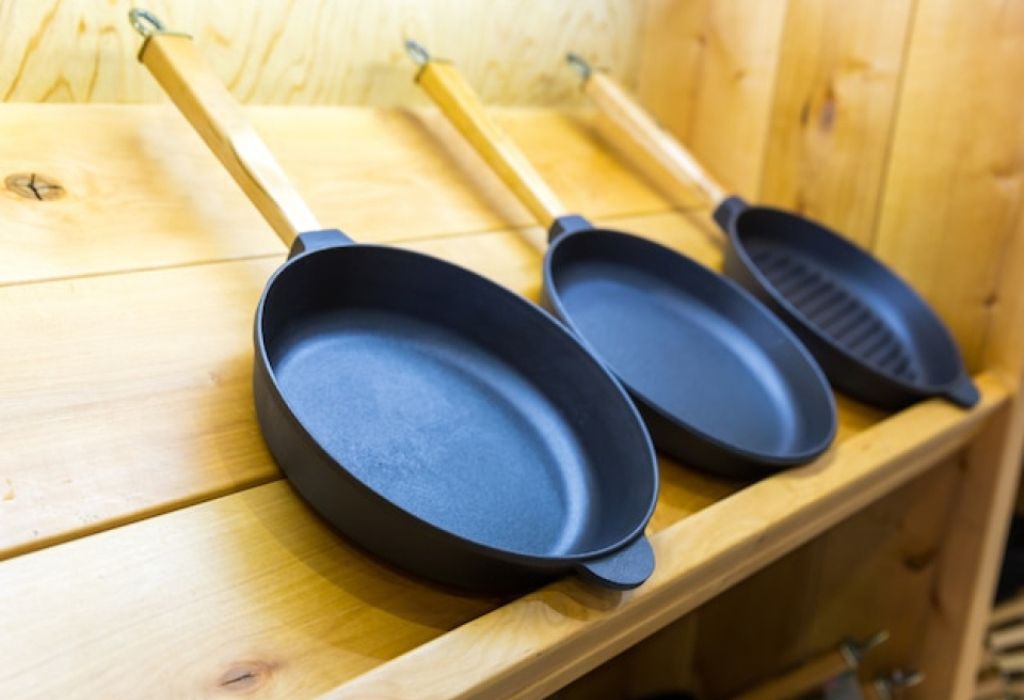
Blue carbon steel cookware is a type of carbon steel pan that has undergone a bluing process to create a thin, protective oxide layer on its surface.
This blue oxide coating enhances corrosion resistance, provides a smooth surface, and allows for the development of a natural non-stick patina over time.
Unlike regular carbon steel, blue carbon steel requires less maintenance and is more resistant to rust, making it ideal for frequent home or professional use.
The manufacturing process begins with high-quality carbon steel, which is shaped into pans through pressing or rolling. After forming, the steel is heated and treated to produce the blue oxide layer.
This bluing not only improves the durability of the pan but also maintains its lightweight nature, allowing for easy handling while retaining professional-grade heat conductivity.
Key differences from standard carbon steel include enhanced rust resistance, improved longevity, and reduced seasoning requirements.
While all carbon steel can develop a patina through regular cooking and oiling, the blue layer accelerates this process and provides a safer, more reliable cooking surface.
This makes blue carbon steel particularly suitable for high-heat cooking, such as searing steaks, stir-frying vegetables, or preparing delicate sauces.
The performance characteristics of blue carbon steel include rapid and even heat distribution, excellent heat retention, and the ability to withstand high temperatures without warping.
Over time, consistent use allows the pan to develop a rich patina that enhances natural non-stick properties and subtly improves flavor.
Additionally, blue carbon steel cookware is versatile and compatible with various cooking methods and stovetops, including gas, electric, and induction.
Oven-safe designs further increase its utility, making it a reliable, long-lasting, and professional-grade option for any kitchen.
Is Blue Carbon Steel Cookware Safe for Daily Cooking?
Blue carbon steel cookware is generally considered safe for daily use when properly maintained. The blue oxide layer creates a non-reactive surface, preventing metal from leaching into food, even when cooking acidic ingredients like tomatoes or citrus.
Unlike traditional non-stick pans with chemical coatings, blue carbon steel provides a safe, natural surface suitable for everyday cooking.
The cookware’s safety is further enhanced by its ability to develop a natural non-stick patina through regular use and seasoning. This patina not only improves cooking performance but also acts as a protective barrier against rust and corrosion, ensuring both safety and durability.
According to Cook’s Illustrated, carbon steel pans, including blue variants, maintain stable performance and food safety when properly cared for (cooksillustrated.com).
Proper handling and maintenance are key to maintaining safety. Avoiding metal utensils prevents scratches that could compromise the protective oxide layer.
Gradual heating and following the manufacturer’s temperature guidelines reduce the risk of thermal shock or warping, which could affect the pan’s structural integrity.
Cleaning practices also impact safety. Using gentle sponges and mild detergents preserves the blue coating, while immediate drying prevents rust formation.
Light oiling after each use reinforces the protective layer, maintains non-stick performance, and ensures the cookware remains safe over time.
Overall, blue carbon steel cookware offers a durable, professional-grade, and food-safe option for daily cooking. When used correctly, it supports high-heat techniques, searing, and sautéing without compromising safety.
Its combination of rust resistance, natural non-stick properties, and lightweight handling makes it a reliable choice for both home and professional kitchens.
Benefits of Blue Carbon Steel Cookware
Blue carbon steel cookware provides a range of benefits that make it an attractive choice for both home cooks and professional chefs. One of its most significant advantages is durability.
The blue oxide layer strengthens the pan, offering resistance to scratches, warping, and corrosion. With proper care, blue carbon steel cookware can last for decades, providing a long-term, cost-effective solution for daily cooking.
Heat conductivity is another major benefit. Blue carbon steel heats quickly and distributes heat evenly across the cooking surface, eliminating hot spots and ensuring consistent results.
This makes it ideal for high-heat techniques such as searing steaks, stir-frying vegetables, and browning sauces, allowing for professional-grade cooking performance.
The cookware’s lightweight design enhances handling and reduces fatigue during cooking. Unlike cast iron, which can be heavy and cumbersome, blue carbon steel pans are easy to lift, toss, and maneuver, making them suitable for a wide range of techniques and quick stovetop adjustments.
Blue carbon steel also develops a natural non-stick patina over time, improving food release and reducing the need for excessive oil. This not only supports healthier cooking but also enhances flavor as the pan ages.
The combination of bluing and patina provides a protective layer that contributes to both safety and longevity.
Versatility is another advantage. Blue carbon steel cookware is compatible with gas, electric, and induction stovetops, and most pans are oven-safe, allowing seamless stovetop-to-oven cooking.
Its performance across multiple cooking methods, combined with durability, lightweight handling, and food-safe surfaces, makes it a reliable choice for any kitchen.
Overall, blue carbon steel cookware combines durability, professional-grade heat performance, lightweight handling, natural non-stick properties, and versatility, making it an ideal option for everyday and high-heat cooking in home or commercial kitchens.
Potential Drawbacks and Limitations
While blue carbon steel cookware offers numerous advantages, it also has certain limitations that home cooks should consider. One common drawback is surface sensitivity.
Despite the protective blue oxide layer, using metal utensils or abrasive cleaning tools can scratch the surface, reducing non-stick performance and exposing the underlying steel to potential corrosion.
Seasoning requirements are another consideration. Blue carbon steel develops a natural non-stick patina over time, but regular oiling and proper maintenance are needed to maintain this protective layer.
Neglecting seasoning can lead to sticking, uneven cooking, or rust formation, which may reduce the pan’s longevity.
Price is also a factor. High-quality blue carbon steel pans tend to be more expensive than standard carbon steel or non-stick alternatives. While the upfront investment is higher, the durability, heat conductivity, and professional-grade performance often justify the cost over time.
Thermal shock is another potential limitation. Exposing the pan to rapid temperature changes, such as adding cold liquids to a hot pan, can warp the metal or damage the coating.
Gradual heating and careful temperature management are essential to preserve the pan’s integrity and protective bluing.
Finally, blue carbon steel is not naturally non-stick without seasoning. While the patina improves over time, initial cooking may require some oil or butter to prevent sticking. Overheating can also compromise the patina and reduce cooking efficiency.
Despite these limitations, the benefits of blue carbon steel—including durability, professional-grade heat performance, lightweight handling, and enhanced corrosion resistance—often outweigh the drawbacks.
Awareness of these potential issues allows cooks to maximize the cookware’s lifespan, maintain safety, and enjoy consistent, high-quality results.
How to Choose the Right Blue Carbon Steel Cookware
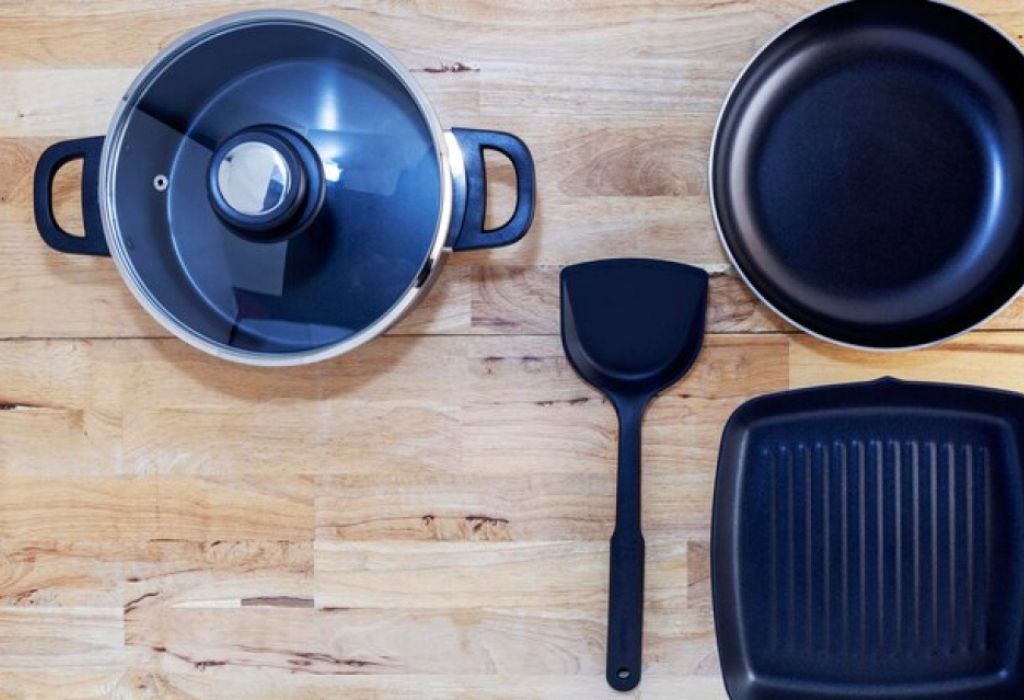
Selecting the right blue carbon steel cookware requires consideration of size, material quality, and intended cooking use. Start by evaluating the size and shape of the pans.
Skillets, woks, saucepans, and stockpots serve different purposes, and choosing the correct size ensures efficient heat distribution, proper searing, and ease of handling.
Next, consider the quality of the blue oxide coating. Uniform bluing and consistent thickness enhance corrosion resistance and durability. Some pans come pre-seasoned, while others allow the patina to develop naturally over repeated use.
Understanding the coating type helps maintain the non-stick surface and extends the pan’s lifespan.
Brand reputation is another key factor. Trusted brands such as Matfer Bourgeat, De Buyer, Lodge, and Paderno offer reliable construction, consistent bluing, and warranty support. Choosing reputable manufacturers reduces the risk of uneven heating, poor corrosion resistance, or low-quality steel.
Check compatibility with stovetops and ovens. Most blue carbon steel cookware works with gas, electric, and induction ranges, but confirming specifications ensures safe and efficient use. Oven-safe designs increase versatility, allowing seamless stovetop-to-oven transitions for roasting, braising, or finishing dishes.
Finally, evaluate price versus long-term value. High-quality blue carbon steel cookware may have a higher initial cost, but its durability, professional-grade performance, and enhanced heat conductivity make it a worthwhile investment.
Considering the balance between upfront expense and longevity ensures a practical and satisfying purchase.
By taking into account size, coating quality, brand reputation, stovetop compatibility, and price, home cooks can select blue carbon steel cookware that meets their needs. The right choice guarantees professional-grade performance, safety, and long-lasting use in any kitchen.
Care, Cleaning, and Maintenance Tips
Proper care is essential to maintain the performance, durability, and safety of blue carbon steel cookware. Start with cleaning practices.
Avoid abrasive sponges or harsh detergents that can damage the blue oxide layer. Use warm water with a soft cloth or non-abrasive brush to remove food residues while preserving the coating.
Drying thoroughly after each use is crucial to prevent rust or discoloration. Even the protective bluing can be compromised by residual moisture.
Applying a thin layer of high-smoke-point oil after cleaning reinforces the patina, maintains non-stick performance, and extends the pan’s lifespan.
Storage also affects longevity. Avoid stacking pans without protective layers, as this can scratch the blued surface. Place paper towels or cloths between pans when stacking to prevent damage and preserve the coating.
Routine inspection ensures the cookware remains in optimal condition. Check for scratches, wear, or minor corrosion.
Minor imperfections can be restored by following manufacturer-recommended maintenance or light reseasoning, preserving both performance and safety.
Usage practices further protect blue carbon steel cookware. Avoid rapid temperature changes, such as adding cold liquids to a hot pan, which can warp the metal or damage the coating.
Use wooden, silicone, or plastic utensils to prevent scratching, and follow heat guidelines to maintain the integrity of the bluing and the developing patina.
By following these cleaning, drying, storage, and usage practices, home cooks can maximize the lifespan, durability, and safety of blue carbon steel cookware.
Proper maintenance preserves professional-grade performance, ensures food-safe surfaces, and guarantees a consistent, high-quality cooking experience for daily use.
Comparing Blue Carbon Steel With Other Cookware
Blue carbon steel cookware offers unique advantages compared to other common cookware materials. Unlike standard carbon steel, the blue oxide layer provides enhanced corrosion resistance and a more durable surface.
This reduces the need for frequent seasoning and protects the pan from rust, while still allowing the natural development of a non-stick patina over time.
When compared to cast iron, blue carbon steel is significantly lighter, making it easier to handle and maneuver during cooking. Cast iron excels at heat retention, but it requires more maintenance and is cumbersome for everyday use. Blue carbon steel provides comparable heat performance with professional-grade responsiveness and minimal weight.
Stainless steel pans offer durability and non-reactivity but heat less evenly and require more oil to prevent sticking. In contrast, blue carbon steel provides excellent heat conductivity, even cooking, and a surface that naturally becomes more non-stick with use.
This makes it ideal for high-heat searing, stir-frying, and delicate recipes that require precise temperature control.
Non-stick coated pans offer ease of cleaning but often degrade quickly and can release chemicals if scratched or overheated. Blue carbon steel combines long-term durability with a chemical-free, food-safe surface.
The protective blue oxide layer, combined with a developing patina, ensures safe cooking for a wide range of dishes without synthetic coatings.
By understanding these differences, home cooks can make informed decisions about which cookware best suits their kitchen needs.
Blue carbon steel balances durability, lightweight handling, professional-grade heat performance, and food-safe surfaces, making it a versatile and reliable choice for daily and high-heat cooking.
Its unique properties allow consistent, long-lasting performance across multiple cooking methods.
Long-Term Benefits of Blue Carbon Steel Cookware
Blue carbon steel cookware offers long-term advantages that make it a valuable investment for any kitchen. One of the most notable benefits is durability.
The blue oxide layer strengthens the pan, making it resistant to rust, scratches, and warping. With proper maintenance, blue carbon steel cookware can last for decades, providing reliable, professional-grade performance.
Heat conductivity is another long-term advantage. Blue carbon steel distributes heat evenly across the cooking surface, eliminating hot spots and ensuring consistent cooking results.
This makes it ideal for searing meats, stir-frying vegetables, or preparing delicate sauces, allowing for professional-level performance in everyday cooking.
The cookware’s lightweight design further enhances its long-term usability. Unlike heavy cast iron, blue carbon steel is easy to handle, lift, and maneuver.
This reduces fatigue during extended cooking sessions while still providing excellent heat retention for high-heat techniques and precise temperature control.
Food safety is another key benefit. The blue oxide layer creates a non-reactive surface that prevents metal from leaching into food. Over time, a natural patina develops, improving non-stick performance and enhancing flavor while supporting healthier cooking with minimal oil.
Finally, versatility ensures the cookware adapts to multiple cooking techniques. It is compatible with gas, electric, and induction stovetops and is often oven-safe, making it suitable for a variety of dishes.
Blue carbon steel combines durability, heat conductivity, lightweight handling, and food-safe surfaces to provide a professional-grade cooking experience that improves with use.
Overall, investing in blue carbon steel cookware delivers long-lasting, safe, and high-performance kitchen tools.
Proper care and usage ensure consistent results, enhanced flavor, and reliable performance for years, making it a practical and professional-grade choice for both home and commercial kitchens.
What is blue carbon steel cookware?
Blue carbon steel cookware is made from iron and carbon, similar to regular carbon steel, but it’s heat-treated at high temperatures to create a protective blue oxide layer that resists rust and corrosion.
Why is it called “blue” carbon steel?
The “blue” color comes from the heat treatment process, which gives the surface a bluish tint. This finish not only looks unique but also adds extra durability and oxidation resistance.
Is blue carbon steel cookware safe for cooking?
Yes, it’s 100% safe. It contains no chemicals or coatings and becomes naturally nonstick when seasoned properly.
How is blue carbon steel different from regular carbon steel?
The main difference is the protective blue oxide layer. It gives better resistance to rust and requires slightly less maintenance than raw carbon steel.
Does blue carbon steel cookware need seasoning?
Yes, even with its blue finish, it still needs to be seasoned before use to build a natural nonstick layer and enhance its cooking performance.
Can blue carbon steel cookware rust?
It’s more rust-resistant than regular carbon steel, but it can still rust if left wet or unseasoned. Always dry it thoroughly and oil it lightly after cleaning.
Is blue carbon steel cookware good for high-heat cooking?
Yes, it’s excellent for high-heat tasks like searing, stir-frying, and browning, as it can withstand temperatures that nonstick cookware cannot handle.
Can I use blue carbon steel cookware on all stovetops?
Yes, it works on gas, electric, ceramic, and induction cooktops—and it’s also oven-safe, making it versatile for all cooking methods.
Is blue carbon steel cookware nonstick?
When properly seasoned, it develops a natural nonstick surface that improves with regular use and oiling.
Why should cooks choose blue carbon steel cookware?
It combines the best of cast iron and stainless steel—fast heating, excellent searing ability, and a naturally safe, non-toxic surface—making it perfect for both home and professional kitchens.
Conclusion
Blue carbon steel cookware is a versatile, durable, and professional-grade option suitable for both home cooks and chefs.
Its blue oxide layer provides a scratch-resistant, corrosion-resistant, and food-safe surface, making it ideal for everyday use while minimizing maintenance requirements.
The pan’s lightweight design enhances handling and reduces fatigue during cooking without sacrificing professional-grade performance.
The natural patina that develops over time improves non-stick performance and subtly enhances the flavor of foods.
With proper care, including regular seasoning, careful cleaning, and avoiding metal utensils, blue carbon steel cookware maintains its durability, heat conductivity, and safety for years. This makes it a cost-effective, long-lasting investment for any kitchen.
Daily cooking with blue carbon steel is safe, even for high-heat techniques or acidic foods. Its heat responsiveness and even distribution allow precise temperature control for searing, stir-frying, and sautéing, ensuring consistent and high-quality results.
The blue oxide layer also prevents rust and corrosion, further supporting safety and long-term usability.
Versatility is another key advantage. Blue carbon steel pans are compatible with gas, electric, and induction stovetops and are often oven-safe, allowing a seamless transition from stovetop to oven.
Their lightweight yet durable construction makes them ideal for multiple cooking methods, from quick high-heat searing to slow braising.

I’m Emma J. Caldwell, the founder, lead writer, and home-cooking enthusiast behind KitchenGuideCo.com. With a background in culinary arts and over a decade of cooking experience in both professional and personal kitchens, I created this platform to demystify recipes, offer smart kitchen gadget reviews, and guide readers through meal prep with confidence and clarity.