Cast aluminum cookware has become a staple in modern kitchens due to its lightweight design and excellent heat distribution. Millions of home cooks and professional chefs rely on it, but questions about its composition and safety often arise.
Many people wonder if cast aluminum cookware can leach aluminum into food and whether it is safe for daily cooking. Scientific research indicates that properly manufactured and anodized cast aluminum cookware minimizes metal migration, making it safe for most users. Source
Health authorities, including the U.S. Food and Drug Administration (FDA), confirm that aluminum exposure from properly made cookware remains well below levels associated with adverse health effects. Source
Understanding what cast aluminum cookware is, how it is made, and its advantages allows home cooks to make informed choices. Awareness of proper usage, maintenance, and material quality ensures both safe cooking and long-term performance.
What Is Cast Aluminum Cookware?
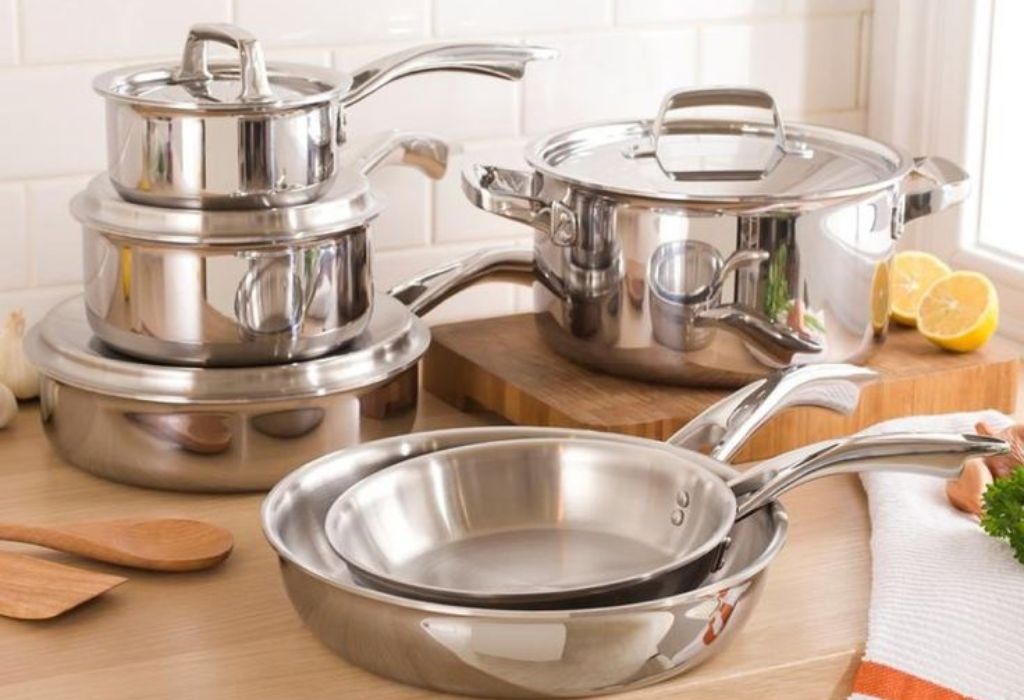
Cast aluminum cookware is a type of cookware made by pouring molten aluminum into molds to create pots, pans, and other kitchen utensils. This manufacturing process allows for consistent shapes, precise designs, and a durable structure that can withstand everyday cooking.
Unlike traditional rolled aluminum or sheet cookware, cast aluminum offers thicker walls that improve heat retention and even distribution.
This ensures that food cooks uniformly without hot spots, which is especially beneficial for delicate dishes or recipes requiring precise temperature control.
Many cast aluminum pieces are anodized or coated with non-stick surfaces to enhance durability and safety.
Anodization creates a hard, non-reactive layer that prevents aluminum from reacting with acidic or salty foods, reducing the risk of metal leaching into meals. Non-stick coatings, such as PTFE or ceramic layers, further enhance usability, making cooking and cleaning easier and safer.
The lightweight nature of cast aluminum makes it easier to handle compared to heavier options like cast iron. Ergonomic handles, flat bases, and tight-fitting lids improve usability and efficiency, allowing cooks to manage larger pans comfortably while ensuring even cooking.
Cast aluminum’s combination of durability, heat efficiency, and safety makes it a popular choice among both home cooks and professional chefs.
Understanding its composition, manufacturing process, and unique features provides a solid foundation for evaluating its safety, advantages, limitations, and best practices in the kitchen.
Awareness of these characteristics ensures informed decisions when choosing cookware that meets both performance and health-conscious criteria.
Health and Safety Considerations
Safety is one of the most common concerns when it comes to cast aluminum cookware. Some people worry that aluminum may leach into food during cooking, potentially impacting long-term health, especially when cooking acidic or salty dishes.
Hard anodization or high-quality non-stick coatings significantly reduce the risk of aluminum migration. Anodized aluminum forms a hard, non-reactive surface, ensuring that food does not come into direct contact with raw aluminum. Non-stick coatings, such as PTFE or ceramic, further prevent leaching while making cooking and cleaning easier.
Scientific studies indicate that normal use of cast aluminum cookware results in minimal aluminum exposure for healthy adults. Research shows that the protective anodized layer effectively prevents significant metal migration, keeping meals safe and nutritionally intact. Source
Regulatory agencies, including the FDA, consider anodized aluminum cookware safe for everyday cooking. They note that the anodized layer reduces the potential for aluminum to enter food, making it suitable for home use. Source
Certain populations, such as individuals with impaired kidney function, may require additional caution. While most people can safely use anodized cast aluminum cookware, these groups might prefer non-reactive alternatives like stainless steel or ceramic to minimize even trace exposure.
Proper usage and maintenance enhance safety. Avoiding metal utensils, excessive heat, and abrasive cleaning helps preserve the anodized layer over time. Regular inspection ensures that any damage to the surface is identified early, allowing users to continue cooking safely.
Overall, when manufactured and maintained correctly, cast aluminum cookware is safe, durable, and highly functional. Understanding its construction and adhering to recommended practices ensures both performance and health-conscious cooking in everyday kitchen use.
Advantages of Cast Aluminum Cookware
Cast aluminum cookware offers a variety of benefits that make it a preferred choice for both home kitchens and professional settings. One of its primary advantages is lightweight construction, which allows for easy handling compared to heavier alternatives like cast iron. This is particularly useful when managing large pots or pans during cooking.
Another significant advantage is excellent heat distribution. Cast aluminum conducts heat quickly and evenly, reducing hot spots and ensuring consistent cooking results. This property is essential for delicate dishes, sauces, and foods that require precise temperature control.
Durability is also a major benefit. High-quality cast aluminum cookware, especially anodized or non-stick coated, resists scratches, corrosion, and wear. With proper care, these pans can maintain performance and appearance for many years, providing long-term value.
Non-stick properties further enhance convenience. Many cast aluminum pans have naturally non-reactive or coated surfaces, reducing the need for extra oils and making cleaning easier. This combination of safety, ease of use, and performance contributes to its popularity among both novice cooks and professional chefs.
Additionally, cast aluminum is versatile and compatible with a variety of stovetops, including gas, electric, and ceramic. Many models are oven-safe, allowing for a wide range of cooking techniques. Its modern, sleek appearance adds aesthetic appeal to kitchens while supporting practical functionality.
Finally, cast aluminum cookware is often cost-effective, offering performance and safety at a more affordable price point than some premium alternatives. Its blend of durability, heat efficiency, usability, and safety makes it a reliable and practical choice for everyday cooking.
Limitations and Considerations
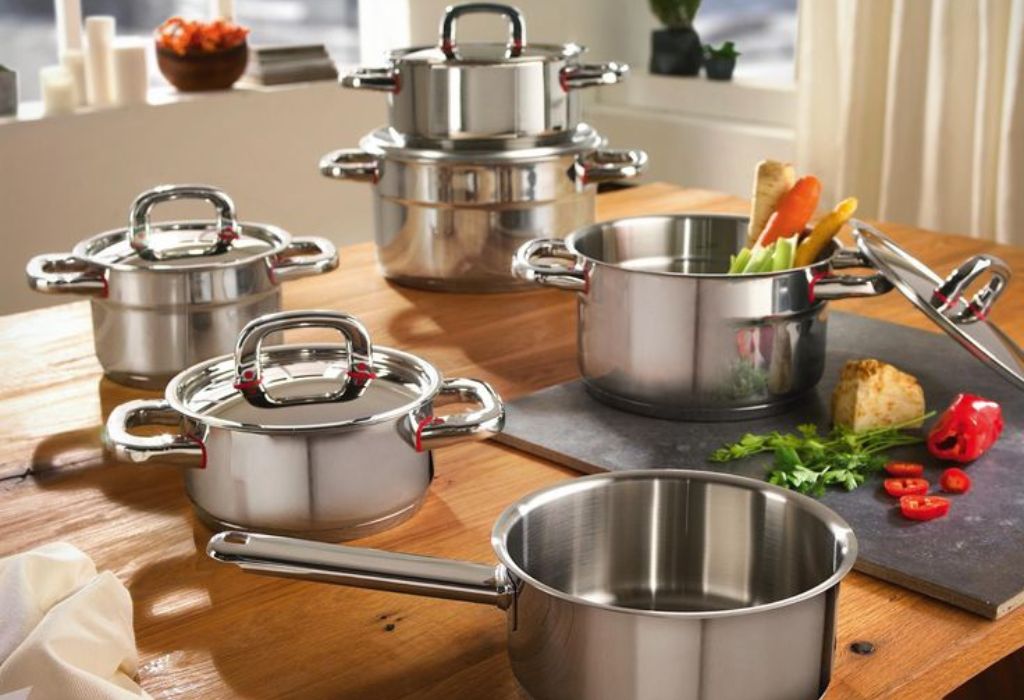
While cast aluminum cookware offers numerous benefits, it also has some limitations that users should consider. One key concern is sensitivity to high heat. Excessive temperatures can damage non-stick coatings or warp thinner pans, reducing their lifespan and performance.
Another consideration is surface damage from improper use. Metal utensils or abrasive cleaning tools can scratch or chip the anodized layer, which may compromise both safety and cooking efficiency. Using silicone, wooden, or plastic utensils is recommended to preserve the surface.
Dishwasher use can also impact longevity. Although some cast aluminum cookware is labeled dishwasher-safe, repeated exposure to high heat and harsh detergents may degrade coatings over time. Hand washing with mild soap and a soft sponge is typically the best approach for long-term care.
Cost may be higher compared to standard aluminum cookware due to the anodization and coating processes. However, investing in high-quality cookware ensures durability, safety, and performance for years of daily use.
Finally, cast aluminum is not naturally magnetic, which may limit compatibility with induction stovetops unless a magnetic base is added. Users with induction cooking should verify compatibility before purchasing.
Despite these drawbacks, careful use, proper maintenance, and adherence to manufacturer guidelines allow cooks to safely enjoy cast aluminum cookware. Awareness of its sensitivity to heat, utensils, and cleaning practices ensures maximum performance and safety for everyday cooking applications.
Best Practices for Safe Use
Proper usage and maintenance are crucial for maximizing the safety and longevity of cast aluminum cookware. Following recommended practices helps preserve the anodized surface, prevent aluminum exposure, and maintain optimal cooking performance.
Avoid using metal utensils, which can scratch or damage the protective coating. Wooden, silicone, or plastic utensils are ideal for stirring, flipping, and serving, keeping the surface intact and safe.
Hand washing is recommended to maintain the integrity of the cookware. Harsh detergents, steel wool, or abrasive sponges can wear down the anodized layer, so gentle cleaning with mild soap and a soft sponge is preferred.
Limit cooking acidic or salty foods in non-coated areas, although anodization typically prevents significant leaching. Controlling heat and avoiding prolonged exposure to extremely high temperatures also protects the cookware and preserves its non-stick properties.
Proper storage prevents scratches and dents. Avoid stacking pans directly without protective padding, and inspect cookware regularly for signs of wear or coating degradation.
Following manufacturer guidelines ensures optimal safety, performance, and longevity. By combining careful utensil selection, moderate heat control, and gentle cleaning routines, home cooks can enjoy the benefits of cast aluminum cookware with minimal risk. Awareness and adherence to these best practices allow for safe, efficient, and worry-free cooking.
Alternatives to Cast Aluminum Cookware
For those concerned about aluminum exposure or seeking different cooking characteristics, several alternatives offer safe and effective options. Stainless steel, cast iron, and ceramic-coated cookware are among the most popular substitutes, each with unique advantages.
Stainless steel cookware is highly durable, non-reactive, and resistant to corrosion. It does not leach metals into food, making it ideal for cooking acidic dishes. Some stainless steel pans incorporate layered bases with aluminum or copper cores to improve heat distribution.
Cast iron cookware is known for exceptional heat retention and durability. A well-seasoned cast iron pan develops a natural non-stick surface while adding small amounts of dietary iron to meals. Although heavier than aluminum, it excels in high-heat searing, oven cooking, and slow-cooked recipes. Regular seasoning is required to maintain its non-stick quality and prevent rust.
Ceramic-coated cookware features a non-reactive, smooth surface that prevents metal leaching and promotes easy food release. It is lightweight, easy to clean, and chemically safe. However, ceramic coatings can be fragile and prone to chipping if mishandled.
Other options, such as titanium, hard-anodized hybrids, or layered cookware, combine the heat conductivity of aluminum with non-reactive surfaces. These products aim to offer the benefits of aluminum while minimizing health concerns.
Selecting the right alternative depends on cooking style, heat performance, durability, and maintenance preferences. Understanding the strengths and limitations of each material enables home cooks to make informed decisions that balance safety, convenience, and performance.
By exploring these alternatives, users can find cookware that meets both their culinary and health-conscious priorities.
Consumer Insights and Expert Opinions
Cast aluminum cookware has been extensively reviewed by both home cooks and professional chefs, providing valuable insights into its performance, durability, and safety. Many users highlight its lightweight design, even heat distribution, and ease of handling as key advantages for everyday cooking.
Experts generally agree that properly manufactured and anodized cast aluminum cookware is safe for daily use. They emphasize following manufacturer guidelines, avoiding metal utensils, and using moderate heat to maintain the protective surface and ensure long-term safety. Source
Consumer reviews consistently mention satisfaction with the durability and non-stick properties of high-quality cast aluminum pans. Users report that these pans retain their performance and appearance over time, reinforcing expert recommendations about selecting well-made, anodized products.
Some experts note that lower-quality or non-anodized aluminum cookware may be more reactive with acidic or salty foods. Investing in premium cookware and adhering to best practices minimizes potential risks and maximizes performance in the kitchen.
Experts also highlight the versatility of cast aluminum, compatible with gas, electric, and ceramic stovetops, and often oven-safe. This combination of durability, safety, and performance makes it a popular choice among both novice cooks and professional chefs.
By considering both consumer feedback and expert guidance, it is clear that cast aluminum cookware is a reliable, safe, and efficient option. Awareness of product quality, proper usage, and maintenance ensures that users can enjoy its benefits while minimizing potential health concerns.
Future Trends and Innovations in Cast Aluminum Cookware
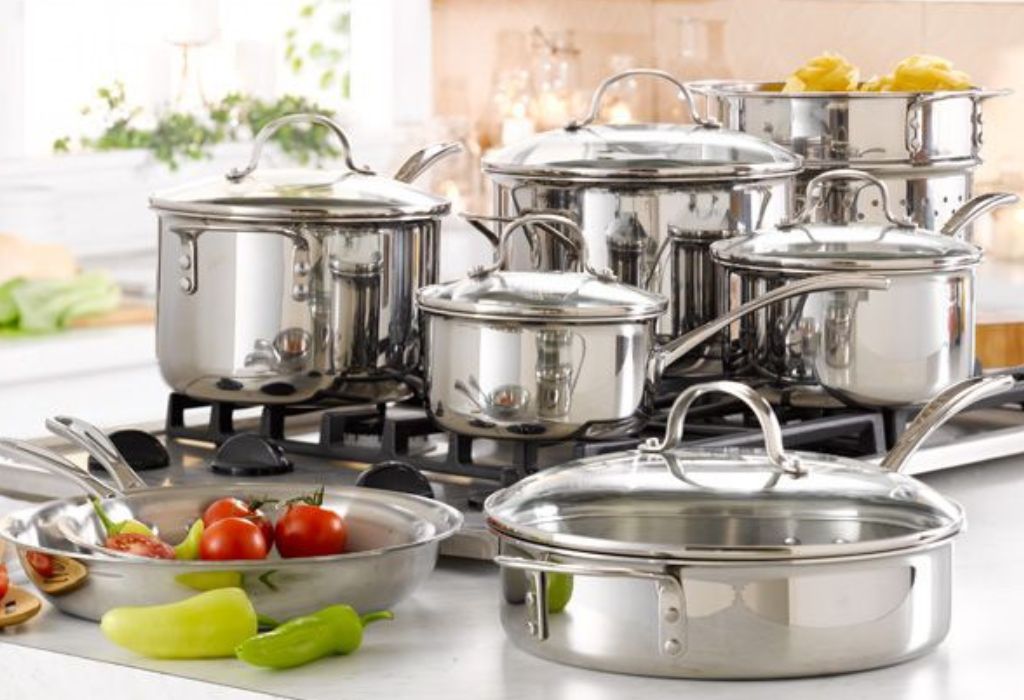
Cast aluminum cookware continues to evolve with advancements in materials, coatings, and design. Modern trends focus on improving durability, safety, performance, and sustainability to meet the demands of contemporary kitchens.
One major trend is the development of hybrid coatings that combine anodized aluminum with ceramic or advanced non-stick layers.
These innovations enhance scratch resistance, heat distribution, and non-reactive properties, ensuring safer and more efficient cooking for a wide variety of recipes. Hybrid surfaces also reduce the need for excess oil, promoting healthier meal preparation.
Sustainability is becoming a key focus in cookware production. Aluminum is highly recyclable, and manufacturers increasingly use recycled materials along with eco-friendly anodization processes to minimize environmental impact.
Energy-efficient manufacturing and environmentally conscious packaging are also becoming standard in premium cookware lines. Source
Smart cookware is another emerging trend. Some high-end pans now feature temperature indicators or sensor technology for precise heat management.
These features prevent overheating, protect non-stick surfaces, and improve cooking consistency, reflecting the integration of technology into kitchen tools.
Design and usability innovations continue to improve the cooking experience. Ergonomic handles, stackable sets, and multi-heat source compatibility enhance convenience and efficiency in diverse kitchen settings.
Future developments also focus on chemical-free, safe coatings, such as PFOA-free and PTFE-free options. These innovations preserve aluminum’s benefits while addressing consumer health concerns.
Overall, technological advancements, sustainability initiatives, and improved usability suggest that cast aluminum cookware will remain a top choice in modern kitchens.
Consumers can expect safer, more durable, and highly functional products that combine convenience, performance, and environmental responsibility.
What is cast aluminum cookware?
Cast aluminum cookware is made by pouring molten aluminum into molds, creating a thicker, more durable structure that distributes heat evenly for consistent cooking.
How is cast aluminum cookware different from regular aluminum cookware?
Unlike thin, stamped aluminum pans, cast aluminum is denser and stronger. It holds heat longer, resists warping, and provides better browning and temperature control.
Is cast aluminum cookware heavy?
It’s lighter than cast iron but heavier than standard aluminum cookware. This balance makes it sturdy yet easy to handle in everyday cooking.
Does cast aluminum cookware heat evenly?
Yes, it offers excellent heat distribution. The dense aluminum body ensures that food cooks uniformly without hot spots or uneven browning.
Is cast aluminum cookware nonstick?
Naturally, it’s not nonstick. However, many modern cast aluminum pans feature a nonstick or ceramic coating for easier food release and cleaning.
Can cast aluminum cookware go in the oven?
Yes, most cast aluminum pans are oven-safe up to 400–500°F, but always check the manufacturer’s label—especially if the handles are made of plastic or silicone.
Is cast aluminum cookware safe for all stovetops?
It works well on gas, electric, and glass cooktops. However, traditional cast aluminum isn’t magnetic, so it won’t work on induction stoves unless it has a magnetic base.
How should I clean cast aluminum cookware?
Wash it by hand with mild soap and a soft sponge. Avoid harsh cleaners or metal pads that can damage coatings or dull the surface.
Does cast aluminum cookware last long?
Yes, with proper care, it can last many years. Its thick construction resists dents, corrosion, and heat damage better than regular aluminum pans.
Why should beginners choose cast aluminum cookware?
It’s affordable, lightweight, heats evenly, and requires minimal maintenance—making it an ideal choice for new home cooks who want professional-quality results.
Conclusion
Cast aluminum cookware combines lightweight design, excellent heat distribution, and durability, making it a popular choice in modern kitchens.
Its anodized or non-stick surfaces provide a protective barrier that minimizes aluminum leaching, ensuring safe and efficient cooking for most users. Proper usage and maintenance are essential to maximize both performance and safety.
Scientific research and expert opinions confirm that high-quality, anodized cast aluminum cookware is safe for daily use. Following best practices—such as avoiding metal utensils, limiting high heat, and performing gentle cleaning—preserves the cookware’s protective surface and extends its lifespan.
The advantages of cast aluminum include fast and even cooking, non-stick convenience, lightweight handling, and compatibility with multiple stovetops and oven cooking.
Consumer feedback highlights satisfaction with durability, performance, and ease of maintenance, supporting expert recommendations on quality selection and care.
Alternatives like stainless steel, cast iron, and ceramic-coated cookware provide additional options for those seeking non-reactive surfaces or specific cooking properties. Each material has unique benefits, allowing cooks to balance safety, convenience, and performance based on their needs.
Future trends in cast aluminum cookware focus on improved coatings, hybrid designs, sustainable manufacturing, and smart technology integration. These innovations enhance usability, safety, and environmental responsibility while retaining the material’s traditional advantages.
In conclusion, cast aluminum cookware is a safe, practical, and versatile option for home cooks and professional chefs alike. By selecting high-quality products, adhering to proper usage guidelines, and performing regular maintenance, users can confidently enjoy its benefits.
Informed choices and careful practices ensure worry-free cooking, superior performance, and long-lasting durability.

I’m Emma J. Caldwell, the founder, lead writer, and home-cooking enthusiast behind KitchenGuideCo.com. With a background in culinary arts and over a decade of cooking experience in both professional and personal kitchens, I created this platform to demystify recipes, offer smart kitchen gadget reviews, and guide readers through meal prep with confidence and clarity.