If you’re curious about healthy eating, you’ve probably heard the question: what is cold press juicer? It’s a common topic, but it can feel a little complicated if you’re just starting. Don’t worry, we’ll break it down in a super easy way. You will learn the basics and get a step-by-step guide. We’ll explore the main parts, how they work, and why cold press juicing is popular. Let’s start!
How Cold Press Juicers Work and Why They’re Special
Cold press juicers, sometimes known as masticating juicers, are very different from the centrifugal juicers you might be more familiar with. The main difference lies in how they extract the juice. Centrifugal juicers use a spinning blade to chop up fruits and vegetables, then spin them at high speed to separate the juice from the pulp. Cold press juicers, on the other hand, use a slow-moving auger to crush and press the produce. This gentle process keeps the juice from heating up too much, helping to preserve more of the nutrients and enzymes. It’s like gently squeezing the goodness out, instead of quickly chopping and spinning.
The Main Parts of a Cold Press Juicer
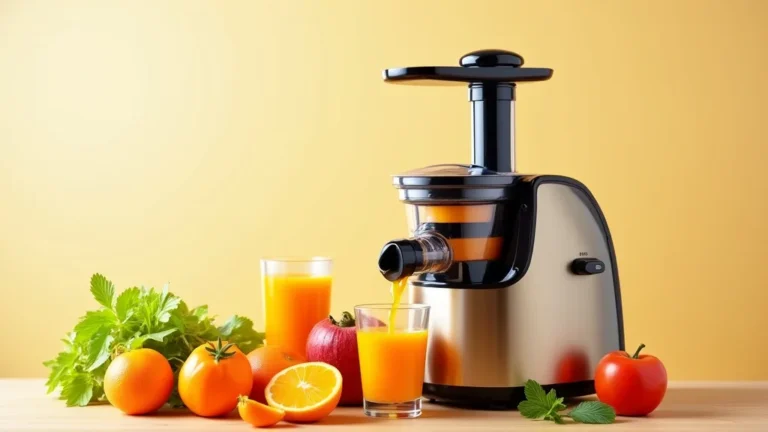
Cold press juicers might look like complex machines, but they’re made up of a few key parts that work together. Knowing these parts will help you use and care for your juicer correctly. From the auger that presses the produce, to the strainer that separates the juice from the pulp, each part plays a vital role. This design ensures that you get the most nutrient-rich juice possible.
- Auger: The auger is the heart of the cold press juicer. It’s a screw-like component that slowly crushes and presses the fruits and vegetables against a strainer. This process gently extracts the juice without generating much heat. The slow and deliberate crushing action helps to preserve the nutrients, enzymes, and vitamins found in the produce.
- Strainer: The strainer is usually made of a fine mesh and works to separate the juice from the pulp. It filters out solid particles, resulting in a smooth juice. Different strainers can be used to control the amount of pulp in your juice, giving you the ability to customize your drink.
- Motor: The motor powers the auger. Cold press juicers often have powerful motors, but they operate at low speeds. This is key to preventing heat build-up and preserving the integrity of the juice. The motor’s slow speed ensures that the juicing process is as gentle as possible.
- Chute: The chute is where you put the fruits and vegetables. It feeds the produce into the juicer. Some chutes are wide enough to fit whole fruits and vegetables, while others need you to cut them into smaller pieces. A wider chute means less preparation time.
- Juice Container and Pulp Container: These containers collect the juice and the leftover pulp, respectively. The juice container collects the freshly pressed juice ready for drinking, while the pulp container gathers the dry pulp that is a by-product of the juicing process.
The Juicing Process: Step-by-Step
The operation of a cold press juicer is generally straightforward, but following the proper steps is important to get the best results. From preparing your produce to cleaning up the machine, understanding the process ensures that you get the most out of your juicer. You can enjoy a nutritious and tasty drink every time.
- Prepare the Produce: Wash and chop your fruits and vegetables. While some cold press juicers have wide chutes that can accept whole produce, others will require you to cut ingredients into smaller pieces to prevent clogging and to assist with the juicing process.
- Turn on the Juicer: Make sure the juicer is assembled correctly. Then, turn it on, ready to begin juicing. Ensure all parts are secure before you start the machine.
- Feed the Produce: Slowly feed the prepared fruits and vegetables through the chute. Do not overfill the chute; adding ingredients slowly will help the auger to properly crush and press the produce.
- Collect the Juice: The juice will be collected in the juice container, while the pulp will be ejected into the pulp container. Watch as fresh, delicious juice flows into your glass.
- Turn Off and Clean: After you are done juicing, turn off the juicer and disassemble it for cleaning. Clean all the parts thoroughly after each use to prevent any residue build-up.
Benefits of Choosing a Cold Press Juicer
People choose cold press juicers for several great reasons. They are known for providing juice that is more nutritious, easier to digest, and better tasting. These juicers also offer benefits like less oxidation and extended shelf life, giving you the best possible juice. This section will explore the key advantages that make cold press juicers a good choice for people trying to improve their health.
More Nutrients and Enzymes Preserved
The main benefit of a cold press juicer is that it keeps the nutrients and enzymes of the fruits and vegetables. This is because the slow squeezing process generates very little heat. Heat can destroy these valuable compounds. When the juice stays cool, the vitamins, minerals, and enzymes remain intact. This means you’re getting the full benefits of the produce, which boosts your health and energy levels.
- Enzyme Retention: Enzymes are vital for digestion and other bodily functions. Because cold press juicers don’t heat the juice, these enzymes stay active and functional. Drinking juice full of live enzymes can improve digestion and nutrient absorption.
- Vitamin and Mineral Preservation: The slow juicing process minimizes the exposure to air and heat, helping to preserve vitamins and minerals. These nutrients are essential for overall health, and a cold press juicer ensures you receive the maximum benefit from each serving.
- Antioxidant Power: Antioxidants are important for protecting cells from damage. Cold press juicing preserves a higher level of antioxidants in the juice. Regularly drinking juice made with a cold press juicer can help protect your body from harm.
Enhanced Taste and Quality
The slow juicing process not only preserves nutrients but also improves the taste and quality of the juice. Cold press juicers produce juice that tastes cleaner and more vibrant. Because the juice is extracted gently, it tends to be less foamy and has a smoother texture. This can make it more enjoyable to drink and encourages people to consume more fruits and vegetables.
- Reduced Oxidation: Oxidation, which happens when juice is exposed to air, can make it lose its flavor and nutrients. Cold press juicers extract juice with less air exposure. This means the juice stays fresher for a longer time, and the flavor is more true to the original produce.
- Clearer Juice Texture: The process removes more of the pulp compared to other juicers. This produces a clear and smooth juice that is easier to drink. The cleaner texture makes it easier for your body to absorb nutrients.
- Superior Flavor Profile: The gentler extraction process often results in more flavorful juice. The flavors of fruits and vegetables are not altered by heat or oxidation. This means your juice will taste more delicious and true to the source ingredients.
Longer Shelf Life and Other Advantages
One of the best advantages of cold press juicers is that the juice they produce lasts longer. Because of the process, which minimizes air exposure and oxidation, juice made with these juicers can be stored for up to 72 hours. This is longer than juice from other types of juicers. This is perfect for those who like to prepare their juice in advance. Cold press juicers offer a range of other benefits, from versatility to the ability to handle various types of produce.
- Extended Freshness: The slower, gentle process leads to less oxidation, meaning the juice stays fresh longer. You can prepare large batches of juice and store it in the refrigerator for up to 72 hours without losing nutrients or flavor.
- Versatility: Cold press juicers can handle a wide variety of produce. This includes leafy greens, hard root vegetables, and fruits. You can make a broad range of juice recipes to meet your needs.
- Quiet Operation: Compared to centrifugal juicers, cold press juicers are usually much quieter. This is useful for morning juicing or when noise is a concern. The quiet operation makes it a good choice for apartments or homes.
Choosing the Best Cold Press Juicer for You
Picking the right cold press juicer involves considering a few things. You need to think about your lifestyle, how often you’ll be juicing, and the types of produce you want to use. You also need to think about the features that matter most to you. Knowing the options, how they work, and what they offer will help you to pick the best machine.
Types of Cold Press Juicers
There are two main types of cold press juicers: vertical and horizontal. Each type has its own strengths and is suited for different needs. Vertical juicers are popular for their compact design and ease of use, while horizontal juicers excel at processing leafy greens and tougher vegetables. Learning about these two types can help you decide which one is best for you.
- Vertical Cold Press Juicers: These juicers have a vertical design, which means the produce is fed from the top. They are known for their small footprint and often have wider chutes. This makes them easier to use and more suitable for quick juicing sessions. They are a good choice for busy people.
- Horizontal Cold Press Juicers: Horizontal juicers have a horizontal auger, and produce is fed into the side. They are usually great at processing leafy greens. They are generally slower, but more effective at extracting juice from tough vegetables and fibrous produce.
- Twin Gear Juicers: This type uses two gears that mesh together to crush and press the produce. Twin gear juicers give the highest juice yield. They are often more costly and are mostly preferred by experienced juicers.
Key Features to Consider
When selecting a cold press juicer, several key features should be considered to ensure it meets your needs. Look at the size of the chute, the ease of cleaning, and the overall quality of the build. The right features can make a big difference in how often you juice and the satisfaction you receive from the machine. Considering these features can guide you to the perfect juicer.
- Chute Size: The size of the chute determines how much preparation you have to do. A wide chute can accommodate whole fruits and vegetables, reducing the need for chopping. This can save a lot of time and effort.
- Ease of Cleaning: Cleaning a juicer can be a tedious job. Look for models that are easy to disassemble and have dishwasher-safe parts. Cleaning the juicer regularly helps to keep it in good condition.
- Motor Power: A powerful motor ensures the juicer can handle a variety of ingredients, including tough vegetables. A strong motor will reduce the chances of clogging and give you consistent results.
- Material Quality: The quality of the materials affects the juicer’s longevity and performance. Look for models made from BPA-free plastics and durable components. A well-built juicer will last longer.
- Noise Level: Juicers can be noisy. If you have to juice at certain times, consider the noise level of the juicer. Some models are designed to operate more quietly.
Budget and Brand Considerations
The cost of cold press juicers ranges from a few hundred dollars to over a thousand. The price often reflects the quality, features, and brand reputation. When budgeting, decide what features you need. Researching different brands and reading reviews can help you make an educated choice.
- Price Range: Cold press juicers are available at different price points. Decide how much you are prepared to spend and focus on models that fall within your budget. Keep in mind that a higher price doesn’t always mean better, and lower prices may not meet your needs.
- Brand Reputation: Research different brands to learn about their reputation for quality, durability, and customer service. Read reviews and compare models before making a choice. Established brands often offer better support and replacement parts.
- Warranty and Support: Consider the warranty offered by the manufacturer. A good warranty can provide protection. Check the availability of customer support and replacement parts. This is very important if the machine needs repair.
Tips for Getting the Best Results From Your Cold Press Juicer
To get the most out of your cold press juicer, there are a few simple steps to follow. From preparing your produce correctly to handling the machine, these tips will improve your juicing process. Following these tips ensures you get the best juice. With this advice, you can increase your juicing experience.
Produce Preparation and Juicing Techniques
The secret to great juice is in the way you prep the produce. Proper preparation is essential for efficient juicing and good results. Properly preparing your fruits and vegetables will make the process easier and improve the quality of your juice. From washing to the cutting of produce, these techniques will help you succeed.
- Wash Thoroughly: Always wash all fruits and vegetables before juicing to remove dirt, pesticides, and other residues. Use a produce brush for items with rough surfaces. Clean produce is important for hygiene and for juice that tastes great.
- Chop into Manageable Pieces: Cut produce into pieces that fit easily into the juicer’s chute. Small pieces help the juicer work better. This step avoids clogging and makes the juicing process smoother.
- Remove Large Pits and Thick Peels: Remove the pits from fruits like peaches and mangoes. Peel fruits with thick rinds, such as oranges and pineapples, as the rind can have a bitter taste and may not juice well.
- Alternate Soft and Hard Ingredients: Alternate between soft and hard produce to help the juicer work properly. This balances the pressure. For example, alternate between a soft fruit like a strawberry and a hard vegetable like a carrot.
- Use Leafy Greens Correctly: For leafy greens, roll them into a bundle. Feed them slowly into the juicer. Some juicers may require you to alternate leafy greens with other ingredients for best results.
Maintaining and Cleaning Your Juicer
Cleaning your juicer is important. Proper maintenance and cleaning can prevent residue build-up, and extend the life of your machine. Regular cleaning and care keep the juicer working efficiently, and help you get delicious juice. Following these maintenance tips can help you.
- Clean Immediately After Use: Clean the juicer immediately after juicing. This prevents the pulp and juice from drying and sticking to the parts. This makes cleaning much easier and quicker.
- Disassemble and Rinse Parts: Disassemble the juicer. Rinse all parts, including the auger, strainer, and other components. Running the parts under warm water helps remove residue.
- Use a Cleaning Brush: Use a cleaning brush, often provided with the juicer, to remove any remaining pulp from the strainer and other small parts. This ensures all the pieces are clean. This also prevents build-up and damage.
- Wash with Soap and Water: Wash all parts with warm, soapy water. Rinse them thoroughly to remove all traces of soap. Make sure to choose a mild dish soap to avoid damage to the components.
- Dry Thoroughly Before Reassembly: Before putting the juicer back together, ensure all parts are completely dry. This prevents mold and mildew. Proper drying helps in preserving the machine’s longevity.
Troubleshooting Common Issues
Even with the best juicers, you might encounter issues. If you know what to do when problems pop up, it can save you time and stress. This will help you keep your juicer running. These troubleshooting tips will help solve common problems.
- Clogging: If the juicer clogs, turn it off and reverse the auger to remove the blockage. Chop produce into smaller pieces or alternate between hard and soft ingredients to prevent this. Do not force produce through the chute.
- Low Juice Yield: If you’re not getting enough juice, make sure you’re using high-quality produce. Also, make sure the juicer is assembled correctly and that the strainer is not clogged. Use fresh produce, as it contains more juice.
- Excessive Pulp in the Juice: If the juice has too much pulp, make sure the strainer is properly installed and not damaged. You may need to use a finer strainer if available.
- Difficulty Juicing Leafy Greens: Roll leafy greens into a tight bundle before feeding them into the juicer. Alternate leafy greens with other ingredients to help the juicer process them. You can use less greens, too.
- Motor Overheating: If the motor overheats, turn the juicer off and let it cool down. Do not run the juicer for extended periods. Juicing in short intervals will help avoid overheating.
Frequently Asked Questions
Question: How is cold press juicing different from centrifugal juicing?
Answer: Cold press juicing uses a slow-moving auger to crush and press fruits and vegetables, while centrifugal juicing uses a fast-spinning blade and heat.
Question: Does cold press juicing preserve more nutrients?
Answer: Yes, because it generates less heat. Cold press juicing helps keep more vitamins, minerals, and enzymes intact.
Question: How long can I store cold-pressed juice?
Answer: You can store cold-pressed juice in the refrigerator for up to 72 hours, thanks to the reduced oxidation process.
Question: What types of produce can I use with a cold press juicer?
Answer: You can use a wide variety, including leafy greens, hard root vegetables, and fruits.
Question: Are cold press juicers hard to clean?
Answer: Many modern cold press juicers are designed to be easy to disassemble and clean. Look for models with dishwasher-safe parts for convenience.
Final Thoughts
We’ve talked about what is cold press juicer and how it works, and we have explored the key benefits. Cold press juicers are designed to help you get the most nutrients from your fruits and vegetables. They give juice that is packed with vitamins, minerals, and enzymes. This helps improve digestion and enhance overall health. With this information, you can get a better understanding of how the juicing process works and what to look for when choosing a juicer. Consider the types and features, like ease of cleaning and motor power, to find the best fit for your home. You’ll be on your way to enjoying healthier juices. Start juicing today and see the difference!

I’m Emma J. Caldwell, the founder, lead writer, and home-cooking enthusiast behind KitchenGuideCo.com. With a background in culinary arts and over a decade of cooking experience in both professional and personal kitchens, I created this platform to demystify recipes, offer smart kitchen gadget reviews, and guide readers through meal prep with confidence and clarity.