When Nadia renovated her kitchen, she had to choose between a gas range and an electric oven. Her friends recommended different options and every salesperson explained features she did not fully understand.
After weeks of searching, she discovered something called a dual fuel oven and realized it offered the balance she was looking for.
The idea of cooking with gas on the stovetop while baking with electric heat sounded perfect for her busy family routine.
She often struggled with uneven baking in her old oven and wanted more precision without losing fast stovetop control. Choosing the right appliance felt confusing until she learned how dual fuel technology works.
This guide explains what a dual fuel oven is, how it operates, and why many modern kitchens prefer it today. Whether you cook daily or only during special occasions, understanding the features helps you decide if it fits your needs.
By the end, you will know exactly how a dual fuel oven benefits cooking performance and long term kitchen planning.
Understanding What a Dual Fuel Oven Actually Means
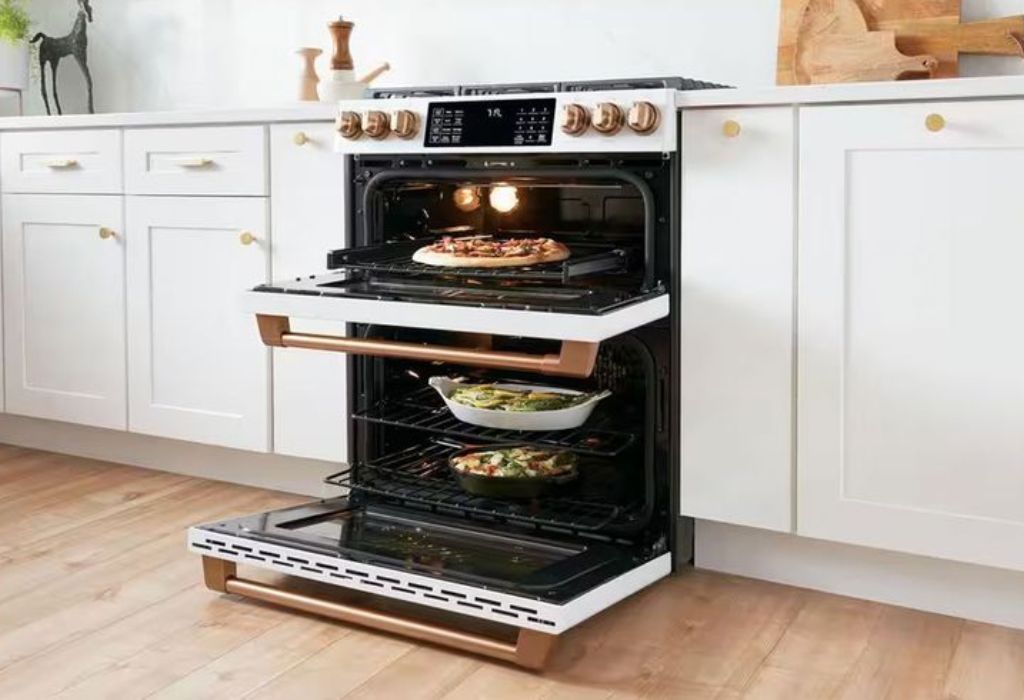
A dual fuel oven combines two different power sources in one appliance instead of using a single type of energy. The cooktop typically runs on gas while the oven cavity uses electric heating for baking and roasting.
This design gives users the responsiveness of gas flames with the precision of electric oven temperature control.
The term dual fuel does not mean the oven switches automatically between gas and electric settings.
Each part of the appliance uses a dedicated power source that operates independently during cooking. The combination enhances versatility and improves overall performance inside the kitchen.
Dual fuel models are popular among home cooks who want professional style results without installing commercial equipment.
The design balances speed and accuracy which helps reduce cooking mistakes and uneven heating. Understanding the meaning of dual fuel makes choosing appliances easier during kitchen upgrades.
How Dual Fuel Ovens Work Inside the Kitchen
The gas cooktop uses burners that allow instant heat adjustment which helps sear, boil, and simmer quickly. Flame control gives visual feedback so users can respond instantly when heat rises or drops unexpectedly.
This feature supports delicate cooking tasks that require continuous temperature changes during preparation.
Inside the oven cavity, electric elements distribute heat evenly around food without depending on open flames.
Electric heating maintains stable temperature which is especially useful for baking bread, pastries, and desserts. The system cycles heat smoothly to prevent sudden spikes that affect texture and cooking time.
Dual fuel ovens require both a gas connection and electrical supply to operate correctly inside the kitchen. The installation must follow safety standards to ensure proper ventilation and wiring compatibility.
Once connected, the appliance functions as a single unit that combines power sources efficiently during everyday use.
Does a dual fuel oven work if one power source is unavailable?
The cooktop or oven may not function if the required gas or electricity is disconnected.
Do dual fuel ovens switch between gas and electric automatically?
No, each part uses its own power source and operates independently.
Is a dual fuel oven better than a gas only model?
It depends on cooking needs because dual fuel offers precision and flexibility.
Can I use propane with a dual fuel oven?
Some models support conversion but require a compatible kit and proper installation.
Do all dual fuel ovens include convection features?
Not always because convection depends on the specific model and design.
Key Components and Power Sources Used in Dual Fuel Models
The gas cooktop includes sealed burners that control flame size through adjustable knobs on the surface. Modern designs often feature safety shutoff valves that stop gas flow if the flame goes out unexpectedly.
Different burner sizes help handle multiple tasks from rapid boiling to slow simmering during meal preparation.
Electric heating elements inside the oven provide consistent temperature for baking and roasting. Some models include both upper and lower elements that work together to maintain even heat distribution.
The thermostat monitors temperature changes and triggers the elements when heat drops below the selected setting.
Most dual fuel ovens require a dedicated electrical circuit due to higher power consumption. Installing the appliance without proper wiring may cause performance issues or trip circuit breakers frequently.
Understanding the electrical and gas components ensures safe and efficient operation throughout daily cooking.
Benefits of Using a Dual Fuel Oven for Home Cooking
A dual fuel oven provides precise oven temperature control which reduces baking failures caused by unstable heat.
Electric heat maintains even cooking conditions that help achieve consistent results across different recipes. Cakes and pastries rise more predictably when heat remains balanced throughout the cooking cycle.
The gas cooktop responds instantly to changes which supports better control during frying and sautéing.
Turning the flame lower immediately reduces heat without waiting for coils to cool down slowly. This feature prevents burning and offers flexibility for dishes that require fast temperature shifts.
Dual fuel ovens offer a professional style experience which makes them popular in modern home kitchens. They combine speed and accuracy which benefits households that cook frequently or entertain guests.
Understanding these advantages helps users decide if the investment matches their lifestyle and cooking preferences.
Why do bakers prefer electric ovens for baking?
Electric heat maintains stable temperature which supports even rising and browning.
Is a dual fuel oven more energy efficient?
Efficiency depends on usage because gas heats quickly while electric maintains precision.
Does a dual fuel oven cook faster than electric only?
The cooktop heats quickly but baking speed depends on oven design and insulation.
Are dual fuel ovens good for large families?
Yes, because they handle multiple cooking tasks with better control and consistency.
Do dual fuel ovens improve cooking results for beginners?
They provide more control which helps reduce mistakes but practice still matters.
Dual Fuel vs Gas and Electric Ovens Compared
Gas ovens heat using an open flame which creates moisture inside the cavity during cooking. This moisture helps prevent food from drying out but may cause uneven baking results.
Electric ovens rely on heating elements that maintain steady and predictable temperature throughout the cycle.
A dual fuel oven combines the strengths of both systems by offering gas on the cooktop and electric inside the oven.
This balance improves control for stovetop tasks like boiling and sautéing while ensuring even heat for baking. Users get fast flame response without sacrificing precise temperature management in the oven.
Choosing between the three depends on cooking habits and personal preference rather than a single advantage.
Gas only ranges work well for roasting and everyday meals but lack accuracy for delicate baking. Electric only ovens perform well for baked goods but heat adjustment on the stovetop is slower compared to gas.
Installation Requirements and Safety Considerations
A dual fuel oven requires both a working gas line and a dedicated electrical outlet for proper operation.
The electrical connection usually needs a higher voltage which must match the manufacturer’s recommendation. Installing without correct wiring may overload the circuit and interrupt oven performance during cooking.
Gas installation must be completed by a licensed professional to ensure leak free connection and proper ventilation.
Flexible gas hoses and shutoff valves are required to prevent hazards in case of emergency. Safety codes may vary depending on location which makes professional installation essential.
Positioning the oven correctly prevents heat buildup around nearby cabinets or walls during operation.
Adequate clearance ensures airflow and protects surrounding surfaces from long term heat exposure. Following installation guidelines keeps the appliance safe and efficient throughout daily use.
Can I install a dual fuel oven without a gas line?
No, a gas connection is required for the cooktop to function correctly.
Does a dual fuel oven need a special electrical outlet?
Yes, most models require a dedicated higher voltage circuit for safe operation.
Can I convert a gas only range into dual fuel?
Conversion is not possible because dual fuel requires different internal components.
Is ventilation necessary for dual fuel ovens?
Proper ventilation prevents heat buildup and improves long term safety.
Should installation be done by a professional?
Yes, both gas and electrical setup must follow safety regulations.
Cooking Performance for Baking, Roasting, and Everyday Use
Electric heat inside the oven distributes temperature more evenly which improves baking consistency.
Cakes and pastries rise uniformly because the heat does not fluctuate rapidly during cooking cycles. This stability reduces the risk of cracked surfaces or undercooked centers.
Gas cooktops offer instant flame control which helps manage simmering and boiling more precisely.
Turning the heat down immediately reduces flame intensity without waiting for coils to cool. This feature supports tasks like melting chocolate or preparing sauces that require gradual temperature changes.
Dual fuel ovens also perform well for roasting because the electric cavity maintains controlled heat throughout the cooking process.
The temperature stays steady which prevents meat from drying out or overcooking at the edges. Combining both power types enhances flexibility for a wide range of dishes prepared daily.
Common Problems and Maintenance Tips for Dual Fuel Ovens
Some users may experience uneven heat if the oven is not calibrated correctly after installation. Testing with an oven safe thermometer ensures the displayed temperature matches the actual internal reading. Regular calibration maintains accuracy for long term cooking performance.
Gas burners may become clogged with food debris which affects flame quality and heat control. Cleaning removable burner caps and checking ignition points helps restore proper function. Avoid using sharp tools that can damage protective coating around the burners.
Electrical components inside the oven require gentle cleaning to prevent residue from interfering with sensors. Wiping interior surfaces after cooking minimizes buildup that affects heat cycles. Simple maintenance habits keep the appliance functioning smoothly for years.
Why does my dual fuel oven heat unevenly?
Calibration issues or blocked airflow may cause temperature imbalance inside the cavity.
Can gas burners stop working over time?
Yes, debris or worn ignition parts can affect burner performance.
Do dual fuel ovens require more maintenance?
They need regular care but not more than standard gas or electric ovens.
Why does the oven temperature feel inaccurate?
Sensors may shift over time which requires calibration to correct.
Can I clean the burners with harsh chemicals?
Avoid strong cleaners because they may damage the burner coating.
Cost Factors and Whether Dual Fuel Is Worth It
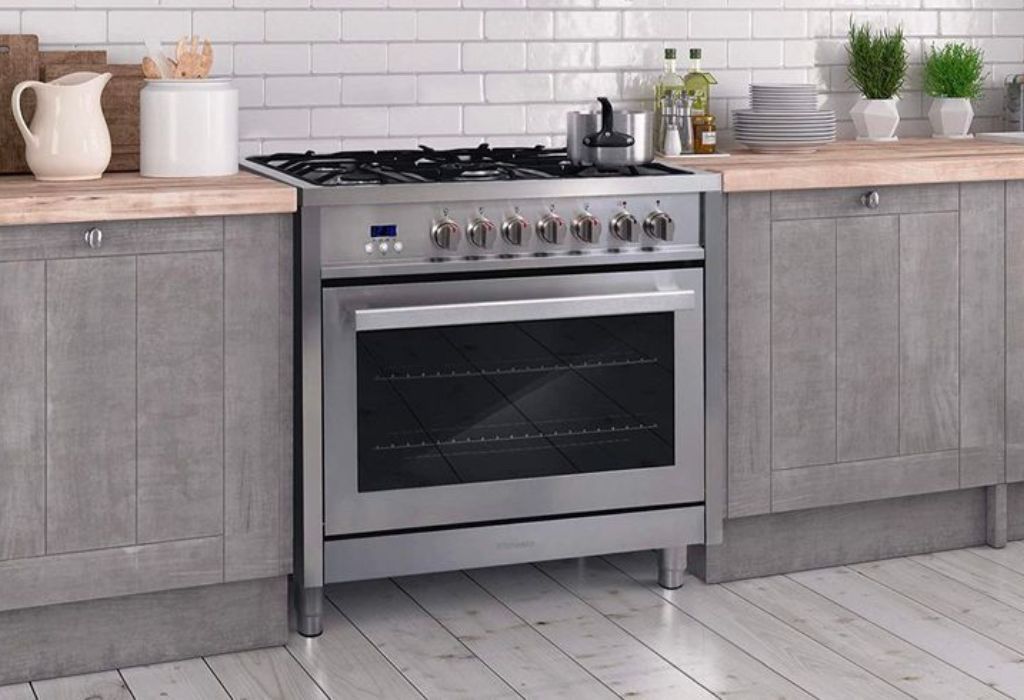
Dual fuel ovens often cost more than standard gas or electric models due to advanced features and construction.
The combination of two power systems increases manufacturing complexity and installation requirements. Higher price reflects improved performance rather than unnecessary design upgrades.
Operating costs vary depending on local gas and electricity rates in your area. Gas may be cheaper for stovetop use while electric baking consumes consistent power during longer cooking times. Evaluating both expenses helps estimate long term cost before purchasing.
For frequent home cooks or large families, the investment is often worth the increased control and convenience.
Occasional users may not notice a significant difference compared to standard ovens. Understanding lifestyle and cooking habits determines whether dual fuel offers real value.
How to Choose the Right Dual Fuel Oven for Your Kitchen
Measure available space carefully to ensure the oven fits between cabinets without modification. Standard sizes may vary depending on model design and cooktop configuration. Checking installation depth prevents the oven from extending beyond surrounding countertops.
Compare burner types and layout to match daily cooking preferences on the stovetop. Some models offer high powered burners that support rapid boiling and searing more effectively.
Others include simmer only burners that prevent food from sticking or burning during slow cooking.
Review oven capacity and features such as convection, self cleaning cycles, and temperature probes. Larger families may prefer double oven configurations for preparing multiple dishes at once. Selecting the right combination ensures the appliance supports long term kitchen needs.
Conclusion
A dual fuel oven combines gas and electric power to deliver flexible cooking performance in one appliance. The gas cooktop provides instant heat control while the electric oven ensures accurate and even temperature for baking.
Understanding how the system works helps users choose confidently during kitchen upgrades or renovations.
Installation requires both proper gas connection and electrical wiring to ensure safety and stable operation.
Regular maintenance and occasional calibration keep the appliance functioning efficiently over time. Comparing features, cost, and cooking habits helps determine whether dual fuel is the right choice.
With the correct setup, a dual fuel oven enhances everyday cooking and supports a wide range of recipes. Its balanced performance makes it a popular option among home cooks who want reliable and professional style results.

I’m Emma J. Caldwell, the founder, lead writer, and home-cooking enthusiast behind KitchenGuideCo.com. With a background in culinary arts and over a decade of cooking experience in both professional and personal kitchens, I created this platform to demystify recipes, offer smart kitchen gadget reviews, and guide readers through meal prep with confidence and clarity.