Forged aluminum cookware has become increasingly popular among home cooks and professional chefs alike. Many are drawn to its lightweight design, superior heat conductivity, and long-lasting durability.
Yet, questions often arise about its safety and performance. Can forged aluminum withstand daily cooking without warping or leaching metals? Understanding its benefits and limitations is key to making an informed choice.
The forging process makes this cookware stronger and denser than regular aluminum pans, enhancing heat distribution and minimizing hot spots.
According to Cook’s Illustrated, forged aluminum pans are up to 20% stronger and provide more even heat than standard aluminum cookware (cooksillustrated.com)
Beyond strength, forged aluminum offers professional-grade performance for a wide range of cooking techniques.
From searing and sautéing to roasting and braising, its quick responsiveness ensures precise temperature control and consistent results.
Properly maintained pans also resist warping and can last for decades, making them a worthwhile investment.
What Is Forged Aluminum Cookware?
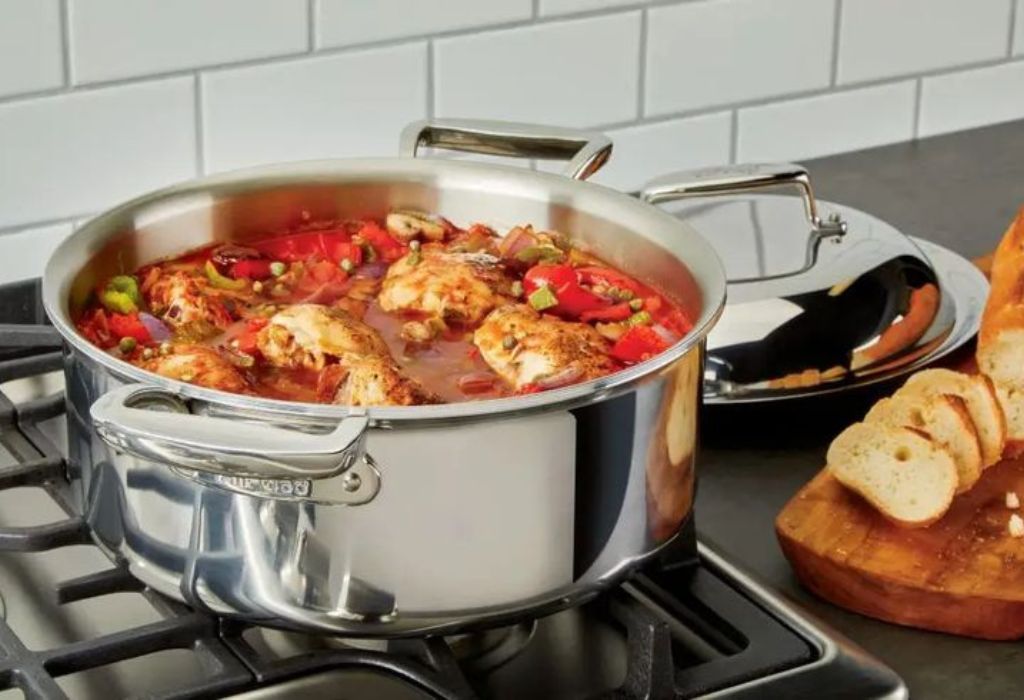
Forged aluminum cookware is crafted from solid aluminum blocks that are pressed and shaped under extreme pressure. This forging process increases the density and strength of the metal, making it more durable than standard cast or stamped aluminum pans.
Unlike traditional non-stick pans that rely on chemical coatings, forged aluminum offers a robust and long-lasting surface that can withstand high-heat cooking.
The forging process creates a uniform, dense structure that improves heat distribution and reduces hot spots. This allows food to cook evenly and efficiently, which is especially important for searing, sautéing, and other precise cooking techniques.
The lightweight nature of forged aluminum also makes it easier to handle than heavier cookware like cast iron, without sacrificing performance.
Most forged aluminum pans are treated with anodization or non-stick coatings to create a safe, non-reactive cooking surface. Anodized surfaces prevent aluminum from leaching into food and enhance scratch resistance.
Some pans come pre-coated or pre-seasoned, providing an immediate non-stick surface, while others require seasoning to develop optimal performance and protection against corrosion.
Forged aluminum cookware is highly versatile, compatible with gas, electric, and induction stovetops. Many designs are oven-safe, allowing for seamless stovetop-to-oven cooking.
Its lightweight design, combined with excellent heat conductivity and warp resistance, makes forged aluminum a preferred choice for both professional kitchens and home cooking enthusiasts.
Understanding the core properties of forged aluminum cookware—including its composition, forging process, and surface treatment—helps cooks make informed decisions.
With proper care and maintenance, forged aluminum pans can provide long-lasting, high-performance cooking results, making them a durable, safe, and versatile addition to any kitchen.
Is Forged Aluminum Cookware Safe for Daily Cooking?
Forged aluminum cookware is generally safe for everyday cooking when properly manufactured and maintained. High-quality forged aluminum pans are often anodized or coated to prevent aluminum from leaching into food, making them suitable for daily use.
Unlike older or untreated aluminum cookware, modern forged aluminum does not pose significant health risks when used correctly.
Anodization and non-stick coatings create a non-reactive surface that prevents chemical reactions with acidic or alkaline foods.
This ensures that flavors remain true and metals do not transfer into meals. According to LeafScore, anodized aluminum cookware is considered food-safe and free from harmful chemicals like PFOA and PTFE.
Forged aluminum pans also offer durability that contributes to safety. Their resistance to warping reduces the risk of uneven cooking, which can lead to undercooked food or hot spots that burn meals. Lightweight construction minimizes strain on handles and reduces the risk of accidents in the kitchen.
Proper care is essential for maintaining safety. Avoiding metal utensils, preventing overheating, and following manufacturer instructions for cleaning ensures that the non-stick or anodized surface remains intact.
Overheating or scratching the surface can compromise the coating, potentially exposing bare aluminum, which may react with acidic ingredients.
Overall, forged aluminum cookware provides a reliable, safe, and high-performance cooking surface suitable for daily meals.
With correct usage, handling, and maintenance, these pans can safely support a wide variety of cooking techniques, from high-heat searing to delicate sautéing, offering professional-grade performance in home kitchens.
Benefits of Forged Aluminum Cookware
Forged aluminum cookware offers a range of benefits that make it appealing to both home cooks and professional chefs. One of the most significant advantages is even heat distribution.
The dense, forged structure allows the pan to heat uniformly, minimizing hot spots and ensuring consistent cooking results for delicate and high-heat recipes alike.
Durability is another major benefit. Forged aluminum is stronger and more resistant to warping than standard aluminum or stamped pans.
With proper care, these pans can last for years, making them a cost-effective investment for kitchens where longevity and performance are priorities.
The lightweight design of forged aluminum is also a key advantage. Unlike heavy cast iron, these pans are easy to lift, maneuver, and store without sacrificing heat retention.
This makes them suitable for a wide variety of cooking techniques, including sautéing, searing, braising, and stir-frying.
Forged aluminum cookware is also versatile and professional-grade. Many pans are compatible with gas, electric, and induction stovetops, and they often withstand oven use, providing seamless stovetop-to-oven cooking options.
The anodized or coated surface ensures a non-reactive and food-safe cooking environment, making them suitable for acidic ingredients such as tomato sauces or citrus-based dishes.
Finally, maintenance and cleaning are easier than with traditional cast iron. While some care is required to preserve the non-stick or anodized surface, forged aluminum does not require seasoning and is generally more resistant to sticking than plain aluminum. With proper care, these pans maintain both their performance and aesthetic appeal over time.
Overall, forged aluminum cookware combines durability, heat conductivity, lightweight handling, and professional-grade versatility, making it an ideal choice for modern kitchens that value both performance and safety.
Potential Drawbacks and Limitations
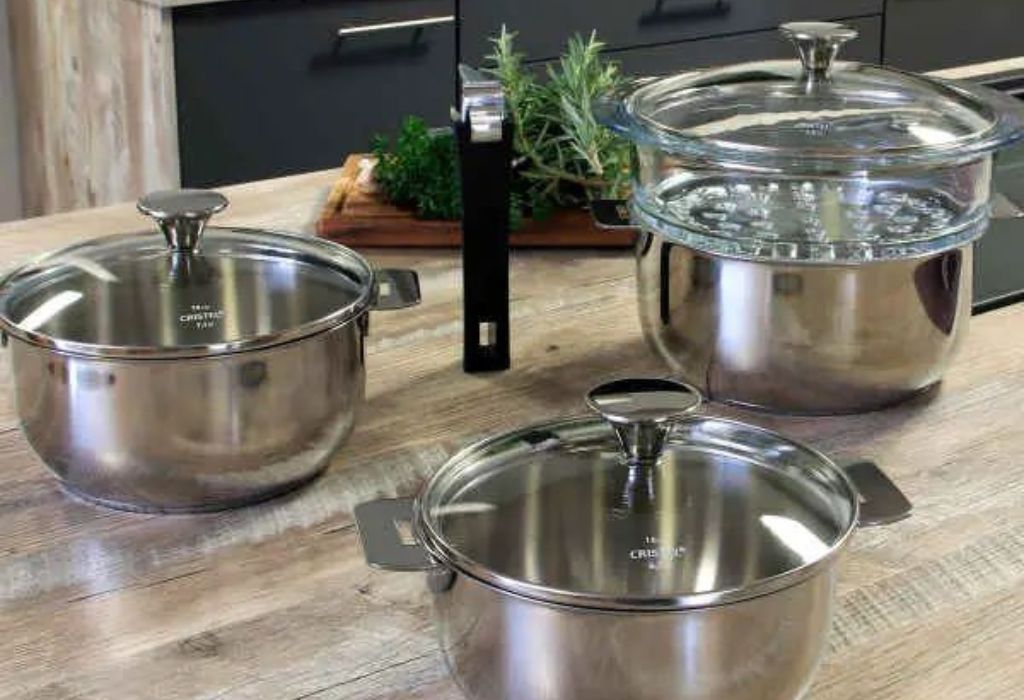
While forged aluminum cookware offers numerous advantages, there are some drawbacks and limitations to consider before purchasing.
One of the primary concerns is surface sensitivity. Anodized or non-stick coatings can be scratched or damaged by metal utensils, sharp objects, or abrasive cleaning tools, which may compromise the cookware’s performance and safety.
Another limitation is price. High-quality forged aluminum pans often cost more than standard aluminum or non-stick alternatives.
While the investment is justified by durability and performance, it may not fit all budgets, especially for home cooks seeking inexpensive cookware options.
Forged aluminum is also not naturally non-stick. Although coatings and anodized surfaces enhance food release, these pans still require proper use of oils or butter for cooking.
Overheating or improper cleaning can degrade coatings over time, reducing the non-stick properties and potentially exposing bare aluminum.
Maintenance is essential to ensure longevity. Improper care, such as using harsh detergents, soaking the pan for extended periods, or stacking without protection, can cause scratches, corrosion, or surface damage.
Following manufacturer instructions for cleaning and handling is crucial to preserve both performance and safety.
Finally, forged aluminum pans may react to extremely high heat if uncoated, potentially causing discoloration or minor warping.
Although forged aluminum is more warp-resistant than stamped or cast aluminum, it is not entirely immune to thermal stress. Gradual heating and careful temperature management are recommended to prevent damage.
Despite these limitations, the benefits of forged aluminum cookware—lightweight handling, even heat distribution, professional-grade performance, and durability—often outweigh the drawbacks.
Awareness of these potential issues allows cooks to maximize safety, performance, and longevity when using forged aluminum in daily cooking.
How to Choose the Right Forged Aluminum Cookware
Selecting the right forged aluminum cookware requires careful consideration of size, material, and intended use.
Start by evaluating the size and shape of the pans. Skillets, saucepans, sauté pans, and stockpots each serve different purposes, and choosing the appropriate size ensures optimal cooking performance and convenience.
Next, consider the surface treatment. Hard-anodized or non-stick coatings provide a durable, food-safe cooking surface that prevents sticking and enhances safety.
Some pans come pre-seasoned or pre-coated, while others allow for additional seasoning or oiling to maintain performance over time. Understanding the surface type helps home cooks avoid premature wear and ensures proper maintenance.
Brand reputation is another critical factor. Trusted manufacturers such as All-Clad, Calphalon, Cuisinart, and T-fal produce high-quality forged aluminum pans with consistent construction, reliable coatings, and warranties.
Purchasing from reputable brands minimizes the risk of inferior materials, uneven heat distribution, or coating failure.
Consider compatibility with stovetops and ovens. Forged aluminum pans are generally compatible with gas, electric, and induction stovetops, but checking specifications ensures safe and efficient use. Oven-safe designs allow seamless stovetop-to-oven cooking, increasing versatility.
Finally, assess price versus long-term value. High-quality forged aluminum cookware may have a higher upfront cost, but durability, heat conductivity, and professional-grade performance make it a worthwhile investment. Weighing initial expense against potential longevity and cooking efficiency ensures a practical and satisfying purchase.
By considering size, coating, brand, stovetop compatibility, and long-term value, home cooks can select forged aluminum cookware that meets their cooking needs. The right choice ensures safety, performance, and professional-grade results for years of consistent use.
Care, Cleaning, and Maintenance Tips
Proper care is essential to maintain the performance, safety, and longevity of forged aluminum cookware. Start with cleaning practices. Avoid abrasive sponges or harsh detergents that can damage anodized or non-stick surfaces.
Instead, use warm water with a soft cloth or non-abrasive brush to remove food residues while preserving the coating.
Thorough drying after each use is crucial to prevent corrosion or staining. Even anodized surfaces can develop discoloration if moisture remains on the pan.
Applying a thin layer of high-smoke-point oil after cleaning helps maintain the non-stick surface and extends the cookware’s lifespan.
Storage also plays a role in longevity. Avoid stacking pans directly on top of one another without protection, as this can scratch coatings or cause minor dents. Using protective layers, such as paper towels or cloths, between stacked pans preserves the anodized surface.
Routine inspection ensures the pan remains in optimal condition. Check for scratches, wear on coatings, or discoloration. Minor scratches can sometimes be restored by careful seasoning or applying a thin layer of oil, maintaining both performance and food safety.
Usage practices further protect forged aluminum cookware. Avoid sudden temperature changes, such as adding cold liquids to a hot pan, which can stress the metal and coatings.
Use wooden, silicone, or plastic utensils to prevent scratching the surface, and follow manufacturer guidelines for maximum heat limits.
By following these cleaning, drying, storage, and usage practices, home cooks can maximize the lifespan, durability, and safety of forged aluminum cookware.
Proper maintenance preserves the pan’s professional-grade performance and ensures a safe, food-friendly, non-stick cooking experience for daily use.
Comparing Forged Aluminum With Other Cookware Materials
Forged aluminum cookware occupies a unique position in the cookware spectrum, offering advantages over standard aluminum, stainless steel, and cast iron.
Unlike regular aluminum pans, forging creates a denser, stronger structure that enhances durability and heat conductivity. This ensures even cooking, minimizes hot spots, and reduces warping over time.
Compared to stainless steel, forged aluminum offers superior heat responsiveness and is significantly lighter. Stainless steel is durable and non-reactive but often requires higher oil usage to prevent sticking.
In contrast, anodized forged aluminum provides a non-reactive, lightweight surface with faster heating, making it ideal for precise cooking techniques like searing and stir-frying.
Cast iron excels at heat retention but is heavier and requires seasoning to maintain a non-stick surface.
Forged aluminum delivers professional-grade heat distribution and non-stick performance without the heavy weight, making it easier to handle for everyday cooking.
It also avoids the maintenance challenges of cast iron, such as rust prevention and frequent seasoning.
Non-stick coated pans offer ease of cleaning but often degrade over time, releasing potentially harmful chemicals if scratched or overheated.
Forged aluminum with anodized or ceramic coatings provides a safer, long-lasting non-stick surface, combining convenience, durability, and chemical-free cooking.
By understanding these differences, home cooks can make informed decisions about the cookware best suited to their kitchen.
Forged aluminum balances heat conductivity, durability, lightweight handling, and professional-grade performance, making it a versatile and safe choice for both home and commercial kitchens.
Its unique combination of properties ensures long-term reliability and superior cooking results across a wide range of dishes.
Long-Term Benefits of Forged Aluminum Cookware
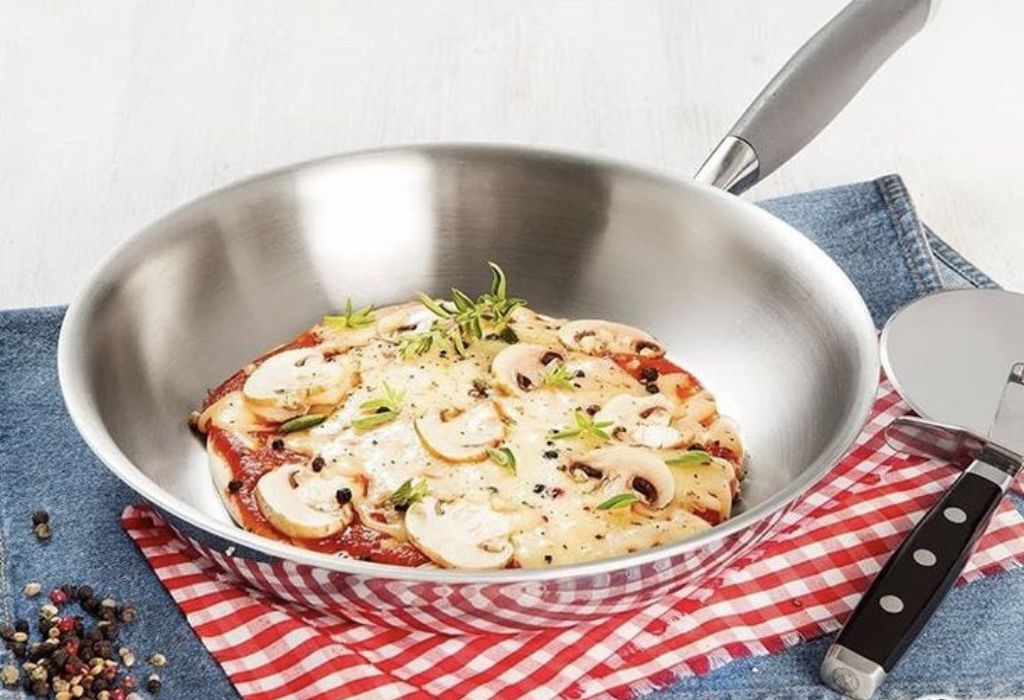
Forged aluminum cookware provides significant long-term advantages that make it a valuable investment for any kitchen. One of the most notable benefits is durability.
The forging process produces a dense, strong structure that resists warping, denting, and long-term wear.
With proper care, these pans can last for decades, offering consistent performance and saving money on frequent replacements.
Another long-term benefit is even heat distribution. Forged aluminum heats uniformly across the pan, eliminating hot spots and ensuring precise cooking for delicate or high-heat dishes.
This performance consistency is especially valuable for searing meats, sautéing vegetables, and preparing sauces that require precise temperature control.
Lightweight handling is a further advantage. Unlike cast iron or stainless steel pans, forged aluminum combines professional-grade heat retention with easy maneuverability.
Home cooks can lift, toss, and stir ingredients with minimal effort, reducing fatigue and enhancing kitchen efficiency.
Forged aluminum cookware also maintains food-safe, non-reactive surfaces over time. Anodized or coated pans prevent aluminum from leaching into food, ensuring safe daily use.
Many pans retain their non-stick properties and smooth surfaces for years, allowing for healthier cooking with less oil.
Finally, the versatility of forged aluminum supports a wide range of cooking techniques. From stovetop searing to oven roasting, these pans can adapt to multiple methods, offering both home cooks and professional chefs a reliable, high-performance tool.
The combination of durability, heat conductivity, lightweight design, and food safety makes forged aluminum a practical and long-lasting investment for kitchens seeking professional-grade performance without compromising convenience.
What is forged aluminum cookware?
Forged aluminum cookware is made by heating solid aluminum and shaping it under high pressure, creating thick, durable pans with excellent heat distribution and strength.
How is forged aluminum different from cast aluminum?
Cast aluminum is made by pouring molten metal into molds, while forged aluminum is compressed from a solid piece of metal. Forged cookware is denser, stronger, and more resistant to warping.
Is forged aluminum cookware safe for cooking?
Yes, it’s completely safe. Most forged aluminum cookware is anodized or coated with non-toxic, PFOA-free nonstick or ceramic finishes that prevent aluminum from leaching into food.
Why do chefs prefer forged aluminum cookware?
Because it heats up quickly and evenly, resists warping, and offers professional-quality performance for frying, sautéing, and everyday cooking.
Is forged aluminum cookware durable?
Yes, the forging process makes it tougher and longer-lasting than standard pressed or rolled aluminum pans. It can withstand frequent use and high heat without bending.
Does forged aluminum cookware work on induction cooktops?
Only if it has a magnetic stainless-steel base. Aluminum alone isn’t magnetic, so always check for induction compatibility before buying.
Is forged aluminum cookware nonstick?
Yes, most modern forged aluminum cookware includes a nonstick or ceramic coating, making it easy to clean and ideal for low-oil cooking.
Is forged aluminum cookware heavy?
It’s lighter than cast iron but heavier and more stable than standard aluminum pans, giving it a premium, balanced feel.
Is forged aluminum cookware dishwasher safe?
Some brands say yes, but hand-washing is recommended to protect the nonstick coating and extend the cookware’s life.
Why should I choose forged aluminum cookware?
It combines durability, even heating, and easy maintenance—making it a reliable, high-performance choice for home cooks and professionals alike.
Conclusion
Forged aluminum cookware is a versatile, durable, and professional-grade option for both home cooks and chefs. Its dense, forged structure provides excellent heat conductivity, even cooking, and resistance to warping.
Combined with anodized or coated surfaces, it offers a non-reactive, food-safe cooking environment suitable for a wide variety of recipes.
The lightweight design makes handling easier than heavier options like cast iron, while maintaining professional-grade performance.
Over time, properly cared-for forged aluminum pans retain their non-stick properties, durability, and smooth surfaces, ensuring long-term reliability in the kitchen.
Daily cooking is safe with forged aluminum cookware when used according to manufacturer guidelines.
Avoiding metal utensils, preventing overheating, and proper cleaning and storage preserve the coating and maintain a non-toxic, high-performance surface. This ensures that both safety and cooking efficiency are maintained over years of use.
Forged aluminum combines durability, lightweight handling, professional-grade heat distribution, and food-safe surfaces in one versatile package.
It is suitable for searing, sautéing, braising, stir-frying, and oven cooking, making it ideal for both everyday use and professional kitchens. Home cooks benefit from consistent results, reduced hot spots, and improved kitchen efficiency.
In summary, investing in forged aluminum cookware delivers long-lasting, safe, and high-performance cooking tools.
By selecting high-quality pans, following proper maintenance practices, and using them correctly, home cooks can enjoy professional-grade results while ensuring food safety and durability.
Forged aluminum cookware offers a reliable, versatile, and practical solution for modern kitchens, making it a worthwhile addition to any culinary collection.

I’m Emma J. Caldwell, the founder, lead writer, and home-cooking enthusiast behind KitchenGuideCo.com. With a background in culinary arts and over a decade of cooking experience in both professional and personal kitchens, I created this platform to demystify recipes, offer smart kitchen gadget reviews, and guide readers through meal prep with confidence and clarity.