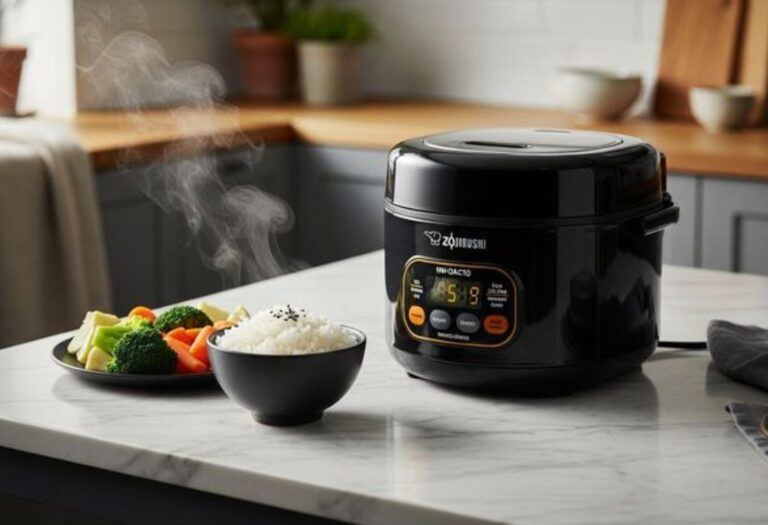
Figuring out what is fuzzy logic rice cooker can seem tricky at first. Many people find the tech talk confusing. Don’t worry, though! This guide will break it down in simple steps. We’ll explore exactly what these cookers do and why they’re so popular. You’ll learn the key benefits and how they change the way you cook. Ready to get started?
How Fuzzy Logic Revolutionizes Rice Cooking
Fuzzy logic in rice cookers is a clever system. It’s like having a tiny computer inside that learns and adjusts. This technology aims to make cooking perfect rice easier than ever before. Unlike basic rice cookers that simply turn on and off, fuzzy logic models adapt to the type and amount of rice and water. The rice cooker closely monitors temperature and other factors during the cooking process. It then modifies cooking times and heat levels to ensure your rice is cooked just right. This results in evenly cooked, fluffy rice every single time. It’s all about precision and consistency.
The Core Technology Behind Fuzzy Logic
The core technology involves sensors and a microcomputer. These components work together to analyze the cooking conditions. Temperature sensors constantly measure the heat within the cooker. Other sensors may monitor the amount of water and the rice type. The microcomputer then uses this data to make precise adjustments. It controls the heating element to regulate the temperature. This ensures that the rice cooks uniformly. The cooker manages different stages: preheating, boiling, steaming, and warming. Fuzzy logic allows the rice cooker to make dynamic adjustments. These adjustments lead to better results than fixed-setting cookers. This intelligent system sets a new standard for home cooking.
- Temperature Sensors: These are the eyes of the fuzzy logic system. They constantly monitor the internal temperature. These sensors provide vital information that the microcomputer uses. They feed data to determine the cooking phases. Without these, the cooker cannot adjust the heat to match the rice type and water.
- Microcomputer Processing: This is the brain. The microcomputer processes information from the sensors. It makes decisions about cooking times and heat levels. The microcomputer’s programmed “fuzzy rules” guide the cooking process. The algorithm adapts to maintain the perfect cooking conditions for the specific rice and water ratio.
- Heating Element Control: The heating element provides the energy that cooks the rice. The microcomputer controls the heating element. It varies the heat output. This is a critical factor for achieving the perfect cooking temperature. The precise temperature controls are what set fuzzy logic cookers apart.
- Adaptive Cooking Cycles: Fuzzy logic does not have fixed settings. It uses adaptive cooking cycles. These adjust in real time. The cooking phases vary based on sensor readings. This offers improved control over the cooking process. Each cycle is tailored to achieve optimal cooking. The adaptability is key to the system’s success.
Key Advantages of Fuzzy Logic Rice Cookers
Fuzzy logic rice cookers offer major advantages over traditional models. One key benefit is enhanced versatility. They often have multiple cooking modes. These settings are customized for different types of rice. You can cook white rice, brown rice, sushi rice, and even porridge. You just choose the appropriate setting. Then, the cooker takes care of the rest. Another important advantage is the ability to maintain the quality of the cooked rice. The precise temperature control minimizes the risk of burning or undercooking the rice. The result is consistently fluffy, flavorful rice. It elevates every meal.
- Improved Rice Quality: The cooking method helps retain the rice’s natural flavors and textures. It is key to enhancing the rice quality. Precise temperature control prevents scorching. The adaptive cooking cycles result in consistent results. The rice is tender, never mushy, with the perfect moisture content.
- Versatility in Cooking: The ability to handle various rice types adds convenience. Fuzzy logic rice cookers can cook any rice variety. They can also cook other grains and even steam vegetables. This versatile functionality streamlines meal preparation. They truly are all-in-one cooking solutions.
- Ease of Use: The user-friendly interface makes cooking simple. Most models come with preset cooking programs. These programs do the guesswork for you. You just need to select a mode. Then, the cooker handles the rest. This ease of use is a significant improvement over manual cooking methods.
- Energy Efficiency: The precise heating control helps save energy. Fuzzy logic rice cookers use less electricity. They automatically adjust the energy output to match the cooking needs. The design also keeps the rice warm without overcooking. This efficient system is eco-friendly.
Exploring the Different Cooking Modes
Fuzzy logic rice cookers provide a range of cooking modes to suit various needs. These preset options are tailored for different types of rice. There are also modes for other grains and foods. Each mode uses specific heat settings and timings to ensure optimal results. This flexibility lets you enjoy perfectly cooked rice for any meal. It’s all about making cooking easy and giving you delicious results.
Common Cooking Modes and Their Uses
Common cooking modes include settings for white rice, brown rice, and sushi rice. White rice mode is the most basic setting. It uses a standard cooking cycle for all white rice varieties. Brown rice mode uses a longer cooking cycle. This ensures that the tougher grains are fully cooked. Sushi rice mode adjusts the water-to-rice ratio and cooking time. This mode creates the perfect sticky texture for sushi rolls. Many fuzzy logic rice cookers also have a porridge mode and steam function. The porridge mode creates creamy, well-cooked porridge. The steaming function helps you to prepare vegetables and other side dishes.
- White Rice Mode: This mode is for all types of white rice. It is the most common setting. The cooker adjusts the heat level to provide fluffier, more consistent results. The program is quick and simple. It automatically starts cooking to provide perfect rice every time.
- Brown Rice Mode: Brown rice takes longer to cook than white rice. This mode uses a longer, slower cooking process. The result is tender, not chewy, brown rice. It helps unlock the nutrients. It is great for health-conscious users.
- Sushi Rice Mode: Sushi rice must have a sticky texture. The mode adjusts the water ratio and cooking time. This mode creates the right texture for sushi. The cooker ensures the rice is ideal for sushi rolls. It is ideal for home sushi making.
- Porridge Mode: This mode cooks porridge or congee. It uses a gentle, slow cooking process. It gives the porridge a creamy, smooth texture. It is a great option for a satisfying breakfast or a light meal.
- Quick Cook Mode: This mode reduces the cooking time. It is great when you are in a rush. The results are good but may not be as perfect as a standard cooking. The quick cook mode offers speed for those busy nights.
- Steam Function: Many rice cookers also have a steam function. It is a healthy way to cook vegetables, fish, and other foods. The steaming function lets you cook a complete meal in a single device. It is a convenient addition.
Adapting Settings for Different Rice Types
Adjusting the settings for different rice types is easy. Most fuzzy logic rice cookers have preset modes. You just choose the type of rice you’re cooking. If you’re using a specific type of rice not listed, you can adjust the settings manually. This might involve changing the cooking time or adjusting the water-to-rice ratio. The user manual provides guidance on how to make these adjustments. Experimenting with settings is a good idea. This allows you to find your ideal cooking method for various rice varieties. This simple process allows for perfection.
- Basmati Rice: Basmati rice requires a slightly different approach. Its long grains need a higher water-to-rice ratio. You might need to add a bit more water than the manual suggests. Also, use the white rice setting. This will lead to the best results.
- Jasmine Rice: Jasmine rice is a fragrant rice type. It needs a little less water than white rice. The white rice setting works best. The result is rice with a fantastic aroma and slightly sticky texture. The rice is ideal for Southeast Asian dishes.
- Wild Rice: Wild rice takes longer to cook than other types of rice. Use the brown rice setting for best results. It ensures that the tough outer layer becomes tender. The longer cooking process helps bring out the nutty flavor.
- Black Rice: Black rice, or forbidden rice, needs the brown rice setting. This allows it to cook properly. You may also need to add more water than the recipe recommends. The result is rich-flavored rice.
- Short-Grain Rice: This is a key ingredient in sushi. Use the sushi rice setting for this. You’ll get the perfect stickiness. This makes the rice ideal for sushi rolls.
Comparing Fuzzy Logic Rice Cookers to Other Types
Compared to other types of rice cookers, fuzzy logic models stand out. Basic rice cookers have a simple on-off switch. They lack the intelligence to adjust cooking parameters. They might produce rice that is sometimes undercooked or overcooked. In contrast, fuzzy logic cookers adapt to the cooking conditions. This delivers consistent, high-quality results. Pressure cookers offer quick cooking times. They are not always the best at getting the ideal texture for different rice varieties. The fuzzy logic system strikes a balance between speed and precision. This helps make it a top choice.
Fuzzy Logic vs. Standard Rice Cookers
Standard rice cookers are very simple to use. They usually have a single button. They are budget-friendly. However, they lack the sophisticated technology found in fuzzy logic models. Standard cookers are unable to adjust the cooking process. The rice can sometimes come out burnt or mushy. Fuzzy logic cookers are more expensive. They provide better control over the cooking process. They ensure the rice cooks perfectly every time. This is a very valuable feature. The choice depends on your needs and budget. For the best results, fuzzy logic is superior.
| Feature | Fuzzy Logic Rice Cookers | Standard Rice Cookers |
|---|---|---|
| Cooking Technology | Uses sensors and a microcomputer to adjust cooking parameters. | Simple on/off mechanism, no adjustments. |
| Rice Quality | Consistently produces fluffy, well-cooked rice. | Results can be inconsistent, with a risk of burning or undercooking. |
| Cooking Modes | Multiple modes for different types of rice and grains. | Limited to basic cooking of white rice. |
| Price | Typically more expensive. | More affordable. |
| Ease of Use | User-friendly, with preset programs. | Very simple to operate. |
| Versatility | Can cook a variety of rice types, grains, and some dishes. | Primarily designed for cooking white rice. |
Fuzzy Logic vs. Pressure Cookers
Pressure cookers cook rice very quickly by using high pressure and steam. The resulting rice can be cooked faster than with a fuzzy logic cooker. Pressure cookers often lack the versatility of fuzzy logic models. They might produce rice that is slightly overcooked or too mushy. Fuzzy logic cookers offer a more gentle cooking process. They maintain a balance between speed and quality. They work very well for various types of rice. They can also steam vegetables or cook other side dishes. Each type has its benefits. The best choice depends on what matters most to you. Pressure cookers are better for speed. Fuzzy logic is preferred for cooking quality.
- Cooking Speed: Pressure cookers cook rice much faster than fuzzy logic cookers.
- Texture of Rice: Fuzzy logic cookers often produce rice with a better texture. The results are much more consistent than pressure cookers.
- Ease of Use: Fuzzy logic cookers usually have more preset settings. This makes cooking easier.
- Versatility: Fuzzy logic cookers often have more cooking modes. They can cook different rice types.
- Price: Pressure cookers and fuzzy logic rice cookers are similarly priced. They are both more expensive than a basic rice cooker.
Maintaining and Caring for Your Fuzzy Logic Rice Cooker
Keeping your fuzzy logic rice cooker in good condition is easy. Regular cleaning keeps it working well. It extends the life of the appliance. Simple practices can help. Proper maintenance ensures that your cooker always produces excellent rice. A little care can go a long way. This includes cleaning the inner pot and other parts after each use. It also includes taking care of any accessories that come with the rice cooker. By following these tips, you’ll ensure your fuzzy logic rice cooker delivers perfect rice every time.
Cleaning Procedures
Cleaning your fuzzy logic rice cooker involves a few key steps. First, unplug the cooker and let it cool. Then, remove the inner pot. Wash it with warm, soapy water. Use a soft sponge. Never use abrasive cleaners, which can scratch the pot’s non-stick surface. Wipe the exterior of the cooker with a damp cloth. Also, pay attention to the lid. It often has a removable steam vent. This vent should be cleaned regularly to prevent steam buildup. Ensure that the heating plate is also free from debris. Regular cleaning is crucial for maintaining the quality and performance of your rice cooker.
- Unplug and Cool: Always unplug the rice cooker. Allow it to cool completely before cleaning. This prevents burns and ensures safety.
- Remove and Wash the Inner Pot: Wash the inner pot after each use. Use warm, soapy water and a soft sponge. Rinse thoroughly and dry completely.
- Clean the Lid and Steam Vent: The lid can be wiped with a damp cloth. Many lids have a removable steam vent. Clean this regularly to remove any food particles.
- Wipe the Exterior: Wipe the outside of the cooker with a damp cloth. This removes dust or splatters. This helps keep the appliance looking clean.
- Clean the Heating Plate: The heating plate sits at the bottom of the cooker. Wipe this area with a damp cloth to remove any debris. Keeping it clean ensures even heating.
Common Issues and Troubleshooting
Even the best appliances can have problems. Knowing how to fix common issues is important. Here are some solutions to typical problems you may encounter with your fuzzy logic rice cooker. If the rice is undercooked, check if the water-to-rice ratio is correct. Make sure the inner pot is making good contact with the heating plate. If the rice is overcooked or burnt, make sure you’re using the correct setting for your rice type. If the cooker is not turning on, check that it’s plugged in. Also, verify that the power outlet is working. Troubleshooting these simple issues helps you enjoy perfect rice every time.
- Undercooked Rice: If the rice is undercooked, check the water-to-rice ratio. Also, make sure the inner pot is correctly seated. Check for any damage to the heating element.
- Overcooked or Burnt Rice: If the rice is overcooked or burnt, select the right cooking mode. It is important to adjust the water-to-rice ratio. This ensures proper cooking times.
- Cooker Not Turning On: Make sure the cooker is plugged in. Test the outlet with another appliance. If the problem persists, check the power cord for damage.
- Unpleasant Odors: If the cooker has an unpleasant odor, clean the inner pot. Clean the steam vent regularly. Ensure no food particles remain.
- Steam Leaks: If steam is leaking, check the lid’s seal. Clean the steam vent. Make sure the inner pot is properly seated. This ensures a proper seal.
Frequently Asked Questions
Question: How does a fuzzy logic rice cooker know when the rice is cooked?
Answer: A fuzzy logic rice cooker uses sensors to monitor temperature and humidity. These sensors send data to a microcomputer. The microcomputer then uses “fuzzy rules” to adjust the cooking process in real time.
Question: Can I use a fuzzy logic rice cooker to cook other grains besides rice?
Answer: Yes, many fuzzy logic rice cookers have settings for different grains. You can often cook quinoa, oats, barley, and more.
Question: What’s the difference between the “quick cook” setting and the standard setting?
Answer: The quick cook setting reduces cooking time. The standard setting provides a more thorough and precise cooking process. Standard settings often give the best results.
Question: How do I prevent the rice from sticking to the bottom of the pot?
Answer: Use the correct water-to-rice ratio. Make sure the inner pot is clean and undamaged. The non-stick coating helps prevent sticking.
Question: Can I cook soup or stew in a fuzzy logic rice cooker?
Answer: Some models have settings for soup or stew. Be sure to check your cooker’s manual for specific instructions and limitations.
Final Thoughts
This guide has explored what is fuzzy logic rice cooker and how it makes a difference in your kitchen. We’ve seen that these cookers use smart technology to make perfect rice easy. With its ability to adjust settings automatically, this type of cooker takes the guesswork out of cooking. You can cook a variety of rice types, and the versatile modes make it simple. From learning about the internal mechanics to the best way to maintain your cooker, you now have the tools you need. So, explore and experiment with your rice cooker. Discover how easy it is to achieve perfect rice every time. Cooking can be a simple pleasure.

I’m Emma J. Caldwell, the founder, lead writer, and home-cooking enthusiast behind KitchenGuideCo.com. With a background in culinary arts and over a decade of cooking experience in both professional and personal kitchens, I created this platform to demystify recipes, offer smart kitchen gadget reviews, and guide readers through meal prep with confidence and clarity.