At some point, every oven owner faces the same frustrating reality. Layers of baked-on grease, food spills, and carbonized residue slowly coat the oven walls. Scrubbing becomes harder each time, chemical cleaners grow harsher, and cleaning day turns into an exhausting chore.
Many people reach a point where they wonder if there is a better way to restore an oven to a spotless condition without hours of manual labor.
This is where oven pyrolysis enters the conversation. Often referred to as pyrolytic self-cleaning, this advanced oven feature promises to burn away stubborn residue using extreme heat instead of chemical cleaners.
What remains after the process is a fine layer of ash that can be wiped away with minimal effort.
Yet many homeowners still ask critical questions. What exactly is oven pyrolysis. How does it work safely. Does it damage the oven. Does it consume a lot of electricity. And is it really worth using over traditional cleaning methods.
This guide answers all these questions in detail and explains everything about oven pyrolysis from both a technical and practical perspective.
What Is Oven Pyrolysis
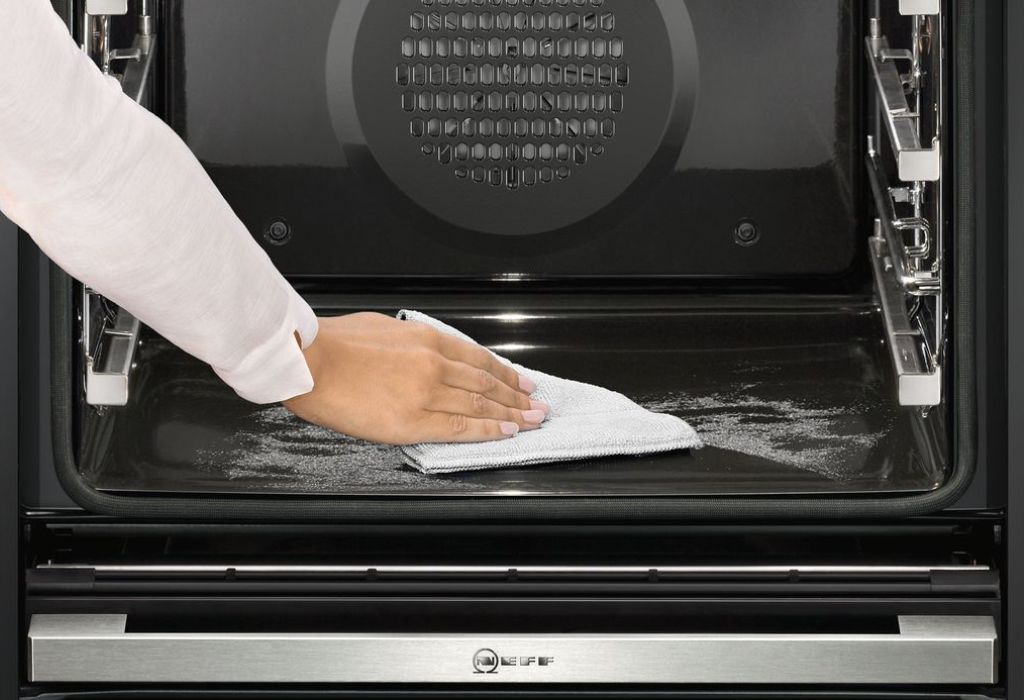
Oven pyrolysis is a self-cleaning process that uses extremely high heat to break down baked-on grease, food splatters, and carbon deposits inside the oven.
Instead of relying on chemical cleaners or manual scrubbing, the oven raises its internal temperature to a point where organic matter decomposes into ash.
During a pyrolytic cleaning cycle, the oven typically heats up to around 480 to 500 degrees Celsius.
At this temperature, fats, oils, sugars, and food residues are incinerated at a molecular level. Once the cycle completes and the oven cools, the remaining ash can be removed with a damp cloth.
Pyrolysis does not merely soften grime. It chemically transforms it through thermal decomposition. This is what distinguishes it from steam cleaning or detergent-based cleaning methods.
Pyrolytic ovens use reinforced insulation, special enamel coatings, and automatic safety locks to withstand and control the extreme temperatures involved in the process.
In modern kitchens, oven pyrolysis has become one of the most effective ways to maintain long-term cleanliness without harsh chemicals or heavy physical effort.
How Pyrolytic Oven Cleaning Works
Pyrolytic oven cleaning works through the controlled application of extreme heat inside a sealed oven chamber. Once the cleaning program is activated, the oven door automatically locks to prevent accidental opening.
The heating elements then raise the internal temperature gradually to the required pyrolytic level. This ramp-up phase prevents thermal shock to the oven components and ensures even heat distribution across all internal surfaces.
At peak temperature, organic residues undergo thermal decomposition. Grease converts into carbon particles, sugars break down into ash, and proteins disintegrate completely. No detergents or water are required during this phase.
Advanced temperature sensors monitor the internal environment continuously. If abnormal temperature fluctuations occur, the system automatically adjusts power output to maintain safety.
After the incineration stage, the oven enters a controlled cooling phase. Only after the internal temperature drops to a safe level does the door unlock. The user then wipes away the remaining ash with minimal effort.
Does the oven really burn all food residue during pyrolysis?
Yes, organic residue is converted into fine ash by extreme heat.
How hot does a pyrolytic oven get during cleaning?
It typically reaches around 480 to 500 degrees Celsius.
Can the oven door be opened during pyrolysis?
No, the door locks automatically for safety.
Does pyrolysis use water or chemicals?
No, it relies purely on heat.
How long does a pyrolytic cleaning cycle last?
Most cycles last between 1.5 to 3 hours depending on model.
Difference Between Pyrolytic and Traditional Oven Cleaning
Traditional oven cleaning relies on manual scrubbing, chemical degreasers, and sometimes steam to loosen grime. These methods require physical effort and repeated applications to remove heavily burned residue.
Pyrolytic cleaning eliminates manual labor almost entirely. Instead of dissolving grease, it destroys it through thermal decomposition. This makes it far more effective for deep carbon buildup that traditional cleaners struggle to remove.
Chemical cleaners often leave behind fumes and residue that must be rinsed thoroughly. Pyrolytic cleaning produces no chemical waste, only dry ash that can be wiped away easily.
Traditional cleaning methods also carry the risk of damaging enamel surfaces through abrasive scrubbing. Pyrolytic ovens use special heat-resistant coatings designed to withstand repeated cleaning cycles without surface degradation.
However, traditional cleaning consumes less electricity per session than pyrolysis. The trade-off is time, labor, and chemical exposure versus energy consumption.
Is Oven Pyrolysis Safe for Home Use
Oven pyrolysis is considered safe for home use when used according to the manufacturer’s guidelines. Pyrolytic ovens are engineered with advanced safety systems to manage extreme heat levels securely.
The automatic door locking mechanism prevents accidental opening when internal temperatures are dangerously high. Multi-layer insulation prevents excessive heat transfer to the outer oven surfaces and kitchen cabinets.
Thermal sensors constantly monitor the internal environment. If abnormal heat buildup is detected, the system can interrupt the cycle automatically to prevent damage or fire risk.
Proper installation and ventilation further enhance safety. While modern pyrolytic ovens are well-insulated, some residual heat and odor release during the cycle is normal. Adequate kitchen ventilation prevents discomfort.
Safety also depends on proper use. Removing large food debris before starting the cycle prevents excessive smoke and improves cleaning efficiency.
Can pyrolysis damage kitchen cabinets?
No, proper insulation protects surrounding surfaces.
Is there a fire risk during pyrolytic cleaning?
No, ovens are designed with fire safety systems and sensors.
Does the exterior of the oven get hot?
It becomes warm but not dangerously hot in modern models.
Is it safe to stay in the kitchen during pyrolysis?
Yes, but good ventilation is recommended.
Should oven racks be removed before pyrolysis?
In many models yes, unless they are pyrolysis-safe racks.
Benefits of Pyrolytic Oven Cleaning
The primary benefit of oven pyrolysis is effortless deep cleaning. Stubborn grease and baked-on spills that would normally require intense scrubbing are removed automatically during the cleaning cycle.
Chemical-free operation makes pyrolysis environmentally friendlier than traditional detergent-based cleaning. Users avoid exposure to fumes and residue from harsh oven cleaners.
Time savings are another major advantage. While the cycle itself runs for several hours, it requires no active involvement. Users can focus on other tasks while the oven cleans itself.
Pyrolytic cleaning also extends oven lifespan. By preventing the accumulation of corrosive grease and carbon deposits, internal metal and enamel surfaces experience less long-term degradation.
Consistent cleanliness improves cooking performance. Heat distributes more evenly in a clean oven, enhancing baking accuracy and energy efficiency.
Energy Consumption During Pyrolysis Cleaning
One of the most common concerns about oven pyrolysis is energy consumption. Pyrolytic cleaning operates at extremely high temperatures for an extended period, which naturally draws more electricity than normal baking or roasting.
During a single cleaning cycle, power usage can range from moderate to high depending on oven size, insulation quality, and the length of the selected program.
However, modern pyrolytic ovens are designed with optimized thermal insulation. This reduces heat loss and improves energy efficiency even at extreme temperatures. The better the insulation, the less energy is needed to maintain the required heat level.
Energy use also depends on how dirty the oven is. Light cleaning cycles consume less electricity than intensive deep-clean cycles. Many ovens offer multiple pyrolysis intensity levels so users can choose based on buildup severity.
Although the cycle consumes noticeable energy, it often replaces multiple manual cleaning sessions that also consume time, water, and chemical products.
In this broader context, pyrolysis can be considered a balanced energy trade-off for long-term convenience and hygiene.
Does pyrolysis significantly increase electricity bills?
It increases usage for that session, but overall cost remains manageable with occasional use.
Is energy consumption higher for large ovens?
Yes, larger oven chambers require more power to reach pyrolytic temperatures.
Can choosing a shorter pyrolysis cycle reduce energy use?
Yes, lighter cycles use less electricity.
Is pyrolysis more expensive than manual cleaning?
In energy cost alone, yes, but it saves time and cleaning products.
Does insulation quality affect pyrolysis power usage?
Yes, better insulation lowers overall energy demand.
What Happens to Grease and Food Residue in Pyrolysis
During pyrolytic cleaning, organic residue undergoes thermal decomposition. This means that grease, oils, sugars, proteins, and food particles break apart at the molecular level due to intense heat.
Grease melts first and then vaporizes before turning into carbon residue. Sugars caramelize and then disintegrate into ash. Proteins break down completely, losing their structure and transforming into fine particles.
The process leaves behind only a very thin, dry layer of ash. Unlike sticky grease or baked-on food, ash does not bond to surfaces. Once the oven cools, this ash can be wiped away easily using a damp cloth.
Non-organic materials do not break down the same way. Plastic utensils, rubber seals, or aluminum foil left inside the oven can melt or become damaged during pyrolysis. This is why removing all accessories before the cycle is essential.
The complete transformation of residue into ash is what makes pyrolysis so effective at restoring ovens to near-original cleanliness.
Maintenance After Using a Pyrolytic Cleaning Cycle
After a pyrolytic cleaning cycle finishes and the oven cools fully, light post-clean maintenance is required. The first step is wiping away the remaining ash with a soft, damp cloth. This usually takes only a few minutes.
The oven door glass should also be cleaned to remove fine ash particles. This keeps visibility clear and prevents residue from settling into seals.
Door seals must be inspected after cleaning. High heat can dry out gaskets over time. If cracks or stiffness appear, replacing the seal helps preserve heat retention and energy efficiency.
Vent openings should be checked for leftover dust or ash. Keeping these areas clear ensures strong airflow during both cooking and future pyrolytic cycles.
Regular light cleaning between pyrolysis sessions helps reduce how often full cycles are needed. This lowers energy use and minimizes component stress over time.
Do I need to scrub the oven after pyrolysis?
No, only light wiping of ash is required.
Should the oven be cleaned immediately after cooling?
Yes, it is easiest while fine ash is still loose.
Can pyrolysis damage oven door seals over time?
Repeated high heat may dry seals, so inspection is important.
Do vents need cleaning after pyrolysis?
Yes, light dust buildup should be removed.
Is it safe to use the oven immediately after wiping?
Yes, once it is fully cool and clean, it is ready for use.
Common Myths About Oven Pyrolysis
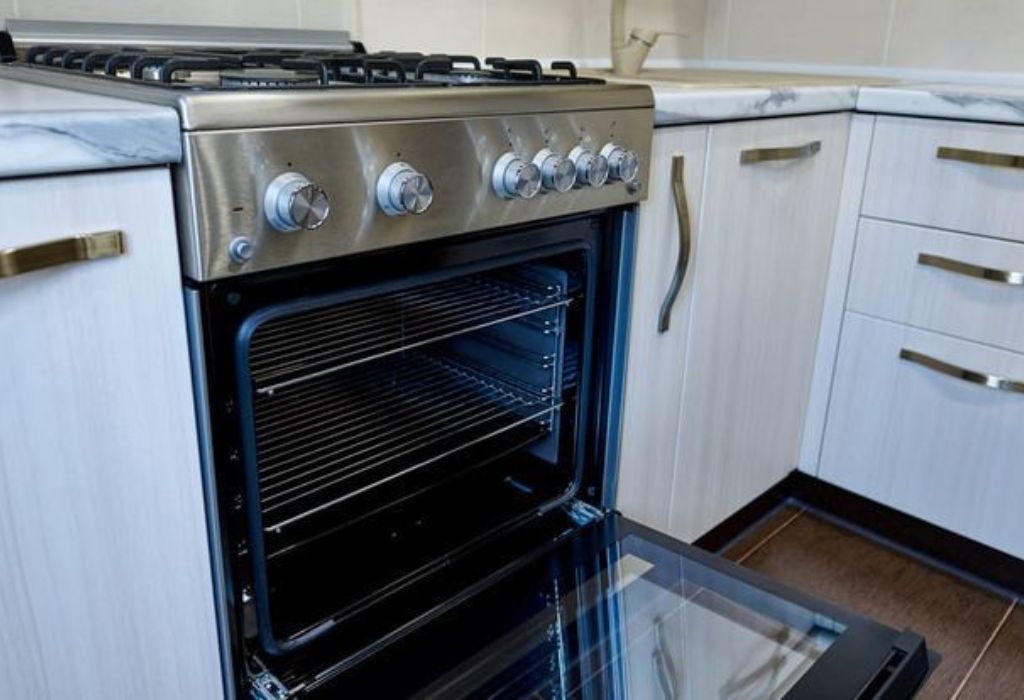
One common myth is that pyrolysis damages the oven interior. In reality, pyrolytic ovens are built with special enamel coatings that withstand repeated extreme heat without cracking or fading.
Another misconception is that pyrolysis causes dangerous fumes. While some odor is released as residue burns off, it is not toxic when proper ventilation is present.
Many people believe that pyrolysis replaces all cleaning forever. In truth, light wipe-down maintenance is still needed between cycles to prevent excessive buildup.
Some assume that pyrolysis shortens oven lifespan. When used occasionally and correctly, it actually extends longevity by preventing corrosive grease accumulation.
There is also a myth that pyrolytic ovens are only for luxury kitchens. Today, many mid-range ovens include pyrolytic cleaning as a standard feature.
How to Decide If a Pyrolytic Oven Is Right for You
Choosing a pyrolytic oven depends on lifestyle, cooking habits, and maintenance preferences. Households that cook frequently, especially with roasting and frying, benefit the most from automated deep cleaning.
People sensitive to chemical cleaners often prefer pyrolysis because it eliminates the need for aggressive degreasers. This makes it appealing for health-conscious users.
Busy families also benefit from the time savings. Instead of scheduling long scrubbing sessions, the oven cleans itself while other tasks continue normally.
Older homes with limited ventilation should consider airflow capacity before frequent use. While safe, proper ventilation improves comfort during cleaning.
The upfront cost of pyrolytic ovens is usually higher than standard models. However, the long-term convenience, reduced maintenance effort, and extended appliance life often justify the investment.
Conclusion
Oven pyrolysis represents one of the most advanced cleaning technologies available in modern kitchens.
Instead of relying on harsh chemicals or exhausting scrubbing, it uses controlled extreme heat to transform stubborn grease and food residue into harmless ash. This process delivers deep, consistent cleaning with minimal physical effort.
Pyrolytic ovens are designed with multiple safety systems, including automatic door locks, reinforced insulation, and continuous temperature monitoring. When used correctly, pyrolysis is both safe and highly effective for home kitchens.
Although the cleaning cycle consumes noticeable energy, it replaces repeated manual cleaning sessions and reduces the need for strong chemical cleaners. Over time, this creates a practical balance between energy use, hygiene, and convenience.
Post-clean maintenance remains simple. A light ash wipe, door seal inspection, and vent check preserve oven performance and extend appliance lifespan.
For households that cook often, seek chemical-free cleaning, and value long-term convenience, oven pyrolysis offers a powerful solution.
Understanding how it works and how to use it properly empowers users to maintain cleaner ovens, better cooking performance, and a healthier kitchen environment.

I’m Emma J. Caldwell, the founder, lead writer, and home-cooking enthusiast behind KitchenGuideCo.com. With a background in culinary arts and over a decade of cooking experience in both professional and personal kitchens, I created this platform to demystify recipes, offer smart kitchen gadget reviews, and guide readers through meal prep with confidence and clarity.