Cooking a perfect meal often starts with the right cookware. Yet, many home chefs overlook the materials that make their pans and pots effective.
PTFE, commonly known as Teflon, has become a staple in kitchens worldwide for its non-stick properties. But what exactly is PTFE in cookware, and is it safe for daily use?
Food sticking to pans is a universal kitchen frustration. PTFE-coated cookware promises an easy solution, allowing meals to glide effortlessly off the surface. This convenience reduces cleaning time and makes cooking healthier, as less oil or butter is needed.
According to the U.S. Food and Drug Administration, PTFE is considered safe when used according to manufacturer instructions, providing peace of mind for millions of households. Source
Curiosity about chemicals in everyday products has grown significantly. Many people worry about the potential risks of synthetic coatings, particularly when exposed to high heat.
Studies have shown that overheating PTFE-coated pans can release fumes that are harmful to humans and pets, highlighting the importance of safe cooking practices. Source
Beyond safety, understanding PTFE helps cooks make informed choices about the longevity and performance of their cookware.
Proper usage preserves the coating and ensures even heat distribution, allowing dishes to cook evenly and enhancing the overall kitchen experience.
By learning what PTFE is, its benefits, and potential risks, readers can select cookware that balances convenience, safety, and durability.
What Is PTFE?
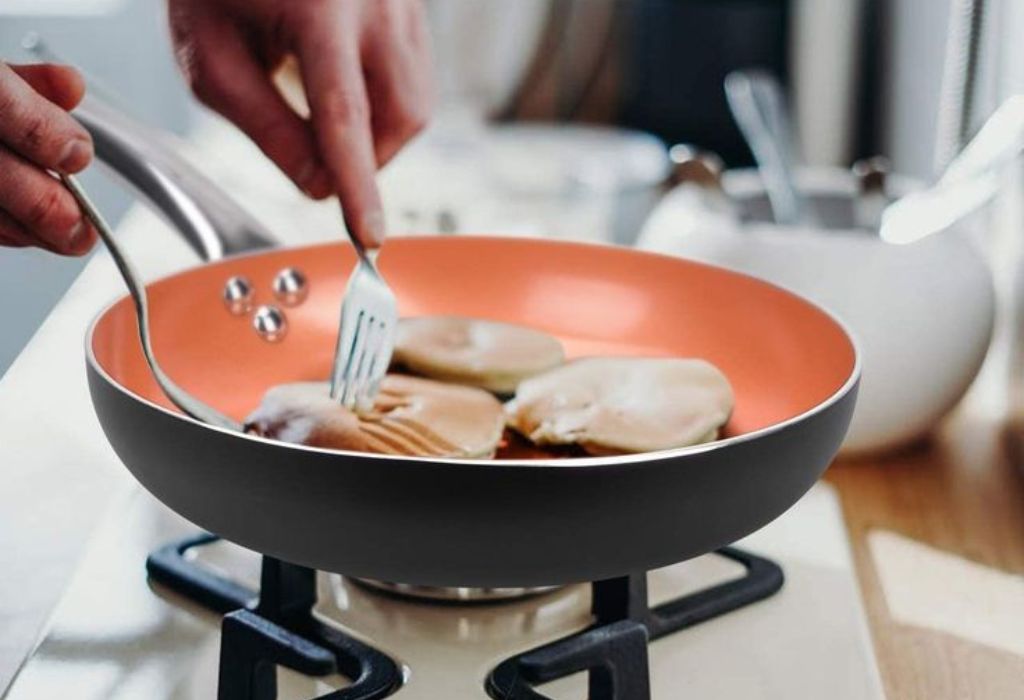
Polytetrafluoroethylene, or PTFE, is a synthetic polymer widely used in non-stick cookware. Its chemical structure consists of carbon and fluorine atoms, forming strong bonds that repel water, oil, and food particles.
First discovered in 1938 by chemist Roy Plunkett, PTFE revolutionized kitchen technology. Its unique properties allow food to cook evenly without sticking, making it a favorite for home cooks and professional chefs alike.
PTFE coatings are commonly applied to aluminum, stainless steel, and other metal pans. These coatings create a smooth, durable layer that significantly reduces friction, simplifying both cooking and cleaning tasks.
What does PTFE stand for?
Polytetrafluoroethylene, a polymer known for its non-stick and heat-resistant properties.
Is PTFE the same as Teflon?
Yes, Teflon is the brand name for PTFE coatings used in cookware.
What makes PTFE non-stick?
Its molecular structure repels water and oils, preventing food from adhering to the surface.
Can PTFE withstand high heat?
PTFE is heat-resistant up to 260°C (500°F); temperatures above this can degrade the coating.
Which cookware types use PTFE coatings?
It is commonly applied to frying pans, saucepans, and bakeware made from aluminum or stainless steel.
PTFE’s popularity stems from its ease of use, low-fat cooking potential, and long-lasting performance. Understanding its chemistry and proper applications allows cooks to maximize its benefits while maintaining safety.
How PTFE Coatings Are Made
PTFE coatings are applied using advanced industrial processes to ensure durability, smoothness, and non-stick performance. The base material, often aluminum or stainless steel, is prepared by cleaning and roughening the surface to enhance adhesion.
A PTFE-based liquid or powder is then sprayed, rolled, or electrostatically applied to the cookware. Multiple layers are usually applied, including a primer, base coat, and topcoat, each contributing to the coating’s overall strength and non-stick properties.
The coated cookware is then baked at high temperatures to cure the PTFE, forming a hard, resilient surface. This curing process ensures that the coating bonds securely to the metal, making it resistant to flaking or peeling during normal use.
Manufacturers may add fillers or additives to improve scratch resistance, durability, or heat tolerance. Some high-end cookware incorporates reinforced PTFE with ceramic particles, enhancing longevity and performance.
Quality control is critical in PTFE production. Each batch is tested for adhesion, thickness, and smoothness to guarantee consistent performance. Regulatory standards ensure that coatings meet safety guidelines and are free from harmful contaminants.
By understanding how PTFE coatings are made, consumers can appreciate the science behind non-stick technology. This knowledge also highlights why proper care, such as avoiding high heat and using appropriate utensils, is essential for maintaining the integrity of the cookware over time.
Benefits of PTFE in Cookware
PTFE-coated cookware offers several advantages that make it a staple in modern kitchens. Its primary appeal lies in the non-stick surface, which allows food to cook evenly without sticking or burning.
This non-stick property also promotes healthier cooking. Less oil or butter is required, which helps reduce overall fat intake while preserving the flavors and nutrients in meals.
Durability is another key benefit. With proper care, PTFE-coated cookware can last for years, maintaining performance and appearance while resisting scratches and wear.
Cleaning is simpler and faster due to the smooth surface. Food residue easily slides off, reducing the need for harsh scrubbing or abrasive cleaning tools.
Why is PTFE non-stick beneficial?
It prevents food from sticking, making cooking and cleaning much easier.
Can PTFE reduce cooking oil usage?
Yes, its non-stick surface allows for low-fat cooking with minimal oil or butter.
How durable is PTFE cookware?
With proper use, PTFE-coated pans can last for many years without losing effectiveness.
Does PTFE affect cooking performance?
No, it ensures even heat distribution for consistent cooking results.
Is cleaning PTFE cookware easier than traditional pans?
Yes, food slides off easily, requiring less effort and gentle cleaning tools.
PTFE’s benefits make it an attractive option for both everyday meals and special recipes. Understanding these advantages helps home cooks choose cookware that improves efficiency, enhances safety, and supports healthier cooking habits.
Safety Considerations
While PTFE offers convenience and durability, safety is a key concern for many cooks. Using cookware above recommended temperatures can release fumes that may cause flu-like symptoms in humans and be harmful to birds.
Overheating typically occurs when pans are left empty on high heat or used on maximum stove settings. Following manufacturer instructions and monitoring cooking temperatures significantly reduces any risks.
Regulatory authorities, including the U.S. Food and Drug Administration and the European Food Safety Authority, consider PTFE-coated cookware safe when used properly. These guidelines emphasize correct heat limits and utensil choices to preserve the coating and protect health.
What happens if PTFE overheats?
Fumes may be released, which can cause temporary flu-like symptoms in humans and be harmful to pet birds.
Is PTFE toxic at normal cooking temperatures?
No, PTFE is considered safe when used below 260°C (500°F) as per FDA guidelines.
How can overheating be prevented?
Avoid preheating empty pans and cook on low to medium heat settings.
Are there regulations for PTFE cookware?
Yes, the FDA and European Food Safety Authority provide safety standards for PTFE-coated cookware.
Which utensils are safe to use with PTFE pans?
Wooden, silicone, or plastic utensils are recommended to avoid scratching the coating.
Understanding PTFE safety helps home cooks enjoy its benefits without compromising health. Proper usage, maintenance, and awareness of temperature limits ensure both longevity of the cookware and safe cooking practices.
Common Misconceptions About PTFE in Cookware
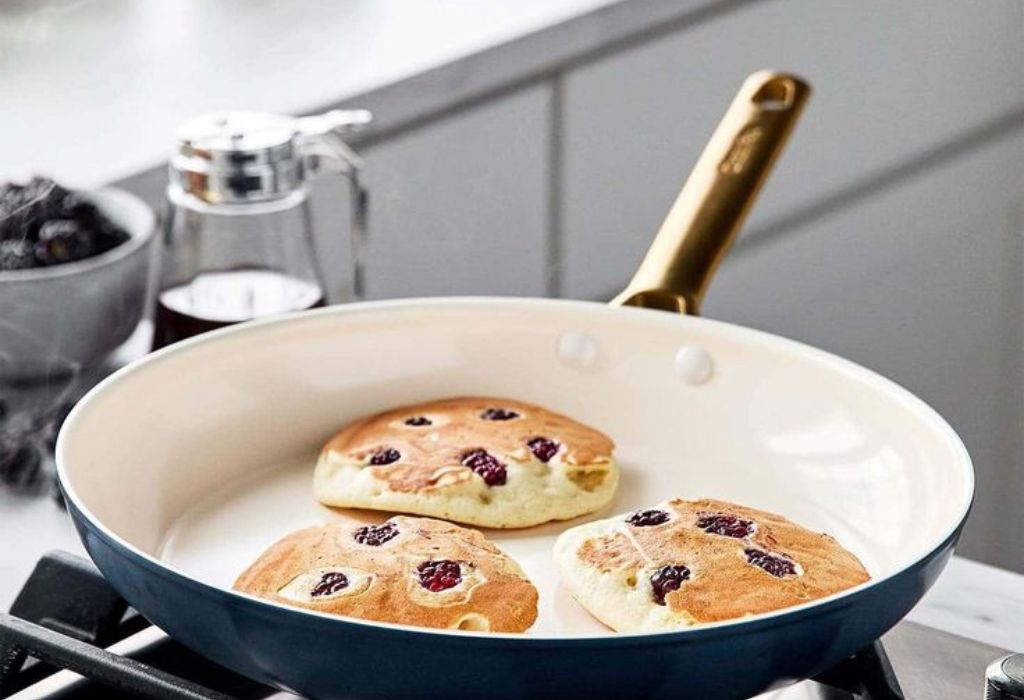
Many people have misconceptions about PTFE-coated cookware, often associating it with toxicity or dangerous chemicals.
While PTFE contains synthetic polymers, scientific studies confirm that it is safe when used according to the manufacturer’s instructions. The fears largely stem from high-heat degradation, which is avoidable with proper handling.
Some believe PTFE coatings wear off quickly or release harmful chemicals during regular cooking.
In reality, PTFE is highly stable at normal cooking temperatures and only begins to break down above 260°C (500°F). Proper care, such as avoiding metal utensils and not preheating empty pans, ensures longevity.
Another misconception is that all non-stick coatings are identical. PTFE differs significantly from ceramic or other non-stick alternatives in terms of heat resistance, durability, and performance. Consumers often confuse these materials, leading to unnecessary worry or poor purchasing decisions.
Some worry that cooking with PTFE reduces the nutritional value of food. On the contrary, PTFE can support healthier cooking by reducing oil usage, retaining nutrients, and preventing food from burning. Its smooth surface allows even heat distribution, contributing to consistent results without overcooking.
Finally, people sometimes assume PTFE is outdated or being phased out. While interest in alternatives like PFAS-free and ceramic cookware is growing, PTFE remains popular due to its proven performance and ease of use.
Understanding these misconceptions helps readers make informed decisions, separate facts from myths, and confidently use PTFE-coated cookware in daily meals.
How to Use PTFE-Coated Cookware Safely
Proper usage is essential to maximize PTFE’s benefits and ensure safety. Cooking at moderate temperatures and handling the cookware carefully prevents damage to the coating and reduces health risks.
Avoiding high heat, using appropriate utensils, and maintaining the surface properly helps the cookware last longer. Following these guidelines allows safe, efficient, and enjoyable cooking experiences.
What heat level is safe for PTFE cookware?
Low to medium heat is recommended, keeping temperatures below 260°C (500°F).
Can metal utensils be used on PTFE pans?
No, metal utensils can scratch and damage the non-stick coating.
How should PTFE cookware be cleaned?
Use soft sponges or cloths with mild detergent; avoid abrasive scrubbers.
Is it safe to preheat an empty PTFE pan?
No, preheating empty pans can quickly raise temperatures and damage the coating.
How often should PTFE cookware be inspected?
Regularly check for scratches, peeling, or signs of wear to ensure safe use.
Proper handling and maintenance extend the life of PTFE cookware while keeping cooking safe. Following these safety measures allows home cooks to enjoy the convenience of non-stick cooking without compromising health.
Maintenance Tips for PTFE Cookware
Maintaining PTFE-coated cookware is essential for longevity and safety. Avoid using metal utensils, as they can scratch or damage the coating. Wooden, silicone, or plastic utensils are recommended.
Cleaning should be gentle, using non-abrasive sponges or cloths and mild detergents. Harsh scrubbers or scouring pads can wear down the surface, reducing its non-stick performance.
Avoid preheating empty pans or cooking at maximum heat, as this can degrade the coating over time. Moderate cooking temperatures prolong the life of the PTFE layer and prevent potential fume release.
Store cookware carefully to prevent scratches. Stack with protective layers, or hang pans when possible. Inspect regularly for peeling or damage, and replace if the coating is compromised.
Proper maintenance ensures that PTFE-coated cookware continues to deliver non-stick performance, supports healthier cooking, and remains safe for daily use. Consistent care enhances both durability and efficiency in the kitchen.
Alternatives to PTFE-Coated Cookware
For those concerned about chemicals or high-heat cooking, several non-PTFE options are available. These alternatives offer non-stick performance, durability, or natural cooking surfaces without relying on synthetic coatings.
Choosing the right alternative depends on cooking habits, maintenance preferences, and health considerations. Each material has unique benefits and limitations that should be understood before purchase.
What is ceramic-coated cookware?
Cookware with a non-stick ceramic layer that is free from PTFE and PFAS chemicals.
How does cast iron compare to PTFE pans?
When properly seasoned, cast iron provides a natural non-stick surface and excellent heat retention.
Is stainless steel a good alternative?
Yes, stainless steel is durable, non-reactive, and safe for high-heat cooking, though it is not naturally non-stick.
Are PFAS-free options available?
Yes, some ceramic and metal pans are marketed as completely PFAS-free for safer cooking.
Do alternatives require special care?
Some, like cast iron, require seasoning, while ceramic and stainless steel need careful cleaning to maintain performance.
Exploring alternatives allows cooks to balance convenience, safety, and cooking style. Each option provides unique advantages, helping readers make informed decisions for healthier and more sustainable kitchen practices.
Comparing PTFE with Other Non-Stick Coatings
PTFE is not the only option for non-stick cookware. Ceramic, silicone, and anodized aluminum are popular alternatives, each with unique advantages and drawbacks. Understanding the differences helps consumers select the right material for their cooking style.
Ceramic coatings are free from PTFE and PFAS, appealing to those seeking chemical-free options. However, they may be less durable over time, especially under frequent high-heat cooking.
Silicone-based non-stick coatings are often used in bakeware and utensils. They are heat-resistant and flexible but typically cannot handle direct stovetop heat.
Anodized aluminum provides a naturally hard surface that resists sticking and scratching. While durable, it often requires oil or fat for optimal non-stick performance, unlike PTFE’s smooth, slick surface.
PTFE remains advantageous due to its superior non-stick performance, low-fat cooking support, and long-lasting coating when properly cared for. Comparing coatings allows readers to weigh safety, performance, maintenance, and cost factors before choosing the best cookware for their kitchen.
Environmental Impact of PTFE Cookware
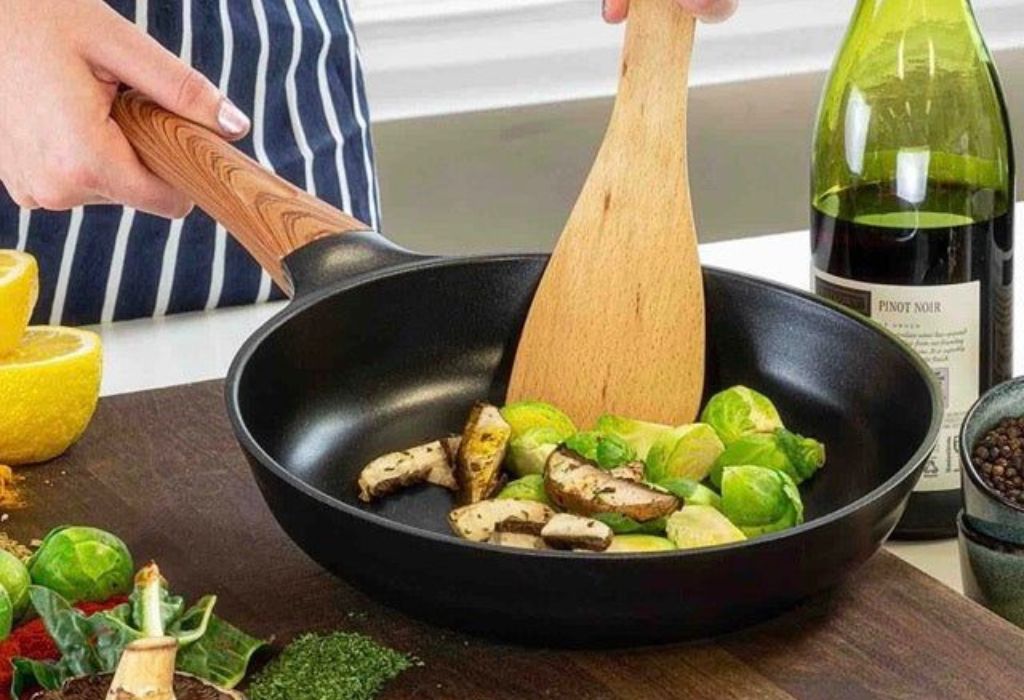
The environmental considerations of PTFE-coated cookware are an important factor for eco-conscious consumers. PTFE production involves fluorinated compounds, raising concerns about persistence in the environment. However, modern manufacturing practices aim to minimize emissions and chemical waste.
During everyday use, PTFE-coated cookware does not release harmful substances if used within temperature limits. Concerns mainly arise during manufacturing or improper disposal, where high-temperature incineration can release pollutants.
Many brands are now focusing on sustainability, offering PFAS-free options or recycling programs for old cookware. These initiatives reduce environmental impact while maintaining the benefits of non-stick performance.
Life cycle assessment of PTFE pans shows that they often last longer than alternative materials, reducing the frequency of replacement and overall resource consumption. Durability directly contributes to environmental efficiency.
Consumers can also minimize their impact by selecting quality cookware, maintaining it properly, and recycling it responsibly at the end of its lifespan. Being aware of these factors allows for informed purchasing decisions while supporting environmentally responsible practices.
Future Trends in Cookware Materials
The cookware industry is evolving with growing awareness about health, safety, and sustainability. Consumers are increasingly seeking materials that are non-toxic, eco-friendly, and durable for everyday use.
Innovation in cookware coatings and materials aims to combine performance with safety, addressing concerns around PTFE and related chemicals. These trends are shaping the next generation of kitchen products.
What are PFAS-free cookware options?
Cookware made without per- and polyfluoroalkyl substances, often using ceramic or other natural coatings.
Are eco-friendly materials becoming popular?
Yes, sustainable and non-toxic materials are in higher demand among health-conscious consumers.
How is technology improving cookware coatings?
Advancements focus on durability, non-stick performance, and safety at higher temperatures.
Will PTFE remain widely used?
While PTFE is still common, interest in alternatives and safer coatings is growing steadily.
Are there trends for professional kitchens?
Yes, professional chefs are exploring high-performance stainless steel, cast iron, and innovative non-stick options for durability and safety.
Understanding these trends helps readers anticipate future cookware developments. Staying informed allows home cooks to make choices that align with both modern kitchen technology and health-conscious cooking practices.
Conclusion
PTFE in cookware offers convenience, durability, and non-stick performance that simplifies everyday cooking. Understanding its properties, benefits, and safety considerations allows for informed and confident use.
Proper handling, moderate heat, and careful maintenance ensure that PTFE-coated cookware remains safe and effective for years. Exploring alternatives and staying updated on industry trends can further enhance both health and cooking experiences.
By choosing the right cookware and following safety guidelines, home cooks can enjoy efficient, low-fat cooking while protecting themselves and their families. Consider your cooking style, health priorities, and maintenance preferences when selecting cookware for the kitchen.

I’m Emma J. Caldwell, the founder, lead writer, and home-cooking enthusiast behind KitchenGuideCo.com. With a background in culinary arts and over a decade of cooking experience in both professional and personal kitchens, I created this platform to demystify recipes, offer smart kitchen gadget reviews, and guide readers through meal prep with confidence and clarity.