Most people clean their ovens by scrubbing, scraping, and using strong chemical cleaners that leave behind sharp odors and sticky residue.
For many homeowners, this process feels like the hardest chore in the kitchen. Then one day they hear about a pyrolytic oven, an appliance that promises to clean itself with heat alone.
This idea sounds almost magical, especially if you have ever spent hours trying to remove burnt grease stuck to oven walls.
Imagine finishing a large family dinner where the oven worked nonstop, cooking multiple trays of food. Grease splatters, sauce spills, and crumbs gather everywhere inside the oven. Instead of spending the night scrubbing, you simply select the pyrolytic cleaning mode and close the door.
The oven heats itself to an extremely high temperature, turning the mess into fine, removable ash. The next morning you wipe away the ash with a cloth, and the oven looks as clean as the day you bought it.
This simple process completely changes how people think about oven maintenance. Pyrolytic technology removes the stress of deep cleaning and allows the oven to handle the hardest work for you. For busy households, this becomes one of the most valuable features in a modern kitchen.
Many people do not fully understand how pyrolytic cleaning works or why it is different from other cleaning systems. This guide will explain how the technology functions, what makes it safe, and why it is becoming a popular feature in high quality ovens.
By the end, you will know exactly what a pyrolytic oven does and whether it is the right choice for your kitchen.
What Is a Pyrolytic Oven: Basic Definition and Purpose
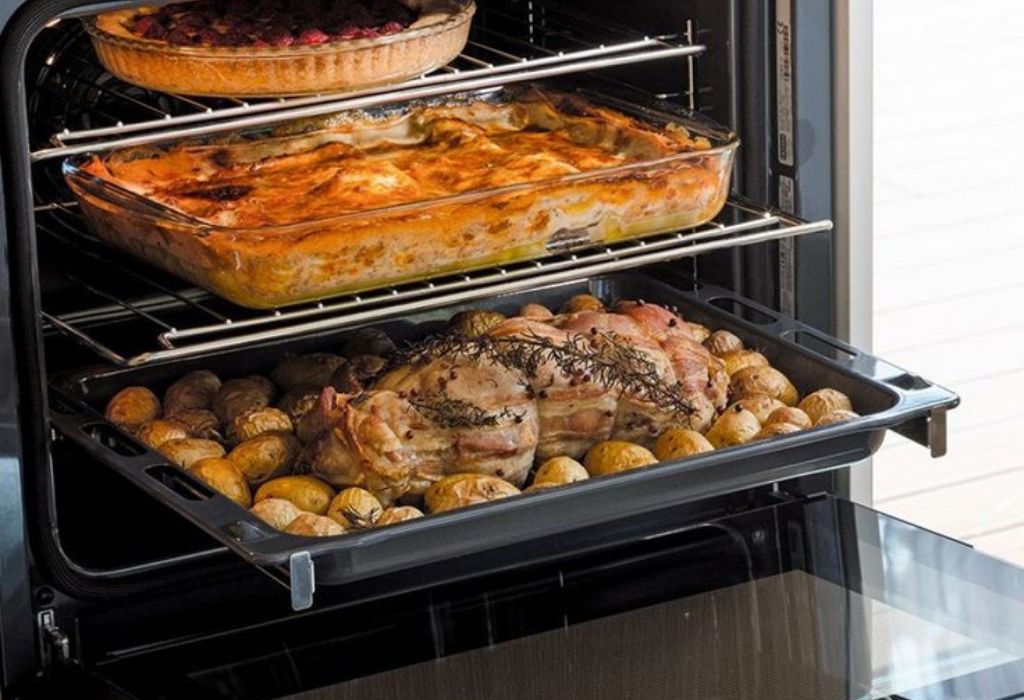
A pyrolytic oven is a special type of oven designed with a self cleaning function that uses extremely high heat to burn food residue into ash. This technology allows homeowners to avoid scrubbing and harsh chemicals when cleaning the oven interior.
The primary purpose of a pyrolytic oven is to make cleaning simple, effortless, and highly effective.
The oven works by raising its internal temperature to levels higher than regular cooking. These high temperatures break down grease, spills, and food particles into a fine dry powder. This powder can be wiped away easily once the cleaning cycle finishes.
Pyrolytic ovens were created to solve the common problem of baked on stains that regular cleaning methods struggle to remove.
Traditional ovens accumulate grease over time, making them difficult to maintain. Pyrolysis eliminates these stubborn stains through controlled heat reactions.
The oven door locks automatically during the cleaning process. This prevents anyone from opening it while the oven reaches temperatures that would be unsafe during normal cooking. The locked door ensures that the cleaning cycle operates safely and without interruptions.
The internal surfaces of pyrolytic ovens are built from materials that withstand intense heat. These materials do not warp, crack, or become damaged during the cleaning cycle. This durability keeps the oven functioning well for many years.
A pyrolytic oven provides both convenience and efficiency. By relying on heat rather than chemicals, it offers a healthier and more environmentally friendly way to maintain cleanliness. This makes it an attractive option for modern kitchens.
The system is designed to handle frequent use. Even if you cook often and encounter repeated spills, the oven remains easy to clean. This consistency helps homeowners maintain a hygienic kitchen environment.
How Pyrolytic Self Cleaning Technology Works
The pyrolytic cleaning system works by converting food residue into ash through thermal decomposition. This process occurs when the oven reaches temperatures around 450 to 900 degrees Celsius. These extreme temperatures break down organic materials rapidly.
During cleaning, the oven activates special heating elements located in different areas. These elements distribute heat evenly along the walls, racks, and base. The even heat ensures that every part of the oven interior gets cleaned thoroughly.
As the temperature rises, grease and spilled food begin to carbonize. Carbonization changes them from sticky substances into dry particles. These particles fall away from the surfaces and settle as ash.
The oven uses a controlled heating cycle that increases and decreases temperature gradually. This controlled process prevents sudden thermal shock inside the oven. The gradual changes protect internal components from damage.
The oven door automatically locks to guarantee safety. The lock prevents accidental opening when temperatures are too high for human contact. This protective feature remains active until the oven cools down completely.
Once the cleaning cycle ends, the oven begins a cooling phase. This phase reduces the temperature until it becomes safe to open the door again. The cooling ensures that the ash remains dry and easy to remove.
After cooling, the user wipes the remaining ash with a soft cloth. No chemicals or scrubbing tools are necessary to complete the cleaning. This simplicity makes the pyrolytic system extremely user friendly.
Temperature Range and Heating Science Behind Pyrolysis
Pyrolytic ovens operate at temperatures far beyond ordinary cooking levels. Standard baking temperatures remain between 150 and 250 degrees Celsius, while pyrolytic cleaning can reach up to 900 degrees Celsius. These extreme temperatures create the conditions needed for thermal decomposition.
Thermal decomposition occurs when organic materials break down under intense heat without burning in open flames. The oven provides a closed environment with stable heat that allows this reaction. This controlled environment prevents uncontrolled combustion.
The heating elements in pyrolytic ovens are engineered to handle these high temperatures safely. They activate in programmed stages, gradually increasing the intensity of heat. This staged heating protects the oven from sudden stress or damage.
Oven insulation plays a critical role in maintaining these temperatures. High quality insulation ensures that the heat remains inside the oven without leaking into the kitchen. This insulation keeps the outer surfaces cooler and safer to touch.
Airflow inside the oven also influences the efficiency of pyrolysis. Heat must circulate evenly to ensure that every area of the oven receives the same level of thermal exposure. Balanced airflow produces consistent cleaning results.
The door seals are designed to handle extreme temperatures. These seals prevent heat from escaping during the cycle. Maintaining a tight seal ensures that the pyrolytic process stays effective and safe.
The science of pyrolysis focuses on breaking down molecules. Grease and food scraps contain carbon based compounds that disintegrate under severe heat. This breakdown leaves a soft, dry residue that can be removed easily.
What Happens Inside the Oven During Pyrolytic Cleaning
When the cleaning cycle begins, the oven starts heating slowly. The early phase helps evaporate moisture and loosen light stains. This preparation step ensures that the main heating phase works effectively.
As temperature increases, grease starts to bubble and carbonize. The bubbling indicates that oils are breaking down into simpler compounds. These compounds become unstable and begin forming ash.
Spills and burnt food start separating from the oven walls. The intense heat weakens their bond with the surface. This separation allows them to fall off naturally as the temperature continues to rise.
During peak temperature, all remaining residue turns into fine ash. The ash forms a thin layer at the bottom of the oven. This layer is harmless and ready for easy cleaning.
The oven sensors continuously monitor temperature. These sensors ensure that heat remains within safe and controlled limits. If needed, they adjust the heating elements to maintain stability.
Throughout the process, the door remains tightly locked. Locking the door prevents any accidental exposure to extreme heat levels. This protection ensures safety for everyone in the kitchen.
When the cleaning cycle ends, the oven enters a slow cooling phase. The cooling prevents sudden temperature drops that might damage the internal structure. It also prepares the oven for safe handling and ash removal.
Benefits of Using a Pyrolytic Oven for Home Cooking
The biggest benefit of a pyrolytic oven is effortless cleaning. The self cleaning function removes the need for scrubbing and chemical sprays. This convenience saves time for busy households.
Pyrolytic cleaning produces exceptional results. Even stubborn stains on the walls and racks break down easily. This ensures your oven remains clean and hygienic after every heavy cooking session.
The technology improves long term oven performance. A clean oven heats more efficiently and distributes heat more evenly. This makes regular cooking faster and more predictable.
Pyrolytic ovens help maintain food quality. Clean oven interiors prevent old grease from producing smoke or odors. This improves the taste and aroma of every meal you cook.
The absence of chemical cleaners benefits your health. Pyrolysis relies only on heat, avoiding harmful fumes and residues that come from chemical sprays. This makes the cleaning process safer for your family.
A clean oven also reduces fire risk. Built up grease becomes flammable during cooking. Removing this buildup improves safety during daily use.
Pyrolytic ovens add modern convenience to kitchen routines. Many models include digital settings, timers, and automatic cycles. These features make operating the oven simple and intuitive.
Common Misconceptions About Pyrolytic Ovens
Many people believe that pyrolytic ovens waste too much energy. While the cleaning cycle uses high heat, it runs only occasionally. This means overall energy consumption remains reasonable for most households.
Some assume that pyrolytic ovens are dangerous because of the extreme heat involved. In reality, these ovens are built with multiple safety systems that keep users protected. The door lock and heat resistant materials prevent any accidents.
Another misconception is that pyrolysis damages the oven over time. Pyrolytic ovens are specifically designed to handle these temperatures without structural harm. Their internal coatings and insulation protect the components effectively.
People often think that pyrolytic ovens require special maintenance routines. The cleaning process already removes most residue, so little additional maintenance is needed. Normal operation continues smoothly without demanding extra care.
Some individuals believe that pyrolytic cleaning produces harmful fumes. The cleaning cycle only breaks down organic materials without using chemicals. This makes the process safer than chemical based oven cleaners.
There is also a myth that not all food residues will turn to ash. In truth, most organic material breaks down completely during pyrolysis. Only thick metal objects or non food items fail to convert.
Many worry that the outer surface will become too hot. The insulation ensures that exterior surfaces stay safe to touch. This keeps the kitchen environment comfortable during cleaning.
Safety Features Built Into Pyrolytic Cleaning Systems
The first major safety feature is the automatic door lock. This lock activates when temperatures begin rising and stays active until the oven cools. It prevents any accidental opening during the cleaning cycle.
Heat resistant materials line the interior. These materials prevent warping, cracking, or damage under extreme conditions. They also help maintain consistent heat inside the chamber.
Temperature sensors constantly track the oven’s heat levels. If temperatures exceed safe limits, the sensors adjust the heating elements automatically. This regulation ensures that the oven remains stable throughout the cleaning process.
Ventilation systems release safe amounts of heat and air. These systems help circulate hot air without letting it escape into the kitchen. Proper ventilation keeps external temperatures manageable.
Dual layer or triple layer glass protects the door. These layers minimize heat transfer and keep the door cooler on the outside. This protects users from accidental burns while the oven is active.
Cooling fans activate after the cleaning cycle. These fans help reduce temperature gradually. Controlled cooling prevents thermal shock and enhances safety.
Many pyrolytic ovens include child safety settings. These settings help prevent accidental activation or tampering. This makes the oven safe for homes with children.
How to Use a Pyrolytic Oven Step by Step
Start by removing all racks that are not labeled as pyrolytic safe. Some racks are designed to withstand extreme heat, while others must be washed separately. Removing them prevents unnecessary damage.
Scrape off large chunks of food before starting. This reduces the amount of residue that needs to burn during cleaning. It also shortens the overall cleaning time.
Close the door and select the pyrolytic mode from the control panel. Most ovens offer multiple intensity levels based on how dirty the oven is. Choosing the right level improves efficiency.
The oven will lock automatically once the cleaning begins. The lock stays active until temperatures cool down. This lock protects you from interacting with the oven while it operates.
Allow the oven to complete the full pyrolytic cycle. Cleaning cycles can last between one and three hours. Longer cycles handle heavier grease buildup.
When the cleaning ends, wait for the oven to cool completely. Cooling is essential for safe opening. It also ensures that the ash remains dry and easy to wipe.
Open the door and remove the ash with a damp cloth. No detergent or scrubbing is required. This final step completes the cleaning process.
Pyrolytic Oven vs Catalytic Oven vs Steam Cleaning Oven
A pyrolytic oven cleans itself by heating to extremely high temperatures. This heat burns food residues into fine ash that can be wiped away easily. The high temperature process removes even stubborn grease from every surface.
A catalytic oven uses special liners that absorb grease while cooking. These liners break down grease automatically when the oven reaches moderate heat levels. They require occasional replacement to maintain effectiveness.
Steam cleaning ovens use water and heat to soften stains. This method is gentle and suitable for light cleaning tasks. It works best for small spills rather than heavy buildup.
Pyrolytic cleaning remains the most thorough method. It handles thick layers of grease and old stains that other systems fail to remove. This makes it ideal for households that cook frequently.
Catalytic ovens provide quicker mid level cleaning. They work best for people who want simple maintenance without waiting for long high temperature sessions. However, catalytic systems may leave behind heavy stains.
Steam cleaning offers the fastest and most eco friendly approach. It uses minimal energy and no chemicals. While convenient, it cannot match the deep cleaning power of pyrolysis.
Choosing between the three depends on cooking habits. Heavy cooking benefits from pyrolytic cleaning, moderate cooking suits catalytic systems, and light cooking fits well with steam cleaning ovens.
Maintenance Tips to Keep a Pyrolytic Oven in Good Condition

Regularly removing loose debris helps keep the oven clean between cycles. Large food spills should be wiped up after cooking. This prevents excessive smoke during the next cleaning cycle.
Inspect the door seals occasionally. These seals must remain tight to ensure proper heat retention. Damaged seals reduce efficiency and increase heat leakage.
Clean the racks separately unless they are pyrolytic safe. Some racks cannot withstand extreme heat. Using the correct racks preserves their lifespan and safety.
Avoid using chemical cleaners inside the oven. The pyrolytic coating is designed to handle high heat, not harsh chemicals. Chemicals can damage the interior surface or create unpleasant fumes.
Check the oven’s temperature sensor periodically. A malfunctioning sensor can affect both cooking performance and cleaning accuracy. Keeping the sensor in good condition ensures consistent results.
Use the pyrolytic cycle only when necessary. Running it too often increases energy use without providing additional benefits. Most households need the cleaning cycle only a few times per year.
Allow the oven to cool fully before wiping the ash. Cooling prevents burns and ensures ash remains easy to remove. Gentle wiping keeps the interior surface looking new.
Pyrolytic Oven FAQs for Home Users
What is the main purpose of a pyrolytic oven?
A pyrolytic oven is designed to clean itself using very high heat. It burns food residue into ash that you can easily wipe away.
Does a pyrolytic oven use a lot of electricity?
The cleaning cycle uses noticeable energy, but it runs only occasionally. Overall consumption remains moderate for most households.
Is the self cleaning process safe?
Yes, the oven has automatic door locks, heat resistant materials, and temperature sensors. These features protect users during the cleaning cycle.
How long does a typical pyrolytic cleaning cycle take?
Most cycles take between one and three hours depending on the dirt level. Longer cycles handle heavier residue.
Does the oven exterior get hot during cleaning?
The oven remains insulated, so the exterior stays cooler than expected. It may feel warm but not dangerously hot.
Do pyrolytic ovens produce smoke or odors?
Light smoke or odor may occur if heavy grease is present. This is normal and reduces once the ash forms.
Can I leave the racks inside during pyrolysis?
Only pyrolytic safe racks should remain inside. Standard racks must be removed to avoid damage.
Is pyrolytic cleaning better than steam cleaning?
Yes, pyrolytic cleaning is more thorough and removes stubborn stains completely. Steam cleaning works best for light messes.
Can pyrolytic cleaning damage cookware?
Cookware should not be left inside during cleaning. Extreme heat can damage coatings and materials.
How often should I run a pyrolytic cleaning cycle?
Most people need the cycle only a few times per year. Frequent cooking may require more regular use.
Conclusion
A pyrolytic oven offers one of the most advanced and convenient cleaning technologies available in modern kitchens.
Instead of dealing with harsh chemicals or long hours of scrubbing, homeowners can let the oven handle the cleaning through a powerful high temperature cycle.
During this cycle, spills, grease, and food residue break down into fine ash that wipes away effortlessly. This process saves time, reduces effort, and keeps the oven in excellent condition for regular cooking.
The pyrolytic system is engineered with strong safety features, including door locks, temperature sensors, and thick insulation that prevents heat from escaping. These features protect the user and ensure the oven operates safely even at extremely high temperatures.
Compared to other cleaning methods like catalytic liners or steam cleaning, pyrolysis offers the deepest and most thorough results. It is especially useful for people who cook frequently and want a spotless oven interior without constant manual cleaning.
Maintaining a pyrolytic oven is simple and requires only basic care such as wiping loose debris, checking seals, and removing racks before cleaning.
By understanding how the system works and following proper steps, homeowners can enjoy a reliable, efficient, and hygienic cooking environment.
With its combination of power, convenience, and safety, a pyrolytic oven becomes an excellent long term addition to any kitchen.

I’m Emma J. Caldwell, the founder, lead writer, and home-cooking enthusiast behind KitchenGuideCo.com. With a background in culinary arts and over a decade of cooking experience in both professional and personal kitchens, I created this platform to demystify recipes, offer smart kitchen gadget reviews, and guide readers through meal prep with confidence and clarity.