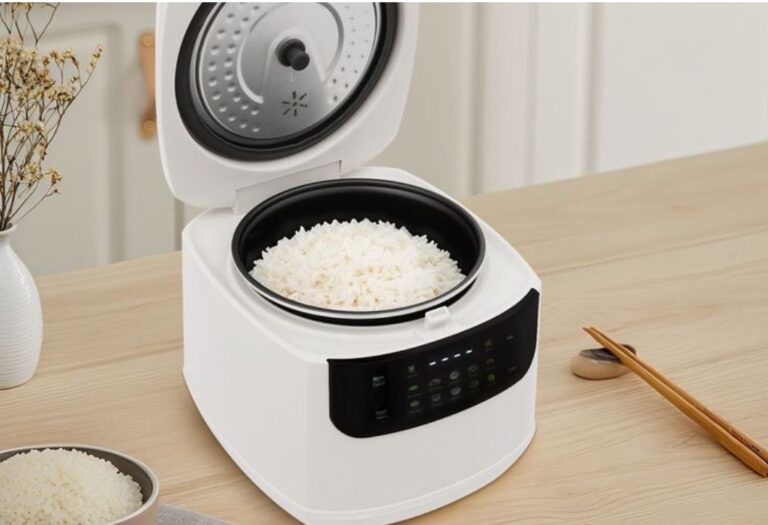
Figuring out what is rice cooker thermal sensor can seem tricky when you first get a rice cooker. It’s a common question because these sensors are super important, but they’re hidden inside, making them a bit of a mystery. Don’t worry, it’s simpler than you might think! This guide will break down the thermal sensor’s role in easy steps, so you can cook perfect rice every time. We’ll explore its function and how it ensures your rice is cooked just right, so keep reading to find out more.
The Basics of Rice Cooker Thermal Sensors
A rice cooker’s thermal sensor is a tiny but vital component, and its function is to measure the temperature within the cooker. It’s like a smart thermostat for your rice. This sensor keeps track of how hot the water and rice are getting. This tiny device tells the rice cooker when to switch from cooking to keeping the rice warm. This ensures the rice cooks thoroughly without burning or drying out. It’s all about making sure your rice comes out perfect every time. Many of us aren’t aware of this key detail when we begin our rice-cooking endeavors.
What Does a Rice Cooker Thermal Sensor Do?
The main job of the thermal sensor is to monitor the heat inside the rice cooker. It senses the temperature changes as the water boils and the rice cooks. Based on these temperature readings, the sensor signals the cooker to adjust the cooking process. When the water is absorbed, and the temperature rises, the sensor knows the rice is ready. It then automatically switches to a “keep warm” mode. This prevents the rice from overcooking or burning, which is pretty handy. The sensor’s ability to monitor these changes makes all the difference in achieving the perfect texture and prevents wasted food. Let’s delve into its features.
- Temperature Monitoring: The sensor constantly checks the heat levels inside the rice cooker. It knows the exact temperature at any given moment.This ongoing monitoring allows the rice cooker to make the correct adjustments during the cooking cycle. It also understands the precise temperatures required for the complete cooking of the rice. The sensor’s accuracy guarantees that the rice is cooked uniformly and avoids issues like undercooked or burnt grains. It’s a core aspect of how a rice cooker achieves its automated cooking.
- Automatic Cooking Mode Adjustment: The sensor communicates with the rice cooker’s control system to switch between different modes.As the rice absorbs water, the temperature changes and the sensor alerts the cooker. The cooker will usually switch from the “cook” setting to the “keep warm” setting. This change stops the cooking process at the right time. This automated adjustment helps to preserve the rice’s quality and keep it ready to serve. This is what truly differentiates a simple pot from a rice cooker.
- Preventing Overcooking: By accurately sensing the end of the cooking process, the thermal sensor ensures the rice does not burn.When the moisture is fully absorbed, and the temperature rises, the sensor activates the “keep warm” mode. It is essentially a safety feature that prevents overcooking and dries out the rice. This mode uses lower heat to keep the rice warm without further cooking or burning. This is particularly useful for rice cookers that are left unattended or are in constant use.
Types of Rice Cooker Thermal Sensors
Thermal sensors are made using different technologies. Knowing about these different types can help you understand how they work inside your rice cooker. These technologies all aim to do the same thing: detect and measure heat. However, their specific designs and placement inside the cooker may differ. Let’s look at two of the most common types. Their key features play a major part in maintaining a cooker’s efficiency and performance. These components directly impact the cooking results, which can be seen in the rice’s final quality.
- Thermistors: Thermistors are resistors whose resistance changes with temperature.Thermistors are often used in rice cookers. They are easy to make and work well to sense temperature changes. They measure the temperature through changes in electrical resistance. As the temperature goes up, their resistance goes down (NTC thermistors), and as the temperature drops, their resistance goes up (PTC thermistors). This resistance change is then interpreted by the rice cooker’s control circuit. Thermistors are usually placed near the heating element or the cooking pot. This placement ensures that they closely monitor the rice’s cooking temperature.
- Bimetallic Strips: These strips are made of two different metals bonded together. These strips are often found in older rice cookers.These strips are also used to measure temperature. When heated, the different metals expand at different rates. This causes the strip to bend. The bending of the strip can be used to open or close a circuit, which then triggers the cooker to change its setting. Bimetallic strips have a straightforward and reliable design. They are cost-effective but may not be as precise as thermistors. The thermal expansion of the materials acts as a switch. This functionality helps the device switch between cooking and warming. This sensor technology is a simple, effective solution that still sees usage in the current market.
How the Thermal Sensor Works During the Cooking Cycle
The thermal sensor is not a standalone part; it works as part of a system. From the moment you start the rice cooker, the sensor begins its job, constantly monitoring the environment inside. The cooker’s operation revolves around the information it receives from the sensor. It helps keep the cooking process in check. When the water gets absorbed, and the rice is cooked, the sensor sends a signal to change modes. In brief, the sensor acts like a central command unit inside the rice cooker, coordinating the entire cooking cycle.
The Cook Cycle Explained
The whole cook cycle is based on the signals from the thermal sensor. It makes the automated function of your rice cooker possible. The sensor allows the cooker to know when to cook, when to change, and when to keep the rice warm. This ensures that the rice is cooked perfectly. This process is automatic and happens because of the sensor’s actions.
- Initial Heating: Once you press the start button, the heating element starts to heat the water. The thermal sensor starts to track the temperature.The initial heating phase is very important for the whole process. As the heating element warms the water, the sensor constantly monitors the temperature. It keeps track of the rise in heat. The process begins, and the sensor begins to play a key role in the cooking cycle. The cooker starts its work, preparing the environment for the rice to cook.
- Boiling and Cooking: As the water boils, the rice cooks. The thermal sensor records the temperature changes, and the cooker will keep it stable.The thermal sensor continuously monitors the temperature during this stage. When the rice absorbs the water, the temperature starts to increase more rapidly. This increase is a key indicator for the sensor. It tells the cooker that the rice is approaching readiness. This stage is critical for ensuring the rice cooks evenly. The control system uses the temperature data to optimize the cooking process.
- Switch to Keep Warm: Once the water is absorbed, and the rice is cooked, the sensor signals the cooker to switch to “keep warm” mode.The thermal sensor identifies the end of the cooking process. The temperature reading triggers a switch to a lower heat setting. The rice is kept warm without overcooking or drying out. This mode ensures the rice stays at the ideal serving temperature. It ensures the texture and quality are maintained for extended periods. This switch prevents burning and maintains the rice’s moisture.
Troubleshooting Rice Cooker Issues
Even though rice cookers are reliable, problems can arise. The thermal sensor is one of the main components that can cause issues. Understanding how the sensor works will help you solve these problems. It may not always be the sensor itself, but a malfunction can still affect the cooking process. Here are some of the common issues and the steps to fix them. The goal is to get your rice cooker back to its best cooking performance.
- Rice is Undercooked: If the rice is still hard after cooking, the sensor may not be working correctly.If the rice is still hard and undercooked, the sensor may not be recognizing the right temperatures. If the sensor thinks the rice is already cooked before it is, it can switch to the warming cycle too early. This leads to the rice not being cooked through. Check the sensor for any physical damage or obstructions. Also, check the surrounding components. If you find no apparent issues, there may be internal circuit problems.
- Rice is Overcooked or Burnt: If the rice comes out burnt, the sensor might not switch to the “keep warm” mode at the right time.If the rice is overcooked or burnt, the sensor may not be detecting the rise in temperature at the end of the cooking. The cooker might keep heating the rice. This issue is usually related to a malfunctioning sensor or heating element. A faulty sensor might cause the cooker to continue cooking even after the rice is done. Make sure the cooker and sensor are clean and free of debris.
- Cooker Won’t Switch to Warm: If the cooker doesn’t go to keep warm mode, it may be a sensor issue.If the cooker doesn’t move to “keep warm” mode, it may be a faulty sensor or related circuitry. The sensor may be damaged or not able to detect temperature changes correctly. Check the sensor’s connections to see if they are secure. You can try resetting the rice cooker by unplugging it. If the problem continues, you might require a professional to check it. You might need to change the sensor for proper function.
Maintenance and Care for Your Rice Cooker
Like any kitchen gadget, proper care will keep your rice cooker working well. Cleaning your cooker after each use will help to protect it from damage. Routine checks and maintenance can also help you spot problems before they get worse. These easy steps can help keep your rice cooker in top shape. It will ensure many years of delicious, perfectly cooked rice.
Cleaning the Thermal Sensor
The thermal sensor is usually located on the bottom or side of the inner pot area. It can collect food particles or buildup, which affects its ability to detect the temperature. Cleaning the sensor regularly is key to maintaining the performance of your rice cooker. This helps ensure it cooks the rice properly. Doing this keeps the sensor working correctly. It makes sure that your rice cooks to perfection.
- Unplug the Rice Cooker: Always unplug the rice cooker before cleaning. This will protect you from electrical hazards.Safety is the first step when you are cleaning any electrical device. Make sure the cooker is unplugged and turned off. Do this before you start to clean it. This simple action will keep you safe. You should also wait for the rice cooker to cool down.
- Wipe the Sensor Gently: Wipe the thermal sensor carefully with a damp cloth or sponge.After you have removed the inner pot, carefully inspect the sensor. Use a soft, damp cloth or sponge to wipe the sensor. Do this to remove any food particles that may be present. Never use anything abrasive or anything that might damage the sensor. Clean it lightly, and avoid applying excessive pressure.
- Avoid Harsh Cleaning Agents: Do not use harsh detergents or cleaning agents. These might damage the sensor.The sensor is a sensitive component. Using harsh chemicals could ruin the material. Use warm water and mild dish soap. This is usually enough to get rid of any residue. After cleaning, make sure to dry the area thoroughly. This will prevent damage and ensure the sensor’s longevity. This simple action can help maintain the performance of the sensor.
Regular Inspections and Checks
In addition to cleaning, a few regular inspections will help keep your rice cooker in good condition. These inspections can assist you in finding minor issues before they become major problems. By making this a normal part of your cooker routine, you can increase its lifespan. You’re also guaranteed to enjoy properly cooked rice. The aim is to ensure the cooker gives consistent results. It also helps to prevent breakdowns.
- Check the Power Cord: Check the power cord for cracks or damage.The power cord is an essential part of the cooker, and its condition is very important. Regularly inspect the power cord for any physical damage. Look for cuts, frays, or any areas that may have exposed wires. If you find any damage, replace the cord right away. A damaged cord is a safety hazard. It can cause an electrical shock or even cause a fire.
- Inspect the Inner Pot: Check the inner pot for scratches or dents. Make sure it is clean.The inner pot is where the cooking happens. Scratches or damage can impact the way the rice cooks. Scratches could make the rice stick. Make sure the inner pot is clean and in good condition. Look for any damage or wearing of the non-stick coating. Replace the pot if needed. A damaged pot may affect heat distribution. It can also make the rice stick and become difficult to clean.
- Test the “Keep Warm” Function: Make sure the “keep warm” function is working correctly.The “keep warm” function is very important to keeping the rice fresh. After cooking, check to ensure that the rice cooker switches to the “keep warm” mode. See if it keeps the rice warm without burning it. If the function is not working, the sensor or heating element may need attention. This test helps verify that your rice will remain at the right temperature until you are ready to serve.
Understanding Rice Cooker Thermal Sensor Technology
The function of the thermal sensor may appear straightforward, but the technology used is complex. Understanding this technology helps to keep the rice cooker working effectively. It helps us understand the importance of each component. It also teaches us the effect of these parts on the cooking process. The different designs and the placement of the sensors within the rice cooker system. Understanding how these factors all fit together offers valuable insights into the performance and longevity of your appliance.
Advanced Thermal Sensor Designs
The design of the thermal sensor plays a huge part in its performance. Designers are constantly looking for ways to improve the accuracy and speed of these components. Advanced designs incorporate materials that are highly responsive. They can be very accurate in detecting temperature changes. Such designs allow rice cookers to deliver reliable results. This section explores several different types and materials that are being used to increase effectiveness and durability.
- Miniaturization: Some of the sensors are very small, allowing for better placement within the rice cooker.Miniaturization allows the sensor to be placed in areas where space is limited. It allows for better integration with other parts. This allows for closer monitoring of the rice. Smaller sensors respond faster and provide accurate temperature readings. This reduces energy consumption. They are able to improve the overall cooking performance. These advanced designs help to enhance efficiency and effectiveness.
- Material Innovations: New materials provide better thermal response times and more durability.The use of advanced materials improves the speed and precision of sensors. They can withstand high temperatures and ensure more reliable operation. These materials make sensors more resistant to damage. This can enhance the service life of the appliance. These modern developments help improve the quality of the cooking process.
- Integration with Smart Technology: Some newer cookers connect the thermal sensor to more advanced control systems.Some of the newest rice cookers connect the sensors to smart control systems. These systems can change cooking times or customize settings. These systems can also gather information from the sensor. This also provides users with more ways to control the cooking process. They can deliver more personalized and efficient cooking experiences. These systems allow for a seamless user interface.
The Role of Thermal Sensors in Modern Rice Cookers
Thermal sensors are key to the function of today’s rice cookers. They are not merely temperature detectors; they are important components. These sensors influence every aspect of rice cooking. They ensure efficiency and the quality of the final result. Their capabilities make them an important element of the technology that is used in the kitchen. They also provide advantages such as ease of use and consistent results.
- Energy Efficiency: Sensors help rice cookers use energy more effectively.Smart sensors allow cookers to adapt their heating needs. They prevent overcooking and conserve energy by switching to the “keep warm” mode. This technology cuts down on power consumption, which is good for the environment. It also reduces the cost of electricity. This combination of efficiency and sustainability makes smart sensors an excellent addition.
- Precise Cooking: Sensors ensure that rice is always cooked to perfection.Sensors monitor temperature during the whole cooking cycle. They ensure that the rice is cooked uniformly. This provides consistently excellent results. This level of precision is not available from older cooking methods. This precision increases the quality of the dish being prepared. It also makes cooking with the rice cooker simple.
- Enhanced User Experience: Modern cookers offer greater simplicity and ease of use thanks to thermal sensors.The automated processes of the rice cookers allow users to cook rice without closely monitoring the cooking process. You are able to set it and forget it! They ensure that the cooking cycle runs smoothly, so the users can focus on other tasks. Modern technology offers an easier and more user-friendly cooking experience. This makes them a popular addition to a lot of kitchens.
Frequently Asked Questions
Frequently Asked Questions
Question: Why is my rice cooker not switching to “keep warm?”
Answer: This can be due to a faulty thermal sensor, a problem with the heating element, or issues with the control board. Check the sensor for any damage or debris and make sure the power supply is stable.
Question: How do I know if the thermal sensor is broken?
Answer: If your rice is consistently undercooked or burnt, or if the cooker never switches to “keep warm,” the sensor might be broken. You can also visually inspect it for physical damage.
Question: Can I replace the thermal sensor myself?
Answer: Replacing the sensor depends on your comfort level with appliance repairs. If you’re comfortable with electronics and have the right tools, you might. If not, it’s best to have a professional do it.
Question: How often should I clean the thermal sensor?
Answer: Clean the sensor after each use to remove any food particles that can affect its performance. This simple practice helps maintain the cooker’s reliability.
Question: What’s the difference between a thermistor and a bimetallic strip in a rice cooker?
Answer: A thermistor is an electronic resistor, while a bimetallic strip uses two different metals to bend when heated. Both measure temperature, but thermistors are generally more accurate and used in modern cookers.
Final Thoughts
The what is rice cooker thermal sensor is more than just a piece of technology; it’s the brain of your rice cooker. It’s responsible for making sure you get perfectly cooked rice every time. Knowing how it works and how to keep it in good condition means your rice cooker will last longer and cook better. By following the tips, you’ve learned to keep your cooker running smoothly and cooking great rice. Take the time to clean your sensor and check the components regularly. Your rice cooker will thank you with fluffy, delicious rice for many meals to come!

I’m Emma J. Caldwell, the founder, lead writer, and home-cooking enthusiast behind KitchenGuideCo.com. With a background in culinary arts and over a decade of cooking experience in both professional and personal kitchens, I created this platform to demystify recipes, offer smart kitchen gadget reviews, and guide readers through meal prep with confidence and clarity.