Figuring out what is smart rice cooker technology can seem tricky at first. It’s new, and sometimes tech can feel complicated! Don’t worry, though; it’s actually quite straightforward. This blog post will break it down in easy steps, so you’ll feel confident. We’ll explore everything from what they are to how they make cooking easier. Let’s get started!
Exploring Smart Rice Cooker Basics
Smart rice cookers represent a significant leap forward from traditional models. These devices incorporate advanced features such as Wi-Fi connectivity, app control, and intelligent cooking algorithms. This enhancement provides a far more convenient and often precise cooking experience. They provide greater flexibility for those with busy schedules. Instead of simply turning on a button, you gain control over the entire process from your smartphone. From pre-setting cooking times to monitoring the progress of your rice, these cookers help make mealtimes easier and more enjoyable.
Connectivity and Control Features
A key aspect of a smart rice cooker is its ability to connect to your home’s Wi-Fi network. This allows you to manage the cooker from a distance using a mobile app. This app serves as a remote control, letting you adjust settings, start or stop cooking cycles, and receive notifications. This level of control opens up new possibilities for meal preparation. It provides ease and convenience, especially for people who are on the go. Imagine starting a fresh batch of rice on your way home from work! The capabilities of a smart rice cooker extend far beyond those of a regular appliance.
- Remote Operation: Through the mobile app, users can begin cooking, pause, or cancel the cooking process from anywhere with an internet connection. This is useful for busy individuals.
- Customizable Settings: Smart cookers often include a variety of pre-set cooking programs, such as white rice, brown rice, sushi rice, and even porridge. You can also manually adjust the cooking time and temperature.
- Notifications and Alerts: The app can send alerts when the cooking cycle is complete, or when the rice is ready to be served. Some models even alert you if the cooker detects an issue.
- Voice Control: Many smart rice cookers integrate with voice assistants like Amazon Alexa or Google Assistant. This allows for hands-free operation.
- Recipe Integration: Some devices come with built-in recipe libraries or the ability to sync with online recipe databases. This expands the cooking possibilities.
The core technology behind remote operation is typically a built-in Wi-Fi module in the rice cooker. This module connects to your home’s Wi-Fi network. It then communicates with a cloud service operated by the cooker’s manufacturer. Your commands from the mobile app are sent to the cloud, which relays them to the rice cooker. The cooker’s internal system then adjusts the cooking process based on the instructions received. This creates a seamless and convenient user experience.
Advanced Cooking Algorithms
Beyond remote operation, smart rice cookers use sophisticated cooking algorithms to achieve superior results. These algorithms analyze the cooking process in real-time. They adjust temperature and cooking time to the type of rice and desired texture. This ensures that the rice is cooked perfectly every time. This intelligence minimizes the risk of overcooked or undercooked rice. It allows you to produce consistent and delicious results without requiring constant supervision. This improves the overall culinary experience and allows for more consistent results.
- Precise Temperature Control: Smart cookers can maintain very precise temperatures during cooking. This is key for achieving the correct texture for different types of rice.
- Adaptive Cooking Cycles: The algorithms adapt to changes in environmental conditions, like altitude or humidity. This ensures consistent results.
- Pressure Cooking: Some smart rice cookers also include pressure-cooking functions. This speeds up cooking and enhances the flavor and texture of rice and other grains.
- Keep-Warm Function: A reliable keep-warm feature holds the rice at a safe serving temperature. It does this without overcooking it, until you’re ready to serve.
- Grain-Specific Settings: These cookers offer unique settings customized for a range of grains, including quinoa, barley, and even oatmeal.
The cooking algorithms are powered by embedded processors within the cooker. These processors receive data from internal sensors that monitor temperature, pressure (if applicable), and moisture levels. They combine that information with the pre-programmed settings for each cooking mode. By constantly adjusting the cooking parameters, the algorithm ensures that the rice cooks uniformly. It maintains a perfect texture. The result is consistently delicious, perfectly cooked rice.
The Benefits of Using Smart Rice Cooker Technology
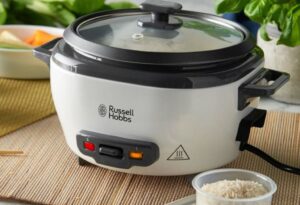
The benefits of using smart rice cookers extend beyond mere convenience. They offer real improvements in cooking quality, time management, and even dietary control. These appliances are increasingly popular because they make everyday tasks easier. They provide a level of control and consistency that traditional rice cookers can’t match. As such, they are a worthwhile addition to kitchens around the world.
Enhanced Convenience and Time-Saving Capabilities
The time-saving advantages of smart rice cookers are particularly significant for busy individuals. You can prepare meals even if you’re not home. The ability to schedule cooking cycles means that rice can be ready when you want it. Remote monitoring and control features further add to your convenience. This is especially useful for those with unpredictable schedules, allowing them to adjust cooking times on the fly. This frees up precious time that can be used for other activities.
- Scheduled Cooking: Set the cooker to start at a specific time, ensuring hot, fresh rice is ready for dinner.
- Remote Monitoring: Check the cooking status from anywhere with your smartphone.
- Recipe Integration: Easily access and follow cooking instructions via the connected app.
- Simplified Meal Prep: Minimize the steps involved in preparing a meal by automating the rice-cooking process.
- Reduced Cooking Time: Some models include rapid-cook functions, speeding up the process.
The value of a smart rice cooker lies in its ability to integrate seamlessly into a fast-paced lifestyle. Consider a scenario where you’re running late from work. With a smart rice cooker, you can initiate the cooking process remotely. By the time you get home, the rice is ready, saving precious time. This automated aspect of food preparation significantly reduces stress. It streamlines the cooking process for improved efficiency.
Improved Cooking Quality and Consistency
Smart rice cookers are designed to produce superior cooking results compared to conventional models. The advanced algorithms and precise temperature control guarantee that your rice is cooked just right, every time. This consistency is a notable advantage, especially for those who rely on rice as a staple. The ability to cook various types of rice to their optimal texture also broadens your culinary options. This includes short-grain sushi rice or long-grain basmati.
- Uniform Cooking: Precise temperature control ensures that every grain cooks evenly.
- Texture Control: Achieve the perfect level of fluffiness or stickiness, based on the setting you select.
- Nutrient Preservation: The gentler cooking process preserves nutrients and flavors.
- Automatic Adjustments: The cooker adjusts cooking times based on the grain type and water level.
- Reduced Overcooking: The keep-warm function prevents overcooking, preserving the quality of the cooked rice.
Many users report that smart rice cookers consistently produce better-tasting rice. The cooker’s ability to maintain a consistent cooking environment is a key factor. Unlike traditional methods, where temperature fluctuations can occur, these cookers provide a controlled process. This leads to rice that is both perfectly cooked and rich in flavor.
Health and Dietary Considerations
Smart rice cookers can also help with dietary planning and health-conscious cooking. These appliances usually have settings for cooking whole grains and other healthy foods. Users can easily integrate more nutritious options into their diet. The precise cooking controls reduce the need for added fats or oils. Smart cookers help maintain the nutritional integrity of the food you prepare. This makes them a useful tool for anyone watching their health.
- Whole Grain Cooking: Most models are optimized for whole grains. They provide complete, nutritional meals.
- Precise Portion Control: You can measure and cook exact quantities. This helps to manage calorie intake.
- Fat-Free Cooking: Cooking rice requires no added fats. This promotes a healthier diet.
- Nutrient Retention: Gentle cooking methods preserve vitamins and minerals.
- Recipe Variety: App integration provides access to healthy recipes.
Using a smart rice cooker can make healthy eating much easier. Preparing brown rice, quinoa, or other whole grains requires precise cooking. This improves their taste and texture. Because the cooker does the work, you are more likely to include these foods in your diet regularly. A consistent healthy diet is much easier with a smart rice cooker.
Key Features of Smart Rice Cooker Technology
Understanding the key features is key to selecting the ideal smart rice cooker. Key features include Wi-Fi connectivity, pre-set cooking programs, and app integration. These capabilities determine the level of convenience and control you experience. The features vary across models. Knowing how these features impact your use will help you choose the best one for your needs.
Connectivity and App Integration
The ability to connect to a home network via Wi-Fi is a core feature of smart rice cookers. This technology enables remote control and monitoring. The companion app, often available for both iOS and Android devices, lets users manage all aspects of the cooking process. The level of app sophistication and connectivity options are critical factors to consider. This will largely influence your user experience.
- Remote Start/Stop: Initiate or halt the cooking process from anywhere.
- Real-Time Monitoring: Observe the cooker’s status.
- Recipe Integration: Access a library of recipes, pre-set programs, or custom settings.
- Notifications: Receive alerts about cooking progress and completion.
- Voice Control: Integrate with voice assistants like Alexa or Google Assistant.
App design is also a significant aspect of connectivity. A well-designed app will offer intuitive controls and a responsive interface. It also lets you easily access and manage features. Look for apps that provide clear instructions. The app should allow you to customize settings to suit different types of grains and personal preferences. A good app is critical to enjoying the full benefits of smart rice cooker technology.
Cooking Programs and Settings
The pre-programmed settings and customizable options define a smart rice cooker’s functionality. The cooker should accommodate different grain types and cooking preferences. The number of pre-set programs can enhance versatility. The availability of adjustable settings allows for greater control over the cooking process. These settings influence how well the cooker can adapt to your specific cooking needs.
- Multiple Grain Options: Settings for white rice, brown rice, sushi rice, and others.
- Texture Settings: Options for fluffy, firm, or sticky rice.
- Keep-Warm Function: A feature that keeps the rice warm without overcooking it.
- Delay Timer: Schedule cooking to start at a later time.
- Specialty Programs: Settings for cooking porridge, oatmeal, or even steaming vegetables.
Consider the range of cooking settings available and how well they match your typical cooking habits. A cooker that offers a wide range of presets is a better option. It’s important to select a cooker that provides customization options. This should let you fine-tune the cooking process. You’ll be able to prepare the rice to your precise tastes and preferences.
Additional Smart Features
Beyond the core functionalities, smart rice cookers offer added features that improve the overall user experience. These include features that improve convenience and user safety. Consider features like auto-shutoff and cleaning features. These add value and contribute to a more enjoyable cooking experience.
- Automatic Shut-Off: The cooker turns off automatically when the cooking cycle is complete.
- Easy Cleaning: Non-stick inner pots and dishwasher-safe components make cleaning easier.
- Safety Features: Overheat protection and other safety measures prevent accidents.
- User-Friendly Interface: Clear displays and intuitive controls ensure ease of use.
- Voice Assistant Integration: Control the cooker with simple voice commands.
These extra features greatly improve a smart rice cooker’s convenience and practicality. Prioritize the features that best suit your lifestyle. Select a cooker that offers a balanced combination of functionality, ease of use, and safety features. This will contribute to a positive cooking experience.
Exploring Popular Smart Rice Cooker Models
The market for smart rice cookers offers a variety of models. These range from basic, entry-level devices to high-end appliances with advanced features. Each model has unique capabilities and price points. The best choice depends on what features you want. Researching some popular choices allows you to choose what’s best for you.
Top-Rated Smart Rice Cookers
Some smart rice cookers are consistently well-received by users. These models typically feature reliable performance, useful features, and positive user experiences. They often represent a good balance of features, performance, and value. Learning about these models offers a good starting point for your research.
- Zojirushi NS-TSC10: Known for its advanced fuzzy logic technology and excellent cooking results.
- Cuckoo CRP-G1015F: A high-end model that offers a range of cooking functions and intuitive controls.
- Toshiba RC-10VSN: Features advanced induction heating technology and a variety of pre-set cooking modes.
- Instant Pot Zest Rice Cooker: A versatile and affordable option that integrates with the Instant Pot app.
- Panasonic SR-HL151K: Offers a blend of simplicity, durability, and a variety of cooking settings.
These cookers are known for their reliable performance and a good reputation. They frequently incorporate technologies designed to enhance cooking results. This makes them good choices for many households. Check customer reviews and ratings to gauge their actual performance. Doing so will help you select the most suitable cooker.
Comparing Features and Specifications
When selecting a smart rice cooker, it’s helpful to compare features and specifications of various models. This comparison allows you to identify the devices that best meet your cooking needs. Factors like capacity, power consumption, and included accessories are all key. A careful comparison makes the selection process less complicated.
| Feature | Model A | Model B | Model C |
|---|---|---|---|
| Capacity | 5.5 cups | 10 cups | 7 cups |
| Connectivity | Wi-Fi, Bluetooth | Wi-Fi | Wi-Fi |
| Pre-set Programs | 10 | 12 | 8 |
| Keep-Warm | Yes | Yes | Yes |
| App Control | Yes | Yes | Yes |
| Price | $150 | $250 | $200 |
When comparing models, consider your capacity needs and the range of cooking options that you want. Evaluate the features that are most important to you. Make sure that they align with your cooking style and preferences. This will help you select a smart rice cooker that fits your kitchen.
User Reviews and Recommendations
Reading user reviews and recommendations provides valuable insights into the real-world performance of smart rice cookers. These reviews offer perspectives on the user experience. You can find out what works and what doesn’t. You can learn about cooking quality, app usability, and customer support. Examining these reviews helps you make an informed decision.
- Cooking Results: Many reviews focus on the quality of the cooked rice.
- Ease of Use: The intuitive app interface is often a key consideration.
- Durability: Users often comment on the cooker’s reliability over time.
- Customer Support: Feedback on the manufacturer’s customer service.
- Overall Satisfaction: A general summary of the user’s overall rating.
Reviews can offer insight into possible issues. Look for patterns in reviews to determine which aspects are most important to other users. Taking the time to read reviews offers valuable information. It will help you choose the best smart rice cooker for your specific requirements.
Setting Up and Using Smart Rice Cookers
Installing and operating a smart rice cooker is usually a simple process. The user experience is designed for easy use. However, some initial setup steps are required. Also, understanding the basic operations and maintenance ensures a smooth and enjoyable cooking experience. Careful setup and operation will help you get the most from your appliance.
Initial Setup and Installation
The initial setup typically involves connecting the rice cooker to your home Wi-Fi network and downloading the manufacturer’s mobile app. This process is similar for most smart devices. The steps are usually straightforward. The setup process prepares the cooker for remote control and access to its advanced features. Proper installation will help you start enjoying the cooker’s benefits.
- Power Connection: Plug the rice cooker into a power outlet.
- App Download: Download the app from your device’s app store.
- Account Creation: Create an account or sign in to your existing account.
- Wi-Fi Connection: Connect the cooker to your home Wi-Fi network.
- App Pairing: Follow the app instructions to pair the cooker with your device.
The app will often provide easy-to-follow instructions. The app should guide you through the setup process. Should you face any problems, most manufacturers provide detailed troubleshooting resources online. Once the setup is finished, you can begin using the cooker.
Operating the Smart Rice Cooker
Operating a smart rice cooker involves choosing a cooking program, adding rice and water, and starting the cooking cycle. Using the mobile app makes it easy to handle these steps. The cooker’s interface is usually straightforward and intuitive. Familiarizing yourself with the controls helps you quickly produce great results. These steps help to streamline your cooking process.
- Measure Rice: Use the measuring cup.
- Add Water: Add water. The correct amount is typically listed in the manual.
- Select Program: Choose the appropriate cooking program or setting for your rice type.
- Start Cooking: Use the app or the cooker’s control panel to start the cooking cycle.
- Monitor: Use the app to monitor the progress.
Most smart rice cookers have simple control panels. They offer access to the basic functions. The mobile app adds options, like remote control and recipe access. Learning the controls allows you to make the most of the cooker’s features. These features include preset programs, custom settings, and more.
Troubleshooting Common Issues
Like any electronic device, smart rice cookers might occasionally encounter issues. Common problems often involve Wi-Fi connectivity problems, app-related glitches, or uneven cooking results. Many issues have easy solutions. A quick approach to troubleshooting helps you to quickly resolve these issues. This will help you get back to making delicious rice.
- Connectivity Issues: Make sure the cooker and your mobile device are on the same Wi-Fi network.
- App Problems: Close and restart the app. Also, check for software updates.
- Uneven Cooking: Ensure the inner pot is clean. Also, be sure the rice and water levels are correct.
- Error Messages: Refer to the user manual for common error codes and their solutions.
- Contact Support: Reach out to customer service for more complex issues.
Most manufacturers offer comprehensive troubleshooting guides. Check the product manual and manufacturer’s website for support. For quick fixes, see if your Wi-Fi router is working correctly. Often, restarting the app or the cooker fixes the problem. When in doubt, contact customer support for further assistance.
Frequently Asked Questions
Question: What’s the main benefit of a smart rice cooker?
Answer: The primary advantage is its convenience, enabling remote operation and scheduled cooking, which saves time.
Question: Are smart rice cookers difficult to set up?
Answer: No, most are designed for easy setup, typically involving Wi-Fi connection and app installation.
Question: Can I cook more than just rice in a smart rice cooker?
Answer: Yes, many models have settings for other grains, such as quinoa, barley, and even oatmeal.
Question: How does the smart rice cooker ensure that my rice cooks perfectly?
Answer: It uses advanced algorithms and precise temperature control. These adjust cooking times and temperature to cook grains perfectly.
Question: What should I do if my smart rice cooker won’t connect to Wi-Fi?
Answer: Make sure your home network is working. Verify the cooker and device are on the same Wi-Fi. Restart the app and the cooker if needed.
Final Thoughts
You now have a solid understanding of what is smart rice cooker technology and what it offers. These cookers use smart features like Wi-Fi control and advanced cooking programs to make cooking easier. The benefit of these appliances is their convenience. They also allow for better consistency and health-conscious meal preparation. From setting them up to controlling them, they are a practical and user-friendly addition to any kitchen. If you’re looking for ways to streamline meal preparation and enjoy better-tasting rice, a smart rice cooker is a useful tool. Embrace the future of cooking and see how it can enhance your daily routine.

I’m Emma J. Caldwell, the founder, lead writer, and home-cooking enthusiast behind KitchenGuideCo.com. With a background in culinary arts and over a decade of cooking experience in both professional and personal kitchens, I created this platform to demystify recipes, offer smart kitchen gadget reviews, and guide readers through meal prep with confidence and clarity.