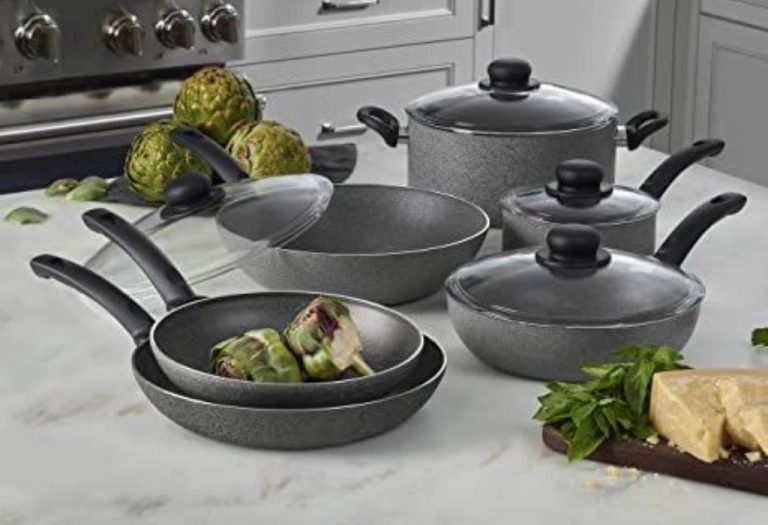
Teflon cookware has transformed kitchens worldwide, making cooking and cleaning faster and easier. Its non-stick surface allows flipping pancakes, frying eggs, or sautéing vegetables without worrying about food sticking.
Despite its convenience, questions about safety have sparked widespread debate. Are Teflon-coated pans harmless, or do they pose hidden health risks when used daily?
Understanding what Teflon is and how it works is essential for anyone who cooks regularly. Knowledge of its properties and limitations helps households make informed choices about cookware.
Overheating Teflon-coated pans can release fumes that may be harmful to humans and lethal to birds. According to the Singapore Food Agency, these fumes occur when pans exceed 260°C and can cause temporary flu-like symptoms (sfa.gov.sg).
Older cookware contained PFOA, a chemical linked to liver damage and other health issues. While PFOA has been phased out, newer chemicals such as GenX are still being studied for long-term effects (xometry.com).
What Is Teflon?
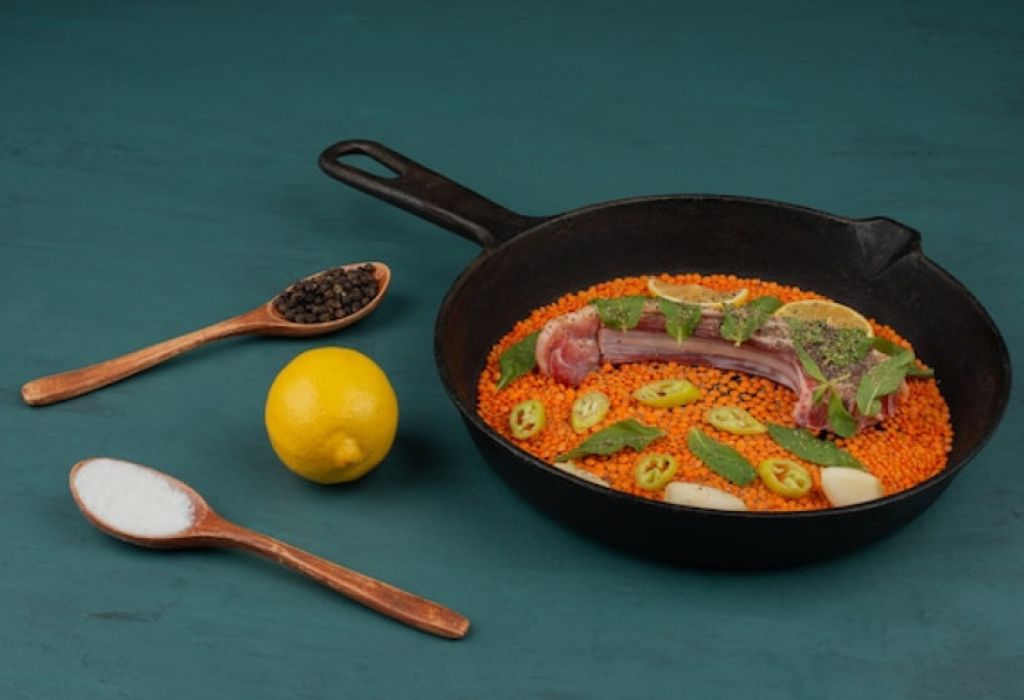
Teflon is a brand name for polytetrafluoroethylene, or PTFE, a synthetic polymer with remarkable non-stick properties. It is widely used to coat cookware surfaces, allowing food to cook without sticking and making cleanup easier.
Teflon was discovered in 1938 by chemist Roy Plunkett at DuPont. Its unique chemical structure creates a surface that is both hydrophobic and resistant to high heat, making it ideal for non-stick cookware (wired.com).
The polymer is highly chemically inert, which means it does not react with most foods or cleaning products. This property makes Teflon safe under normal cooking conditions and prevents flavor contamination.
PTFE is also thermally stable at standard cooking temperatures. However, when exposed to temperatures above 260°C, it can begin to break down and release toxic fumes, which pose health risks.
Teflon is used in many industries beyond cookware. It is found in aerospace components, electronics, plumbing, and industrial coatings due to its low friction and chemical resistance.
Understanding Teflon’s composition and properties helps cooks make informed decisions about its use. Proper handling and maintenance are key to maximizing safety and performance in the kitchen.
- What is Teflon?
Teflon is a synthetic polymer known for its non-stick properties. - Who discovered Teflon?
Chemist Roy Plunkett discovered it in 1938. - Is Teflon safe to use with food?
Yes, it is chemically inert and safe under normal cooking conditions. - What happens if Teflon is overheated?
It can release toxic fumes if exposed to temperatures above 260°C. - Is Teflon used outside of cookware?
Yes, it is used in aerospace, electronics, and industrial applications.
How Teflon-Coated Cookware Works
Teflon-coated cookware works by creating a smooth, non-stick surface on metal pans. This surface reduces friction, preventing food from sticking and allowing for easier cooking and cleaning.
The coating process involves applying PTFE to the cookware and baking it at high temperatures to bond the polymer to the metal. The result is a durable, slick surface that resists food adhesion.
Non-stick properties allow for cooking with minimal oil or fat. This makes meals healthier and reduces cleanup time, a key benefit for busy households.
The longevity of the coating depends on quality and care. High-quality Teflon cookware lasts longer, while scratched or improperly maintained pans lose non-stick performance.
Proper use includes moderate heat, safe utensils, and gentle cleaning. These practices prevent damage to the coating and maintain safety during cooking.
- How is Teflon applied to cookware?
PTFE is applied and baked onto metal to create a smooth, non-stick surface. - Does Teflon prevent all foods from sticking?
Most foods slide easily, but sticky or sugary foods may still adhere slightly. - How long does the non-stick coating last?
It varies by quality and care; high-quality pans last longer. - Can scratched Teflon cookware be repaired?
No, once damaged, the pan should be replaced. - Is it safe to use metal utensils?
No, metal can scratch the coating and reduce non-stick performance.
Common Myths About Teflon Cookware
Many misconceptions surround Teflon cookware. One common myth is that all Teflon pans are dangerous and will release toxic chemicals during normal use. In reality, modern Teflon is PFOA-free and safe under standard cooking conditions.
Another misconception is that scratched or worn Teflon pans are automatically harmful. While ingestion of small PTFE particles is considered low risk, it is still recommended to replace heavily damaged pans to maintain performance and safety.
Some believe that Teflon releases harmful fumes every time it is used. Fume release occurs only at temperatures above 260°C, far beyond normal stovetop cooking. Using medium or low heat prevents this risk entirely.
There is also a myth that all non-stick alternatives, such as ceramic or stainless steel, are inherently safer. While they avoid PTFE, these materials have their own limitations, including the need for more oil or uneven heating.
Understanding myths allows consumers to make informed decisions. Following safe cooking practices and using quality cookware ensures both performance and safety.
- Are all Teflon pans unsafe?
No, modern Teflon is PFOA-free and safe when used correctly. - Do scratched pans pose serious risks?
Minimal risk exists, but heavily damaged pans should be replaced. - Do Teflon fumes occur during normal cooking?
No, fumes occur only when overheated above 260°C. - Are ceramic or stainless steel always safer?
Not necessarily; they have their own limitations. - Why is it important to know the myths?
To make informed decisions and use cookware safely.
Understanding PTFE and Its Properties
PTFE, or polytetrafluoroethylene, is the chemical behind Teflon’s non-stick properties. Its low friction and hydrophobic nature make it ideal for cookware and many industrial applications.
PTFE is chemically inert, meaning it does not react with food or cleaning products. This makes it safe under normal cooking conditions and prevents contamination of flavors.
The polymer is thermally stable at medium cooking temperatures. However, extreme heat above 260°C can cause decomposition, releasing potentially harmful fumes.
PTFE is flexible and adheres well to metal surfaces. This allows for a smooth, durable coating, although sharp utensils or abrasive cleaning can damage it.
Its properties also make it useful beyond the kitchen, including aerospace, electronics, and chemical industries. Understanding PTFE helps users maintain cookware safely and choose suitable alternatives when needed.
- What is PTFE?
PTFE is the synthetic polymer used to make Teflon non-stick. - Why is PTFE non-stick?
Its low friction and hydrophobic properties prevent food from sticking. - Is PTFE safe at normal temperatures?
Yes, it is safe below 260°C. - Can PTFE be damaged?
Yes, sharp utensils or abrasive cleaning can damage it. - Where else is PTFE used?
Aerospace, electronics, and chemical industries.
Cooking Techniques to Maximize Safety
Cooking techniques significantly influence the safety of Teflon cookware. Preheating empty pans on high heat should be avoided, as this accelerates the breakdown of the coating.
Using low to medium heat preserves the non-stick layer while effectively cooking food. Most dishes, including eggs, pancakes, and vegetables, cook perfectly at these temperatures.
Choosing the right utensils is equally important. Wooden, silicone, or heat-resistant plastic utensils prevent scratches and maintain the pan’s surface.
Cleaning practices also protect the coating. Use soft sponges and mild detergents, and avoid steel wool or abrasive pads. Handwashing is generally preferable to extend the lifespan of Teflon pans.
Storage is another factor in maintaining cookware. Protect pans with pan protectors or soft cloths when stacking to avoid scratches. Proper care ensures both longevity and safety.
- Should Teflon pans be preheated empty?
No, add oil or food first to prevent overheating. - What heat is safest for cooking?
Low to medium heat prevents chemical release. - Which utensils are recommended?
Wooden, silicone, or plastic utensils. - How should pans be cleaned?
Handwash with mild detergent and soft sponges. - How should they be stored?
Use protectors or soft cloths to prevent scratches.
Safety Concerns and Myths
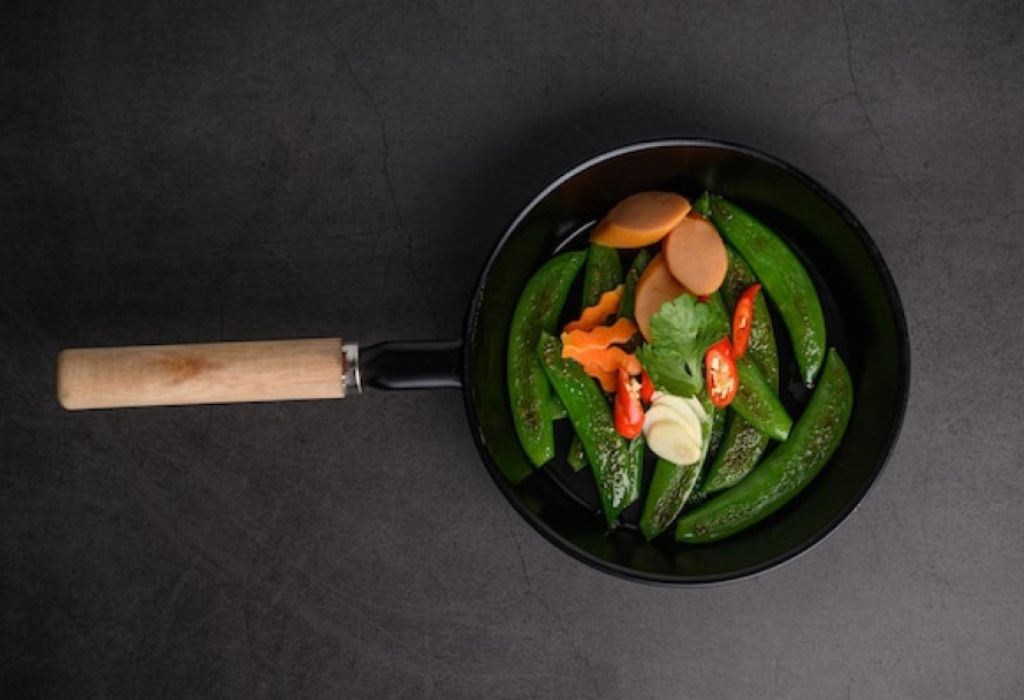
Concerns about Teflon cookware often focus on chemical exposure and potential health risks. Overheating Teflon-coated pans above 260°C can release fumes that may cause temporary flu-like symptoms in humans and can be lethal to birds (sfa.gov.sg).
Older cookware contained PFOA, a chemical associated with liver damage and other health issues. Modern Teflon cookware is now PFOA-free, greatly reducing these risks (xometry.com).
Many myths suggest all non-stick pans are dangerous. In reality, Teflon cookware is safe when used properly, at recommended temperatures, and without damaged surfaces.
Some believe that scratched or worn Teflon pans pose severe health hazards. While ingestion of small PTFE particles is considered low risk, replacing damaged pans ensures safety and maintains cooking performance.
Other misconceptions include assuming that non-stick alternatives like ceramic or stainless steel are automatically safer. While these materials avoid PTFE, they have their own considerations, such as higher oil requirements or uneven heating.
- Is Teflon cookware safe?
Yes, when used at recommended temperatures and maintained properly. - Does Teflon release harmful fumes?
Only if overheated above 260°C. - Is PFOA still used in Teflon cookware?
No, modern Teflon cookware is PFOA-free. - Are scratched pans dangerous?
Minimal risk exists, but heavily damaged pans should be replaced. - Are ceramic or stainless steel always safer?
Not necessarily; they have other limitations like uneven heating or additional oil needs.
Safe Usage and Maintenance Tips
Proper use of Teflon cookware ensures both safety and longevity. Avoid overheating pans above 260°C, as this can cause the coating to break down and release harmful fumes (healthline.com).
Choose utensils carefully. Wooden, silicone, or heat-resistant plastic utensils prevent scratches and maintain the integrity of the non-stick surface.
Cleaning practices are essential for durability. Wash Teflon cookware by hand with warm, soapy water and a soft sponge, avoiding abrasive pads or harsh detergents.
Storage matters to prevent physical damage. Stack pans carefully or use pan protectors between cookware to avoid scratching the coating.
Routine inspection helps identify early signs of wear. Replace pans with deep scratches, chips, or peeling coatings to maintain safety and performance in the kitchen.
- What temperature is safe for Teflon cookware?
Up to 260°C for everyday cooking. - Can I use metal utensils?
No, use wooden, silicone, or plastic utensils to avoid scratching. - Is dishwasher safe?
Some pans are, but handwashing is recommended to preserve the coating. - How should Teflon cookware be stored?
Use pan protectors or soft cloths when stacking to prevent damage. - When should I replace my Teflon pan?
Replace it if the coating is chipped, scratched, or peeling.
Long-Term Health Studies on Teflon
Studies have explored potential long-term effects of Teflon and PTFE exposure. Chemicals like PFOA, used historically, were linked to liver damage, thyroid issues, and certain cancers in animal studies.
Modern cookware is PFOA-free, significantly reducing these risks. Human studies indicate that occasional use under normal conditions is generally safe. Health concerns mainly arise from overheating or ingesting particles from damaged cookware.
PTFE particles released from scratched pans are minimal. Although considered low risk, replacing heavily damaged pans is recommended for optimal safety.
Research continues on replacement chemicals like GenX. Staying informed about new findings helps consumers make safer choices regarding cookware.
Safe cooking practices remain essential. Using proper heat, maintaining the coating, and avoiding damaged pans reduce chemical exposure and protect health.
- Do long-term studies show Teflon is harmful?
Modern PFOA-free Teflon is considered safe under normal use. - What health risks were linked to PFOA?
Liver damage, thyroid issues, and certain cancers. - Are PTFE particles dangerous if ingested?
Minimal risk; replace damaged pans for safety. - Can overheating cause health problems?
Yes, fumes from extreme heat can be harmful. - Should consumers follow scientific updates?
Yes, staying informed helps make safer cookware choices.
Environmental Impact of Non-Stick Cookware
Non-stick cookware production and disposal can affect the environment. PFAS chemicals used in Teflon production are persistent and can contaminate water and soil.
PFAS compounds are often called “forever chemicals” because they degrade slowly. They can accumulate in wildlife and enter the human food chain.
Modern manufacturing has replaced PFOA with alternatives like GenX. While safer for humans, environmental monitoring is still important to assess long-term effects (time.com).
Consumers can reduce impact by choosing durable cookware. Long-lasting pans reduce waste and limit the frequency of replacement, lowering overall environmental burden.
Recycling options are limited for non-stick pans. Proper disposal and choosing recyclable alternatives, such as ceramic or stainless steel, can minimize ecological harm.
Awareness of environmental concerns encourages responsible purchasing and disposal. Combining safety, performance, and eco-consciousness is increasingly important in modern kitchens.
- Are PFAS chemicals harmful to the environment?
Yes, they persist and can contaminate water and soil. - Is modern Teflon safer environmentally?
PFOA is phased out, but GenX requires monitoring. - How can consumers reduce impact?
Use durable cookware, replace wisely, and recycle when possible. - Are ceramic or cast iron eco-friendly?
Yes, they have minimal chemical impact and are durable. - Why is environmental awareness important?
Responsible choices reduce pollution and protect long-term health.
Alternatives to Teflon Cookware
Several alternatives to Teflon cookware provide non-stick benefits without PTFE. Ceramic cookware is PFAS-free, tolerates higher temperatures, and is considered safe for everyday cooking (en.wikipedia.org).
Cast iron pans are naturally non-stick when properly seasoned. They are durable, long-lasting, and add iron to your diet while performing well for a variety of cooking tasks.
Stainless steel cookware is non-reactive and durable. It requires more oil to prevent sticking but remains a safe and reliable option for home kitchens.
Carbon steel pans behave similarly to cast iron. With proper seasoning, they develop a natural non-stick surface and provide long-lasting performance.
Other alternatives include anodized aluminum and stoneware. These options combine non-stick properties with minimal chemical exposure, offering safe choices for modern kitchens.
- Is ceramic cookware a good alternative?
Yes, it is PFAS-free and safe for higher-temperature cooking. - Does cast iron require special care?
Yes, it needs to be seasoned to maintain non-stick properties. - Is stainless steel non-stick?
No, more oil is required to prevent sticking. - What about carbon steel?
Similar to cast iron, it requires seasoning for a non-stick surface. - Which is the best alternative?
The best option depends on cooking style, preferences, and maintenance willingness.
Regulatory Perspectives on Teflon Cookware
Teflon cookware has been approved by the FDA for household use when following manufacturer guidelines. Proper usage includes avoiding overheating and replacing damaged pans (xometry.com).
Environmental concerns remain regarding PFAS chemicals historically used in production. These substances are persistent in the environment and may accumulate in soil and water, raising ecological concerns (the-sun.com).
Some U.S. states have proposed restrictions or bans on PFAS-containing products. These regulations aim to reduce environmental contamination while promoting safer consumer alternatives.
Manufacturers have improved safety standards over the years. Modern Teflon cookware is PFOA-free and designed to withstand normal cooking temperatures without releasing harmful substances.
Consumers benefit from staying informed about safety guidelines. Understanding regulations and manufacturer recommendations ensures both health and environmental responsibility.
- Is Teflon cookware approved by the FDA?
Yes, it is safe for household use when following guidelines. - Are there environmental concerns with Teflon?
PFAS chemicals are persistent and may contaminate soil and water. - Do any states restrict Teflon products?
Some states have proposed restrictions or bans on PFAS-containing products. - Has Teflon safety improved over time?
Yes, modern cookware is PFOA-free and designed for safe use at normal temperatures. - How can consumers stay informed?
Follow manufacturer guidelines and updates from regulatory agencies.
Tips for Choosing Safe Cookware
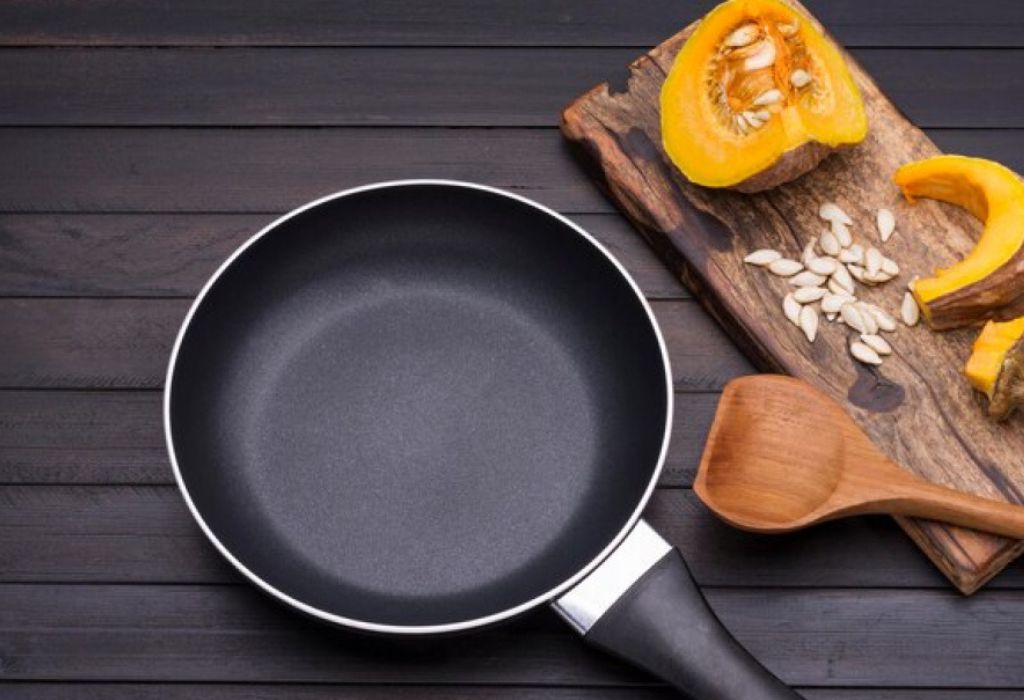
Selecting safe cookware involves balancing convenience, performance, and health. Consumers should check labels for PFOA-free certification and compliance with FDA guidelines.
Non-Teflon alternatives such as ceramic, cast iron, stainless steel, and carbon steel offer varying benefits. Consider durability, heat tolerance, and ease of maintenance when choosing.
High-quality cookware resists chipping and scratching. Reading reviews and researching brands helps ensure long-lasting performance.
Heat tolerance is essential. Ceramic and stainless steel often handle higher temperatures than Teflon, offering versatility in cooking.
Maintenance is equally important. Proper cleaning, storage, and utensil use prolong cookware life while minimizing health and environmental risks.
Informed choices ensure safety and performance. Combining proper material selection, safe cooking habits, and conscientious maintenance protects families while enhancing cooking experiences.
- How do I know if Teflon cookware is safe?
Look for PFOA-free labeling and follow manufacturer guidelines. - Are non-Teflon alternatives safer?
Yes, ceramic, cast iron, stainless steel, and carbon steel avoid PTFE risks. - What should I consider about coating quality?
Choose high-quality coatings to prevent chipping or scratching. - How important is heat tolerance?
Essential; use pans within recommended temperatures to prevent chemical release. - Why is proper maintenance crucial?
Cleaning, storing, and using safe utensils prolong lifespan and maintain safety.
Conclusion
Teflon cookware provides convenience with its non-stick surface, making cooking and cleaning easier for households worldwide. Understanding its properties, proper usage, and limitations is essential for safe and effective use.
Following safe practices such as avoiding high heat, using proper utensils, and replacing damaged pans ensures both safety and longevity. Regular inspection and careful maintenance help prevent chemical exposure and preserve performance.
Exploring alternatives like ceramic, cast iron, stainless steel, and carbon steel offers additional options for healthy cooking. These options combine non-stick benefits with minimal chemical risk, allowing cooks to choose cookware that fits their needs.
Awareness of regulatory updates and manufacturer guidelines supports informed decision-making. Staying informed ensures both health and environmental responsibility in the kitchen.
Ultimately, Teflon cookware can be safe when used correctly. Evaluate your current cookware, follow best practices, and consider alternatives to make your kitchen safer and more efficient.

I’m Emma J. Caldwell, the founder, lead writer, and home-cooking enthusiast behind KitchenGuideCo.com. With a background in culinary arts and over a decade of cooking experience in both professional and personal kitchens, I created this platform to demystify recipes, offer smart kitchen gadget reviews, and guide readers through meal prep with confidence and clarity.