Making pie crust in a food processor is one of the fastest ways to achieve a flaky and consistent dough. Many bakers struggle with choosing the right size processor, especially when dealing with cold butter and flour that need quick, precise mixing.
Understanding bowl capacity and blade action helps you choose a processor that creates perfect crust every time.
Pie dough needs quick pulses to cut butter into flour without melting it. A food processor that is too small will overcrowd the ingredients, while one that is too large may not mix evenly. Choosing the proper size ensures the butter stays cold and distributes evenly.
The right food processor size depends on batch size, number of pies and flour volume. Some people make a single pie occasionally, while others prepare multiple crusts at once. Selecting the correct capacity makes the dough making process faster and more efficient.
Before choosing a size, it helps to understand how food processors work with dry ingredients. Flour needs room to move, and butter needs space to tumble between pulses. Too much compression leads to overmixing and tough crust.
Food processors vary in power and bowl shape. These differences affect how ingredients mix and how evenly butter cuts through the flour. Knowing how these factors influence performance makes it easier to select the best processor size.
This guide explains what size food processor you need for pie crust and how different capacities affect dough texture. You will learn ideal bowl sizes, tool recommendations and practical tips for perfect results. With the right size, your pie crust becomes easier, faster and more consistent.
Best Food Processor Size for a Single Pie Crust
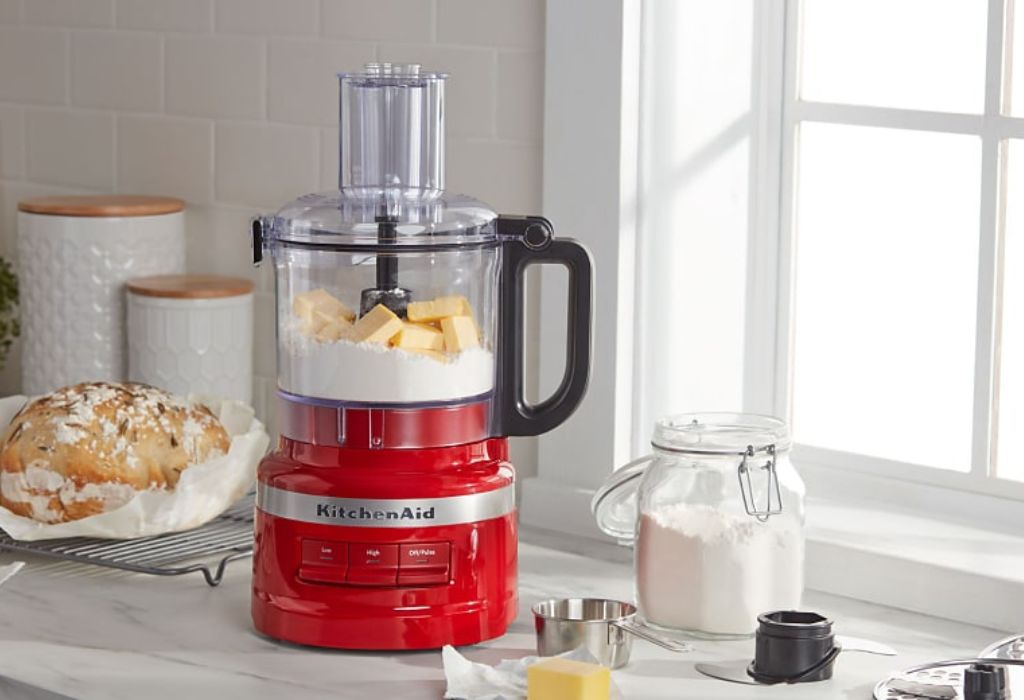
A 7 to 8 cup food processor is the ideal size for making one standard pie crust. This size provides enough room for flour to move freely and for butter to break into pea sized pieces. Excessively small bowls compress ingredients, causing uneven mixing.
The 7 to 8 cup range works well for recipes using around one and a half cups of flour. It prevents overcrowding and allows for efficient pulsing. This size keeps the dough light and flaky.
Using a bowl smaller than 6 cups is not recommended. Smaller bowls force ingredients against the blade and reduce air space. This results in butter smearing instead of cutting cleanly.
A medium sized processor provides better control. It handles dry ingredients with precision and does not overwork the dough. This ensures a tender crust every time.
For occasional bakers, this size is easy to store and simple to use. It balances capacity and kitchen convenience. This makes it a great choice for home bakers.
Choosing the right size helps maintain dough quality. A properly sized bowl prevents mistakes and improves texture. With this capacity, making pie crust becomes quick and reliable.
Recommended Size for Double or Multiple Pie Crusts
A 10 to 12 cup food processor is ideal for making double crusts or multiple batches. Larger bowls provide the space needed for increased flour volume. This prevents overflow and ensures consistent butter distribution.
Big batches require more movement. The extra space helps the blade rotate smoothly through the ingredients. This ensures the dough forms evenly without sticking.
Dough for two pies needs about three cups of flour. A 10 cup processor handles this amount comfortably. Anything smaller may strain the motor and reduce mixing quality.
Processors in this size range usually come with stronger motors. Strong motors cut through cold butter quickly. This preserves texture and prevents overheating.
These larger processors are useful for frequent bakers. They handle holiday baking, large families and batch freezing. Their versatility makes them worth the extra space.
Selecting the right size improves productivity. Larger capacity prevents doing multiple small batches. This saves time and maintains dough consistency.
Why Bowl Capacity Matters for Pie Crust
Pie crust requires precise butter distribution. The bowl must be large enough to let ingredients tumble freely. Tight spaces cause dense mixing and tough crust.
Bowl capacity also affects blade contact. With enough room, the blade cuts butter into small cold pieces that create flaky layers. Too small a bowl produces smeared butter and poor texture.
Adequate space prevents overheating. Small bowls trap heat from the motor and warm the butter. Warm butter ruins the structure of pie dough.
Capacity also influences flour aeration. Flour needs space to rise and fall while pulsing. This movement helps the dough stay tender.
A larger bowl improves overall control. It gives you more visual space to observe texture and determine when to stop processing. This prevents overmixing.
Understanding capacity ensures better results. A properly sized bowl turns pie dough from challenging to simple. This leads to consistent and delicious crusts.
How Food Processors Mix Pie Dough
Food processors mix pie dough by pulsing cold butter into flour. The S blade cuts the butter quickly and creates small, even fat pieces. This method mimics traditional pastry cutting with far less effort.
The pulsing technique prevents overmixing. Short bursts keep butter cold and maintain proper texture. Too much mixing melts butter and ruins flakiness.
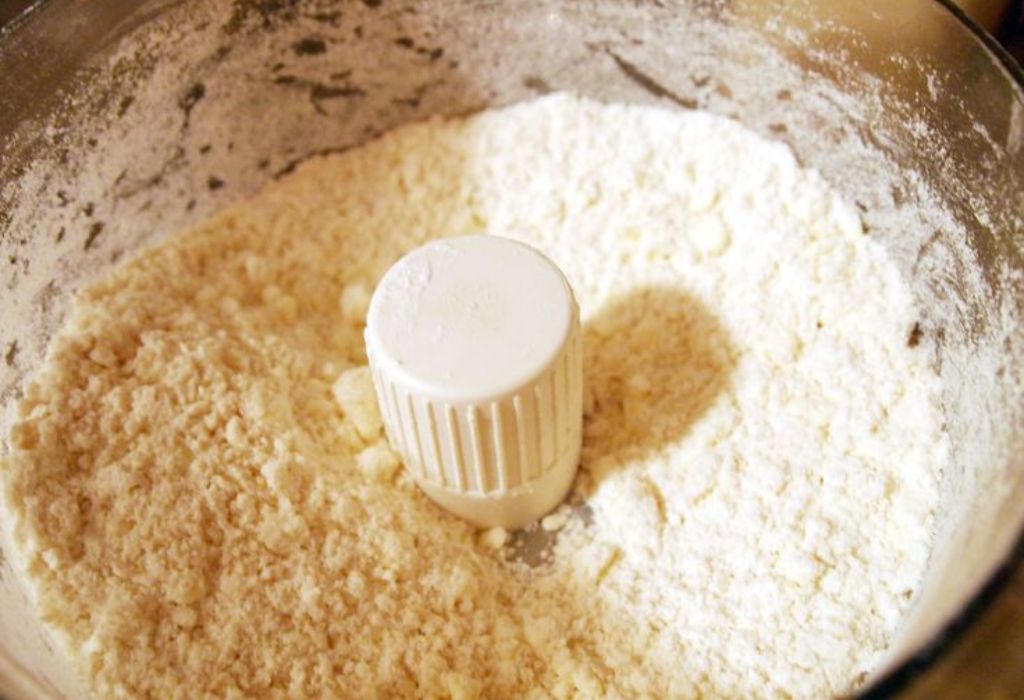
Pie dough forms when liquid is added. As the processor pulses, small crumbs gather into soft clumps. The dough should stop before becoming a full ball.
The bowl shape influences mixing. Wide bowls improve movement and distribute ingredients evenly. Tall narrow bowls may require more scraping.
Blade sharpness matters. Sharp blades cut cleanly through butter. Dull blades smear ingredients together.
Food processors create consistent dough when used correctly. They reduce prep time and increase accuracy. Understanding their mixing pattern helps achieve flaky crusts.
Using a Smaller Processor for Pie Crust
You can use a smaller 5 to 6 cup food processor if you reduce batch size. This requires splitting dough into multiple smaller batches. Smaller bowls cannot handle full flour volume.
Small processors heat faster. They warm butter more quickly and reduce dough quality. Working in quick pulses helps control temperature.
Half batches work best. You divide flour and butter into smaller amounts. This prevents crowding and improves texture.
Smaller bowls require more monitoring. Dough sticks to sides and needs frequent scraping. This ensures even mixing.
Portion control is important. Overfilling a small processor leads to poor results. Following capacity limits avoids mistakes.
Smaller processors provide flexibility but require care. They are suitable for small kitchens and occasional bakers. With correct technique, they still make excellent crusts.
Advantages of a Large Food Processor for Pie Dough
Large processors offer strong performance for big batches. Their powerful motors handle cold butter with ease. This improves consistency and texture.
They provide more air space. Extra room reduces heat buildup and keeps butter cold. Cold butter is crucial for flakiness.
Large bowls reduce the need for multiple batches. This saves time during holiday baking or family gatherings. Efficiency improves workflow.
Larger processors also have sturdier components. Their blades and motors last longer under heavy use. This increases value over time.
They handle additional tasks well. Beyond pie dough, they manage slicing, shredding and pureeing. This makes them versatile for daily cooking.
Large processors are ideal for serious bakers. They provide strong performance and long term durability. Investing in one ensures top quality dough.
Choosing the Right Processor Based on Baking Habits
Your baking frequency determines the processor size you need. Frequent bakers benefit from larger capacities. Occasional bakers do well with medium sizes.
Batch size influences decision. If you often make multiple pies, choose a 10 to 12 cup model. Single pie bakers can use 7 to 8 cups.
Kitchen space matters. Larger processors require more storage. Medium processors offer a balance of size and convenience.
Budget also plays a role. Larger models cost more but provide superior performance. Smaller models save money but require more batches.
Think about other tasks. If you want slicing and shredding options, choose a multi functional size. Versatile models improve value.
Choosing based on habits ensures better use. Matching size to lifestyle improves results and convenience. This approach leads to consistent baking success.
Tips for Making Pie Crust in a Food Processor
Use cold butter and cold flour to protect texture. Cold ingredients create flakier crusts. Warm ingredients cause melting and toughness.
Pulse instead of running continuously. Pulsing controls texture and prevents overmixing. Checking often ensures correct dough formation.
Cut ingredients before adding them. Even sized chunks distribute more efficiently. This creates consistent mixing.
Add liquid gradually. Small additions prevent sticky dough. Pulse gently until crumbs form.
Stop before dough forms a full ball. Over processing creates gummy texture. Light clumping is the correct stage.
These tips improve crust quality. Proper technique ensures consistent results. This makes pie baking easier for all skill levels.
FAQs About Choosing a Food Processor Size for Pie Crust
What size food processor is best for a single pie crust?
A 7 to 8 cup food processor is ideal for a single crust. It gives enough room for flour to move and for butter to cut evenly. This size prevents overcrowding and preserves texture.
Can I use a 5 cup processor for pie dough?
Yes, but only if you make half batches. Small bowls overcrowd easily, causing butter to smear instead of cut. Splitting the recipe improves results.
Is a 10 cup food processor too big for pie crust?
No, a 10 cup processor works well for double crusts or larger batches. It also handles single crusts effectively when ingredients are spread evenly. Extra space helps maintain cold butter.
Does bowl size affect dough flakiness?
Yes, bowl capacity influences how butter moves through the flour. If the bowl is too small, butter melts from compression and heat. Adequate space keeps butter cold and intact.
Can large food processors overmix dough?
They can if you hold the pulse button too long. Large motors are powerful and need careful control. Short pulses prevent overmixing.
How many cups should a processor be for two pie crusts?
A 10 to 12 cup processor is best for double crusts. It handles around three cups of flour without strain. This ensures consistent butter distribution.
Does motor strength matter for pie dough?
Yes, stronger motors cut cold butter more cleanly. Weak motors strain and warm the dough. A good motor preserves flakiness.
Can I make gluten free pie crust in any size processor?
Yes, gluten free dough works in all processor sizes. However, larger processors handle sticky dough more easily. A medium bowl gives the best control.
Why does my dough turn warm in the processor?
Warm dough happens from overprocessing or using a small bowl. Heat from the motor melts butter quickly. Using short pulses prevents temperature rise.
Should I freeze butter before making dough in a processor?
Freezing is helpful for very flaky crusts. Hard butter cuts into cleaner pieces and stays cold longer. This improves dough texture and structure.
Conclusion
Choosing the right size food processor makes pie crust preparation faster, easier and much more consistent.
A properly sized bowl allows flour to move freely and keeps butter cold enough to create the flaky layers every baker wants. This balance between capacity and control helps you achieve professional quality results at home.
Understanding how bowl size, motor power and ingredient volume interact prevents common dough mistakes.
Using pulse control and cold ingredients ensures the processor works efficiently without overmixing. With the right size and technique, your food processor becomes a dependable tool for perfect pie dough every time.
Whether you bake occasionally or prepare multiple crusts for large gatherings, selecting the correct food processor size gives you confidence and reliability. It reduces guesswork, prevents frustration and improves overall dough texture.
With the proper equipment, pie crust becomes one of the easiest and most satisfying tasks in the kitchen.

I’m Emma J. Caldwell, the founder, lead writer, and home-cooking enthusiast behind KitchenGuideCo.com. With a background in culinary arts and over a decade of cooking experience in both professional and personal kitchens, I created this platform to demystify recipes, offer smart kitchen gadget reviews, and guide readers through meal prep with confidence and clarity.