Trying to make dough without a food processor feels intimidating at first, especially when recipes keep telling you to “pulse until a ball forms.”
Many people assume dough requires expensive machines, but traditional bakers created perfect dough long before food processors even existed.
I once watched someone postpone baking because their processor broke, only to learn later that the simplest tools work even better.
When you use your hands, a wooden spoon, or a stand mixer, you gain more control over dough texture and elasticity.
Machines can sometimes overmix dough, but manual methods allow you to feel the hydration and adjust instantly. Many home bakers discover their dough improves dramatically when they switch to slower, more deliberate methods.
The best part is that the tools needed for dough making are already in most kitchens. Stand mixers, hand mixers, forks, spoons, and even simple hands can produce soft, stretchy, perfectly kneaded dough.
In this guide, you will learn every reliable method to make dough without a food processor, all using basic tools and easy techniques.
Why You Don’t Actually Need a Food Processor for Dough
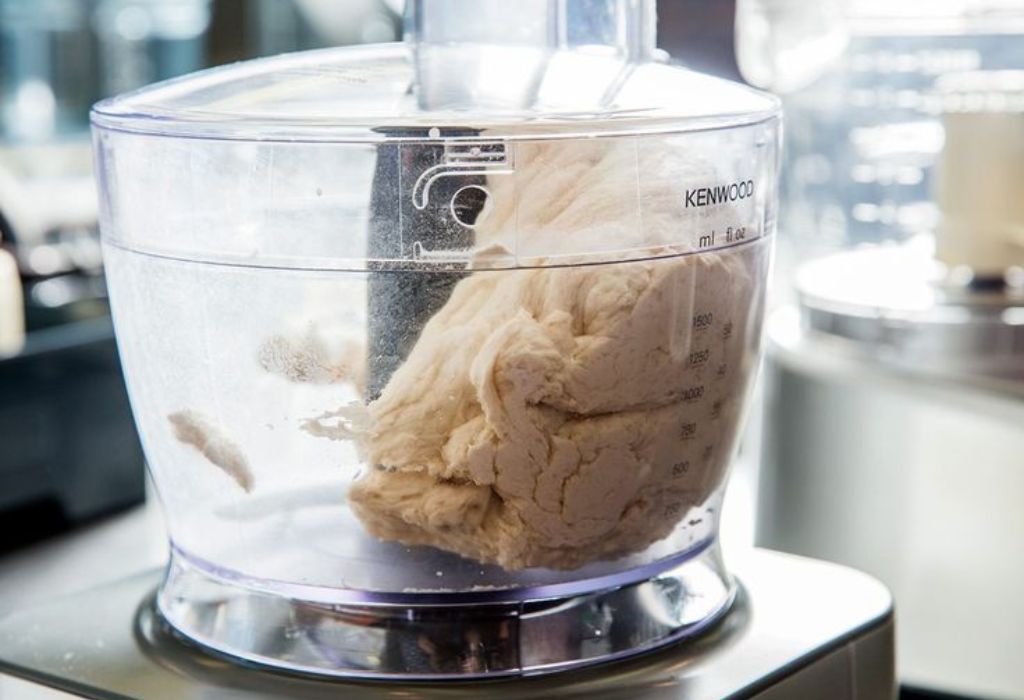
Using a food processor is convenient, but it is not essential for dough making. Dough has been made by hand for centuries long before kitchen appliances existed. Many bakers still prefer manual methods because they offer more control and better texture.
A food processor can sometimes overmix dough, which affects gluten development. Overmixed dough becomes tough or stretchy in the wrong way. Manual techniques prevent this by allowing you to stop the moment the dough reaches the right softness.
Most dough recipes require only flour, water, and motion. Motion can be created using hands, a spoon, a mixer, or even chopsticks depending on the dough type. These tools replicate the same kneading and folding actions that a food processor performs automatically.
Kneading by hand gives the baker a better understanding of dough hydration. You can feel when the dough is too wet or too dry. This tactile feedback allows instant adjustments that machines cannot detect.
Traditional methods also create more flavor in some doughs. Slow mixing encourages fermentation and strengthens gluten gradually. This results in a richer texture for bread, pizza, and pastry dough.
Avoiding a food processor also reduces heat issues. Processors create friction that warms the dough, which can melt butter or affect rising. Manual or alternative tools keep temperatures stable and preserve dough structure naturally.
Dough making without machines is simpler, cleaner, and offers better control. With the correct technique, you can achieve soft, elastic dough using everyday kitchen tools. Understanding these benefits removes the fear of mixing dough without a processor.
Tool 1: Stand Mixer — The Best Food Processor Alternative
A stand mixer is the closest replacement for a food processor when making dough. It uses a powerful motor to mix heavy dough without overheating. The dough hook attachment mimics hand kneading with consistent motion.
Start by adding all ingredients to the mixer bowl. The dough hook rotates slowly, pulling and stretching the dough. This movement develops gluten efficiently without manual effort.
Stand mixers have multiple speed settings. Low speed is ideal for kneading most dough types. Higher speeds should be avoided because they may overmix or tear the dough.
One advantage of stand mixers is that they can handle large dough batches. This makes them perfect for bread, pizza, and large baking projects. Food processors often struggle with heavy or sticky dough.
The mixer also keeps the dough contained in the bowl. This prevents flour from spilling everywhere during mixing. It offers a cleaner working experience for beginners.
Using a stand mixer also reduces arm fatigue. Hand kneading requires strength and endurance, especially for tight doughs. The mixer takes care of the hard work while you supervise texture changes.
Despite its power, the mixer still allows manual adjustments. You can stop anytime to feel the dough and check elasticity. This combination of control and convenience makes stand mixers the best food processor substitute.
Tool 2: Hand Mixer With Dough Hooks
A hand mixer is a lightweight and affordable alternative to a food processor. Many hand mixers include dough hook attachments meant for kneading. These hooks twist and fold dough similarly to a stand mixer.
Begin by mixing the dough in a deep bowl. The depth prevents dough from flying out during mixing. Start at the lowest speed to incorporate ingredients gradually.
The dough hooks will gather the mixture into a ball as mixing continues. This reduces the need for heavy manual kneading. It is especially useful for soft doughs like pizza dough or brioche.
Hand mixers are best for small to medium dough batches. They lack the strength for very stiff or high-gluten doughs. Overloading the motor may cause overheating.
To avoid overheating, mix in short intervals. Give the motor brief breaks to cool down. These pauses prevent damage and help the dough gain elasticity.
Hand mixers offer excellent control because you can adjust angles and movement. You can rotate the bowl or move the mixer to ensure even mixing. This flexibility allows more precision than a stationary machine.
With proper technique, hand mixers can replace a food processor for most light doughs. They offer portability, convenience, and reliable results without heavy effort. They make dough creation easier for beginners and home bakers.
Tool 3: Using Your Hands for Traditional Kneading
Hand kneading is the oldest and most effective method for making dough. It gives the highest level of control over texture, elasticity, and hydration. It also helps you understand how dough behaves at each stage.
To knead by hand, use the push-fold-turn technique. Push the dough away with your palm, fold it back, then rotate slightly. This motion develops gluten naturally over time.
Hand kneading allows you to feel when the dough is too wet or sticky. You can add flour gradually and adjust hydration levels. Machines cannot sense these changes as precisely.
Kneading by hand also prevents overheating. Your hands keep dough at room temperature, preserving butter chunks for pastry dough. The cooler environment helps create flaky textures.
Although hand kneading requires effort, it creates a strong connection with the dough. Many bakers prefer this experience because it feels rewarding and calming. Working the dough becomes both a craft and a skill.
Hand kneading is perfect for bread, naan, roti, pizza, and pasta dough. These doughs rely on tactile feedback to reach ideal consistency. You can stop kneading the moment the dough becomes smooth and elastic.
Traditional kneading tools like a bench scraper can assist during the process. They help lift sticky dough from the surface and maintain rhythm. With practice, hand kneading becomes easy, efficient, and enjoyable.
Tool 4: Using a Large Bowl and Wooden Spoon
A large mixing bowl combined with a wooden spoon is a surprisingly effective dough-making tool. This method is perfect for soft doughs requiring gradual hydration. The spoon helps mix ingredients without touching sticky dough at first.
Start by combining flour, water, and other ingredients in the bowl. Use the wooden spoon to stir in circular motions. The dough will begin to form clumps as you mix.
As mixing continues, the wooden spoon creates resistance. This resistance mimics basic kneading action. It helps the dough come together without needing a processor.
Once the dough becomes too stiff for the spoon, transfer it to a surface. Knead lightly until a smooth texture forms. The spoon reduces the overall time spent hand kneading.
This method is ideal for beginners afraid of sticky dough. It helps build confidence by starting the kneading process safely. The bowl keeps everything contained and easy to manage.
Wooden spoons prevent dough from overheating. They do not transfer heat like metal blades. This maintains dough integrity throughout mixing.
Using a spoon for dough is simple, inexpensive, and highly effective. It works well for cookie doughs, soft bread doughs, and pastry bases. A spoon and bowl can fully replace a food processor for most home recipes.
Tool 5: Using a Blender for Small Batches
A blender can handle small dough batches when used properly. It mimics pulsing action similar to a food processor. However, it requires careful attention to prevent motor strain.
Start by adding dry ingredients first. Pulse them briefly to mix. Then add wet ingredients slowly while pulsing again.
Only pulse in short bursts to prevent overheating. Blenders generate heat quickly, especially with thick dough. Too much heat can melt butter or compromise dough texture.
Blenders work best for small dough quantities. They are suitable for pie crusts, small pizza doughs, or cookie doughs. Large or stiff doughs may jam the blades.
If dough becomes too thick, remove it immediately. Overloading the blender risks motor damage. Transfer the dough to a bowl and finish kneading by hand.
Blender mixing is helpful when you need quick mixing. It reduces the time required to bring ingredients together. The pulsing method provides decent control over dough creation.
While not ideal for all recipes, blenders offer a fast alternative. They replicate basic processor functions at a smaller scale. When used cautiously, they replace processors effectively for light dough.
Tool 6: Using a Pastry Cutter or Bench Scraper
A pastry cutter is excellent for doughs containing butter or fat. It cuts butter into flour without melting it. This technique creates flaky layers in pastry dough.
Begin by adding flour and cold butter chunks into a bowl. Use the pastry cutter to press and slice through the mixture. This motion creates small butter pieces that help form flaky dough.
A bench scraper is useful for folding and lifting dough. It helps keep dough from sticking to surfaces. You can also use it to divide and combine dough sections.
Pastry cutters prevent hands from warming the dough. Warm hands melt butter too quickly. This affects dough flakiness and structure.
These tools are perfect for pie crusts, biscuits, and scones. They help maintain cold temperature throughout mixing. Proper temperature control is essential for layered pastries.
Pastry cutters and bench scrapers require minimal effort. They give you precise control over mixing and shaping. They are essential tools for bakers working without machines.
Using these tools results in delicate and evenly textured dough. They replicate key steps a processor performs but with more precision. They produce excellent results even for professional baking.
Tool 7: Using a Fork or Chopsticks for Soft Doughs
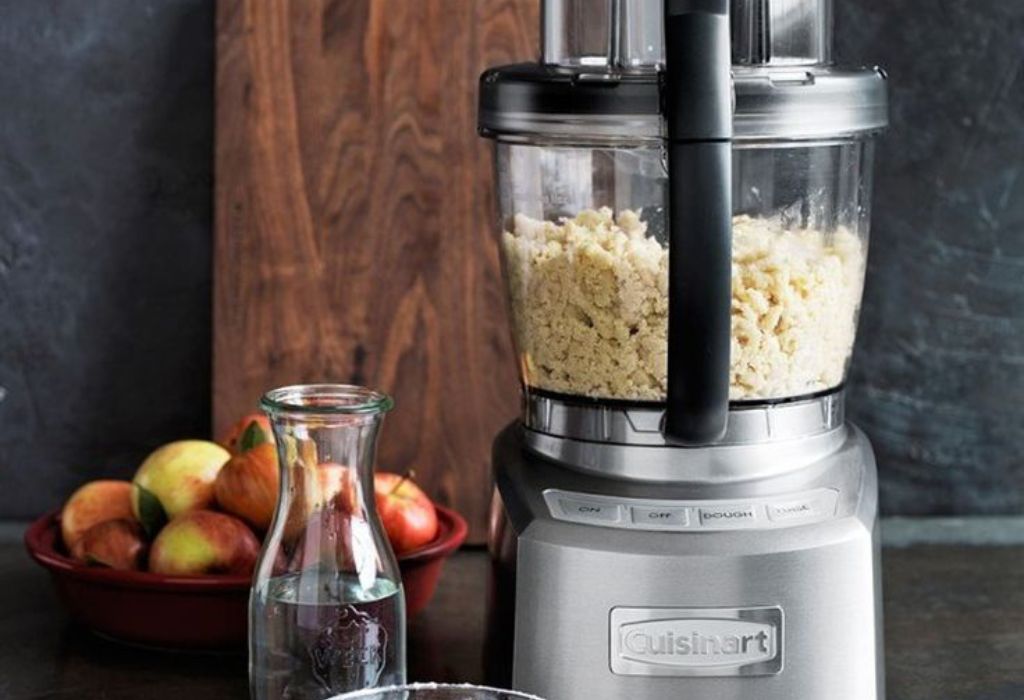
A fork is ideal for mixing light doughs such as pancakes, muffins, or soft bread. It helps incorporate ingredients gently without overmixing. Forks also allow controlled stirring in smaller bowls.
Chopsticks are excellent for high-hydration doughs like Japanese milk bread dough or batter-like doughs. Their narrow shape reduces dough sticking. They help aerate the mixture naturally.
Begin by mixing wet and dry ingredients in a bowl. Use the fork or chopsticks to mix slowly in circular motions. Dough will begin forming gradually.
Using a fork avoids compacting the dough too tightly. This ensures softer, fluffier results. Chopsticks create air pockets that improve dough texture.
These tools prevent overheating and preserve dough integrity. They do not transfer heat and help control mixing speed. This results in smoother consistency.
Forks and chopsticks are perfect for beginners. They are inexpensive and widely available. They provide unexpectedly effective mixing results.
Using simple tools encourages better attention to dough consistency. You gain confidence by mastering gentle mixing methods. They fully replace processors for soft dough types.
FAQ’s About Making Dough Without a Food Processor
What is the best food processor alternative for dough?
A stand mixer with a dough hook is the closest and most effective substitute.
Can I knead dough by hand if it’s very sticky?
Yes, use a bench scraper to manage stickiness until the dough firms up.
Is a blender good for making dough?
Only for small, soft dough batches and always in short pulses.
Do hand mixers work for heavy dough?
They work for light doughs but may overheat if the dough is stiff.
Can I use a wooden spoon for thick dough?
Yes, but you may need to switch to hand kneading once it thickens.
How do I prevent dough from overheating without machines?
Mix slowly, use cold ingredients, and avoid warm surfaces.
What tool works best for pastry dough?
A pastry cutter or bench scraper keeps butter cold and creates flakiness.
Can I overmix dough by hand?
It’s possible, but far less likely compared to machine mixing.
What is the easiest method for beginners?
Hand kneading or wooden spoon mixing are simple and reliable.
Can I make pizza dough without a processor?
Yes, hand kneading or a stand mixer produces excellent pizza dough.
Conclusion
Making dough without a food processor is not only possible but often gives you better results with more control, flavor, and texture.
Traditional techniques such as hand kneading, spoon mixing, or using a stand mixer allow you to feel every stage of the dough and adjust hydration instantly.
These methods prevent overheating and preserve dough integrity far better than fast-moving processor blades. When you knead dough manually or with simple tools, you gain a deeper understanding of gluten development and dough elasticity.
Alternative tools like pastry cutters, forks, wooden spoons, and tension mixing techniques work beautifully for nearly all dough types.
Whether you’re making bread, cookies, pastries, or pizza, these tools help you create stable and smooth dough without relying on expensive appliances. Each method provides its own unique advantage, from maintaining cold butter in pastry dough to evenly incorporating flour into soft batters.
By slowing down and using deliberate movement, you avoid common mistakes such as overmixing or overheating the dough.
These non-processor methods also bring more satisfaction to the baking experience. You connect with the dough, feel its transformation, and refine your skills with each batch.
With the right techniques, even beginners can produce dough that rivals professional bakery quality. Once you experience how easy and rewarding these options are, you may find yourself choosing them over a processor even when one is available.

I’m Emma J. Caldwell, the founder, lead writer, and home-cooking enthusiast behind KitchenGuideCo.com. With a background in culinary arts and over a decade of cooking experience in both professional and personal kitchens, I created this platform to demystify recipes, offer smart kitchen gadget reviews, and guide readers through meal prep with confidence and clarity.