If your dishwasher isn’t cleaning as well as it used to or you’ve noticed lingering odors, the culprit is often the filter hiding at the bottom of the tub.
This small yet vital component is responsible for catching food particles, grease, and debris before they clog the drain or recirculate onto your dishes.
Many people don’t realize their dishwasher even has a filter, let alone where it’s located, but it plays a crucial role in keeping the machine running efficiently.
Over time, this filter can become packed with food residue and soap scum, reducing water pressure and causing poor cleaning performance.
When blocked, it may also lead to standing water or unpleasant smells every time you open the door. Understanding where the filter is and how to clean it ensures your dishwasher performs like new.
Locating the filter is easy once you know what to look for. It’s typically positioned beneath the lower spray arm, where water collects and drains out. With regular cleaning, you can prevent most common dishwasher problems, from dirty dishes to drainage issues.
In this guide, you’ll learn exactly where the filter is located, how to remove and clean it safely, and how to keep it in excellent condition.
Once you know how this simple part works, you’ll never overlook it again, and your dishwasher will reward you with spotless, sparkling results every time.
Where Is the Dishwasher Filter
Opening your dishwasher and seeing dirty water or bits of food left behind can be frustrating. Often, the reason lies not in the cycle or detergent but in the dishwasher’s filter. The filter is a small yet essential component that traps leftover food particles, grease, and debris, preventing them from recirculating during washes. Knowing exactly where the dishwasher filter is — and how to clean it — can make a huge difference in how well your dishes come out.
Most modern dishwashers have a removable filter system located near the bottom of the tub. Its job is to catch solids and protect the pump from clogging. Over time, if the filter gets blocked, water can’t drain properly, causing unpleasant odors and poor cleaning performance. Understanding where your filter sits and how it functions is key to maintaining an efficient and hygienic dishwasher.
This guide explains where to find the filter in different dishwasher models, how to remove it safely, and how often you should clean it for best results. With regular care, your dishwasher will run quieter, smell fresher, and produce spotless results every time.
Why the Dishwasher Filter Matters
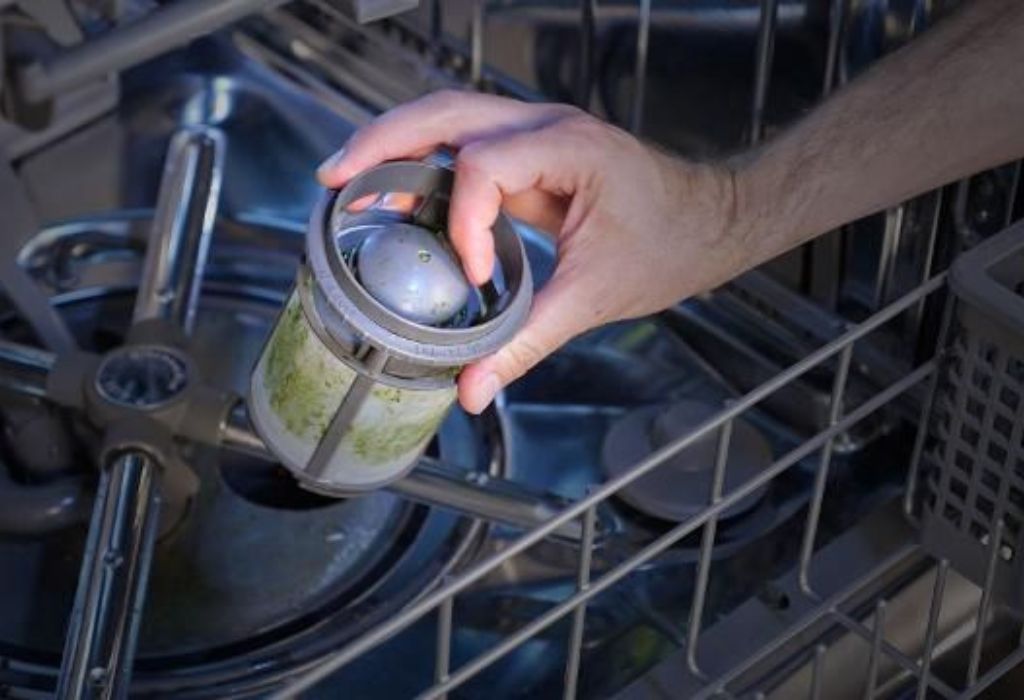
The dishwasher filter acts as the first line of defense against debris. It keeps leftover food from circulating back onto clean dishes and prevents the drainage system from clogging. Without it, your dishwasher would quickly fill with residue and require frequent servicing.
A clogged filter restricts water flow, reducing spray pressure and temperature consistency. As a result, detergent doesn’t dissolve properly, and dishes come out greasy or gritty. This small part plays a massive role in overall cleaning efficiency.
Keeping the filter clean also prevents odors. Food particles trapped in warm, moist environments start to decompose, causing that unpleasant “stale” smell. A quick rinse once a week can completely eliminate this issue.
Finally, maintaining the filter protects your pump and heating element. When the filter works correctly, larger debris never reaches these sensitive parts, extending the lifespan of your entire appliance.
FAQs
Can I run my dishwasher without a filter?
No, running it without a filter can cause clogs, pump damage, and poor cleaning results.
How often should I clean the dishwasher filter?
At least once every two weeks for heavy use, or monthly for smaller households.
Can a dirty filter cause cloudy glassware?
Yes, debris in the filter can prevent proper rinsing, leading to cloudy or spotted dishes.
Does every dishwasher have a removable filter?
Most modern models do, though some older designs use self-cleaning filters that need less maintenance.
Will cleaning the filter improve dishwasher performance?
Absolutely — it increases water pressure and helps detergent dissolve more effectively.
Location of the Dishwasher Filter
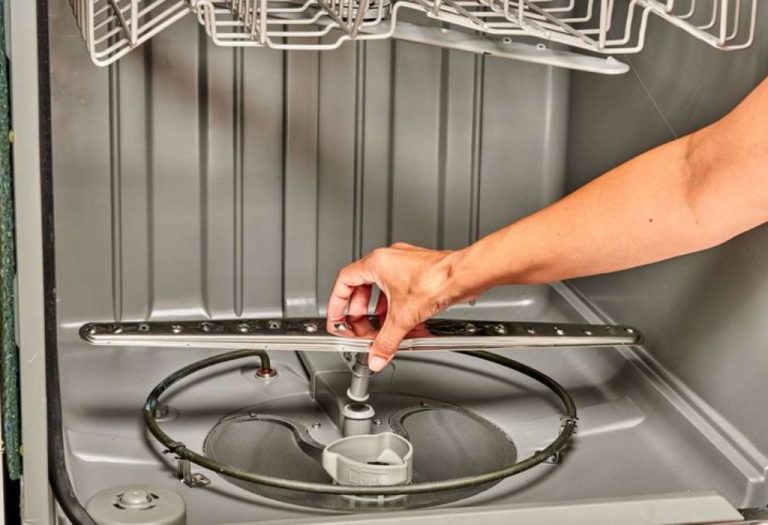
In nearly all dishwashers, the filter is located at the bottom center of the tub, directly below the lower spray arm. This area collects water during the wash cycle, so it’s the perfect place for catching food particles.
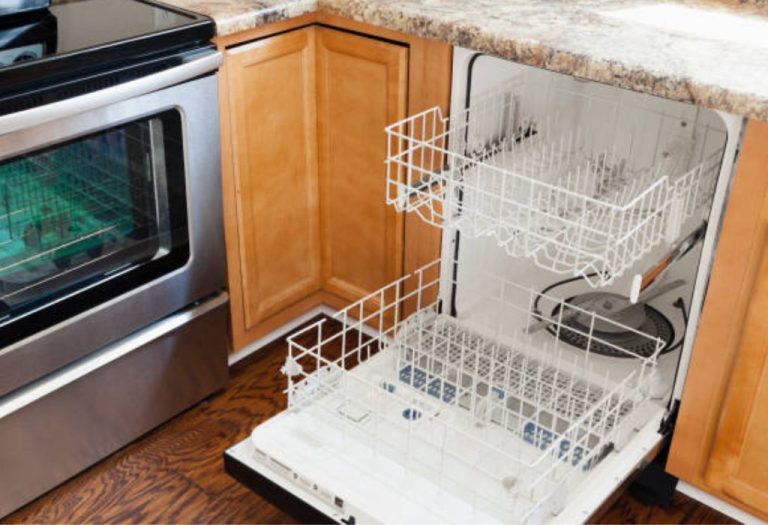
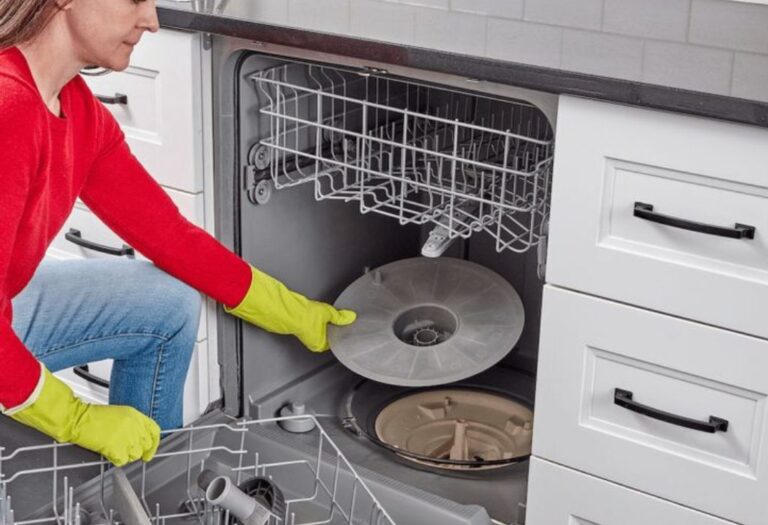
To find it, pull out the bottom rack completely. You’ll usually see a round or rectangular plastic cover with small holes or mesh — that’s your filter housing. Some filters twist off with a gentle counterclockwise turn, while others lift straight up for removal.
Many brands use a two-part system: a coarse filter that catches large food pieces and a fine mesh filter that traps smaller debris. Together, they ensure that only clean water recirculates through the spray arms.
If you’re unsure about the exact placement, consult your user manual. Brands like Bosch, Whirlpool, GE, and Samsung have slightly different filter designs, but all are easy to access once the bottom rack is removed.
Never force the filter open; if it’s stuck, it may just need cleaning around the edges. Once removed, rinse it under warm running water to clear away trapped particles.
How to Clean the Dishwasher Filter
Cleaning your dishwasher filter doesn’t take more than five minutes but offers lasting benefits. Regular cleaning prevents clogging, odor, and residue buildup that can affect water temperature and spray performance.
Start by turning off the dishwasher and removing the bottom rack. Twist or lift the filter gently to take it out. Rinse it under hot water and use a soft toothbrush to scrub away grease or food particles. Avoid using sharp objects that could tear the mesh screen.
If the filter feels greasy, soak it in warm water mixed with a few drops of dish soap for 10–15 minutes. For mineral buildup, add a splash of vinegar to the soaking water — it helps dissolve limescale effectively.
Once clean, rinse thoroughly and inspect for damage. If you notice holes or tears, replace the filter immediately. A damaged filter can’t trap debris properly and might allow food to reach the pump.
Reinstall the filter by aligning it with its slot and twisting clockwise until it locks securely. Make sure it’s seated flat to prevent leaks or rattling during operation.
FAQs
What’s the easiest way to clean the filter?
Rinse it under warm water and scrub gently with a soft brush once a week.
Can I use bleach to clean the filter?
No, bleach can damage plastic and rubber parts — use vinegar or mild soap instead.
Why does my filter smell even after cleaning?
Odor may come from trapped debris underneath; clean the surrounding drain area too.
Can I wash the filter in the sink with other dishes?
Yes, but sanitize the sink afterward to remove any grease or bacteria.
Do I need to use hot water when rinsing the filter?
Hot water dissolves grease better, so it’s highly recommended for effective cleaning.
Signs Your Dishwasher Filter Needs Cleaning
A dirty or clogged filter gives off several warning signs that are easy to overlook. The first and most common is dishes coming out dirty even after a full wash. Food particles might reattach to dishes because the water isn’t circulating freely.
Another telltale sign is a lingering bad smell inside the dishwasher. This odor usually develops when old food sits trapped in the filter, decomposing in the moist environment.
If your dishwasher drains slowly or leaves standing water at the bottom, the filter may be blocked. Limited water flow prevents proper draining and rinsing during the cycle.
You might also notice louder operation because the pump struggles to push water through the clogged mesh. This added strain can lead to long-term damage if ignored.
Checking the filter regularly can prevent these issues entirely. Just a quick rinse can restore normal function and eliminate odor before it starts.
Maintenance Tips to Keep the Filter Clean
Keeping your dishwasher filter in good condition doesn’t require much effort — just consistency. Make a habit of inspecting it every week, especially after heavy loads with greasy pots or pans.
Avoid scraping dishes completely clean before loading. Ironically, dishwashers perform better with a bit of residue because detergent enzymes need something to break down. However, remove large bones, shells, or peels that can clog the filter.
Use a vinegar rinse cycle monthly to flush out any grease or detergent film inside the filter housing. Simply pour one cup of white vinegar into a dishwasher-safe container and run a hot cycle.
After every few washes, open the door slightly for ventilation. This prevents moisture buildup, reducing the chance of bacterial growth in the filter and drain.
Lastly, replace your filter every few years if it shows visible wear or damage. A small replacement keeps your dishwasher efficient and prevents expensive pump repairs later on.
Common Mistakes When Handling the Dishwasher Filter
Many homeowners unintentionally shorten their dishwasher’s lifespan by mishandling the filter. One of the most common mistakes is never cleaning it at all.
Some assume dishwashers are self-cleaning and don’t realize that trapped food can rot and block drainage. A quick rinse every week prevents this and ensures smooth operation.
Another mistake is using harsh or sharp cleaning tools like metal brushes or knives. These can tear the filter mesh or scratch the housing, allowing debris to bypass the filter and damage internal components. Always use a soft brush or old toothbrush with warm water.
Some people also reinstall the filter incorrectly, leaving it slightly tilted or loose. This allows food particles to slip underneath and clog the pump or spray arms. Make sure the filter locks firmly into place after cleaning.
Lastly, waiting for problems to appear before acting is a costly error. By the time you notice poor cleaning results or water pooling at the bottom, the filter may already be heavily clogged. Consistent maintenance saves money and prevents performance drops.
Keeping these mistakes in mind ensures your dishwasher filter stays in top shape and your dishes come out spotless every time.
When to Replace a Dishwasher Filter
Even with regular care, filters wear out over time. The fine mesh may tear, warp, or lose its shape from repeated exposure to hot water and detergent. When this happens, debris can pass through, reducing cleaning efficiency and risking pump damage.
You should inspect your filter closely every six months. If you see visible holes, cracks, or fraying edges, it’s time for a replacement. Most filters are inexpensive and easy to find online using your dishwasher’s model number.
Another sign that your filter needs replacement is persistent odor or residue even after thorough cleaning. This suggests the filter has absorbed grease or detergent buildup deep within the mesh. A new one restores proper filtration and eliminates smells instantly.
Installing a new filter is simple: remove the old one, clean the housing, and twist the new filter securely in place. Always choose a genuine or compatible replacement part to ensure a perfect fit.
Replacing your filter every few years guarantees strong water flow, faster cycles, and consistently clean dishes, all while protecting the motor and extending your dishwasher’s lifespan.
Troubleshooting Dishwasher Filter Problems
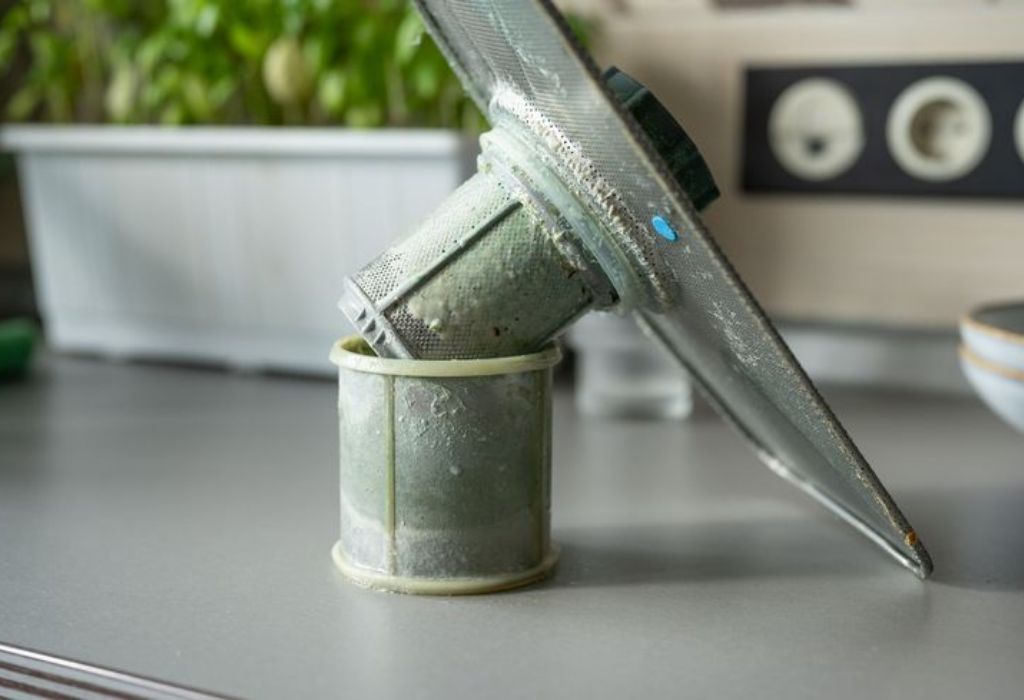
Even with regular cleaning, your dishwasher filter may occasionally cause issues that affect overall performance.
Understanding the most common problems, and knowing how to fix them, can save time, money, and frustration. A properly maintained filter keeps your dishwasher draining smoothly, cleaning effectively, and running quietly.
One frequent issue is poor drainage, where water remains at the bottom of the tub after a cycle. This often means the filter or drain area is clogged with food debris or grease.
Removing the filter and rinsing it under hot water usually solves the problem. If standing water persists, check the drain hose for kinks or buildup.
Another problem is foul odor, especially when the dishwasher hasn’t been used for a few days. Bacteria thrive in trapped food particles inside the filter and surrounding seals. A quick sanitizing rinse with vinegar or a dedicated dishwasher cleaner removes these smells instantly.
If you notice your dishes coming out dirty or gritty, the filter may be misaligned or not properly seated. Always ensure the filter locks into place after cleaning. A loose fit allows dirty water to circulate, leaving residue on dishes.
Noise during cycles can also indicate a filter problem. When debris gets caught under the mesh or in the pump area, it may cause rattling or humming sounds. Cleaning the filter base thoroughly and ensuring no utensils block the spray arms usually resolves it.
Lastly, persistent cloudiness on glassware could mean the filter isn’t trapping minerals effectively. In that case, soak the filter in vinegar for 15 minutes and run a hot cycle with rinse aid to restore sparkle.
Why is there still water at the bottom after washing?
Your filter or drain is likely clogged with debris. Clean them thoroughly and ensure proper seating.
What causes bad smells from the dishwasher filter?
Food residue and moisture promote bacterial growth. Run a hot cycle with vinegar monthly to remove odors.
Can I fix a noisy dishwasher myself?
Yes. Remove the bottom rack and filter, check for trapped debris or utensils touching the spray arm.
Why are dishes still dirty after cleaning the filter?
The filter might not be installed correctly, or spray arms could be partially blocked. Align and reinsert securely.
How do I know if the filter needs replacing or just cleaning?
If it’s intact and rinses clean, it’s fine. If torn, warped, or stained permanently, replace it immediately.
Conclusion
Your dishwasher’s filter may be small, but it plays a huge role in how well your appliance performs. It’s the barrier that traps leftover food, grease, and detergent residue so they don’t circulate back onto your clean dishes.
When the filter becomes clogged, water flow weakens, detergent doesn’t dissolve properly, and odors start to appear.
That’s why understanding where your dishwasher filter is and keeping it clean is one of the simplest yet most effective maintenance steps you can take.
Regular cleaning ensures smooth drainage, stronger water pressure, and spotless results after every wash. It also helps the internal heating element reach optimal temperatures for sanitizing, which means a cleaner, safer wash.
Ignoring this small part, on the other hand, can lead to expensive repairs or even shorten the life of your dishwasher.
The good news is that maintaining it takes only a few minutes each week. A quick rinse under hot water, a gentle scrub with a soft brush, and a monthly vinegar rinse cycle can prevent most issues.
Keeping the filter clear also means your dishwasher will use less energy and water, saving you money over time.
So, the next time your dishwasher seems sluggish or leaves spots on your dishes, don’t rush to call a technician. Open the bottom rack, locate the filter, and give it a proper clean.
This small act of care can restore your appliance’s performance, eliminate odors, and keep your kitchen running smoothly for years to come.

I’m Emma J. Caldwell, the founder, lead writer, and home-cooking enthusiast behind KitchenGuideCo.com. With a background in culinary arts and over a decade of cooking experience in both professional and personal kitchens, I created this platform to demystify recipes, offer smart kitchen gadget reviews, and guide readers through meal prep with confidence and clarity.