The first time someone tries using a dishwasher pod, the process seems so simple that most people assume nothing can go wrong. They open the detergent compartment, drop the pod inside and start the cycle with full confidence that everything will come out sparkling clean.
But many soon notice cloudy glasses, half dissolved pods or dishes that still feel greasy, and the confusion begins.
These unexpected results make people question what actually happened inside the dishwasher. They start wondering whether the pod was placed correctly, whether the machine released it at the right moment or whether water temperature affected dissolving.
What looks like a tiny cleaning product turns out to be more sensitive to placement, heat and timing than they first imagined.
Dishwasher pods are designed to work with precise spray pressure and controlled water flow that hits the detergent compartment at exactly the right point in the cycle.
A pod that dissolves too early releases detergent before the dishes are washed, while a pod that dissolves too late does not have enough time to clean properly. This explains why placement is more important than most people realize, even though it feels like a simple step.
When people understand how the dispenser works and why the pod must be positioned in a specific location, dishwashing becomes far more consistent. They start noticing spotless glasses, fresh smelling plates and smoother overall cleaning results.
Learning the basics of proper pod placement makes everyday dishwashing easier, more reliable and much more satisfying.
Why Proper Pod Placement Matters
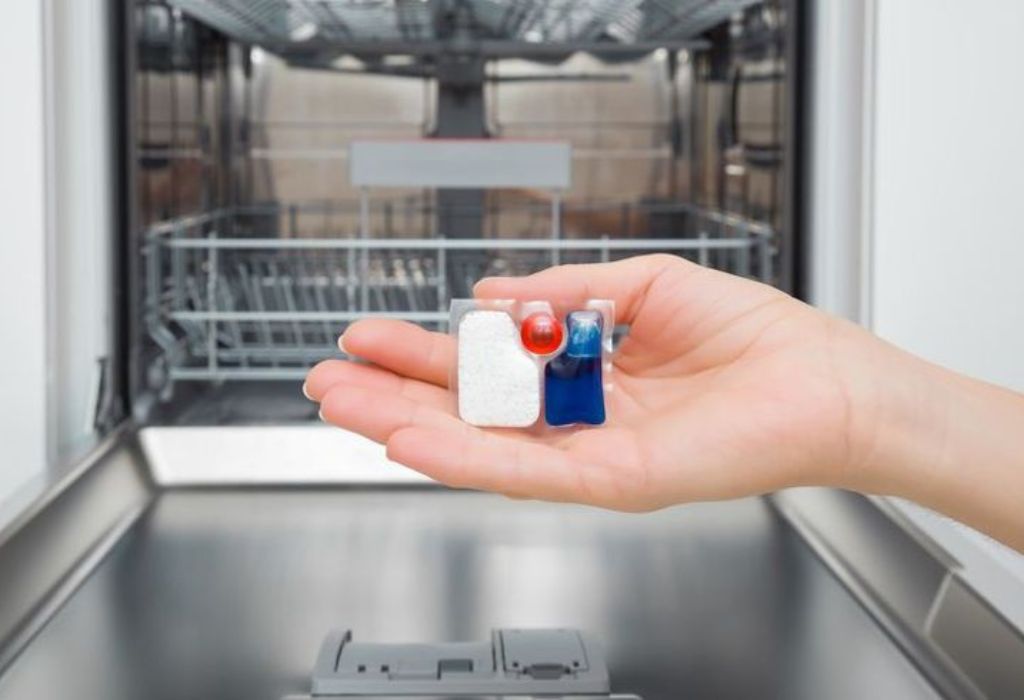
Proper pod placement is essential because it controls when the detergent enters the wash cycle. A pod that releases too early loses its cleaning power before the dishes are fully exposed to water. A pod that releases too late does not have enough time to break down food residue.
Dishwasher pods are engineered to dissolve only when warm water hits them at full pressure. If the pod is in the wrong spot, water cannot reach it at the right time. This results in weak cleaning and cloudy dishes.
Placing the pod correctly also ensures balanced detergent distribution. When the pod dissolves in the dispenser, the cleaning agents spread evenly across all racks. Even distribution produces a more polished and consistent finish.
Incorrect placement often leads to detergent clumping or sticking to the dishwasher walls. These clumps reduce washing efficiency and leave behind chalky stains. Consistent placement prevents this type of buildup.
The dispenser is designed to open at a precise moment based on cycle settings. Using the wrong location disrupts this timing and reduces the detergent’s effectiveness. The machine relies on this timing to deliver the best results.
Proper placement also protects delicate items from harsh early washing. When pods dissolve at the correct stage, the cleaning process becomes controlled and uniform. This improves both safety and cleaning performance.
Understanding the purpose of the dispenser helps avoid many washing issues. A small adjustment in placement leads to major improvements in cleanliness. This simple habit transforms dishwashing quality.
People who follow correct placement notice fewer streaks and better overall shine. The dishes look cleaner, and the machine runs more efficiently. Proper placement benefits both the dishwasher and the user.
How Dishwasher Pod Compartments Work
Dishwasher pod compartments are designed to hold the pod until the exact moment the machine is ready for detergent. The compartment stays sealed during the early rinse stages to prevent premature dissolving. This locking mechanism ensures accurate timing.
Inside the compartment, the pod remains dry until water spray triggers the release. Once the latch opens, water flows into the compartment and dissolves the film around the pod. This step is essential for activating the cleaning ingredients.
The position of the compartment is carefully chosen by the manufacturer. It sits where spray arms deliver consistent water pressure throughout the cycle. This placement ensures fast and complete dissolving.
A smooth opening latch is necessary for proper pod release. If the latch sticks or becomes blocked by residue, the pod may remain trapped inside. This leads to unfinished cleaning and leftover detergent.
Most modern dishwashers use detergent compartments with spring loaded doors. These doors open automatically at calculated points in the cycle. Their purpose is to coordinate detergent release with wash intensity.
Some models include two compartments for different stages of cleaning. However, the primary compartment is always intended for pods. Using the wrong one interrupts the wash sequence.
Moisture inside the dispenser can damage the pod before the cycle begins. Wet compartments make pods soften or stick to the walls. Keeping the area dry protects the pod until release time.
Understanding how the compartment works helps users appreciate the importance of correct placement. Proper use supports dissolving, timing and cleaning efficiency. It keeps the dishwasher performing at its best.
Correct Way to Place a Dishwasher Pod
Placing a dishwasher pod correctly begins with checking that the detergent compartment is clean and dry. A wet or sticky compartment can cause the pod to break early or stick to the walls. A clean compartment ensures smooth dissolving during the cycle.
Always place the pod directly inside the detergent dispenser rather than anywhere else in the dishwasher. The dispenser is designed to release the pod at the perfect stage of the wash cycle. This timing is essential for strong cleaning performance.
Make sure the dispenser door closes tightly after placing the pod inside. If the door does not latch properly, the pod may fall out too early. This early release weakens its cleaning power.
Select a wash cycle that provides enough heat and pressure to activate the pod. Pods dissolve best in warm or hot water because their outer film responds to temperature. A low temperature or short cycle often leaves detergent partially dissolved.
Before loading dishes, check that no large items block the path of the dispenser door. If the door cannot open fully, the pod may not drop into the water stream. This leads to incomplete cleaning.
Avoid touching the pod with wet hands because moisture can damage the outer film. A pod that becomes sticky before the cycle starts may not dissolve correctly. Dry hands protect the pod’s structure.
Once everything is properly placed, start the dishwasher as usual. A correctly positioned pod ensures strong cleaning agents reach every part of the load. This method guarantees consistent results over time.
Can I put the pod directly in the bottom of the dishwasher?
No, it dissolves too early and reduces cleaning strength.
Why does my pod stay stuck inside the compartment?
A blocked latch or dried detergent inside the compartment prevents opening.
Should the compartment be completely dry before placing a pod?
Yes, moisture weakens the film and affects dissolving.
Can I use pods in any wash cycle?
They work best in warm or hot cycles for proper dissolving.
Do I need to unwrap the pod before placing it?
No, the outer film is designed to dissolve in water.
Why You Should Avoid Putting Pods at the Bottom
Placing pods at the bottom of the dishwasher causes them to dissolve too early in the wash cycle. This early dissolving releases detergent before dishes are ready to be cleaned. Most of the cleaning power is wasted in the pre rinse stage.
When pods dissolve at the bottom, the detergent spreads unevenly throughout the dishwasher. Early release prevents cleaning agents from reaching heavily soiled items properly. This often results in streaks and leftover debris.
Water pressure at the bottom is not controlled like it is in the dispenser area. The bottom area gets hit with water immediately when the cycle begins. This disrupts the pod’s dissolving sequence and timing.
Loose pods sometimes get stuck under racks or inside corners of the dishwasher. When trapped, they dissolve slowly and ineffectively. This leads to chalky residue on dishes.
A pod placed at the bottom exposes delicate items to detergent too soon. This can cause etching on glassware or fading on certain materials. Controlled timing protects fragile dishes.
The bottom of the dishwasher often collects food particles from previous loads. Pods placed there can stick to debris or break prematurely. Cleanliness and placement always work together.
Dishwasher manufacturers specifically design the dispenser for pods. Ignoring this design results in poor performance and wasted detergent. Following the correct method always gives better results.
Avoiding bottom placement ensures pods dissolve at the perfect moment. This leads to cleaner dishes, fewer streaks and a more efficient wash cycle. A simple placement habit improves the entire dishwashing experience.
Common Placement Mistakes to Avoid
One common mistake people make is placing the pod on the bottom of the dishwasher instead of inside the dispenser. This causes the pod to dissolve as soon as the water enters the machine. The cleaning power is wasted before the dishes need it.
Another mistake is putting the pod inside utensil baskets or on top of racks. These areas block water flow and prevent the detergent from dissolving evenly. Poor dissolving leads to streaks and leftover food spots.
Many users forget to check whether the dispenser door can open freely. Large plates or tall bowls sometimes block the door, stopping the pod from falling into the water. This leads to a completely unused pod after the cycle.
Placing a pod in a wet or damp dispenser causes it to stick to the sides. Moisture softens the film and makes it burst prematurely. Dry compartments always ensure proper releasing.
Choosing an incorrect wash cycle is another frequent issue. Some cycles use cooler water or shorter durations that do not allow pods to dissolve fully. Understanding cycle settings helps improve results.
Touching pods with wet hands may cause early dissolving. The film is sensitive to moisture and reacts quickly. Dry hands protect the pod until the wash begins.
Overloading the dishwasher also affects pod dissolving. When dishes block water flow, cleaning agents cannot spread properly. Balanced loading improves pod performance.
People who store pods in humid places often notice weak dissolving. Humidity affects the film and reduces cleaning power. Storing them in a dry place prevents clumping.
Why does my dishwasher leave pod residue on dishes?
Cold cycles or poor placement often cause incomplete dissolving.
Can I put pods inside the cutlery basket?
No, the basket blocks spray pressure and slows dissolving.
Why does my pod burst before the cycle starts?
A wet dispenser or wet hands cause early dissolving.
Do pods work in short wash cycles?
Short cycles may not provide enough heat for proper dissolving.
Can overcrowding affect pod performance?
Yes, blocked spray arms reduce detergent distribution.
How Water Flow Affects Pod Dissolving
Water flow inside the dishwasher determines whether the pod dissolves at the correct time. The spray arms must hit the dispenser door strongly enough to trigger its opening. Without this pressure, the pod stays trapped.
Dishwashers use rotating spray arms to distribute water across all racks. If these arms are clogged, water flow decreases and dissolving slows down. Clean spray arms help activate the pod efficiently.
Water flow also changes based on how dishes are arranged. Overloading the racks restricts the spray path and stops water from reaching the dispenser. Proper spacing allows smooth detergent distribution.
Different wash cycles use varying pressure levels. Heavy cycles use strong pressure that dissolves pods quickly, while delicate cycles use softer sprays that may delay activation. Choosing the right cycle supports proper dissolving.
A malfunctioning pump reduces the strength of water jets. When the pump cannot push water strongly, pod release becomes inconsistent. Regular maintenance keeps pressure stable.
Spray arm direction also affects how the pod dissolves. If the arms are misaligned, the water may not hit the dispenser directly. Adjusting alignment improves timing and cleaning.
Hard water buildup around the dispenser area can block water flow. Minerals limit how much water reaches the pod. Routine descaling helps restore proper function.
Consistent and balanced water flow ensures the pod dissolves at the ideal moment. This leads to better cleaning results and protects the dishwasher’s internal components. Strong water flow always supports full detergent activation.
Pod Placement Tips for Different Dishwasher Models
Different dishwasher models have dispenser compartments in slightly different positions. Some place the dispenser on the door, while others place it near the top corner. Knowing the exact location helps ensure correct pod placement.
Older dishwashers may have smaller dispenser doors. These smaller compartments require more frequent cleaning to prevent residue buildup. A clean compartment allows the pod to drop freely.
Many newer dishwashers come with sliding detergent covers. These covers open during a specific part of the cycle to help pods dissolve at the right moment. Users should check that the slide mechanism moves smoothly.
European dishwashers sometimes use detergent trays instead of spring loaded doors. These trays require the pod to sit flat for proper dissolving. A tilted pod may dissolve unevenly.
Some compact dishwashers have angled dispenser doors. These doors can be blocked easily by tall dishes placed too close. Proper dish arrangement prevents obstruction.
High end models use smart sensors that adjust spray intensity throughout the cycle. Pods in these machines rely heavily on timing accuracy. Placing the pod anywhere other than the dispenser disrupts this timing.
Drawer style dishwashers have smaller spray arm coverage near the edges. Placing tall items in the front row can block the dispenser area. Keeping the front space clear improves detergent release.
Understanding your specific dishwasher layout helps achieve better cleaning. Correct pod placement supports the machine’s internal design and washing pattern. This simple step maximizes overall performance.
Troubleshooting When Pods Do Not Dissolve

Pods that fail to dissolve usually indicate an issue with placement or machine performance. When the pod stays inside the dispenser, it means the door never opened fully. This is often caused by dishes blocking its path.
Cold water cycles slow down dissolving because pods depend on heat to activate. If the water entering the dishwasher is too cold, the outer film remains intact for most of the cycle. This results in leftover detergent after washing.
A clogged spray arm prevents water from reaching the dispenser. When holes in the spray arm are blocked, pressure decreases significantly. Cleaning the arms restores normal water flow.
Hard water buildup around the dispenser can also cause dissolving problems. Minerals create a layer that prevents water contact with the pod. Regular descaling helps remove these deposits.
Low water pressure inside the machine affects pod activation. If the pump is weak or partially blocked, it cannot push water strongly enough. Maintaining the pump ensures powerful spray.
Incorrect loading often becomes the hidden cause of dissolving issues. Large pans or tall plates placed in front of the dispenser door stop it from opening. Adjusting the dish arrangement usually solves the problem.
Short cycles may not generate enough heat or spray time. Pods need sustained heat to break down fully. Choosing a longer cycle helps proper dissolving.
Once the main cause is identified, fixing dissolving issues becomes simple. Proper cycle selection, good placement and routine cleaning greatly improve detergent performance. A small adjustment can restore the pod’s full cleaning capability.
Why is my pod still inside the dispenser after washing?
A blocked dispenser door or low water pressure usually prevents opening.
Why does my pod dissolve only halfway?
Cold water or short cycles reduce the dissolving time.
Can hard water affect pod dissolving?
Yes, mineral buildup interferes with water contact.
Do pods dissolve well in eco cycles?
Eco cycles may not provide enough heat for full dissolving.
Why do I still see detergent on my glasses?
Incorrect placement or poor water flow often leaves residue.
Storage and Safety Tips for Dishwasher Pods
Dishwasher pods should always be stored in a cool and dry place because moisture weakens the dissolvable film. If pods become sticky or soft, they may break before use. Proper storage keeps each pod effective.
Keeping pods in their original packaging helps protect them from humidity. The packaging is designed to block moisture and preserve the cleaning ingredients. Moving them to open containers reduces their shelf life.
Store pods away from children and pets because their colorful appearance can look like candy. The concentrated detergent inside the pods can irritate skin or eyes if touched. Safe storage prevents accidental exposure.
Avoid placing pods near heat sources such as stovetops or dishwasher vents. Excess heat damages the outer film and affects dissolving quality. Cool locations maintain product stability.
Do not store pods under the sink in areas where water leaks may occur. Even small amounts of moisture can cause clumping or early dissolving. Dry storage prevents these issues.
When handling pods, always use dry hands. Moisture transfers easily and begins dissolving the outer layer. Dry handling keeps the pod intact until use.
Make sure to seal the package tightly after removing a pod. Air and humidity enter quickly when the package is left open. A proper seal keeps the remaining pods fresh.
Following these storage and safety guidelines ensures consistent cleaning results. Good storage habits extend the product’s lifespan. This simple care routine keeps pods reliable for every wash.
Conclusion
Loading dishes correctly is essential for strong cleaning performance. Plates should face the spray arms so water hits them directly. Proper spacing helps detergent reach all surfaces.
Always remove large food scraps before loading the dishwasher. While pods can handle everyday residue, big chunks block water flow. This prevents detergent from circulating properly.
Check that the spray arms spin freely and are free of clogging. When holes are blocked, water pressure decreases. Reduced pressure weakens pod activation.
Use the wash cycle that matches your dish load. Normal and heavy cycles provide enough time and heat for pods to dissolve fully. Short cycles often leave detergent behind.
Monitor your dishwasher’s water temperature because pods work best with warm to hot water. Low temperature cycles reduce enzyme activation. Consistent heat ensures powerful cleaning.
Avoid overcrowding both the upper and lower racks. When dishes touch or overlap, water cannot move between them. This results in weak cleaning and undissolved pods.
If you notice inconsistent cleaning results, inspect the dispenser and spray arms regularly. Small cleaning routines help maintain dishwasher efficiency. Proper maintenance improves pod performance.
Following these tips helps you get spotless dishes every time. Correct placement, good loading habits and proper cycle selection all work together. These steps make dishwashing smooth and predictable.

I’m Emma J. Caldwell, the founder, lead writer, and home-cooking enthusiast behind KitchenGuideCo.com. With a background in culinary arts and over a decade of cooking experience in both professional and personal kitchens, I created this platform to demystify recipes, offer smart kitchen gadget reviews, and guide readers through meal prep with confidence and clarity.