Vinegar is one of the most popular natural cleaners for dishwashers because it removes odors, breaks down mineral buildup and helps keep the interior fresh. Many people use it when their dishwasher starts to smell bad or leaves cloudy residue on glasses.
However, confusion arises when deciding exactly where to pour vinegar. Some people pour it directly into the bottom of the dishwasher while others place it in the detergent cup.
Dishwashers contain sensitive rubber seals, metal components and spray systems, so the placement of vinegar matters. Using it incorrectly may cause long term damage.
Vinegar can be a powerful cleaner when used safely in the right area. It must not be mixed with detergent, bleach or certain metals.
People often want fast cleaning but do not want to break their dishwasher in the process. Knowing the right technique keeps the machine safe.
Understanding where and how to place vinegar ensures effective cleaning without harming the appliance.
Where To Pour Vinegar In A Dishwasher
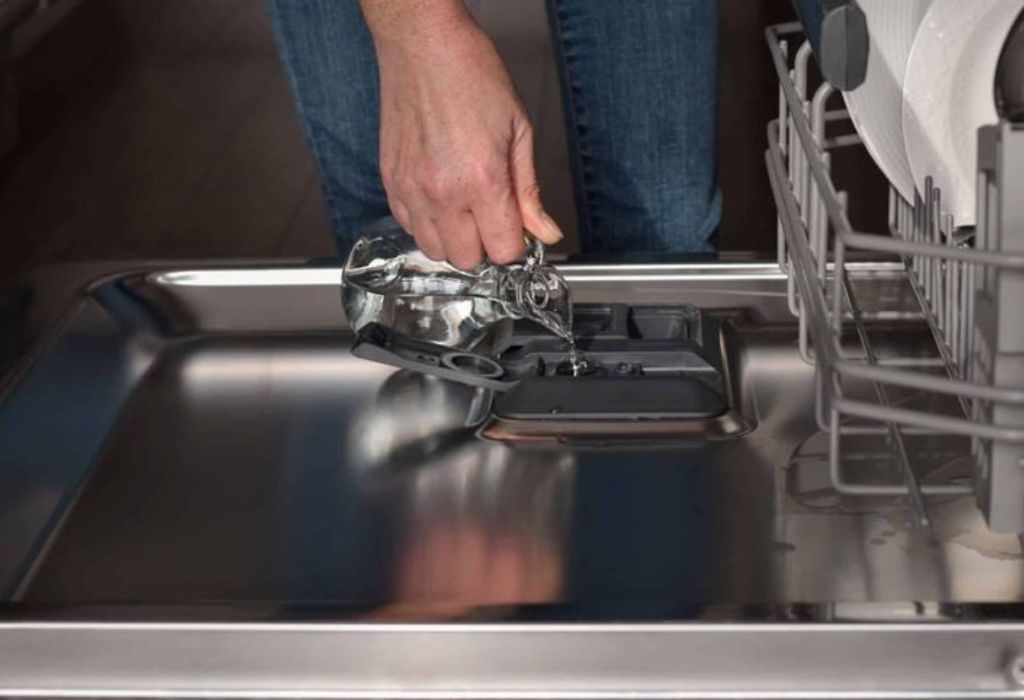
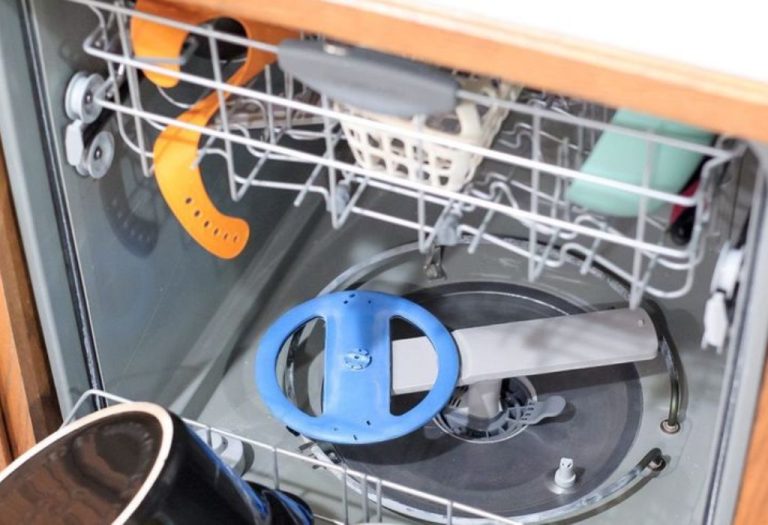
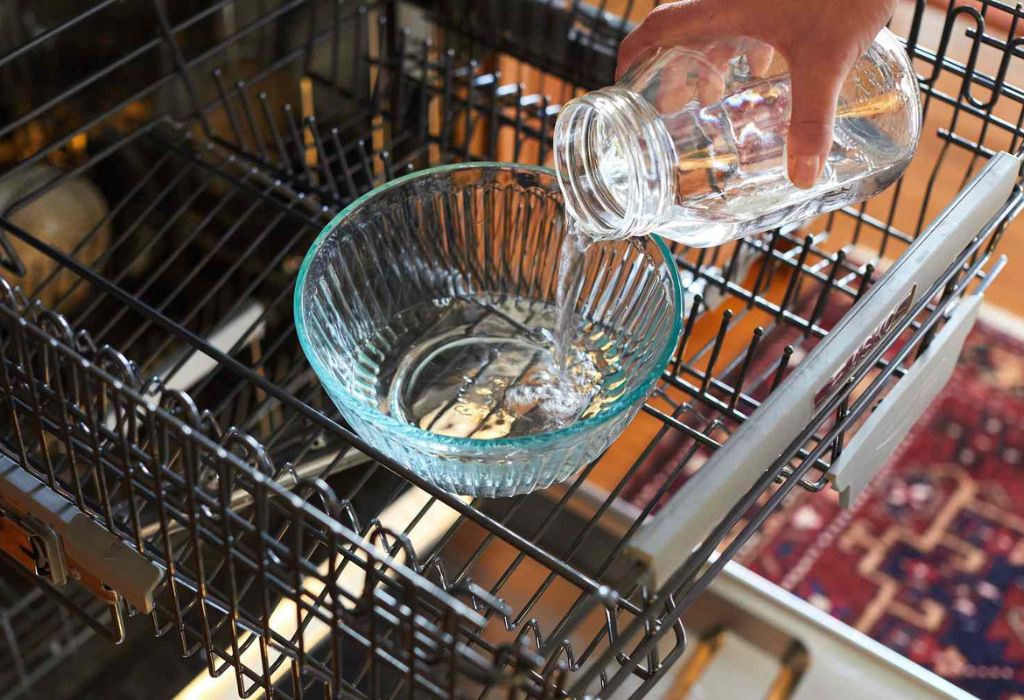
The safest place to pour vinegar is inside a dishwasher safe cup or bowl placed on the top rack. This allows vinegar to circulate naturally during the wash.
Placing vinegar in a container keeps it away from seals and metal parts that may corrode with direct contact. It prevents vinegar from sitting concentrated at the bottom.
During the cycle, hot water splashes vinegar around the tub. This spreads it evenly throughout the dishwasher.
Do not pour vinegar directly into the detergent dispenser. Vinegar can damage the rubber components inside the dispenser.
The top rack placement ensures controlled release of vinegar without harming sensitive materials.
Can vinegar go in the detergent cup
No, it can harm the dispenser seals.
Is the top rack safest
Yes, it prevents direct contact with sensitive parts.
Does vinegar damage rubber
Direct exposure can weaken seals over time.
Can vinegar touch metal parts
Strong acidity may corrode some components.
Should vinegar sit at the bottom
No, concentrated vinegar can cause damage.
Why Vinegar Must Not Be Poured Into The Bottom Of The Dishwasher
Pouring vinegar directly into the bottom exposes seals, hoses and internal components to high acidity. This causes wear over time.
Dishwashers contain rubber gaskets that soften when exposed to vinegar frequently. Softened gaskets eventually leak.
Vinegar that sits at the bottom becomes highly concentrated. This concentration is much stronger than diluted vinegar during the cycle.
Metal parts near the bottom may corrode slowly when exposed to acidic solutions. Corrosion reduces appliance lifespan.
The safest method is always placing vinegar in a cup on the top rack.
How To Use Vinegar For Cleaning The Dishwasher
Place one cup of white vinegar in a dishwasher safe bowl. Set it on the top rack before running a hot cycle.
A full hot wash loosens grease, removes mineral stains and eliminates odors. Vinegar spreads throughout the tub safely.
Avoid adding detergent during this cleaning cycle. Detergent may react negatively with vinegar.
Let the dishwasher run completely until dry. This ensures all vinegar rinses out.
Repeat cleaning once a month for best results.
Does vinegar remove bad smells
Yes, it kills odor causing bacteria.
Can vinegar clean hard water stains
It dissolves mineral buildup effectively.
Should detergent be used together
Never mix vinegar and detergent.
How often should vinegar be used
Monthly cleaning keeps dishwashers fresh.
Can vinegar clean grease
Hot water and vinegar dissolve grease easily.
Using Vinegar In The Rinse Aid Compartment
Some people use vinegar as a natural rinse aid alternative. This fills the rinse aid compartment instead of using commercial products.
Vinegar helps reduce water spots but may wear down rubber components if used long term in this compartment.
Manufacturers warn that rinse aid compartments contain delicate parts that vinegar may damage.
Using vinegar here occasionally is acceptable, but not recommended as a permanent replacement.
Long term vinegar exposure may cause the compartment to malfunction.
Why Vinegar Helps Clean Dishwashers
Vinegar contains acetic acid, which dissolves limescale and hard water deposits. These deposits create cloudy film inside dishwashers.
It also breaks down grease and old detergent residue that stick to walls and filters. Residue contributes to odors and poor cleaning.
Vinegar kills mold and bacteria in warm, moist environments. Dishwashers often trap moisture, making them odor prone.
Its natural cleaning properties make vinegar an ideal deep cleaning solution. Unlike harsh chemicals, vinegar leaves no toxic residue.
Using vinegar safely boosts dishwasher performance and freshness.
Does vinegar disinfect
Yes, it removes bacteria and mold.
Can vinegar cut through grease
Its acidity breaks down oily buildup.
Does vinegar help cloudy glasses
It reduces limescale that causes clouding.
Is vinegar natural
It is safe and chemical free.
Does vinegar eliminate odors
It neutralizes smells effectively.
Mistakes To Avoid When Using Vinegar In A Dishwasher
Do not mix vinegar with bleach or chlorine based cleaners. The combination creates harmful fumes.
Do not pour vinegar into the detergent compartment. It weakens internal seals.
Never add vinegar during a cycle that includes detergent. Interaction between the two reduces cleaning power.
Avoid filling the entire dishwasher tub with vinegar. A small amount works more effectively.
Do not store vinegar inside the dishwasher between cycles.
Using Vinegar For Extra Dirty Dishwashers
If the dishwasher has thick grease buildup, vinegar can be used along with baking soda. This combination lifts heavy residue.
Run a vinegar cycle first to soften the grime. Vinegar prepares the surface for deeper cleaning.
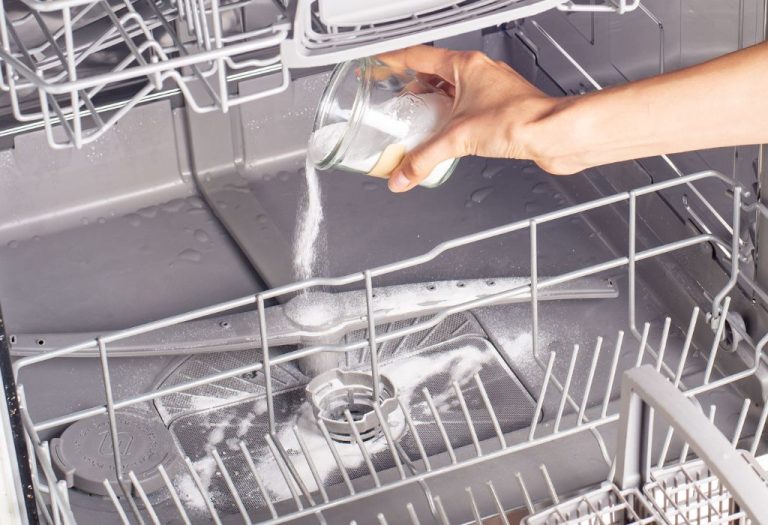
After the cycle finishes, sprinkle baking soda on the bottom of the dishwasher. Baking soda deodorizes the machine.
Run a short hot cycle to remove lingering odors. Baking soda absorbs strong smells.
This two step method restores dishwashers to a like new condition.
Can vinegar and baking soda be used together
Use them in separate cycles only.
Does baking soda help odors
It neutralizes tough smells.
Should vinegar be added first
Yes, vinegar softens residue.
Is this safe for dishwashers
Both ingredients are safe when used correctly.
Can this fix heavy buildup
It works well for deep cleaning.
Tips For Maintaining A Clean Dishwasher With Vinegar
Use vinegar once a month for routine cleaning. Regular use stops buildup before it becomes severe.
Always place vinegar in a cup or bowl on the top rack. This keeps the dishwasher safe.
Wipe the seal and door edges with a vinegar dampened cloth. These areas trap hidden grime.
Clean the filter weekly to prevent odors and blockages. Vinegar helps keep the filter smelling fresh.
Rinse dishes lightly before loading to reduce grease.
Conclusion
Vinegar is an excellent natural cleaner for dishwashers when used correctly. The safest place to pour vinegar is in a bowl or cup on the top rack, allowing it to circulate without touching sensitive components.
Avoid placing vinegar in the bottom of the dishwasher or in the detergent compartment because the acidity can damage seals, hoses and metal parts. Using vinegar during a hot cycle removes buildup, eliminates odors and keeps the dishwasher running efficiently.
With proper placement and careful use, vinegar becomes a powerful and safe cleaning solution that restores freshness and improves performance.
Following these simple steps ensures your dishwasher stays clean, odor free and long lasting without risking any internal damage.

I’m Emma J. Caldwell, the founder, lead writer, and home-cooking enthusiast behind KitchenGuideCo.com. With a background in culinary arts and over a decade of cooking experience in both professional and personal kitchens, I created this platform to demystify recipes, offer smart kitchen gadget reviews, and guide readers through meal prep with confidence and clarity.