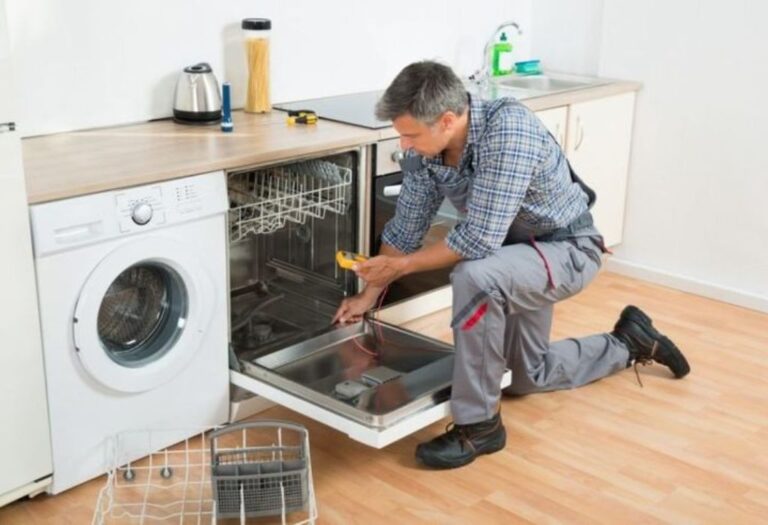
Most people load the dishwasher quickly after a long day because the goal is simply to get the dishes clean without wasting time.
Placing a Cascade pod somewhere inside the dishwasher may seem like a small detail, yet the wrong placement leads to cloudy glasses, stuck detergent or dishes that come out dirty.
After a few failed washes, people often wonder whether they are putting the pod in the right place at all.
Some users have tried placing pods in the bottom of the dishwasher, thinking that heat and water pressure would dissolve it faster. Others tossed it into the silverware basket only to find partially melted detergent stuck to forks and spoons after the cycle finished.
These unexpected results make homeowners search for clear guidelines because Cascade pods behave differently from liquid or powder detergents.
Dishwashers are designed with specific compartments that control when detergent is released. Cascade pods need the correct timing so their cleaning agents activate at the right moment during the wash cycle.
If the pod dissolves too early or too late, the dishwasher cannot distribute the detergent evenly, and cleaning performance drops noticeably.
People also worry about pod damage, leftover film on dishes or lingering detergent in the dispenser after a cycle. These issues create confusion because each dishwasher model behaves slightly differently with pods.
Learning the correct placement ensures powerful cleaning, shinier dishes and a smoother washing routine every day.
Why Cascade Pods Need the Correct Placement to Work Properly
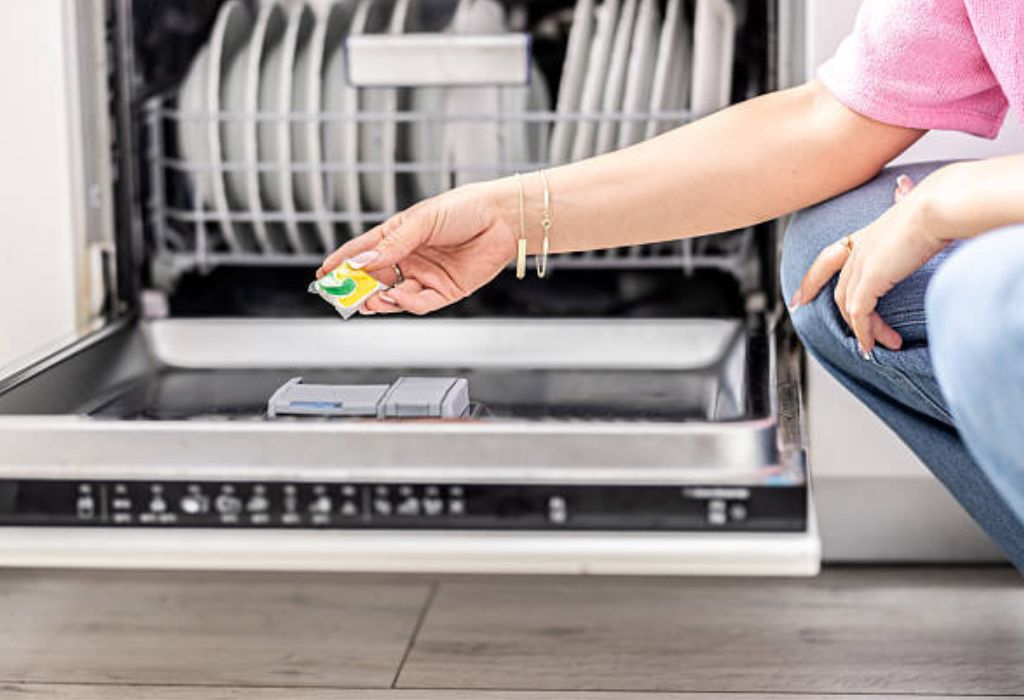
Cascade pods contain concentrated detergent designed to dissolve at specific times during the dishwashing process. When placed in the correct compartment, the dishwasher releases water at the right temperature and pressure to trigger dissolution. Incorrect placement interrupts this timing and weakens overall cleaning.
Pods must stay dry until the wash cycle begins. Moisture dissolves the outer film prematurely, causing the pod to stick inside the dispenser. Once stuck, the detergent cannot reach the dishes effectively.
The detergent door controls the release of cleaning agents by opening at a specific moment. When a pod sits behind this door, it receives direct water spray once the cycle progresses. This controlled release helps the pod break down smoothly.
Placing pods in the bottom of the dishwasher exposes them to too much water too early. Early dissolution floods the tub with detergent before dishes are fully rinsed. This reduces cleaning power and leaves streaks on dishes.
Pods placed in the silverware basket dissolve unevenly because smaller holes slow water flow. The partially dissolved detergent clings to utensils and leaves residue behind. This makes the cycle less effective and creates extra cleaning work.
Different dishwasher models use detergent differently depending on spray arm design. Pods need consistent water movement to dissolve correctly. Placement inside the dispenser ensures the correct environment.
Cascade pods contain enzymes and cleaning boosters that activate at specific temperatures. Correct placement ensures these ingredients activate at the right time. Wrong placement leads to incomplete cleaning and cloudy results.
Where Exactly to Put Cascade Pods in the Dishwasher
Cascade pods must be placed inside the main detergent dispenser located on the dishwasher door. This compartment is designed to keep the pod dry until the correct moment during the wash. It ensures the pod receives proper water pressure once the cycle begins.
The dispenser typically has a hinged cover or sliding door that locks the pod in place. Closing the door keeps the pod from falling out before the wash cycle starts. Proper closure also triggers the dishwasher’s internal sensors.
The main wash dispenser opens automatically during the first part of the cycle. When the door pops open, the pod drops directly into the water stream. This allows full and even dissolution.
Never place the pod in the pre wash cup because this section is intended for small amounts of detergent. Pods dissolve too early in that compartment and lose their cleaning power too soon. Cascade pods are formulated for the main wash only.
The pod should sit flat inside the dispenser without being crushed or squeezed. Damaged pods may leak detergent before the cycle begins. Keeping them intact ensures a consistently clean result.
If the dispenser is wet, dry it before placing the pod. Moisture softens the outer film and causes sticking. A dry compartment guarantees proper release.
If your dishwasher has two detergent compartments, always use the one labeled “Main Wash.” This is the correct location for Cascade pods. Using the wrong compartment affects timing and efficiency.
Why Pods Should Never Be Placed at the Bottom of the Dishwasher
Placing pods on the bottom of the dishwasher exposes them to water immediately. This causes them to dissolve long before the cleaning cycle begins properly. Early dissolution results in wasted detergent and poor performance.
Pods that dissolve too soon release cleaning chemicals before dishes enter the wash phase. These chemicals swirl around the tub but cannot stick to food particles efficiently. This weakens the cleaning strength of the entire load.
When a pod dissolves early, the enzymes and surfactants activate prematurely. Once activated, they lose power quickly and cannot break down grease later. This creates streaks and cloudy finishes on dishes.
The bottom of the dishwasher subjects pods to harsh water jets. These jets break apart the pod film unevenly and create lumps of detergent that stick to the tub. This leaves behind residue that requires manual cleaning.
Hot water during pre rinse affects pod chemistry. Cascade pods require specific temperature ranges to activate correctly. Incorrect heat exposure reduces cleaning quality and leaves visible debris.
Pods placed at the bottom sometimes lodge near the heating element. This creates burning or melting that damages the dishwasher interior. It also produces unpleasant odors.
The bottom of the dishwasher also collects food debris. Pods placed there can stick to leftover food particles and fail to dissolve completely. This results in gritty residue on dishes and inside the machine.
Why Pods Should Not Be Placed in the Silverware Basket
The silverware basket restricts water flow because of its small holes. Pods need a strong water stream for even dissolution. Limited spray patterns prevent the pod from breaking down smoothly.
Pods can become trapped between utensils. When stuck, they melt unevenly and leave detergent clumps on forks and spoons. This creates extra cleaning work after the cycle.
The basket sits in an area with less water movement compared to the main wash zone. Lower pressure reduces the pod’s dissolution speed. This leads to streaks and spots on dishes.
Some pods leak detergent when squeezed or pressured by utensils. The leaked detergent mixes with metal surfaces prematurely. This reduces overall cleaning efficiency inside the machine.
Pods sometimes fall through the gaps and get stuck beneath the spray arm. When trapped, the pod may not melt at all. This leads to a wasted cycle and dirty dishes.
Silverware baskets are designed for utensils rather than detergent. Their size and shape do not support pod safety. Correct placement ensures full cleaning potential.
Cascade specifically advises against placing pods in the basket. Following manufacturer instructions keeps the dishwasher functioning properly. Safe placement protects both dishes and machine parts.
Why Cascade Pods Sometimes Don’t Dissolve Inside the Dispenser
A wet dispenser causes pods to stick and fail to drop out when the door opens. Pods must stay dry until the release moment. Moisture damages the film that protects the detergent.
Low water pressure inside the dishwasher prevents proper spray from reaching the pod. Without direct contact, the pod melts slowly or incompletely. Weak pressure may indicate a clogged spray arm.
Blocked spray arms reduce the reach of water jets. Food particles or mineral deposits can clog the holes. Cleaning the spray arms helps restore proper dissolution.
A jammed dispenser door prevents the pod from releasing properly. Grease, broken plastic or soap buildup may interfere with the hinge. Ensuring smooth door movement solves this issue.
Overloading the dishwasher with tall dishes can block the dispenser door. Large plates or cutting boards sometimes cover the release mechanism. Proper arrangement prevents blocking.
Cold water cycles dissolve pods poorly because they are designed for warm water activation. Enzymes require heat to break down food particles. Running hot water at the sink before starting the cycle raises internal temperature.
In hard water areas, mineral buildup inside the dispenser affects pod movement. Limescale narrows space and causes sticking. Regular cleaning prevents buildup and ensures full release.
How to Load the Dishwasher Correctly When Using Cascade Pods
Loading large plates on the bottom rack ensures enough space for the dispenser door to open. Plates that lean too far forward can block the pod release. Balanced placement ensures proper water flow.
Place cups and glasses on the top rack to avoid interfering with the dispenser. The top rack receives gentle spray that cleans delicate items. Keeping this rack organized improves cleaning consistency.
Bowls should be angled toward the center for optimal spray coverage. Positioning them this way prevents water from pooling. Angled placement also exposes surfaces to detergent easily.
Avoid stacking items tightly because overcrowding blocks water movement. Cascade pods require free flowing water to distribute detergent evenly. Spacing dishes apart ensures better cleaning.
Utensils should be alternated to avoid nesting. Nesting restricts water flow and reduces detergent reach. A mixed arrangement improves washing quality.
Plastic containers should be placed on the top rack to prevent warping. Heat rises during drying cycles and damages plastic on the bottom rack. Proper placement protects the container shape.
Ensure that nothing blocks the spray arms. Free spinning spray arms guarantee strong water movement. Blocked arms lead to inefficient cleaning and undissolved pods.
How to Prevent Pod Residue or Streaks on Dishes
Pod residue often occurs when water fails to dissolve the pod fully. Weak irrigation or blocked spray arms slow down melting. Cleaning spray arms ensures full water coverage.
Streaks appear when detergent remains trapped on dish surfaces. Loading dishes incorrectly leads to blocked water flow. Rearranging items often resolves this issue.
Rinse aid helps water slide off dishes during drying. When water slides better, dissolved detergent leaves fewer streaks. Using a rinse aid is essential in homes with hard water.
Hard water minerals bond with detergent and form chalky deposits. Installing a water softener reduces residue significantly. Softened water improves overall dishwashing performance.
Cold water cycles also leave residue because detergents require warmth to activate. Running hot water before starting the dishwasher primes the system. This ensures internal water reaches the correct temperature quickly.
Old or expired pods dissolve less effectively. Their film weakens over time and causes uneven melting. Using fresh pods ensures full cleaning power.
Check your dishwasher’s filter regularly because clogged filters reduce water pressure. Low pressure prevents detergent from circulating properly. Cleaning the filter improves washing results immediately.
How to Use Cascade Pods in Newer Dishwasher Models
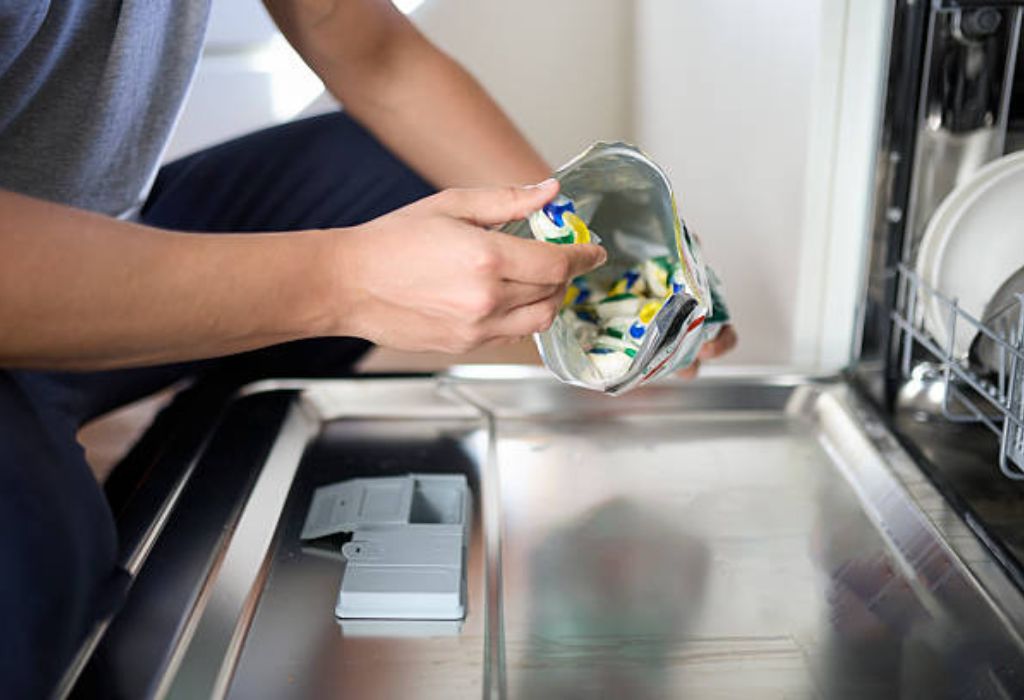
Many modern dishwashers have redesigned detergent compartments. These updated compartments include smoother inner walls to prevent pod sticking. Understanding your specific model improves usage.
Some machines have angled dispensers that drop pods directly into strong water streams. These designs ensure quicker pod dissolution. They also reduce the risk of detergent residue.
Newer dishwashers use sensors to detect water temperature. These sensors help regulate when to release the detergent. This ensures Cascade pods activate at the perfect temperature range.
Some advanced dishwashers feature dual spray arms with alternating wash zones. These zones improve coverage and help dissolve pods evenly. Understanding your wash mode helps maximize performance.
Certain high efficiency models use shorter pre rinse cycles. These machines rely heavily on pod timing. Placing pods correctly becomes more important with fast wash designs.
Smart dishwashers allow users to monitor cycle stages. This helps identify whether the pod was released at the right time. Observing this reveals whether any adjustments are needed.
Manufacturers sometimes update their recommendations for detergent type. Checking your manual ensures compatibility. Cascade pods typically work well with most modern systems.
Common Mistakes People Make When Using Cascade Pods
Placing pods in the wrong location is the most common mistake. Incorrect placement leads to poor dissolution and weaker cleaning. Using the dispenser prevents this problem.
Running cold water cycles reduces detergent effectiveness. Pods require warm water to activate fully. Cold cycles leave streaks and food residue.
Using more than one pod per cycle causes oversudsing. Excess detergent leaves a film and forces the dishwasher to work harder. One pod per load is ideal.
Crushing or squeezing pods before use damages the protective film. Damaged pods dissolve incorrectly during the cycle. Always handle them gently.
Storing pods in humid areas weakens their outer layer. Humidity causes clumping and sticky residue. Keeping them in a dry place improves performance.
Overloading the dishwasher restricts water movement. This prevents pods from dissolving evenly. Balanced loading ensures better results.
Ignoring maintenance tasks such as cleaning filters or spray arms affects pod performance. Low water pressure prevents full activation. Regular maintenance keeps the machine efficient.
Frequently Asked Questions About Cascade Pod Placement
Can I place a Cascade pod directly on the bottom of the dishwasher
No because it dissolves too early and loses cleaning power.
Why did my Cascade pod get stuck in the dispenser
The compartment was likely wet or blocked by tall dishes.
Can I cut a pod in half for smaller loads
No cutting damages the film and affects chemical balance.
Do Cascade pods work in all dishwasher brands
Yes as long as they are placed in the main wash dispenser.
Why is there detergent left in my dishwasher after the cycle
Low water pressure or a blocked spray arm prevented dissolution.
Can I use two pods if dishes are very dirty
No one pod is enough because two cause oversudsing.
Do pods expire over time
Yes older pods dissolve poorly and leave residue.
Should I use rinse aid with Cascade pods
Yes because rinse aid reduces streaks and improves drying.
Why do pods not dissolve in cold water cycles
They require warm water to activate enzymes and boosters.
Can pods melt onto heating elements
Yes if placed incorrectly at the bottom of the dishwasher.
Conclusion
Cascade pods are designed to deliver strong cleaning performance, but they work best only when placed in the correct location.
Using the main detergent dispenser ensures that the pod releases at the right moment, receives proper water flow and dissolves evenly during the wash cycle. When the pod is placed incorrectly, cleaning agents activate too early or too late and leave streaks or residue on dishes.
Understanding how dishwashers release detergent helps prevent common issues like stuck pods, wet pods or unclean dishes. Proper loading, correct placement and regular maintenance keep the dishwasher performing at its highest level.
Using hot water, cleaning spray arms and avoiding overcrowding also contribute to better pod dissolution.
Once the correct habits become part of the daily routine, Cascade pods clean more effectively and leave dishes sparkling after every cycle.
Placing pods inside a dry and functional dispenser ensures consistent washing results and protects both the dishwasher and the dishes. With the right method your dishwasher delivers powerful cleaning every time.

I’m Emma J. Caldwell, the founder, lead writer, and home-cooking enthusiast behind KitchenGuideCo.com. With a background in culinary arts and over a decade of cooking experience in both professional and personal kitchens, I created this platform to demystify recipes, offer smart kitchen gadget reviews, and guide readers through meal prep with confidence and clarity.