Figuring out which rice cooker size do i need can feel tricky, especially if you’re just starting to cook rice. You might wonder if you’ll end up with too much, not enough, or a cooker that’s way too big! Don’t worry, it’s a common question, and it’s easy to solve. We’ll explore everything from portion sizes to cooker features, making it simple to choose the perfect size for your needs. Let’s get started and find the ideal rice cooker for you.
Choosing the Right Rice Cooker Size
Selecting the correct rice cooker size is the initial step toward perfectly cooked rice every time. This choice impacts how much rice you can prepare, the efficiency of the cooker, and the space it occupies in your kitchen. Choosing the incorrect size can lead to wasted food, inadequate portions, or an appliance that’s too bulky. Considerations should include the number of people you typically cook for, how often you cook rice, and the amount of leftover rice you prefer to have. This section will guide you through these crucial factors, ensuring you make an informed decision for your lifestyle.
How Many People Do You Cook For?
The number of people you regularly cook for is the primary factor in determining the correct rice cooker size. A single person or a couple typically requires a smaller cooker compared to a family. Cooking for a larger group necessitates a cooker with a greater capacity. Consider not just your immediate household but also any guests you often entertain. Estimating your needs prevents food waste and ensures you have enough rice for every meal. Thinking about your typical meal preparation habits helps to fine-tune your choice.
- For 1-2 people, a 3-cup or 5-cup rice cooker is often sufficient. These sizes are compact and efficient, ideal for smaller kitchens and individual portions. A 3-cup model can cook enough rice for a couple’s meal, while a 5-cup cooker gives you some leftovers.
- If you’re cooking for 3-4 people, look at 5-cup to 8-cup rice cookers. This range provides more flexibility to accommodate families or gatherings. It can also prepare rice for several meals, reducing the frequency of cooking.
- Families of 5 or more should consider a 10-cup or larger rice cooker. These models are built to handle significant quantities, making sure everyone gets a serving. Some larger cookers even have settings for other dishes, adding to their usefulness.
How Often Do You Cook Rice?
The frequency of rice preparation greatly impacts your size selection. If you cook rice daily, you will need a cooker that can handle the volume and frequency. If rice is only an occasional side dish, a smaller model might suit your needs. Frequent use means you’ll prioritize convenience and capacity. A larger cooker could save time in the long run, even if your usual portions are smaller. Evaluate your meal planning to anticipate your cooking habits accurately.
- Daily rice users will appreciate the convenience of a cooker that can produce enough rice for multiple meals at once. A cooker with a keep-warm function will also be a valuable feature for keeping the rice fresh and ready.
- Those who cook rice a few times a week or less might find a smaller, more versatile cooker ideal. Easy storage and minimal counter space requirements can be beneficial in less frequent cooking situations.
- If you frequently host gatherings, you might consider a larger cooker or even owning multiple cookers. This setup can accommodate the needs of both everyday meals and special events.
Considering Portion Sizes and Leftovers
Thinking about portion sizes and the handling of leftovers is essential when selecting a cooker. Do you enjoy having extra rice for future meals? If so, you will want a cooker that produces a greater quantity. Rice can be a versatile ingredient for different dishes the next day. A cooker with a keep-warm function is helpful if you want to store cooked rice safely. This approach helps in waste reduction and meal preparation efficiency. Understanding how you use your rice gives better control over the final selection.
- One cup of uncooked rice typically yields about three cups of cooked rice. Knowing this ratio is helpful for estimating how much rice you will need.
- If you often prepare rice for several meals at once, select a cooker size that suits your storage habits. A cooker that produces a larger amount also means less frequent cooking, saving time.
- Always store leftover rice properly in the refrigerator and consume it within a few days. Storing it in an airtight container prevents it from drying out or absorbing other food odors.
Exploring Rice Cooker Features
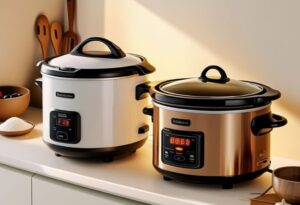
Beyond the size, explore different features to enhance your cooking experience. Modern rice cookers include several options designed to simplify cooking and boost meal quality. Features vary from simple on-off switches to advanced technology that can modify cooking settings, cook various rice types, and even prepare other foods. Understanding these features can help in selecting a cooker that perfectly fits your cooking style and needs, increasing both your satisfaction and the appliance’s usefulness.
Basic Versus Advanced Features
Rice cookers come in different styles, from basic, easy-to-use models to more advanced, feature-rich versions. Basic cookers typically have a simple on/off switch and a keep-warm function. Advanced models include settings for different types of rice, timers, and steaming functions. Decide what features you really need. The advanced cookers can cost more, but the features can be valuable. Evaluate which options will enhance your cooking experience and match your level of culinary skill.
- Basic rice cookers offer simplicity and are great for those who primarily cook plain white rice. They’re usually very affordable, easy to operate, and clean. They are a good option for beginners.
- Multi-functional rice cookers provide several cooking settings, timers, and often steaming options. These are perfect for those who enjoy experimenting with different rice varieties or preparing complete meals. The extra settings can simplify meal preparation.
- Consider features like a delay start timer, which lets you program the cooker to start at a specific time. A keep-warm function keeps rice at an ideal serving temperature for hours. These additions can make cooking easier.
Specialized Cooking Programs
Many cookers offer specific programs for different types of rice and other grains. These pre-set programs ensure the rice is cooked perfectly. From white and brown rice to quinoa and even oatmeal, specialized settings are available to control cooking times and temperatures. These options remove the guesswork from cooking various grains, ensuring consistent results. The inclusion of special programs provides flexibility and makes your kitchen more versatile.
- White rice settings are standard and designed to cook different types of white rice perfectly. They typically adjust the cooking time to ensure that the rice is tender and fluffy.
- Brown rice settings take longer to cook due to the grain’s outer layer. The cooker will usually use a higher temperature or more extended cooking time to soften the brown rice.
- Multi-grain settings are available to cook blends of grains and seeds. These settings adjust cooking parameters to make sure each grain is cooked right. The result is a well-cooked and varied blend of grains.
Additional Features and Benefits
Other features can add to the convenience and value of your rice cooker. Think about non-stick inner pots, which make cleaning easier, and digital displays that offer clear feedback about cooking progress. Some cookers come with steaming baskets, allowing you to steam vegetables or other foods. Consider these extras when making your selection. These details can improve your overall experience and make your cooking less complicated.
- Non-stick inner pots are a standard feature in many modern cookers. They are easy to clean, preventing rice from sticking to the bottom. This feature reduces washing efforts after cooking.
- Digital displays often show the cooking time, the selected program, and other relevant information. This feature gives you better control over your cooking.
- The steaming basket is ideal for cooking veggies while your rice cooks. This feature allows you to prepare a complete meal in one appliance.
What Rice Cooker Size Do I Need for Different Scenarios?
The suitable rice cooker size can depend on several real-world situations. This section examines various scenarios to illustrate the best size options. Think about daily use for a single person, cooking for a busy family, or entertaining guests. We will also address special cooking needs, like specific rice types or cooking other foods. Using these examples, you can determine which size best fits your cooking needs and lifestyle.
Cooking for One or Two People
If you mainly cook for one or two people, a smaller cooker is most suitable. These cookers are compact, energy-efficient, and easy to store. They prevent food waste and provide a convenient solution for singles or couples. These compact options prepare the right portion size without excess. The smaller size is also good for kitchens with limited space, making them a practical choice.
- Scenario: You live alone and usually eat rice as a side dish for 2-3 meals a week.
Recommended Size: 3-cup or 5-cup rice cooker. These sizes are ideal for a single person, producing a moderate amount of rice for several meals without excess.
- Scenario: A couple wants to cook rice frequently and prefers leftovers.
Recommended Size: 5-cup rice cooker. This size gives them a little extra to eat during the week. The extra capacity is useful without adding bulk.
Cooking for Families
For families, a larger rice cooker will guarantee everyone gets enough rice and that you can prepare it for multiple meals. The capacity prevents the need for multiple batches. Choose a cooker with enough capacity to meet all family members’ needs. This also gives the flexibility to cook other dishes in the cooker. A large-capacity cooker makes meal preparation faster and more efficient.
- Scenario: A family of four eats rice every evening with their dinner.
Recommended Size: 8-cup rice cooker. This size provides enough for family meals and a bit extra for potential leftovers. It reduces the frequency of cooking rice.
- Scenario: A large family, with 6 members, frequently hosts dinner parties.
Recommended Size: 10-cup or larger rice cooker. This provides ample capacity for larger gatherings or for keeping rice hot for longer.
Cooking for Entertaining and Parties
When you frequently host guests or parties, think about a rice cooker that can handle large volumes. A bigger cooker will prevent cooking multiple batches. Look for models with a keep-warm function to maintain rice temperature for an extended time. The right size can make your social events simple and stress-free. Choosing the correct size ensures you have an ample supply of freshly cooked rice.
- Scenario: Hosting a small dinner party for 8 guests.
Recommended Size: 10-cup rice cooker. This provides enough rice to serve your guests and some extra. A larger capacity is helpful for gatherings.
- Scenario: A large family gathering with up to 15 people.
Recommended Size: Consider a commercial-grade cooker or multiple cookers. Depending on how much rice is desired, you might need two cookers. It guarantees that you have sufficient rice for everyone.
How to Measure Rice and Water
Accurate measuring is key to achieving perfect rice. The right rice-to-water ratio is different for various types of rice, and this section explains how to measure effectively. We will cover the standard ratios for different rice varieties. We will discuss the best methods to ensure your rice is well-cooked. Understanding the measurement process removes some of the common difficulties in cooking rice. Using these steps will enhance your meal preparation results.
Understanding Rice-to-Water Ratios
The rice-to-water ratio is the basis of achieving perfectly cooked rice. It determines the consistency, texture, and overall outcome of your dish. Different rice types require varied ratios. Using the right ratio guarantees the best results. Incorrect ratios can cause the rice to be undercooked, overcooked, too sticky, or dry. Keep the proper ratios to increase your likelihood of perfectly cooked rice.
- For white rice, the general rice-to-water ratio is 1:2. This means for every cup of uncooked rice, you will need two cups of water. This is an excellent starting point and yields fluffy, well-cooked rice.
- For brown rice, the rice-to-water ratio is usually 1:2.5, or a bit more water. The outer layer of brown rice requires more water and a longer cooking time to soften.
- When cooking long-grain rice, like basmati or jasmine, you can follow the 1:1.5 or 1:1.75 ratio. These rice types benefit from slightly less water.
Using the Measuring Cup
Most rice cookers come with a measuring cup, often smaller than a standard measuring cup. Use this cup to measure the uncooked rice. Using the cup provided with the rice cooker can give more precise measurements and cooking results. Always level the rice in the measuring cup, removing any excess, for an accurate measurement. The built-in cup helps in achieving uniform cooking results, ensuring consistent results every time.
- Follow the provided measuring cup for your rice cooker. It is designed to work with the cooker and will guarantee accurate water levels.
- When measuring rice, gently level the contents. Avoid packing down the rice, which can affect the cooking process. Overfilled cups can result in uneven cooking.
- After measuring the rice, wash it thoroughly before cooking. Rinsing eliminates excess starch and prevents the rice from becoming sticky. Rinsing can affect the quantity of water you need.
Adjusting for Water Quality and Rice Type
Water quality and the rice type can influence cooking. Soft water requires slightly less water than hard water. Rice variety also influences how much water is needed. Some types of rice absorb more water. Knowing these variables allows you to adjust the water accordingly, ensuring excellent results. Taking these factors into account can help you reach perfect rice more often.
- If you use hard water, you may need to increase the amount slightly. Hard water can affect the rice’s ability to absorb water correctly. Try adding a little extra water to offset this.
- If using new rice, you might need less water. Fresh rice often contains more moisture, so adjusting the water can prevent overcooking or a gummy texture.
- Always check the rice at the end of the cooking cycle. If it’s still too firm, add a bit more water and cook for a few more minutes. If the rice is too soft, adjust the next time by using a little less water.
Frequently Asked Questions
Question: Can I cook other grains in a rice cooker?
Answer: Yes, many rice cookers can cook various grains such as quinoa, barley, and oatmeal. Look for models with specific settings for different grain types.
Question: How do I clean my rice cooker?
Answer: Always unplug the cooker and allow it to cool down before cleaning. Remove the inner pot and wash it with warm, soapy water. Wipe the exterior with a damp cloth.
Question: Is it safe to leave rice in the rice cooker on the ‘keep warm’ setting?
Answer: Yes, most cookers have a ‘keep warm’ setting that is safe for storing rice for several hours. However, rice should be consumed within 12 hours for the best quality.
Question: What if my rice comes out too dry or too wet?
Answer: If the rice is too dry, add a few tablespoons of water and cook for a few minutes more. If it’s too wet, let it sit on the ‘keep warm’ setting for a while, or fluff it with a fork and let it sit uncovered.
Question: Do I need to soak the rice before cooking it?
Answer: Soaking rice is optional, but it can reduce cooking time and improve the texture of some rice types. Soaking is particularly useful for brown rice.
Final Thoughts
Choosing the correct rice cooker size greatly affects your cooking experience. Consider the number of people you cook for, how often you make rice, and your preference for leftovers. Smaller cookers are great for individuals and couples, while larger cookers suit families and entertaining. Explore features that meet your lifestyle, from basic models to those with specialized cooking programs. Accurate measurement is key to achieving perfect results every time. By keeping these factors in mind, you will find the right rice cooker size, making your meals more enjoyable and efficient. So explore different sizes and consider your needs. Prepare to enjoy perfectly cooked rice with ease!

I’m Emma J. Caldwell, the founder, lead writer, and home-cooking enthusiast behind KitchenGuideCo.com. With a background in culinary arts and over a decade of cooking experience in both professional and personal kitchens, I created this platform to demystify recipes, offer smart kitchen gadget reviews, and guide readers through meal prep with confidence and clarity.