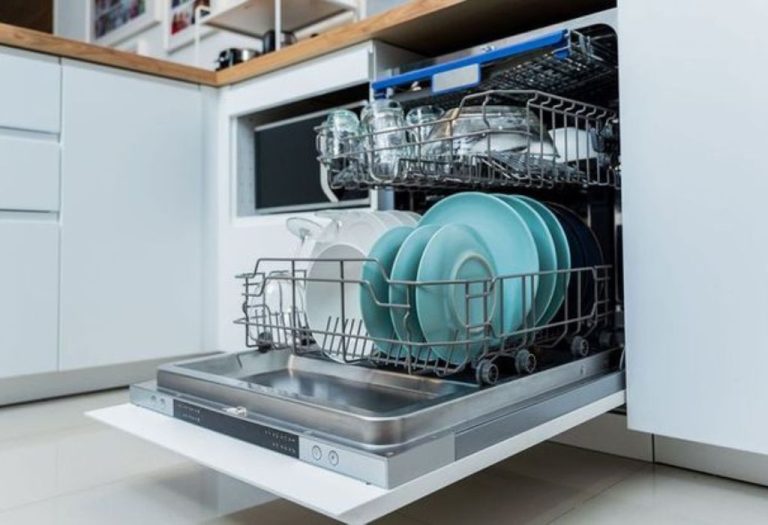
When you buy a new dishwasher, one of the first questions that comes up is, who should install it—a plumber or an electrician? At first glance, it seems simple, but dishwasher installation actually sits at the intersection of both trades.
A dishwasher is a plumbing appliance that needs hot water, a drain connection, and a secure electrical hookup. Depending on your home’s setup, you may need both professionals—or neither, if you’re confident with basic home-improvement skills.
Modern dishwashers are built with standardized fittings that make installation easier than ever, but connecting them safely still requires understanding plumbing codes, water pressure, and electrical grounding. A mistake in either system can lead to leaks, tripped breakers, or even electrical hazards.
This guide breaks down the roles of plumbers and electricians in dishwasher installation, when each is required, and what you can do yourself safely.
You’ll also learn about local code requirements, appliance warranty conditions, and the cost differences between professional and DIY installations.
By the end, you’ll know exactly who to call, what to expect during installation, and how to make sure your dishwasher runs efficiently and safely from day one.
Understanding the Two Sides of Dishwasher Installation
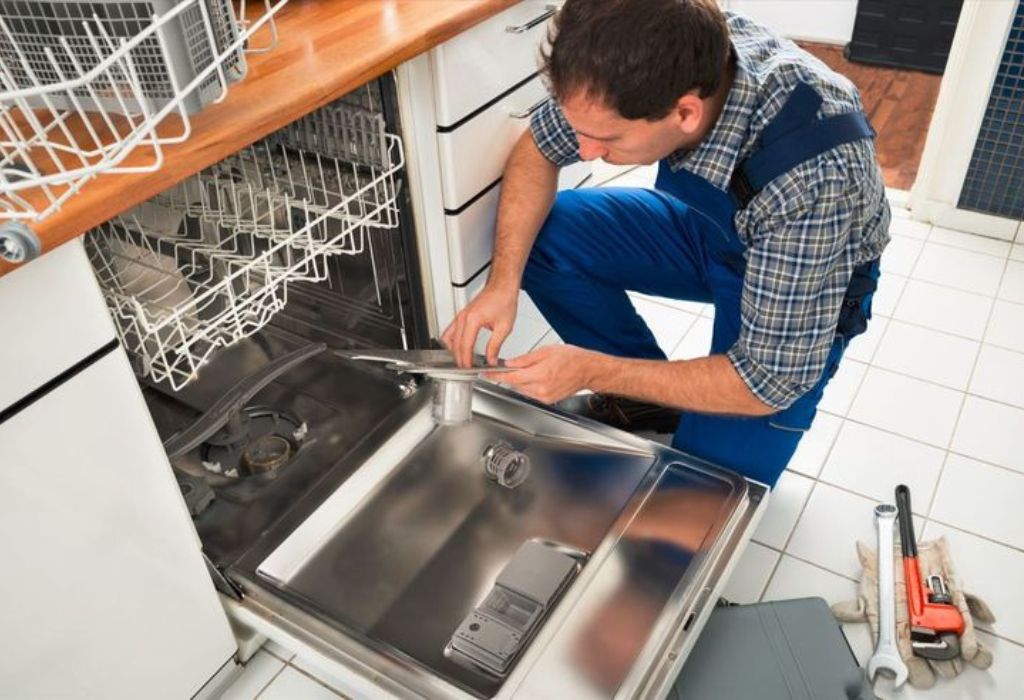
Dishwasher installation involves both water and power, which makes it unique compared to other kitchen appliances.
To function properly, it needs a dedicated hot water line, a drain connection, and an electrical circuit. Each of these systems falls under different professional expertise.
A plumber handles all water and drainage connections. This includes attaching the water inlet line, securing the drain hose to the sink drain or garbage disposal, and ensuring that valves and seals are watertight.
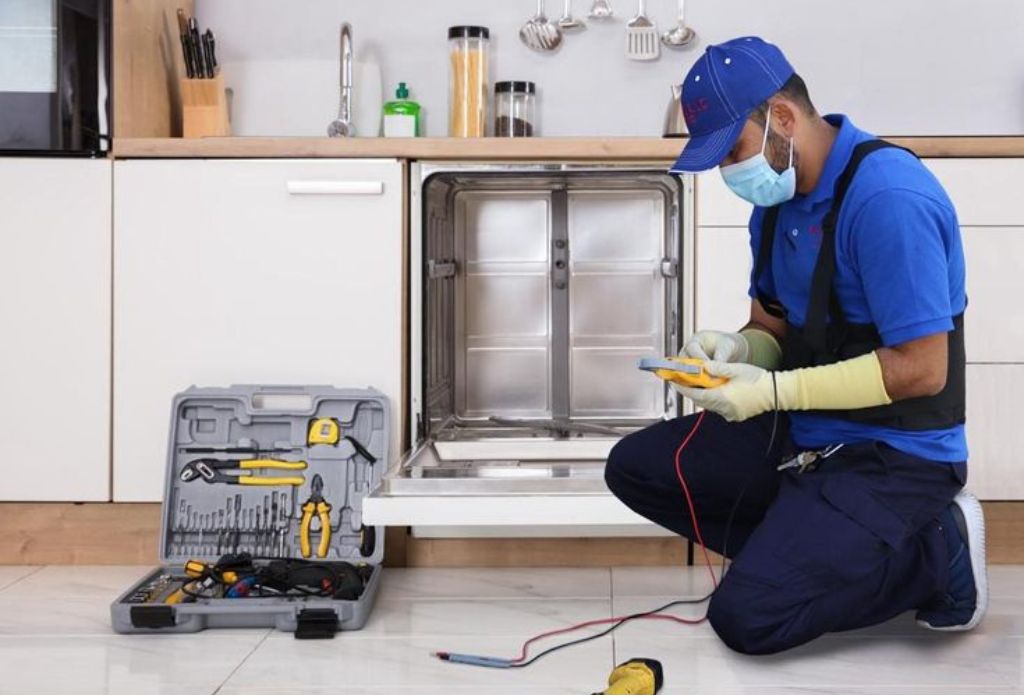
An electrician, on the other hand, deals with wiring and power supply. They make sure your dishwasher is properly grounded, safely connected to a circuit breaker, and compliant with local electrical codes.
In many cases, appliance installers or general contractors handle both tasks if the infrastructure already exists. But for new builds, remodels, or relocations, both specialists may be required.
Understanding where plumbing ends and wiring begins is key to avoiding confusion—and unnecessary costs.
What a Plumber Does During Dishwasher Installation
The plumber’s primary responsibility is to connect the dishwasher to your home’s water and drainage systems. They ensure that the appliance receives hot water at the correct pressure and drains wastewater safely.
A typical plumber’s tasks include:
- Installing or replacing the shut-off valve under the sink.
- Connecting the hot water supply line to the dishwasher inlet.
- Attaching the drain hose to the sink tailpiece or garbage disposal.
- Adding a high loop or air gap to prevent backflow.
Plumbers also test for leaks and verify that the water pressure meets manufacturer requirements—usually around 20 to 120 PSI. They use Teflon tape and compression fittings to create watertight seals, ensuring long-term reliability.
If your kitchen’s existing plumbing isn’t configured for a dishwasher, the plumber will reroute pipes or add valves to make it compatible. This step requires skill to maintain proper drainage slope and prevent future clogs.
Their expertise ensures that your dishwasher operates efficiently without leaking or contaminating the water supply.
What an Electrician Does During Dishwasher Installation
While plumbers handle water, electricians manage power. Dishwashers require a 120-volt dedicated circuit protected by a 15- or 20-amp breaker. The electrician ensures that this connection is safe, grounded, and up to code.
Their work involves connecting either a hardwired line through a junction box or installing a grounded outlet for plug-in models. They verify that the wiring gauge is appropriate—usually 12 AWG—and that the circuit isn’t shared with other high-load appliances.
Electricians also inspect GFCI (Ground-Fault Circuit Interrupter) requirements. Some jurisdictions require GFCI protection for kitchen appliances to prevent shock hazards in case of moisture contact.
If you’re replacing an older dishwasher that used a direct wire but want a plug-in version, an electrician can retrofit the line to a receptacle. They ensure all connections are enclosed, labeled, and safely accessible for future maintenance.
Proper wiring is not just about powering the dishwasher—it’s about protecting your home from shorts, fires, and code violations.
When You Need a Plumber, Electrician, or Both
Whether you need a plumber, an electrician, or both depends on your specific situation.
You’ll need a plumber if you’re replacing old plumbing, installing the dishwasher in a new location, or connecting to a water supply that lacks a proper valve or drain outlet.
You’ll need an electrician if your home doesn’t have an existing dedicated outlet, if the wiring is outdated, or if your circuit can’t handle the load.
If your dishwasher location already has an outlet, shut-off valve, and drain connection, you may only need a plumber—or you might be able to handle the installation yourself.
However, if you’re moving the dishwasher across the kitchen, both trades are likely required to reroute plumbing and extend wiring. Always confirm which professional is licensed for both systems in your area; some general contractors and appliance installers are certified in both.
Understanding Building Codes and Safety Requirements

Dishwasher installations are governed by both plumbing and electrical codes. These regulations exist to ensure safety and prevent water contamination or electrical shock.
The International Residential Code (IRC) and National Electrical Code (NEC) outline basic standards, such as the need for grounded outlets, GFCI protection, and air-gap backflow prevention.
In many areas, electrical work must be performed by a licensed electrician, especially when new circuits are added. Similarly, plumbing modifications involving the main water line often require a licensed plumber.
Ignoring these regulations can void your dishwasher’s warranty or create safety hazards. Always check your local code authority before beginning installation—especially during remodels or new construction.
Following code isn’t just about passing inspection; it ensures your appliance runs safely for its entire lifespan.
The Role of Appliance Installers
Many retailers like Home Depot, Lowe’s, and Best Buy offer professional appliance installation services. These installers are trained to handle both basic plumbing and electrical connections for standard replacements.
They typically do not reroute pipes or install new circuits, but they can connect new dishwashers to existing hookups. These installers follow manufacturer guidelines and perform leak and electrical tests before leaving.
Hiring an authorized installer can also protect your warranty, as many manufacturers require proof of professional setup to honor coverage.
If you’re unsure whether your kitchen is ready, scheduling a pre-installation inspection from the retailer can clarify whether additional plumbing or electrical work is needed.
DIY Dishwasher Installation: What You Can Do Safely
Homeowners with basic tools and some confidence can handle standard dishwasher installations themselves—provided all hookups already exist.
DIY-friendly steps include removing the old unit, sliding in the new one, connecting the water supply hose, attaching the drain line, and plugging in the power cord.
However, DIYers must be cautious. Never attempt to tap into the home’s electrical panel or modify plumbing behind walls without proper knowledge.
Always shut off the breaker and water supply before starting, and use only approved materials—braided stainless-steel hoses, Teflon tape, and properly rated cords.
If at any point you’re unsure, pause and consult a professional. Safety should always come before savings.
Cost Comparison: Plumber vs. Electrician
The cost of professional dishwasher installation depends on local labor rates and the complexity of the work. On average, hiring a plumber costs between $150 and $300, depending on whether new valves or hoses are required.
Hiring an electrician costs around $150 to $250 for a simple connection, but can exceed $400 if a new circuit or outlet must be installed.
If both are required—such as during a kitchen remodel—the combined total may reach $500 to $700.
By contrast, standard in-store installation services typically cost between $100 and $200 when connections already exist. While DIY installation is free, it can be risky if you’re not experienced. Incorrect wiring or loose plumbing could cause far more expensive repairs later.
Common Mistakes Homeowners Make
Dishwasher installations seem straightforward, yet small mistakes often lead to big problems. The most common include:
- Forgetting to remove the disposal knockout plug, which prevents drainage.
- Connecting to the wrong water supply line (cold instead of hot).
- Skipping the high loop or air-gap, allowing dirty water to backflow.
- Over-tightening hose fittings, which cracks threads.
- Using unshielded extension cords instead of a grounded outlet.
Another frequent error is pushing the dishwasher too tightly against the wall, pinching hoses and wires. Always leave enough space for proper routing and ventilation.
Avoiding these mistakes can make the difference between a smooth installation and costly post-installation repairs.
Choosing the Right Professional
When hiring a plumber or electrician, verify that they’re licensed, insured, and familiar with dishwasher installations. Ask for references, confirm pricing upfront, and request documentation of code compliance if required for warranty purposes.
A qualified plumber ensures leak-free, code-approved water connections. A certified electrician ensures that your dishwasher operates safely without overloading circuits.
For homeowners wanting full peace of mind, consider hiring a general contractor or appliance service provider capable of managing both aspects. They coordinate the job, saving you from juggling multiple appointments.
Everything Homeowners Need to Know About Dishwasher Setup
Do I need a plumber or electrician to install my dishwasher?
You may need one or both depending on your kitchen setup. A plumber handles water lines; an electrician manages power.
Can one professional do both jobs?
Some general contractors or appliance installers are certified for both, but confirm licensing before hiring.
Can I install a dishwasher myself?
Yes, if hookups already exist and you’re comfortable with basic plumbing and wiring safety.
Is electrical work required for all dishwashers?
Yes, all models need a power source—either a hardwired line or a grounded plug.
Do new dishwashers require GFCI outlets?
Most modern codes recommend or require them in kitchens to prevent shock hazards.
How long does professional installation take?
Typically 1–3 hours, depending on accessibility and preparation.
What’s the risk of doing it myself?
Leaks, shocks, or code violations that could void your warranty or cause damage.
Can I use an extension cord temporarily?
No, dishwashers must connect directly to a dedicated outlet for safety.
Do I need to shut off water before installation?
Absolutely. Always close the shut-off valve to avoid flooding during connection.
What’s the difference between hardwired and plug-in models?
Hardwired units connect through a junction box; plug-ins use a grounded outlet for easy removal.
How much should I budget for installation?
Expect to spend $150 – $300 for plumbing and another $150 – $250 for electrical work if needed.
Does improper installation affect warranty coverage?
Yes, many manufacturers require professional installation or proof of code compliance.
Why does my dishwasher trip the breaker?
The circuit may be overloaded or improperly grounded—call an electrician immediately.
Can I install a dishwasher anywhere in my kitchen?
Only where plumbing and electrical connections can be safely routed and vented.
Who should I call first—a plumber or electrician?
Start with a plumber if the water lines need modification, or an electrician if no outlet exists.
Conclusion
Installing a dishwasher might seem like a simple task, but it involves the careful coordination of both plumbing and electrical systems.
A plumber ensures the water supply and drainage are secure and leak-free. An electrician guarantees that the appliance runs safely on a grounded, code-approved circuit.
In most cases, homeowners replacing an existing unit only need one professional. But for relocations, remodels, or first-time installations, both may be required. Understanding their distinct roles prevents confusion, saves time, and ensures compliance with safety regulations.
If your kitchen already has the proper hookups, you can handle much of the process yourself—just take your time, double-check every connection, and always prioritize safety.
Ultimately, whether you hire a plumber, an electrician, or do it yourself, the goal is the same: a dishwasher that runs efficiently, drains perfectly, and keeps your kitchen spotless for years to come.

I’m Emma J. Caldwell, the founder, lead writer, and home-cooking enthusiast behind KitchenGuideCo.com. With a background in culinary arts and over a decade of cooking experience in both professional and personal kitchens, I created this platform to demystify recipes, offer smart kitchen gadget reviews, and guide readers through meal prep with confidence and clarity.