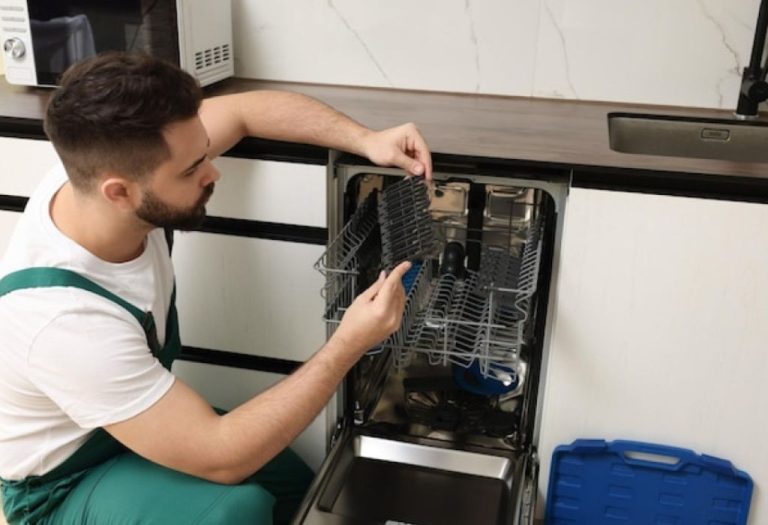
When you buy a new dishwasher, it feels like a major upgrade for your kitchen. But the excitement often fades when you realize installing it isn’t as simple as plugging in a microwave.
Between plumbing, electrical wiring, and proper drainage, one wrong move can cause leaks, shocks, or permanent damage.
Imagine this — you’ve unpacked your brand-new stainless-steel dishwasher and are ready to enjoy spotless dishes.
Yet, you pause and wonder: who actually installs dishwashers — a plumber, an electrician, or the store where I bought it? It’s a common question that confuses thousands of homeowners.
According to Consumer Reports, nearly one in five dishwasher issues in the first year comes from poor installation. A loose drain, a missing air gap, or incorrect wiring can lead to expensive repairs. The good news is that you can avoid all of that by hiring the right professional from the start.
In this guide, you’ll learn exactly who installs dishwashers, what installation includes, how much it costs, and which option suits your home best — whether you prefer DIY, a plumber, or a certified technician. Let’s make sure your new dishwasher is installed safely, efficiently, and without a single leak.
Understanding What Dishwasher Installation Involves

Dishwasher installation might look simple, but it’s a multi-step process involving plumbing, electrical work, and cabinetry alignment.
A professional must connect the water supply line, drain hose, power cord, and mounting brackets — each of which plays a critical role in keeping your dishwasher leak-free and secure.
The process typically takes one to two hours if all hookups are in place. However, new installations without existing lines may take longer because water and electrical outlets must be added.
Proper installation ensures water drains correctly, doors close evenly, and power is safely connected.
Improper setup can lead to flooding, circuit issues, or even voiding your warranty. That’s why even experienced DIYers often prefer calling a certified installer to avoid long-term headaches.
What exactly does dishwasher installation include?
It includes connecting the drain hose, water line, power cord, and mounting brackets securely.
Do I need both plumbing and electrical work done?
Yes, both are involved since the dishwasher uses water and electricity simultaneously.
How long does installation usually take?
Most professionals finish within 1–2 hours for replacements and up to 4 hours for first-time installs.
Is installing a dishwasher difficult for beginners?
It’s not impossible, but improper setup can easily cause leaks or wiring hazards.
Can incorrect installation cause leaks or damage?
Absolutely. Even a loose clamp or misaligned hose can lead to slow leaks and costly repairs.
Who Installs Dishwashers: Plumber, Electrician, or Technician?
One of the most common questions homeowners ask is who’s actually responsible for installing a dishwasher. The answer depends on your setup — because the task involves both plumbing and electrical skills.
A plumber connects the water supply line, drain hose, and shutoff valve. They ensure there are no leaks and that the drainage system meets building codes.
An electrician, on the other hand, handles hardwired connections or outlets, especially if your dishwasher doesn’t plug into a standard socket.
Most modern dishwashers are installed by appliance technicians, who are trained in both plumbing and electrical safety. These professionals can install, level, and test your dishwasher in one visit.
If you try to handle it yourself, remember that missing a grounding wire or cross-threading a water fitting can lead to major problems later. Hiring a certified expert guarantees both safety and warranty protection.
Do plumbers or electricians usually install dishwashers?
Most homeowners hire plumbers or certified appliance installers who can handle both water and power connections.
Can one person do the whole job?
Yes, many licensed technicians are trained to complete full installations safely.
What qualifications should I look for in an installer?
Check for licensing, insurance, and experience with major dishwasher brands.
Is it safe to install a dishwasher myself?
Only if you’re experienced. Otherwise, professional installation is safer and prevents costly errors.
Do I need a licensed professional for warranty protection?
Yes, most manufacturer warranties require professional installation to remain valid.
How Home Depot, Lowe’s, and Amazon Handle Installation Services
If you’re buying your dishwasher from a major retailer like Home Depot, Lowe’s, or Amazon, you can take advantage of their convenient installation services. These stores partner with licensed professionals who deliver and set up the dishwasher for an additional fee.
Home Depot typically charges between $150 and $250 for installation, which includes delivery, connection, and removal of your old unit. Lowe’s offers similar pricing and often bundles installation with promotional discounts.
Amazon provides professional installation through its “Amazon Home Services” program, connecting you with local vetted experts.
The process usually includes:
- Disconnecting and removing your old dishwasher.
- Attaching water and drain lines.
- Testing for leaks and proper operation.
Choosing installation through a retailer ensures you’re getting a certified technician and often keeps your warranty intact. It’s the easiest option if you want a stress-free experience.
Does Home Depot install dishwashers I buy there?
Yes, they offer full installation and removal services for new purchases.
How much does Lowe’s charge for installation?
Typically between $150 and $300, depending on the complexity.
Does Amazon provide dishwasher installation?
Yes, through local professionals available under Amazon Home Services.
Can they remove my old dishwasher?
Yes, most retailers include old appliance haul-away in their installation packages.
Are these installers licensed professionals?
Absolutely — they’re certified, insured, and vetted by the retailer.
How to Choose the Right Dishwasher Installer Near You
Choosing the right professional can make or break your installation experience. Always start by checking whether the installer is licensed, insured, and experienced with dishwashers specifically.
Local appliance technicians are often quicker and more affordable than big retailers, while national installers provide extra peace of mind through brand partnerships. Read online reviews, compare quotes, and always ask for proof of insurance.
Make sure you understand what’s included in the installation price — such as delivery, parts, or removal of the old dishwasher. Finally, confirm warranty coverage and ensure the installer provides a post-installation leak test.
How do I find a qualified dishwasher installer?
Search online, ask for referrals, or hire through verified platforms like Home Depot or Thumbtack.
Should I hire locally or through a store?
Local installers are often cheaper, while stores offer warranty-backed services.
What should I ask before booking an installer?
Ask about licensing, experience, insurance, and included services.
How can I verify a professional’s license?
Check your state’s contractor license website or ask for documentation.
Are independent installers cheaper than big retailers?
Usually yes, but always ensure they’re certified and insured.
Cost of Dishwasher Installation Explained

Dishwasher installation costs vary depending on your location and setup. A basic replacement where hookups already exist costs around $150–$250, while a new installation requiring water and electrical connections can range from $300–$600.
Extra costs may include new hoses, adapters, or countertop modifications. If your kitchen requires new plumbing lines or electrical outlets, expect higher labor fees. Most professionals include testing and cleanup in the final price.
DIY may save you money initially, but fixing leaks or wiring mistakes later often costs much more. Paying for professional installation is an investment in safety and long-term performance.
How much does it cost to install a dishwasher professionally?
Most installations fall between $150 and $300 for standard replacements.
Why do prices vary between stores and installers?
It depends on labor rates, location, and whether new connections are needed.
Are installation fees refundable if I cancel?
Retailers usually refund if canceled before the appointment date.
Does installation include water line and drain setup?
Yes, professionals connect both supply and drain lines during installation.
Do I need to buy parts separately?
Some installations include parts; others may charge extra for hoses or clamps.
Why Professional Installation Is Worth the Cost
Many homeowners hesitate to pay for installation, thinking it’s an easy job they can handle themselves. But hiring a professional is about more than convenience — it’s an investment in safety, reliability, and the long-term health of your appliance.
A professional ensures that your dishwasher is properly connected to the drain, grounded for electrical safety, and leveled for smooth operation.
They prevent hidden issues that DIY installations often cause, like slow leaks or uneven door seals. These small errors may seem harmless at first but can lead to water damage or costly repairs over time.
Professional installation also protects your manufacturer warranty and often includes a service guarantee for workmanship. That means if a leak or electrical issue appears later, the installer will fix it at no extra cost. Plus, they understand local plumbing and electrical codes, ensuring your setup passes any future inspections.
When you factor in the cost of tools, replacement parts, and potential mistakes, professional installation usually pays for itself. It’s not just about getting the job done — it’s about getting it done right.
Why should I pay for professional installation?
It ensures safety, warranty compliance, and leak-free performance.
Can improper installation damage my dishwasher?
Yes, incorrect connections or misalignment can cause internal damage.
Does professional installation come with a warranty?
Most licensed installers guarantee their work for added peace of mind.
Is professional installation required by manufacturers?
Yes, some brands require certified setup to maintain warranty coverage.
Does a pro installation last longer than DIY?
Yes, professionals prevent issues that can shorten appliance lifespan.
Is the service cost worth it in the long run?
Definitely — you save on repairs, parts, and potential water damage.
DIY vs Professional Dishwasher Installation: Which Is Better?
Installing a dishwasher yourself can be rewarding, but it’s not without risks. A professional installation guarantees proper drainage, wiring, and leveling — all essential for your appliance to function efficiently.
DIY may save you $150–$200, but if you make even a small mistake, such as misconnecting the drain hose, it can lead to leaks or electrical hazards. Professionals bring the right tools and expertise to handle tricky setups quickly and safely.
For most homeowners, professional installation is worth it. You’ll save time, protect your warranty, and ensure your dishwasher runs perfectly from day one.
Can I safely install a dishwasher myself?
Yes, but only if you’re confident handling plumbing and electrical work.
What are the risks of DIY dishwasher installation?
Leaks, poor drainage, and electrical hazards are common issues.
Do professionals guarantee their work?
Yes, most installers provide warranties on their services.
Can I void my warranty by installing it myself?
Yes, many manufacturers require certified installation for coverage.
How long do professionals take compared to DIY?
Professionals typically finish within 1–2 hours; DIY may take 4–6 hours.
What to Expect During Professional Dishwasher Installation
When a certified technician arrives, the process is more structured and efficient than most homeowners realize.
It usually begins with a quick inspection of the existing plumbing, power supply, and space to ensure compatibility with your new dishwasher model. This step prevents last-minute surprises like short hoses or misaligned fittings.
Next, the installer disconnects the old unit and prepares the area for the new one. They’ll carefully connect the water line, drain hose, and electrical supply, testing each for secure sealing and proper function.
Once everything is attached, the technician levels the dishwasher to prevent vibration or door misalignment during cycles.
A good installer always performs a test run before leaving — checking for leaks, noise, and correct drainage. They’ll also show you how to use any new safety or water-saving features. By the end of the visit, your dishwasher will be fully operational, and your kitchen will be spotless.
Professional installation doesn’t just save time — it gives peace of mind that your investment is protected, safe, and working at full capacity.
How long does a professional dishwasher installation take?
Usually 1–2 hours for a standard replacement setup.
Do professionals bring all the necessary tools?
Yes, certified installers come equipped with hoses, clamps, and testing tools.
Will they remove my old dishwasher?
Most services include disconnecting and hauling away your old unit.
Do installers test the dishwasher before leaving?
Yes, they always run a short cycle to check for leaks or drainage issues.
Do I need to stay home during installation?
Yes, it’s best to be present in case they need access to shutoff valves or power.
Will they clean up after finishing?
Professional installers always tidy up and remove packaging or debris.
Preparing Your Kitchen for Dishwasher Installation
Preparation makes the installation smoother and faster. Before your installer arrives, clear the area under your sink and remove any items blocking access to plumbing. Ensure the electrical outlet and shutoff valves are accessible.
If replacing an old dishwasher, disconnect the water and power beforehand if you know how. Measure your new dishwasher’s dimensions to confirm it fits properly within the existing space.
Having towels, a flashlight, and a bucket nearby will help catch any spills during removal or connection. A few minutes of preparation can save hours of cleanup later.
What should I do before the installer arrives?
Clear the space, measure the opening, and ensure power and water are accessible.
Can I keep my old dishwasher until delivery day?
Yes, but make sure it’s disconnected before installation.
Do I need to shut off water before installation?
Yes, always turn off the water supply to avoid flooding.
How can I ensure my new dishwasher fits perfectly?
Measure width, height, and depth — standard dishwashers are 24 inches wide.
Should I clean the area before installation?
Yes, clean the cabinet base and remove debris for a better fit.
Common Installation Problems and How to Avoid Them
Even professional installations can face small challenges if not handled carefully. The most common problems include loose drain connections, missing air gaps, and unleveled units. Each can cause leaks, noise, or improper drainage.
Cross-threaded water fittings are another frequent issue that leads to slow drips. Ensure all hoses are tightened evenly and the drain hose forms a high loop under the counter.
Finally, misaligned mounting brackets can make the dishwasher door scrape or tilt forward. Always test door balance before final tightening. Preventing these small errors ensures your dishwasher operates flawlessly from day one.
Why is my new dishwasher leaking right after installation?
Likely a loose or misaligned drain connection.
What causes poor drainage or gurgling sounds?
A kinked hose or missing high loop is often the reason.
Can I use tape instead of clamps for the drain?
No, tape won’t withstand water pressure — always use proper clamps.
Why isn’t my dishwasher starting after installation?
Check that the power cord is plugged in and the breaker isn’t tripped.
How do I avoid leaks in the future?
Inspect hoses yearly and tighten connections if they loosen over time.
When to Replace Instead of Repair During Installation
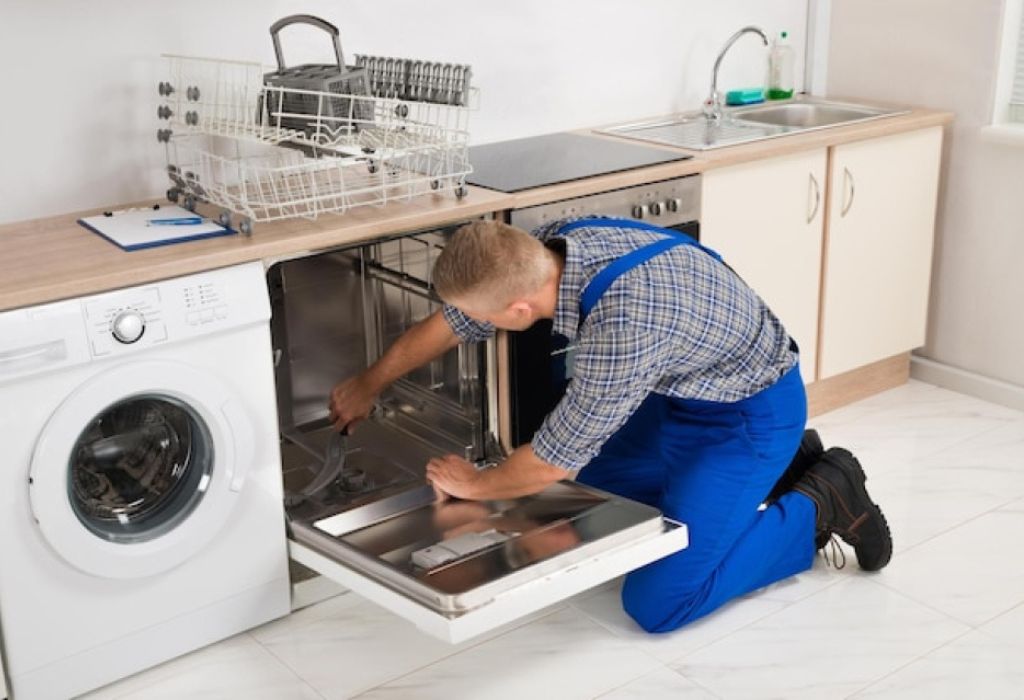
Sometimes, replacing the dishwasher is smarter than repairing an old one. If your existing unit is over 10 years old, constantly leaks, or has rust inside, a new model will be more efficient and reliable.
New dishwashers use less water and energy while cleaning better. Professional installers can safely remove the old one and handle recycling or disposal.
If the old unit’s wiring or plumbing is outdated, replacement ensures everything meets modern safety standards. You’ll also gain features like quiet operation, energy savings, and better filtration.
Should I replace my dishwasher if it leaks often?
Yes, frequent leaks usually indicate worn seals or corroded hoses.
How long do dishwashers usually last?
Typically 10–12 years with proper maintenance.
Can installers remove the old one for me?
Yes, most installation services include old appliance removal.
Does replacing an old unit cost more?
Slightly, but it includes removal and setup for the new one.
What happens to the old dishwasher after removal?
Installers usually recycle or dispose of it according to local laws.
Conclusion
Installing a dishwasher isn’t just another home improvement project — it’s a combination of plumbing precision, electrical safety, and structural balance. Doing it right ensures years of reliable performance, quiet operation, and a spotless kitchen.
Choosing the right installer saves time, stress, and money in the long run. Whether it’s a plumber, a certified technician, or a service from Home Depot or Amazon, make sure they’re licensed and experienced.
A professional installation means no leaks, no surprises, and peace of mind every time you run a cycle. So don’t rush the process — find the right expert fast, and enjoy your perfectly installed dishwasher from day one.

I’m Emma J. Caldwell, the founder, lead writer, and home-cooking enthusiast behind KitchenGuideCo.com. With a background in culinary arts and over a decade of cooking experience in both professional and personal kitchens, I created this platform to demystify recipes, offer smart kitchen gadget reviews, and guide readers through meal prep with confidence and clarity.