Imagine a busy kitchen in the late 19th century, where washing dishes was a tedious daily chore. Families spent hours scrubbing plates, cups, and cutlery by hand. In this era, the idea of a machine that could handle this task automatically was revolutionary.
The invention of the dishwasher changed domestic life, freeing people from repetitive manual labor. It also introduced a new era of kitchen innovation, paving the way for modern convenience.
Understanding who invented the dishwasher provides insight into both history and technology.
Before automated dishwashers, households relied entirely on manual cleaning. This was not only time-consuming but also physically demanding, particularly for large families or commercial establishments.
Inventors sought ways to create machines that could replicate handwashing while saving time and effort.
The early dishwasher was a combination of creativity, engineering, and practical necessity. Inventors experimented with water pressure, rotating sprayers, and mechanical arms to clean dishes efficiently. These innovations laid the foundation for the modern dishwashers we use today.
In this guide, we will explore the history of the dishwasher, the key inventors behind it, and how the design evolved over time.
We will also cover fun facts, technological milestones, and its impact on households and commercial kitchens. By the end, you’ll understand who invented the dishwasher and why it was so transformative.
The First Dishwasher Invention and Its Inventor

The first practical dishwasher was invented by Josephine Cochrane in 1886. She was a wealthy socialite who often hosted elaborate dinner parties. Frustrated that her fine china was being chipped and damaged by careless servants, she sought a better solution.
Cochrane believed a machine could clean dishes more efficiently and gently than human hands. She designed a mechanical device that used water pressure to remove food from plates. Her invention combined innovation with practicality, aiming to protect delicate dishware.
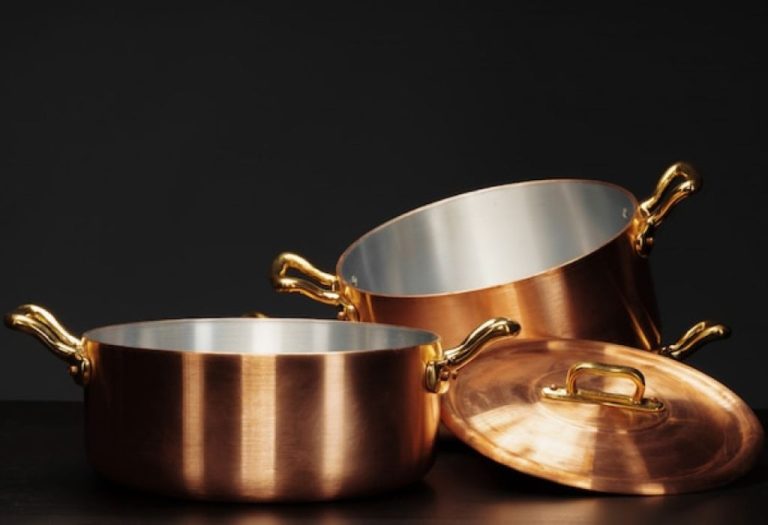
The original dishwasher was a hand-powered machine made of copper and wood. It featured wire racks to hold dishes and a wheel that rotated while jets of water sprayed them. Cochrane showcased her invention at the 1893 World’s Columbian Exposition in Chicago.
Her design impressed many, particularly in commercial kitchens, as it could clean large quantities of dishes quickly.
Hotels and restaurants began to see the potential of reducing labor and increasing hygiene. Josephine Cochrane’s invention became the blueprint for modern dishwashers.
Cochrane patented her dishwasher under U.S. Patent No. 355,139 in 1886. This legal recognition allowed her to produce and sell the machines commercially. She founded the Cochrane Dishwasher Company, which eventually merged with KitchenAid decades later.
Her invention was revolutionary because it applied mechanical innovation to domestic work, a concept rarely explored at the time.
It addressed both efficiency and care for fragile items, setting it apart from prior attempts. Cochrane’s focus on design and functionality was key to the dishwasher’s early success.
Before Cochrane, other attempts to create dishwashing machines existed but were largely ineffective. They either lacked water pressure, proper mechanics, or a way to hold dishes securely. Her invention was the first to combine these essential elements successfully.
Josephine Cochrane’s legacy is not only technological but also social. She challenged traditional domestic roles and created a machine that improved household productivity. Today, dishwashers remain a testament to her ingenuity and forward-thinking vision.
Commercial Adoption of Dishwashers
After Josephine Cochrane invented the dishwasher, commercial kitchens were the first to recognize its potential.
Hotels and restaurants faced the challenge of cleaning large quantities of dishes quickly and efficiently. Manual washing was time-consuming, labor-intensive, and often resulted in damaged dishware.
Cochrane’s machine offered a solution that combined speed with care for delicate china. By using water pressure instead of scrubbing, the dishwasher could clean numerous plates at once. This dramatically reduced the labor required in busy commercial settings.
Restaurants saw an immediate benefit in labor savings and improved hygiene standards. Staff could focus on food preparation and service while the dishwasher handled repetitive cleaning tasks. This efficiency increased profitability and set a new standard for professional kitchens.
Large-scale dishwashing machines also contributed to the rise of industrial kitchens and catering services.
With reliable cleaning equipment, hotels could host larger events without worrying about the dishwashing workload. The invention became a backbone of commercial food service operations.
Cochrane’s innovation also introduced standardized racks and rotating mechanisms. These features ensured dishes were cleaned evenly and without manual effort. Commercial kitchens could now handle fragile glassware and fine china more safely than ever before.
By the early 20th century, Cochrane’s dishwashers were widely adopted across upscale hotels and restaurants. The commercial success of the dishwasher demonstrated the practicality of automating household chores.
It also set the stage for later domestic adoption as technology became smaller and more affordable.
Dishwashers were not just machines but transformative tools that changed the way kitchens operated. They reduced workload, increased efficiency, and minimized breakage. Commercial adoption showcased the potential for mechanical innovation in everyday life.
The success in commercial environments ultimately encouraged engineers and manufacturers to design smaller, home-friendly models.
This transition marked the beginning of the dishwasher as a household staple. It also highlighted the importance of combining technology with human needs in practical design.
Technological Advancements Over the Decades
After the initial invention, dishwashers underwent significant technological improvements. Early models were manually powered, but electric motors replaced hand cranks in the early 20th century. This innovation increased water pressure, rotation speed, and overall cleaning efficiency.
Spraying mechanisms evolved to ensure dishes were cleaned evenly. Rotating arms and strategically positioned jets allowed water to reach every dish surface. These advancements reduced the need for manual pre-washing and improved hygiene standards.
Detergent formulation also improved over the decades. Early soaps were harsh or inefficient, while modern detergents are optimized for grease removal and stainless steel protection. Combined with better water circulation, these formulas enhanced cleaning without damaging dishware.
Stainless steel interiors became common in mid-century models. These durable interiors resisted rust and allowed higher temperatures for sanitization. They also increased the lifespan of the dishwasher, making it more reliable for both commercial and household use.
Adjustable racks and specialized compartments were introduced for more versatility. These features allowed users to fit larger pots, pans, and odd-shaped utensils. This adaptability made dishwashers more practical for everyday household needs.
Energy efficiency became a major focus by the late 20th century. Dishwashers began using less water and electricity while maintaining performance. Sensors were added to monitor soil levels, adjusting water usage and cycle length automatically.
Modern dishwashers now incorporate smart technology. Wi-Fi connectivity, app control, and remote monitoring allow users to start, pause, or customize cycles from anywhere. These innovations improve convenience, efficiency, and maintenance.
From manual, hand-cranked machines to today’s smart appliances, technological advancements have transformed dishwashing.
Each development improved speed, hygiene, energy efficiency, and user experience. Dishwashers have evolved into indispensable, high-tech tools for modern kitchens.
How Dishwashers Evolved After Josephine Cochrane
After Josephine Cochrane’s invention, dishwashers gradually evolved to become more efficient and user-friendly. Early machines were primarily used in commercial settings like hotels and restaurants.
Domestic households began adopting dishwashers only decades later as the technology became more affordable and compact.
In the early 20th century, companies experimented with electric-powered dishwashers. These replaced manual cranks and water wheels with motors to automate the cleaning process.
The electric motor allowed for higher water pressure and faster rotation, improving cleaning efficiency.
By the 1920s and 1930s, dishwashers started appearing in homes, although they were still considered luxury items. They were bulky and expensive, limiting widespread adoption. Despite this, their convenience and time-saving benefits made them increasingly popular among wealthier families.
Technological improvements in the mid-20th century focused on water jets, racks, and detergents. Spraying mechanisms became more sophisticated, ensuring dishes were cleaned evenly. Stainless steel interiors and better heating elements enhanced durability and hygiene.
In the 1950s, dishwashers became a staple in American households due to postwar economic growth.
Manufacturers like KitchenAid, Whirlpool, and General Electric introduced compact, efficient models. These machines offered better performance and reliability at lower prices, increasing accessibility.
By the 1970s and 1980s, dishwashers included advanced features like adjustable racks, energy-saving modes, and improved drying cycles.
These innovations made dishwashers more efficient and compatible with various types of dishes and utensils. Automation and programmability became central to modern designs.
Modern dishwashers focus on water efficiency, noise reduction, and smart technology. Sensors optimize water usage and energy, while quieter motors make dishwashing less disruptive.
Wi-Fi-enabled and app-controlled dishwashers are now available, allowing remote monitoring and operation.
Today, the evolution of the dishwasher reflects both technological progress and consumer convenience.
From a hand-powered invention by Josephine Cochrane to modern smart appliances, dishwashers have transformed kitchens worldwide. They continue to evolve, combining efficiency, hygiene, and ease of use in daily life.
Cochrane’s Legacy and Modern Recognition
Josephine Cochrane’s invention left a lasting impact on both household and commercial kitchens. Her dishwasher reduced the burden of manual dishwashing and improved kitchen hygiene. This innovation paved the way for future appliance technology.
Cochrane founded the Cochrane Dishwasher Company to manufacture and sell her machines commercially. Initially, her products were mainly used in hotels and restaurants. The success of her company demonstrated the practicality and value of automated dishwashing.
Her company eventually merged with KitchenAid, ensuring her invention remained influential in the appliance industry.
This merger helped bring dishwashers to residential homes on a larger scale. Today, KitchenAid dishwashers are considered a premium appliance, building on Cochrane’s original vision.
Cochrane is remembered as one of the first female inventors to receive recognition for a major household appliance.
She patented her dishwasher in 1886, giving her legal protection to produce and sell it. Her achievement highlighted the role of women in innovation during a male-dominated era.
Her invention also demonstrated the importance of combining practicality with technology. She identified a common household problem and applied mechanical innovation to solve it.
This approach inspired future inventors to consider efficiency, durability, and user needs in appliance design.
Museums and historical exhibits often celebrate Cochrane’s contribution. Her dishwasher is considered a milestone in domestic engineering. It represents creativity, ingenuity, and the evolution of everyday convenience.
Josephine Cochrane’s legacy extends beyond her invention. By revolutionizing the dishwashing process, she influenced domestic labor, commercial kitchen practices, and appliance engineering. Her work continues to be a benchmark for practical innovation.
Today, modern dishwashers, from basic models to smart appliances, owe their existence to her vision.
Without Cochrane’s invention, the convenience and efficiency we enjoy in kitchens worldwide would be significantly delayed. Her impact remains evident in every household that uses a dishwasher.
Dishwashers and Social Impact
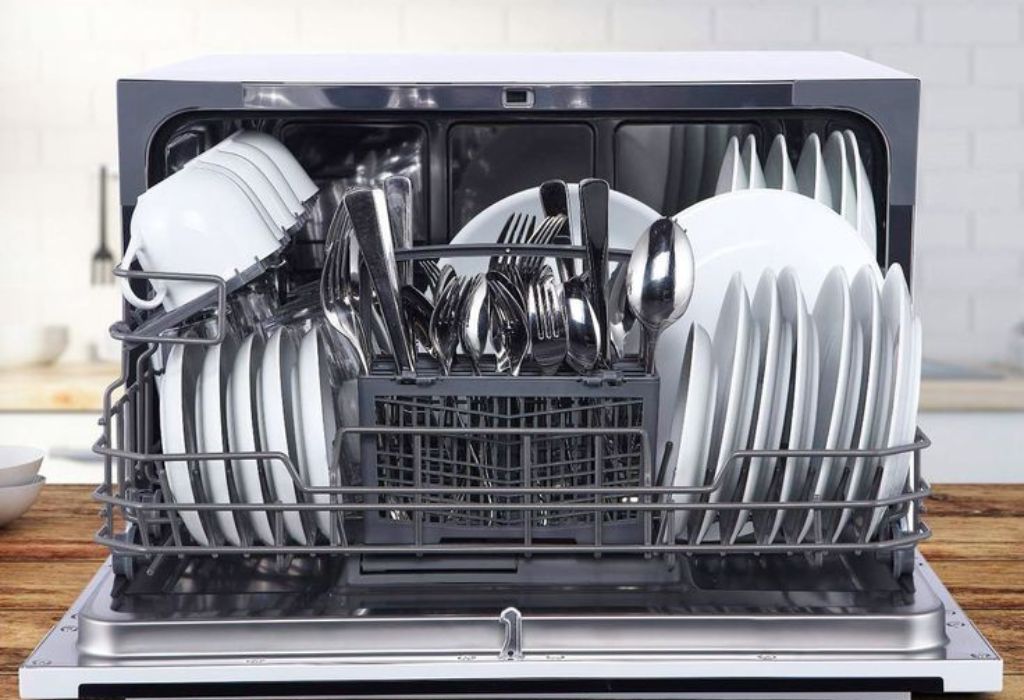
The invention of the dishwasher significantly changed domestic life by reducing the time and labor required for cleaning dishes. Before dishwashers, families spent hours scrubbing and rinsing, often daily.
Josephine Cochrane’s machine introduced efficiency and convenience that transformed household routines.
Dishwashers improved hygiene and sanitation in both homes and commercial kitchens. Hot water and powerful jets eliminated bacteria more effectively than manual washing. This advancement contributed to healthier eating environments and reduced the risk of foodborne illnesses.
The appliance also influenced gender roles in households. Traditionally, dishwashing was considered women’s work. By automating the task, dishwashers allowed women to allocate time to other responsibilities or professional pursuits, subtly shifting domestic dynamics.
In commercial settings, dishwashers reduced labor costs and increased efficiency. Hotels, restaurants, and catering services could clean large volumes of dishes faster than ever. Staff could focus more on service and food preparation rather than repetitive cleaning tasks.
Dishwashers also contributed to economic growth in appliance manufacturing. Demand for residential and commercial dishwashers created new business opportunities. Companies invested in innovation, improving technology, and producing appliances at larger scales.
The appliance has impacted environmental and resource management over time. Modern dishwashers are designed to save water and energy compared to hand washing. Innovations like sensors, eco-friendly cycles, and energy ratings help households reduce their environmental footprint.
Dishwashers have become a symbol of modern convenience and lifestyle. They allow families to spend more time together, enjoy meals, and maintain cleaner kitchens effortlessly. This cultural shift emphasizes time efficiency and quality of life.
Overall, the social impact of the dishwasher extends beyond kitchens. It influenced domestic routines, gender roles, commercial practices, and technological development.
Josephine Cochrane’s invention continues to shape society by combining efficiency, hygiene, and convenience in everyday life.
Interesting Facts About Dishwashers
The dishwasher is more than just a household convenience; it has an intriguing history and surprising impact.
Many people don’t realize that it was invented by a woman, Josephine Cochrane, in the 19th century. Her invention not only changed domestic life but also influenced commercial kitchens worldwide.
Dishwashers were initially designed to protect delicate china from chipping and breaking. Cochrane’s motivation came from hosting large dinner parties where fine dishware was often damaged by manual washing. Her machine used water pressure instead of scrubbing, making it both gentle and efficient.
Early dishwashers were manually powered, relying on hand cranks to rotate water spray arms. They were often made from wood and copper, combining durability with practical design. Commercial kitchens adopted these machines first because they saved time and labor.
Modern dishwashers use sensors and technology to optimize cleaning. Sensors detect dirt levels and adjust water flow, temperature, and cycle duration accordingly. This reduces water usage, improves efficiency, and ensures sparkling clean dishes.
Some dishwashers can now wash more than 300 dishes per cycle in commercial settings. Hotels, cruise ships, and restaurants rely on these machines to handle high-volume workloads. Residential dishwashers have scaled features down but retain the same basic principles of automation and cleaning efficiency.
Dishwashers not only save time but also promote hygiene and safety. High-temperature washes kill bacteria and sanitize dishes more effectively than hand washing. They also prevent food residue from lingering, which can attract pests or cause odors.
The invention of the dishwasher also influenced gender roles in households. It reduced the physical burden of dishwashing, allowing women more time for other activities and work. This small technological shift contributed to broader changes in domestic labor over the 20th century.
Finally, dishwashers are continuously evolving with eco-friendly designs. Energy Star-rated machines reduce water and energy consumption, making them sustainable for modern households.
The combination of convenience, efficiency, and environmental consciousness makes dishwashers indispensable today.
Frequently Asked Questions About Dishwashers and Their Inventor
Who invented the dishwasher?
The dishwasher was invented by Josephine Cochrane in 1886. She wanted a machine that could clean delicate china efficiently without chipping. Her invention was the foundation for modern dishwashers used today.
Why did Josephine Cochrane invent the dishwasher?
She hosted large dinner parties and noticed her fine dishes were often chipped or broken by hand washing. She wanted a machine that would clean dishes thoroughly while protecting them. This led to her creating a water-powered dishwasher design.
When was the first dishwasher patented?
Josephine Cochrane patented her dishwasher in 1886 under U.S. Patent No. 355,139. This legal protection allowed her to manufacture and sell her invention commercially.
Was the first dishwasher electric?
No, the original dishwasher was manually powered. It used hand cranks to rotate water wheels and spray arms. Electric dishwashers were introduced decades later, improving efficiency and convenience.
Who made dishwashers popular in households?
Commercial kitchens adopted dishwashers first due to labor-saving benefits. By the mid-20th century, companies like KitchenAid and Whirlpool created smaller, home-friendly models. Economic growth and technological improvements made dishwashers more accessible to the average household.
How did dishwashers change kitchen technology?
Dishwashers introduced automation to routine kitchen tasks. They inspired the development of new detergents, water-saving features, and appliance designs. Their success demonstrated the value of combining innovation with practical household needs.
What materials were used in the first dishwasher?
Josephine Cochrane’s original dishwasher was made from wood and copper. Copper was used for water-tightness and durability, while wood provided structural support. This combination ensured effective washing without damaging dishes.
Are modern dishwashers based on Cochrane’s design?
Yes, modern dishwashers retain the core concept of water jets spraying dishes in a rotating rack. Over time, electric motors, sensors, and stainless steel interiors improved efficiency. The basic principles remain the same as Cochrane’s original design.
Did Josephine Cochrane benefit financially from her invention?
Cochrane founded the Cochrane Dishwasher Company and sold machines to commercial clients. Her invention eventually merged with KitchenAid, ensuring long-term recognition. While she did gain some financial benefit, her legacy is more prominent in technological history.
Why is the dishwasher considered a revolutionary invention?
It transformed domestic labor by reducing time and effort spent washing dishes manually. It also influenced hygiene standards and kitchen appliance innovation. Josephine Cochrane’s invention marked a turning point in household efficiency and convenience.
Conclusion
The invention of the dishwasher by Josephine Cochrane in 1886 transformed household and commercial kitchens forever.
Her innovative design addressed the labor-intensive and delicate task of washing dishes. This simple idea sparked a technological revolution that continues to evolve in modern kitchens.
Cochrane’s dishwasher introduced automation to a previously manual chore. It used water pressure to clean dishes efficiently while preventing damage to fragile china. Her invention highlighted the importance of combining practicality, ingenuity, and mechanical innovation.
Over the decades, dishwashers evolved significantly, incorporating electric motors, advanced water jets, and programmable cycles. These improvements made them suitable for both commercial and domestic use. Today, dishwashers are an essential kitchen appliance worldwide.
Modern dishwashers are energy-efficient, water-saving, and equipped with smart technology. Sensors optimize cleaning, and eco-friendly designs reduce resource consumption. These innovations build upon Cochrane’s original vision while meeting contemporary household needs.
Understanding who invented the dishwasher provides insight into how necessity drives innovation.
Cochrane’s contribution reshaped domestic work, influenced appliance design, and set a precedent for modern convenience. Her legacy demonstrates that one practical solution can have a lasting impact on everyday life.
From manually powered copper machines to sleek, smart dishwashers, the evolution of this appliance reflects continuous innovation.
The dishwasher is a testament to human creativity and problem-solving. By learning about its history, we can appreciate the convenience we often take for granted today.

I’m Emma J. Caldwell, the founder, lead writer, and home-cooking enthusiast behind KitchenGuideCo.com. With a background in culinary arts and over a decade of cooking experience in both professional and personal kitchens, I created this platform to demystify recipes, offer smart kitchen gadget reviews, and guide readers through meal prep with confidence and clarity.