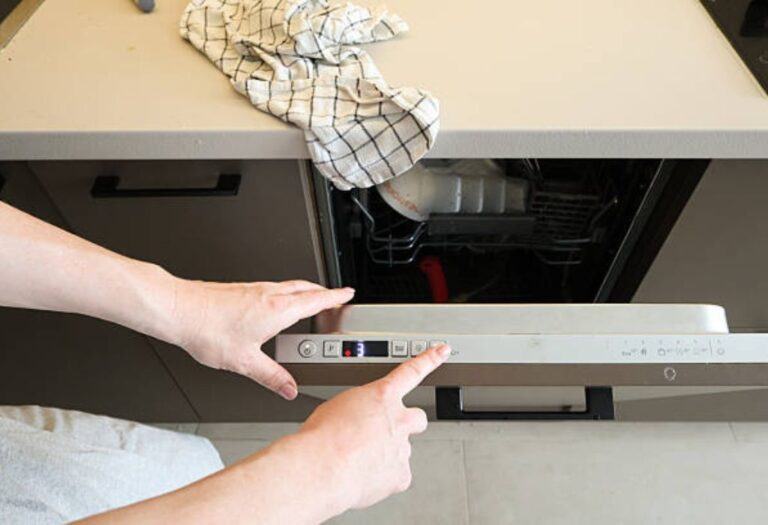
You open your dishwasher expecting to see spotless plates and shiny glasses, but instead, you’re greeted with half-clean dishes, greasy spots, and bits of food stuck in corners. It’s frustrating, especially when you’ve used the right detergent, selected the right cycle, and done everything by the book.
This problem is more common than you might think. Many homeowners deal with dishes that come out dirty or cloudy even though their dishwasher seems to be working perfectly. The truth is, dishwashers are powerful machines, but they rely on a delicate balance of water flow, heat, detergent, and timing. When one of these elements fails, cleaning performance drops instantly.
There are several reasons why your dishwasher might not be doing its job. From clogged spray arms and dirty filters to hard-water deposits and incorrect loading habits, even a small issue can make a big difference. The good news is that most of these problems are easy to diagnose and fix without calling a technician.
In this detailed guide, you’ll discover why your dishes are not getting clean in the dishwasher and learn step-by-step solutions to fix the issue for good. You’ll also find preventive maintenance tips to keep your dishwasher running like new, ensuring your dishes always come out sparkling clean.
Why Are My Dishes Not Getting Clean in the Dishwasher?
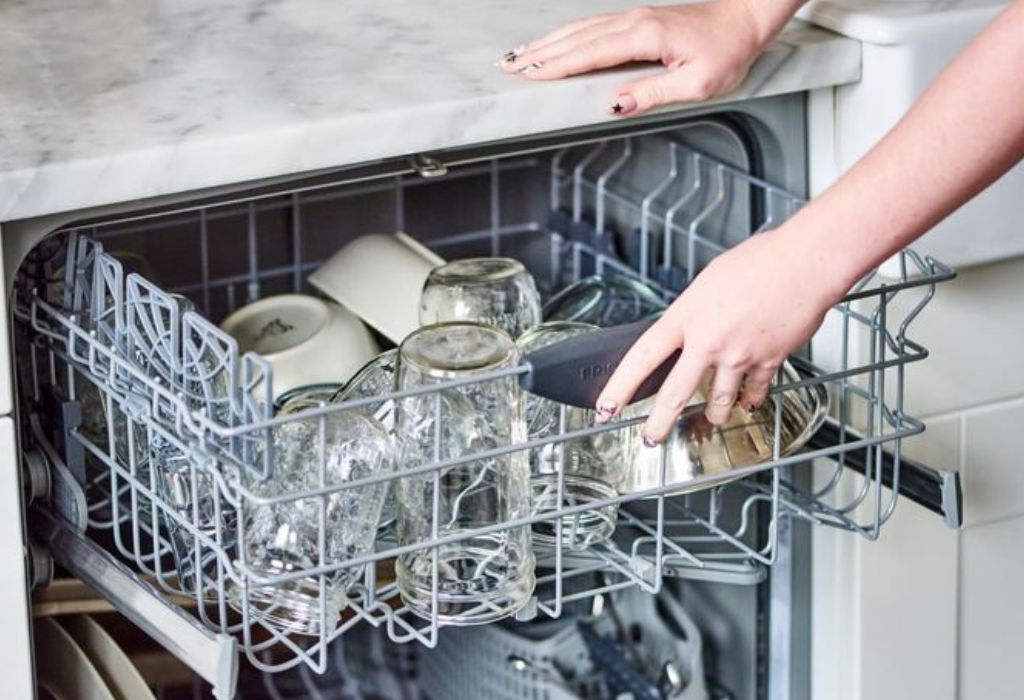
When your dishwasher stops cleaning properly, it doesn’t necessarily mean it’s broken. Most of the time, the cause is a buildup of dirt, grease, or mineral deposits that block water flow or prevent detergent from working effectively. Understanding how your dishwasher works makes it easier to pinpoint what’s going wrong.
A dishwasher cleans using four key factors: water pressure, temperature, detergent, and circulation. The spray arms shoot high-pressure water to remove food particles, while the heating element ensures hot water dissolves grease and activates detergent. The filter catches debris, and the rinse aid helps water slide off for a streak-free finish. When one of these functions fails, cleaning results suffer.
In many cases, food scraps block the spray arm holes, stopping water from reaching every dish. A dirty filter can also recirculate old food particles, making your dishes appear dirtier after washing. Hard water is another major issue — its mineral deposits leave cloudy residue and prevent detergent from lathering properly.
Sometimes, improper loading is the problem. When dishes are overcrowded or blocking the spray arms, water can’t circulate freely. Even using the wrong detergent or too much soap can create residue instead of removing it.
Before assuming your dishwasher is faulty, it’s worth checking each of these areas. In the next section, you’ll find a detailed breakdown of the most common causes and easy, step-by-step solutions to get your dishwasher cleaning like new again.
Common Reasons Dishes Stay Dirty After a Wash
If your dishes come out dirty, foggy, or streaked, there’s almost always an underlying cause you can fix yourself. Let’s look at the most common reasons why your dishes are not getting clean in the dishwasher and how to solve each one effectively.
1. Clogged or Dirty Spray Arms
The spray arms are responsible for spraying high-pressure water throughout the dishwasher. When food particles or mineral deposits block the small holes, water can’t reach every surface. Remove the arms, rinse them under warm water, and use a toothpick to clear each nozzle. Once clean, reattach and test the rotation to make sure they move freely.
2. Dirty or Blocked Dishwasher Filter
A clogged filter is another common reason dishes stay dirty. It traps leftover food and grease during every cycle, and if not cleaned regularly, it recirculates grime back onto your dishes. Remove the filter, soak it in warm soapy water, scrub gently with a brush, and rinse thoroughly before reinstalling.
3. Using Too Much or Too Little Detergent
Too much detergent can leave a film, while too little won’t clean effectively. Check your dishwasher manual for the correct amount and use high-quality detergent suited for your water type. Powder and pods work best for most modern machines.
4. Hard Water Mineral Buildup
Hard water prevents detergent from dissolving properly, leaving cloudy spots and dull finishes. Run an empty hot cycle with a cup of white vinegar once a month to dissolve mineral deposits and improve cleaning performance.
5. Incorrect Loading Habits
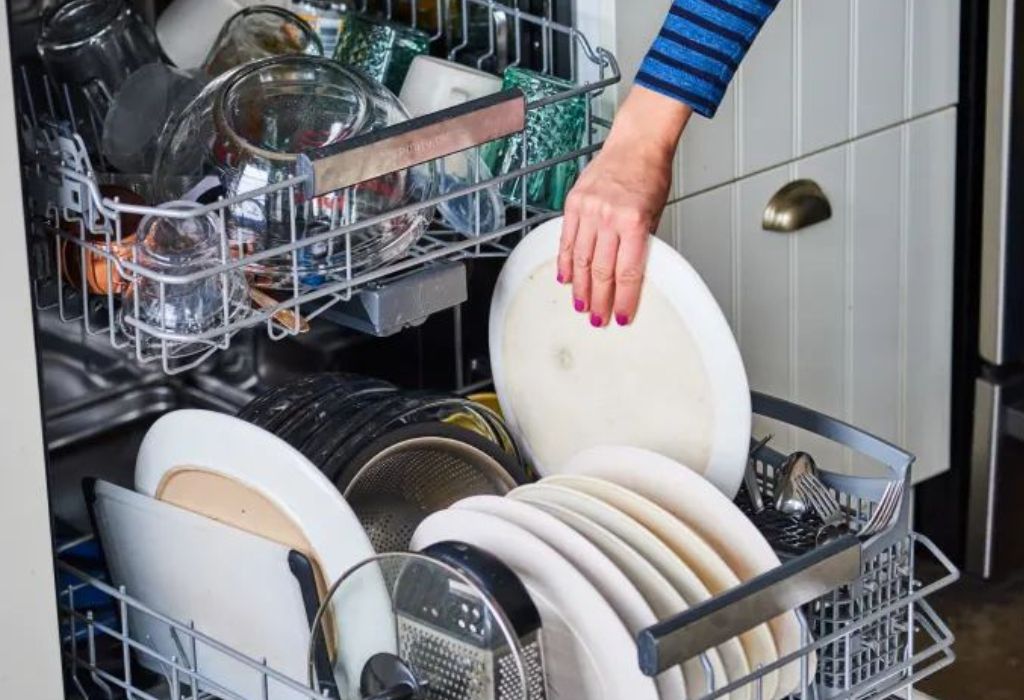
Overcrowding prevents water from reaching all dishes. Load larger items on the bottom rack and smaller ones on top, keeping spray arms clear for optimal water flow.
Step-by-Step Troubleshooting Guide
If your dishes still aren’t coming out clean, don’t worry. With a few simple checks and adjustments, you can usually get your dishwasher back to peak performance without calling a repair technician. Follow these easy troubleshooting steps to find and fix the problem.
1. Check and Clean the Filter
Start by removing the bottom rack and taking out the filter. Rinse it under warm running water to remove grease, food debris, and buildup. Use a soft brush and mild dish soap to scrub it clean, then reinstall it properly. A clogged filter is one of the most common reasons for poor cleaning performance.
2. Inspect the Spray Arms
Remove both the upper and lower spray arms and hold them under water. Use a toothpick or small wire to unclog any blocked holes. If there’s mineral buildup, soak the arms in a mixture of equal parts vinegar and warm water for 30 minutes before rinsing.
3. Run a Vinegar Cleaning Cycle
Pour one cup of white vinegar into a dishwasher-safe bowl and place it on the top rack. Run the dishwasher on the hottest cycle without dishes. The vinegar will dissolve soap scum, grease, and mineral deposits, improving overall cleaning efficiency.
4. Check Water Temperature
Your dishwasher needs water that’s at least 120°F to clean effectively. Run your kitchen faucet until the water feels hot before starting the dishwasher, or adjust your water heater settings if needed.
5. Reload and Retest
After completing the steps above, reload the dishwasher properly, leaving enough space between dishes. Run a normal cycle and check for improvements. In most cases, you’ll notice cleaner, shinier results right away.
Preventive Maintenance Tips
Once your dishwasher is back to cleaning perfectly, regular maintenance is the key to keeping it that way. Simple monthly habits can make a big difference in performance, water efficiency, and the overall lifespan of your machine.
The first and most important habit is to clean the filter regularly. Make it a routine to remove and rinse the filter once every two to three weeks, especially if you use your dishwasher daily. Keeping the filter clean prevents food particles from recirculating onto your dishes and keeps the water flow unrestricted.
Next, clean the spray arms monthly. Remove them and soak them in warm vinegar water to dissolve any hard-water buildup or grease. Spin them by hand to make sure they rotate freely. Clean spray arms ensure strong and even water pressure throughout every wash cycle.
Use a rinse aid consistently to help water slide off dishes, preventing streaks and water spots. It also helps glasses dry faster and maintain their clarity.
Run an empty vinegar cycle once a month to deep clean the interior. Pour one cup of white vinegar into the bottom of the dishwasher and run the hottest cycle. This helps remove detergent residue, mineral buildup, and lingering odors naturally.
Finally, avoid overloading the racks. Leave enough space between dishes so water can reach every surface. Overcrowding is one of the most common causes of poor cleaning performance, even in a perfectly working dishwasher.
By following these easy maintenance tips, you’ll prevent most cleaning issues before they start and keep your dishwasher running efficiently for years.
When to Call a Professional
Even after cleaning filters, spray arms, and running vinegar cycles, your dishes may still come out dirty. When basic maintenance no longer solves the problem, it’s time to consider professional help. Knowing when to call a technician can save you time, money, and frustration.
If you notice that the spray arms aren’t spinning even after unclogging them, it could indicate a problem with the circulation pump or motor. These components control water pressure, and when they fail, the dishwasher cannot clean effectively. A technician can test these parts safely and replace them if necessary.
Another warning sign is persistent water pooling at the bottom of the dishwasher. This often means the drain hose or pump is blocked or damaged. If you smell a strong odor or hear loud grinding noises during the wash cycle, it may be a mechanical issue that requires expert inspection.
When dishes remain greasy despite cleaning efforts, there could be a heating element problem. Dishwashers need hot water to dissolve detergent and sanitize dishes. A professional can test and replace faulty heating elements to restore proper temperature levels.
Finally, if your dishwasher is more than ten years old and showing multiple issues, scheduling a maintenance visit is a smart investment. Professionals can check seals, hoses, and internal wiring to extend its lifespan and prevent costly breakdowns.
Calling a professional at the right time prevents further damage and ensures your dishwasher runs at full efficiency. Sometimes, a quick service visit is all it takes to bring your appliance back to peak cleaning performance.
FAQ’s About-why are my dishes not getting clean in the dishwasher
Why are my dishwasher spray arms not working properly?
If your dishwasher spray arms aren’t spinning or spraying water, they’re likely clogged with food debris, grease, or hard-water deposits. Cleaning the holes and ensuring free rotation usually restores full water pressure and washing power.
How do I know if my dishwasher spray arms are clogged?
When dishes come out dirty or you notice uneven cleaning patterns, it’s a sign the spray arms are blocked. You may also hear the dishwasher running louder or see residue inside the spray arm holes.
What’s the best way to clean dishwasher spray arms?
Remove the spray arms, rinse them under warm water, and use a toothpick or small brush to clear out any clogged holes. Then soak them in a mixture of equal parts white vinegar and water for 30–60 minutes to dissolve mineral deposits.
Can I clean dishwasher spray arms without removing them?
Yes, you can run an empty dishwasher with one cup of white vinegar placed in a bowl on the top rack. This helps dissolve light buildup. However, for deep cleaning, removing the spray arms gives much better results.
How often should I clean the spray arms?
It’s recommended to clean your dishwasher spray arms every 2–3 months. If you live in a hard-water area or use your dishwasher daily, monthly cleaning helps prevent clogging and performance loss.
Why is vinegar effective for cleaning spray arms?
Vinegar is mildly acidic and breaks down mineral buildup, detergent residue, and grease naturally. It’s safe, affordable, and doesn’t damage plastic or stainless steel components.
What tools do I need to clean spray arms properly?
You’ll need a screwdriver (if your model requires removal), a toothpick or pin, a small brush, warm water, and white vinegar. A basin or sink is also helpful for soaking.
Can I use baking soda along with vinegar to clean spray arms?
Yes, combining baking soda with vinegar enhances cleaning power. The fizzing reaction helps dislodge stuck-on residue and deodorizes the dishwasher interior at the same time.
What should I avoid when cleaning spray arms?
Avoid using sharp tools like knives or metal pins that could enlarge the spray holes. Also skip harsh chemicals or bleach-based cleaners, as they can corrode plastic and metal components.
When should I replace my dishwasher spray arms instead of cleaning them?
If your spray arms are cracked, warped, or still don’t spin smoothly after cleaning, it’s time to replace them. Damaged arms can’t distribute water properly and will keep your dishes from getting fully clean.
Conclusion
A dishwasher is one of the most convenient appliances in any kitchen, but when your dishes start coming out dirty or streaked, it can be incredibly frustrating. The good news is that most cleaning issues have simple causes and even simpler solutions. With just a bit of regular maintenance, you can restore your dishwasher’s cleaning power and keep it running like new.
As you’ve learned, the most common reasons for dishes not getting clean include clogged spray arms, dirty filters, incorrect loading, and hard-water buildup. Each of these problems can be fixed easily at home using basic tools and cleaning supplies like vinegar and baking soda. These natural cleaners not only remove grime and mineral residue but also help prevent future buildup.
Preventive maintenance is just as important as cleaning itself. Taking a few minutes each month to rinse filters, wipe spray arms, and run a hot vinegar cycle can save you from major repairs later. Using the right detergent, adding rinse aid, and avoiding overcrowding are simple habits that make a big difference.
If you’ve tried everything and your dishes still aren’t coming out clean, don’t hesitate to call a professional. Sometimes, internal components like the pump or heating element need expert attention to get your dishwasher back to full strength.
With the right care, your dishwasher can deliver spotless, streak-free dishes for years to come. Treat it as part of your regular kitchen routine, and you’ll enjoy effortless cleaning every time you press start.

I’m Emma J. Caldwell, the founder, lead writer, and home-cooking enthusiast behind KitchenGuideCo.com. With a background in culinary arts and over a decade of cooking experience in both professional and personal kitchens, I created this platform to demystify recipes, offer smart kitchen gadget reviews, and guide readers through meal prep with confidence and clarity.