You open your dishwasher expecting steam and sparkle, but instead find a pool of dirty water at the bottom. The dishes are half-clean, and your kitchen suddenly smells like stale soap. It’s one of the most frustrating surprises for any homeowner.
A dishwasher full of water doesn’t always mean it’s broken. Often, it’s simply a drainage problem caused by food debris, grease, or air-flow blockage. But ignoring it can lead to leaks, odors, or even motor strain.
This guide explains why dishwashers hold standing water, what each cause means, and how you can safely fix the issue before calling a repair technician. By the end, you’ll know exactly how to drain and restore your dishwasher to perfect working order.
How the Dishwasher Drain System Works
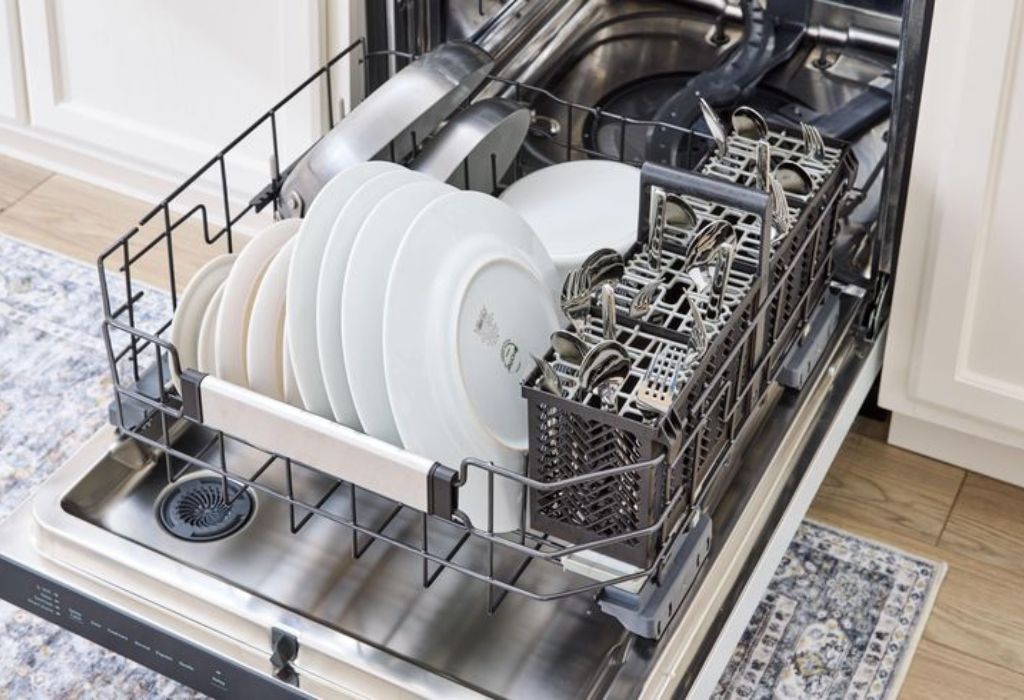
Understanding how the drainage system functions helps you spot the problem faster. During the final rinse cycle, the dishwasher pump pushes dirty water through a hose connected to the sink drain or garbage disposal. From there, it travels to the main household drainpipe.
If any section of that line becomes clogged or kinked, water can’t exit. The machine finishes its cycle but leaves water standing in the basin. In most cases, the dishwasher’s internal sensors detect the water level and pause the cycle automatically.
The drain system also includes a check valve that prevents dirty water from flowing backward. If the valve fails or gets stuck, it may trap water in the bottom of the unit. Regular cleaning of filters, hoses, and valves is key to keeping drainage efficient.
Most Common Reasons for Standing Water in Dishwasher
Standing water can come from several issues, and identifying the cause is the first step toward fixing it.
The most common reason is a clogged filter. Food particles, seeds, or small debris often collect in the filter basket at the bottom of the dishwasher. When clogged, it restricts water flow to the pump.
Another frequent culprit is a kinked drain hose. If the hose behind your machine bends sharply or becomes pinched, water can’t move freely. Straightening it can instantly solve the issue.
A jammed drain pump can also leave water sitting inside. Bits of glass, plastic, or labels can stop the pump impeller from spinning. When that happens, water simply has nowhere to go.
Lastly, improper installation or a blocked garbage disposal inlet can prevent draining entirely. Checking these areas ensures every path is clear before restarting the dishwasher.
Can standing water damage my dishwasher?
Yes, if left for long periods, it can cause mold growth or foul odors.
Is it safe to run another cycle?
No, always drain the water first to prevent flooding.
Can this be an electrical problem?
Rarely. Most cases involve plumbing blockages, not wiring.
Should I scoop out the water manually?
Yes, remove excess water with a cup or towel before inspection.
Does detergent buildup cause drainage problems?
Yes, hardened soap scum can clog small drain openings.
Checking and Cleaning the Filter Assembly
The filter assembly is your first checkpoint when water remains after a wash. Located at the bottom of your dishwasher, it traps debris before it reaches the pump.
Start by removing the bottom rack and locating the cylindrical or flat filter plate. Turn it counterclockwise and lift it out. Rinse under warm running water, scrubbing with a soft brush to remove grease and residue.
If the mesh looks heavily clogged, soak it in a mix of vinegar and baking soda for 15 minutes before rinsing. This breaks down food buildup without damaging the filter.
Once cleaned, ensure it sits tightly back in place. A loose filter can allow debris to bypass and block the pump impeller. Cleaning it once a week helps maintain proper water flow and prevents future standing water issues.
Inspecting and Clearing the Drain Hose
If the filter looks clean, the next likely cause is a clogged or kinked drain hose. The hose connects the dishwasher to the sink’s plumbing system and can easily trap grease or food particles.
Pull the dishwasher slightly away from the wall to access the hose. Check for visible bends or kinks first. If it looks pinched, straighten it gently. Then disconnect the hose from the sink drain or disposal using pliers.
Run warm water through the hose or use a long flexible brush to clear buildup. For stubborn clogs, use a small plumber’s snake or compressed air to dislodge debris.
Once clear, reconnect the hose tightly and test the machine with a short rinse cycle. You should hear the drain pump running smoothly and see the water disappear quickly.
Can I cut the hose shorter?
No, shortening may cause improper drainage or backflow.
Should I replace an old hose?
Yes, every 5 years or if it becomes brittle or discolored.
Can a clogged garbage disposal cause backflow?
Yes, if the inlet is blocked, dishwasher water backs into the sink.
Do I need to clamp the hose?
Yes, secure it with a hose clamp to prevent leaks.
What’s the best way to clean inside the hose?
A flexible drain brush or air compressor works best for thorough cleaning.
Examining the Drain Pump and Check Valve
The drain pump plays a key role in removing water from your dishwasher. If it’s blocked or failing, water will stay at the bottom even after the cycle ends.
First, unplug the dishwasher and remove the lower kick panel. Locate the small motor housing near the base — this is the drain pump. Check for loose wires, visible cracks, or foreign objects like broken glass inside the impeller area.
Clean out any debris and spin the impeller manually. It should turn smoothly without friction. If it feels stuck or moves with difficulty, replacement may be necessary.
The check valve, located near the pump or drain outlet, prevents dirty water from re-entering the dishwasher. If it’s stuck open, water can flow back inside after draining. Clean the valve and make sure it closes fully.
Replacing both parts is straightforward and can often restore full drainage function instantly.
Testing the Garbage Disposal Connection
If your dishwasher drains into the garbage disposal, this connection is another key inspection point. Food waste can accumulate at the entry port, blocking water from passing through.
Turn off power to the disposal and disconnect the dishwasher drain hose. Use a flashlight to look inside the inlet. If you spot food debris or grease, clear it using a small brush or wooden dowel.
If the disposal is newly installed, make sure the knockout plug was removed before connecting the dishwasher hose. Forgetting to remove this plug completely blocks the drain path and causes immediate water backup.
Run cold water and switch on the disposal for 30 seconds while the dishwasher drains. This flushes out remaining waste and confirms the system is clear.
Dealing With Air Gap and Venting Problems
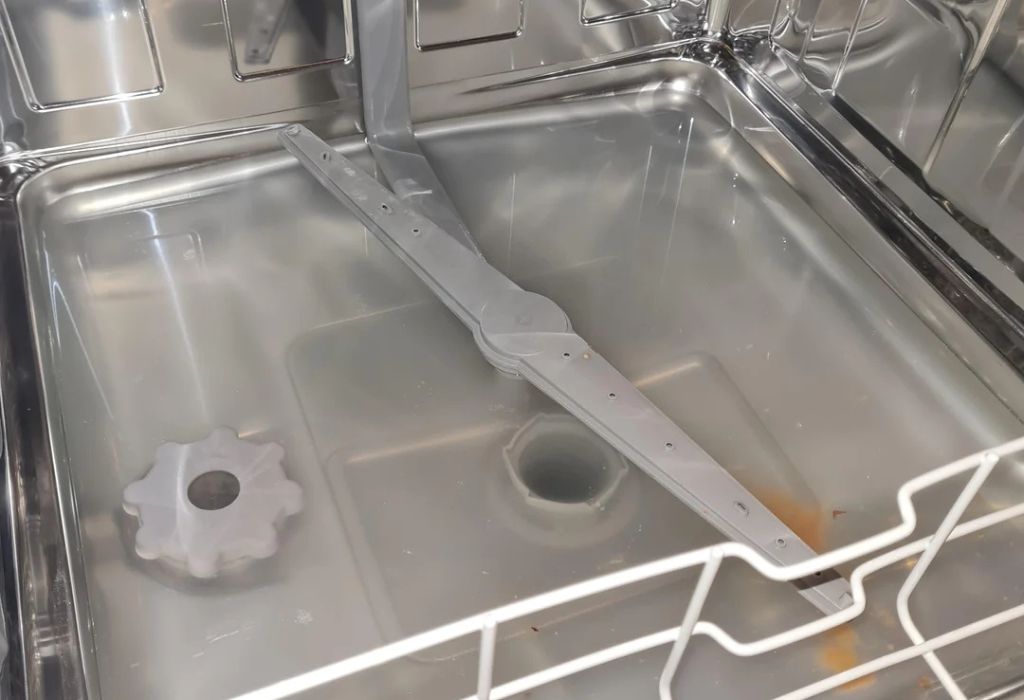
The air gap — that small chrome or plastic cylinder beside your faucet — prevents backflow between the sink and dishwasher. If it becomes clogged, your dishwasher might retain dirty water.
Remove the air gap cap and clean the inner tube using a soft brush or a pipe cleaner. Flush it with warm water and reinstall the cap securely.
If your kitchen setup uses a high-loop system instead, ensure the drain hose is secured above the sink’s waterline. This prevents back-siphoning that can cause standing water inside the tub.
Also, check the sink’s vent pipe for blockages. A clogged vent prevents proper air pressure in the plumbing system, which slows down drainage from both the sink and the dishwasher.
How to Prevent Standing Water in the Future
Once you’ve fixed the issue, regular maintenance ensures it doesn’t return. Start by scraping large food particles off plates before loading. Though dishwashers are designed for light residue, excess debris clogs filters fast.
Once a week, clean the filter and rinse it under warm water. Once a month, run an empty dishwasher cycle with white vinegar or a commercial cleaner to remove grease and detergent film.
Avoid overloading the racks, which can block spray arms and affect drainage. Always run the garbage disposal before starting a dishwasher cycle to ensure the drain is clear.
Finally, schedule a professional inspection annually if your home has older plumbing or recurring slow drainage issues.
Can detergent pods cause buildup?
Yes, excess residue can form around the drain filter and restrict flow.
Is vinegar safe for regular cleaning?
Yes, it’s natural, non-toxic, and dissolves limescale effectively.
Should I rinse dishes before loading?
Lightly, but avoid fully washing — detergent needs residue to activate properly.
Does hot water improve drainage?
Yes, it dissolves grease faster and keeps pipes clean.
Can I use baking soda with vinegar monthly?
Yes, it refreshes the interior and neutralizes odors safely.
Conclusion
A dishwasher full of water might seem like a disaster at first, but it’s really a signal that your drain system needs attention.
Every part of the drainage process, from the filter to the hose and pump, must work together to remove wastewater efficiently. When even one component is blocked or misaligned, the cycle can’t complete properly.
The good news is that most of these problems are easy to solve with a little patience and basic tools. Cleaning the filter, clearing debris from the hose, or checking the garbage disposal connection usually restores full draining power.
These steps don’t just fix the issue, they also protect your appliance from future strain and reduce the chances of leaks or odors.
Think of your dishwasher as a closed loop system that relies on water flow and air pressure balance. Regular maintenance keeps that balance intact. Washing with hot water, using the right detergent, and cleaning filters weekly ensures smooth performance with every load.
If you ever face repeated standing water after multiple cleanings, that’s your cue to inspect the drain pump or call a technician for a deeper evaluation.
Consistent upkeep turns your dishwasher back into a dependable tool rather than a source of frustration.
A little time spent maintaining the parts you rarely see will reward you with spotless dishes, better energy efficiency, and a longer-lasting machine — a simple trade for peace of mind every time you press “Start.”

I’m Emma J. Caldwell, the founder, lead writer, and home-cooking enthusiast behind KitchenGuideCo.com. With a background in culinary arts and over a decade of cooking experience in both professional and personal kitchens, I created this platform to demystify recipes, offer smart kitchen gadget reviews, and guide readers through meal prep with confidence and clarity.