You load your dishwasher, hit start, and walk away expecting the familiar hum of cleaning cycles. But a few minutes later, you notice water pooling on the kitchen floor. Panic sets in — where did it come from, and is it safe to keep running the appliance?
A leaking dishwasher might look like a major disaster, but in most cases, it’s caused by small issues like a loose seal, cracked hose, or clogged filter. These minor faults can lead to big messes if ignored.
Water leaks not only damage floors and cabinets but also create mold and safety hazards. The good news is that understanding why it happens makes solving it much easier.
In this guide, you’ll learn exactly what causes dishwasher leaks, how to pinpoint the source, and what steps you can take to fix it — before it turns into an expensive repair.
Understanding How Dishwasher Leaks Begin
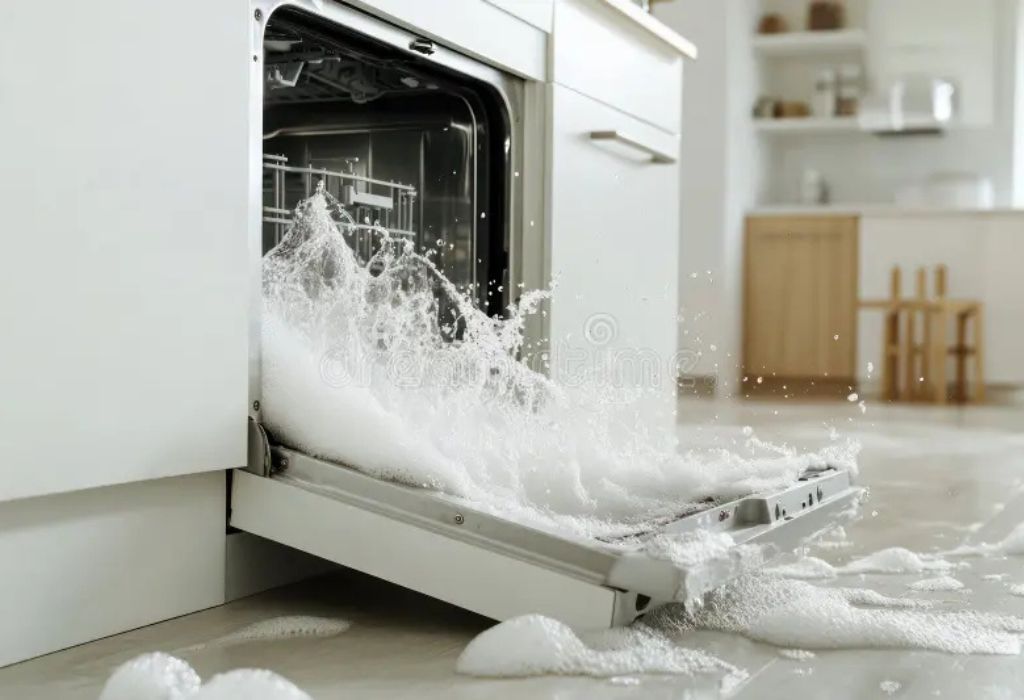
Dishwashers handle several gallons of water each cycle. That water moves through hoses, pumps, and seals under high pressure, so even a small misalignment can cause leaks.
Most leaks start with the door seal, drain hose, or water inlet valve. Over time, wear and residue buildup weaken these parts. When they can no longer seal tightly, water escapes during washing or draining.
Improper loading can also create leaks. Large dishes blocking the spray arms can redirect water toward the door gasket, forcing it out through tiny gaps.
Detergent choice plays a role too. Using regular dish soap instead of dishwasher detergent creates excessive suds that overflow through the vent.
Hard water buildup or debris in the filter can also restrict drainage, causing water to pool and spill out.
Understanding these common starting points helps you locate leaks faster and prevents unnecessary panic the next time you see water on the floor.
Common Causes of Dishwasher Water Leaks
One of the most common causes is a damaged door gasket. This rubber seal runs around the door frame and prevents water from escaping during cycles. If it’s torn, loose, or hardened, water can drip out.
Another frequent issue is a loose or cracked hose. Both the drain hose and water inlet hose can wear out over time, especially at their connection points.
If your dishwasher leaks from underneath, the pump or pump seal could be the problem. When the pump fails, water escapes through the base plate.
Overfilled dishwashers also leak. Faulty float switches or malfunctioning inlet valves can allow too much water inside the tub.
Improper leveling often leads to front leaks. If your dishwasher tilts forward, water collects near the door and seeps through the bottom.
Finally, leaks sometimes come from clogged filters or drain paths. When water can’t flow freely, it backs up and spills out of weak points in the system.
Each of these causes can be fixed easily once identified, saving you from unnecessary replacement costs.
How to Find the Source of a Dishwasher Leak
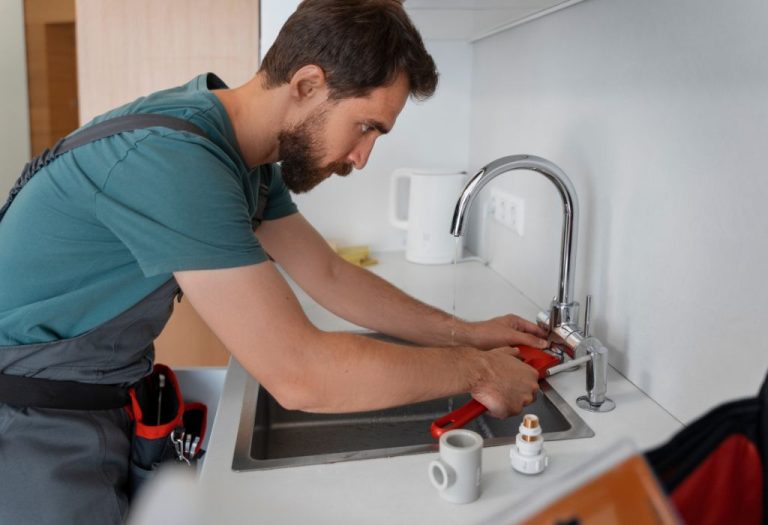
Start by unplugging your dishwasher and turning off the water supply. Safety always comes first when inspecting electrical appliances.
Next, dry all visible water around the unit. Then run a short cycle while keeping the door slightly open so you can observe carefully.
If water appears near the door, inspect the rubber gasket for cracks or flattened areas. Replace it if it feels stiff or brittle.
For leaks underneath, pull the dishwasher slightly forward and look for drips from hoses or the pump housing. A flashlight helps you spot water trails easily.
Remove the bottom kick plate to check for pooling inside. If the leak originates around the water inlet valve, you’ll see small drips during filling.
Check the drain hose at both ends — under the sink and at the dishwasher base. Make sure it’s tightly connected and not kinked.
Finding the exact source allows you to apply the right fix instead of guessing and wasting time.
Simple Fixes for Common Dishwasher Leaks
If your door gasket is the culprit, replacing it usually solves the issue. New gaskets slide into place easily and create a watertight seal once softened by warm water.
For loose hoses, tighten the clamps using a screwdriver or replace the hose entirely if you find cracks.
Clean your filter and drain basket thoroughly. Clogs prevent proper drainage and force water to leak through seams and connections.
If you notice leaks near the bottom, check the pump assembly. Replacing worn-out seals or gaskets around the pump stops leaks from underneath.
Level the dishwasher using its adjustable front legs. Even a slight tilt forward can cause puddles near the door.
Avoid using too much detergent, especially liquid or powdered types not designed for dishwashers. Stick to automatic dishwasher pods or powders.
Finally, run a short test cycle after each fix. This confirms whether the leak has been resolved before reinstalling panels and trim.
Preventing Dishwasher Leaks in the Future
Most leaks can be prevented through regular maintenance. Cleaning your filter weekly removes food debris that causes drainage issues.
Inspect the door gasket monthly for cracks, mold, or dryness. Wiping it with warm, soapy water keeps it flexible and ensures a tight seal.
Run your garbage disposal before starting the dishwasher if they share the same drain line. This prevents backflow and pressure buildup that can force water out.
Avoid overloading the racks. Plates or pans pressed against the door can break the seal and redirect spray.
Check the drain hose yearly to ensure it isn’t kinked or rubbing against sharp cabinet edges. Replace it every five years for safety.
Once a month, run a cleaning cycle with white vinegar or a commercial descaler. This removes mineral buildup and keeps pumps working efficiently.
Regular care prevents leaks and extends your dishwasher’s lifespan while saving you from costly repairs.
When to Call a Professional for Dishwasher Leaks
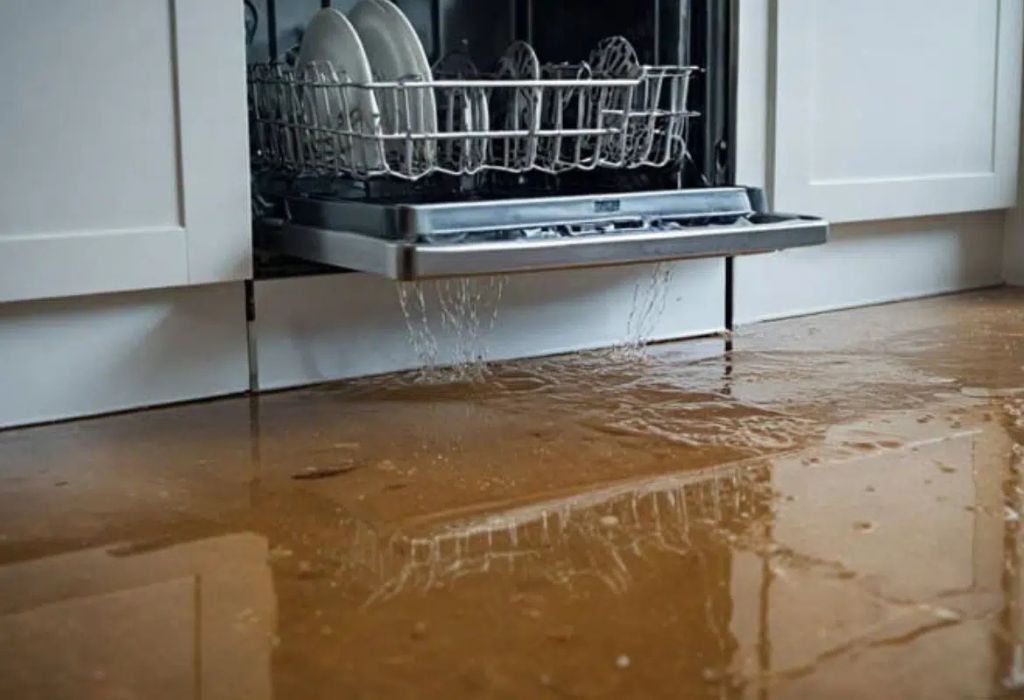
While many leaks are easy to fix, some require professional attention. If water is leaking from underneath and you can’t locate the source, the pump, motor, or internal tubing may need repair.
Leaks involving the water inlet valve or electrical components should never be handled without proper tools and experience.
If the leak continues even after replacing the gasket and cleaning the filter, the problem could be structural — such as a cracked tub or damaged sealant joints.
Call a plumber or appliance technician if you notice water dripping even when the dishwasher is off. That suggests a pressurized supply line issue.
Persistent leaks that leave puddles under flooring may cause long-term damage if ignored. Professionals can diagnose internal faults quickly and ensure lasting repairs.
Sometimes, replacing an older dishwasher is more cost-effective than repairing severe leaks repeatedly. A technician can help you decide based on age and condition.
Knowing when to seek expert help protects both your appliance and your home.
Frequently Asked Questions About-Dishwasher Water Leaks
Why is my dishwasher leaking water from the bottom?
Usually it’s a worn-out door gasket, cracked hose, or faulty pump seal.
Can a clogged filter cause my dishwasher to leak?
Yes. When water can’t drain properly, it backs up and escapes through seams or gaskets.
Why does my dishwasher leak only during certain cycles?
Some leaks appear only during fill or drain phases depending on where the fault lies.
Can overloading the dishwasher cause leaks?
Yes. Large dishes or pans can press against the door, breaking the seal.
Is it normal for a dishwasher to leak a little water?
No. Even small leaks indicate a seal or drainage problem that needs fixing.
Why is water coming from under the dishwasher door?
The door gasket is likely loose, cracked, or covered in debris.
Can I use regular dish soap in my dishwasher?
Never. It produces excessive foam that overflows and causes leaks.
Why is my new dishwasher leaking?
Check installation. Loose fittings or an unremoved knockout plug in the disposal often cause early leaks.
Can hard water make my dishwasher leak?
Yes. Mineral buildup can stiffen gaskets and block drainage, leading to leaks.
How do I know if my drain hose is clogged?
If water backs up into the sink or bottom of the dishwasher, the hose is likely blocked.
Why is my dishwasher leaking even when it’s off?
A faulty inlet valve or supply hose may be allowing pressurized water to seep through.
What should I do first when I see a leak?
Turn off power and water supply immediately, then inspect for visible drips or cracks.
Can a tilted dishwasher leak water?
Yes. If it’s not level, water pools near the front and leaks through the door.
Is a leaking dishwasher dangerous?
It can be. Water near electrical parts increases the risk of shock or fire.
When should I replace a leaking dishwasher?
If it’s over ten years old and leaks continue despite repairs, replacement is best.
Conclusion
A leaking dishwasher doesn’t always mean disaster — it’s often just a small issue waiting to be fixed. Most leaks come from worn gaskets, loose hoses, or simple clogs that can be repaired in minutes.
By cleaning filters regularly, inspecting seals, and loading dishes properly, you can prevent leaks before they start. Simple maintenance goes a long way toward protecting your floors, cabinets, and appliance.
If the leak continues after basic fixes, calling a professional ensures a safe and lasting repair. Sometimes, early intervention saves hundreds in potential damage.
Keep your dishwasher clean, balanced, and well-maintained. A few extra minutes of care after each cycle can mean years of leak-free performance and peace of mind in your kitchen.

I’m Emma J. Caldwell, the founder, lead writer, and home-cooking enthusiast behind KitchenGuideCo.com. With a background in culinary arts and over a decade of cooking experience in both professional and personal kitchens, I created this platform to demystify recipes, offer smart kitchen gadget reviews, and guide readers through meal prep with confidence and clarity.