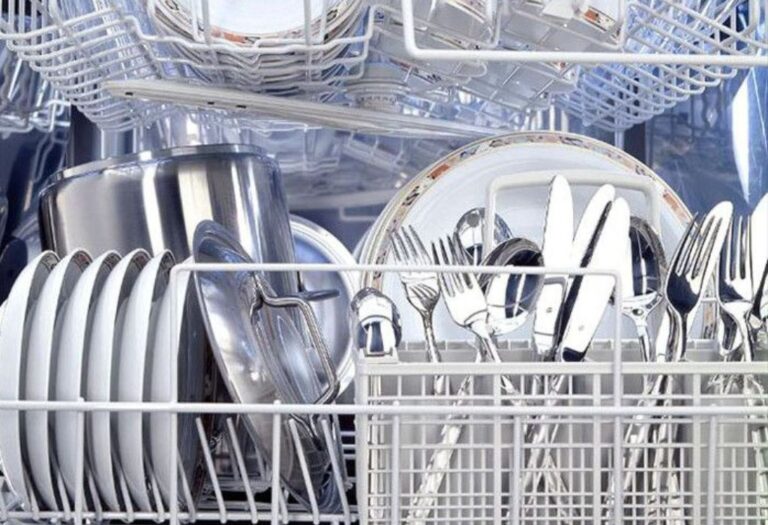
You start your dishwasher as usual, expecting to hear the familiar rush of water filling the tub. But instead, there’s only silence or a low hum. When you open the door, the dishes are dry, the detergent pod is untouched, and your machine seems half-asleep.
It’s a frustrating situation many homeowners face. The dishwasher powers on, lights blink normally, but no water flows inside. While it may seem like a serious malfunction, the cause is often something small and easy to fix once you know where to look.
Dishwashers rely on a combination of valves, switches, hoses, and sensors to fill properly. When one of these parts fails or gets blocked, the water supply simply stops.
This guide will walk you through every possible cause — from simple connection issues to deeper mechanical faults — and show you how to restore water flow safely. By the end, your dishwasher will be running perfectly again, cleaning dishes efficiently just like before.
How Dishwashers Fill and Use Water
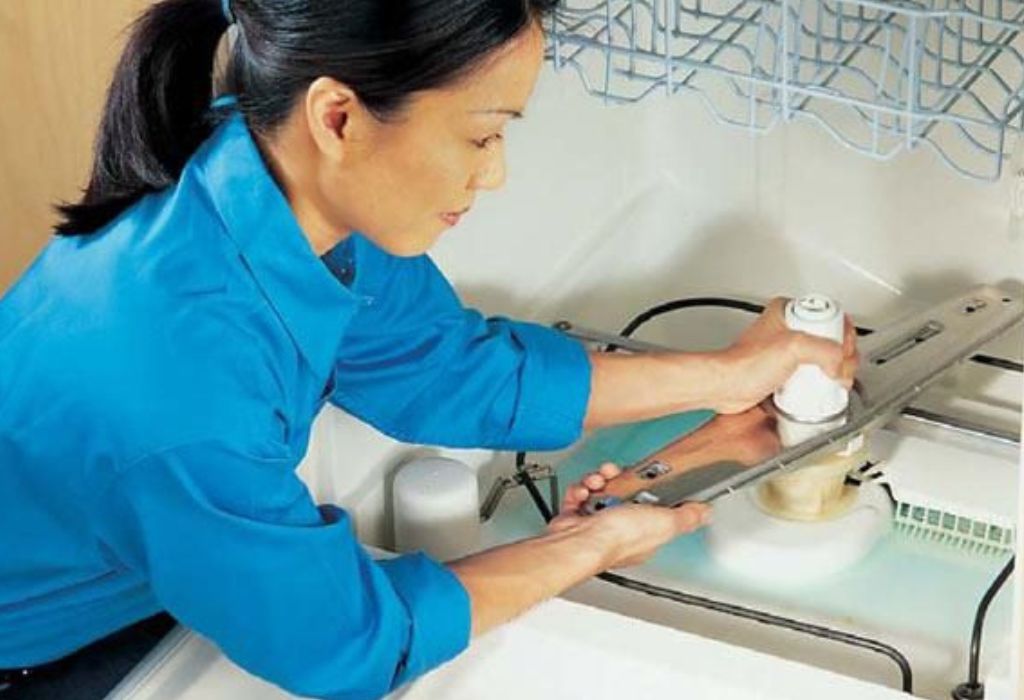
To understand why your dishwasher isn’t filling, it helps to know how the water system works. When you start a cycle, an inlet valve opens to allow water from your home’s plumbing to flow into the tub. The machine measures the amount through internal sensors, then closes the valve once it’s full.
Next, the circulation pump sprays water through the arms, washing and rinsing dishes. When the cycle ends, the drain pump removes the used water. This cycle repeats multiple times depending on the wash setting.
If any part of this chain fails — especially the inlet valve, float switch, or water supply line — the dishwasher won’t receive enough water to begin washing. Even a small blockage or sensor misread can stop the process.
Understanding each step helps narrow down where the problem lies. Sometimes it’s as simple as a shut-off valve turned off under the sink, while other times it’s a faulty component that needs cleaning or replacement.
Check the Water Supply Line
The first place to check is the water supply line. It’s the flexible hose that connects your dishwasher to your home’s plumbing, usually under the kitchen sink. If this line is blocked, bent, or turned off, water can’t reach the machine.
Start by looking under the sink for a small lever or knob connected to the dishwasher’s hose. Turn it counterclockwise to make sure the valve is fully open. It’s common for this valve to be bumped or partially closed during other plumbing work.
Next, inspect the hose for any kinks or twists. If the hose bends sharply or is crushed behind the dishwasher, water flow is restricted. Gently straighten it out to allow free movement.
If the hose looks old or corroded, it could be clogged inside with sediment or mineral buildup. Disconnect it from the inlet valve, place the end in a bucket, and briefly turn on the water to check flow. If the pressure is weak, replace the hose entirely.
A clean and open supply line ensures steady water flow into your dishwasher. If the hose and valve are fine, the problem likely lies inside the appliance itself.
Inspect the Inlet Valve for Blockages
The water inlet valve controls how much water enters your dishwasher. It opens at the start of a cycle and closes once the correct level is reached. If it gets clogged or stuck closed, your dishwasher won’t fill at all.
Unplug the dishwasher or switch off the circuit breaker before checking the valve. It’s usually located behind the lower front access panel, near where the water hose connects. Remove the panel and inspect the valve assembly.
Detach the hose and check the small metal filter screen inside the valve port. Over time, minerals, sand, or rust particles from your plumbing can block this mesh. Clean it gently with a toothbrush and rinse it with water.
If the valve itself is buzzing or not opening during the fill cycle, the solenoid coil may have failed. You can test it using a multimeter — it should show a resistance reading between 500 and 1500 ohms. A reading outside that range means the valve needs replacement.
Replacing an inlet valve is a straightforward DIY task: disconnect the old one, attach the new valve, reconnect hoses and wires, and secure the panel again. Once done, your dishwasher should fill with water normally.
Examine the Float and Float Switch
The float and float switch work together to monitor water levels inside your dishwasher. If either becomes stuck or faulty, the machine may think it’s already full of water and won’t allow more to enter.
The float is a small dome or cylinder near the bottom of the tub. Lift it gently with your fingers — it should move freely up and down. If it feels stuck, clean the area around it with a damp cloth to remove food particles or soap buildup.
Beneath the float is the float switch, an electrical component that sends a signal to the control board. If this switch fails, the inlet valve won’t open. Use a multimeter to test for continuity while pressing the float down. No reading means the switch needs replacement.
A working float system ensures your dishwasher fills only when necessary and prevents overflows. Regular cleaning keeps it functioning properly and avoids false readings that block water flow.
Check for Electrical or Control Board Issues
If all mechanical parts seem fine, the problem may be electrical. The dishwasher’s control board sends power to the inlet valve at the start of the fill cycle. If the wiring or board is damaged, the signal never reaches the valve.
Start by checking the wiring harness that connects the inlet valve and float switch to the control board. Look for frayed wires, burn marks, or loose connections. Reattach or replace any damaged wires.
Sometimes, power surges can confuse the control board, causing it to skip the water-filling step. Unplug the dishwasher for five minutes to reset it. Plug it back in and try running a short rinse cycle.
If the reset doesn’t help, inspect the control board for burnt components or corrosion. Replacement boards are available for most dishwasher brands, and installation usually involves removing a few screws and reconnecting the wiring.
While electrical issues are less common than blockages, they can stop water intake completely. If you’re unsure about wiring work, call a qualified technician to avoid safety risks.
Clean the Filter and Spray Arms
Sometimes, a dishwasher seems not to fill simply because of restricted water circulation. If the filter or spray arms are clogged, water enters the machine but can’t move effectively.
Remove the bottom rack and twist out the filter assembly. Rinse it under warm water and scrub away grease or food particles. A clean filter ensures steady flow during both filling and washing cycles.
Next, remove the spray arms by unscrewing or unclipping them. Run warm water through each hole. If you see clogged jets, use a toothpick or pipe cleaner to remove debris. Soap residue and hard-water minerals often block these small holes.
Reattach the arms and run a test cycle. You should hear water circulating more strongly once everything is clear. Keeping these parts clean prevents low water pressure and uneven cleaning results.
Inspect the Door Latch and Sensors
Believe it or not, your dishwasher won’t fill with water if the door latch isn’t fully engaged. The control system treats an unlatched door as an open one and won’t activate the inlet valve for safety.
Close the door firmly and listen for a solid click. If it feels loose or doesn’t latch properly, inspect the latch assembly for wear or damage. Tighten the screws or replace the latch if it’s broken.
Modern dishwashers also rely on sensors that monitor the door and water level. A dirty or malfunctioning door sensor can send false readings that stop water intake. Clean the contact points with a cotton swab dipped in alcohol to remove residue.
In some models, a sensor calibration error can cause this problem repeatedly. Resetting the dishwasher (pressing and holding the Start/Cancel button for five seconds) can recalibrate it. After resetting, start a quick rinse cycle to verify that water now fills correctly.
Verify Household Water Pressure and Supply
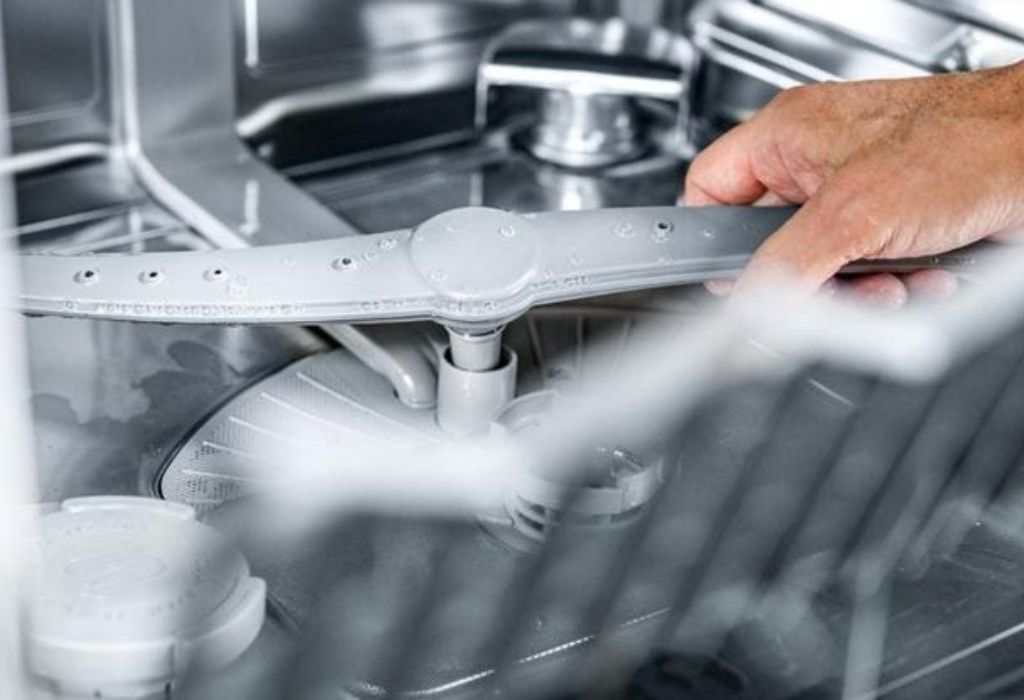
If your dishwasher still isn’t filling after all these checks, your home’s water pressure might be too low. Dishwashers typically require at least 20 PSI of water pressure to fill properly.
Check other faucets in your kitchen. If the flow seems weak, you may have a supply issue rather than a dishwasher fault. Make sure the main water valve for your home is fully open.
Sediment buildup in your home’s plumbing system can also restrict water flow. Consider installing a water filter or softener to protect your appliances from mineral deposits.
If you live in an area with hard water, routine descaling is essential. It prevents mineral buildup inside the inlet valve and hoses, which often causes slow or incomplete filling.
Testing and maintaining water pressure ensures your dishwasher always receives the right amount for optimal cleaning performance.
Perform a Complete System Reset
Sometimes, after cleaning or part replacement, your dishwasher still won’t recognize that the issue has been fixed. A full system reset helps refresh its control logic.
Unplug the dishwasher or turn off its circuit breaker for at least five minutes. This clears any stored error codes or faulty cycle data.
When power is restored, press and hold the Start/Cancel or Reset button for five seconds. On some models, pressing the Heated Dry + Normal Wash buttons together triggers a self-diagnostic reset.
After resetting, run a test cycle to see if the dishwasher fills normally. You should hear the water entering within the first 30 seconds. If not, the inlet valve or control board might still need replacement.
Resetting after troubleshooting helps the appliance sync its sensors and start fresh, preventing recurring “no water” errors.
Common Mistakes That Stop Water Flow
Even after fixing the issue, some everyday mistakes can make it return. One of the most frequent is accidentally turning off the supply valve while cleaning under the sink. Always double-check that it’s fully open before every cycle.
Another mistake is pushing the dishwasher too tightly against the wall. This can crush the water line, reducing or cutting off flow entirely. Leave at least two inches of clearance behind the appliance.
Overusing detergent can also cause foaming and residue buildup that clogs sensors and valves. Use only the recommended amount for your water hardness level.
Ignoring hard-water buildup leads to recurring blockages. Running a vinegar or descaling cycle monthly prevents mineral scale from forming in hoses and inlet screens.
By avoiding these small but common errors, your dishwasher will maintain consistent performance without interruptions.
Preventive Maintenance for Reliable Water Filling
To ensure your dishwasher always fills properly, add a few habits to your cleaning routine. First, inspect the filter weekly and rinse it under warm water. This keeps debris from reaching the pump or valve.
Run a monthly vinegar rinse to dissolve grease, calcium, and detergent residue. Pour one cup of vinegar into the bottom of the dishwasher and run a hot cycle with no dishes.
Check the water supply hose quarterly for kinks or corrosion. If you live in a hard-water area, consider installing a water softener to extend your dishwasher’s lifespan.
Replace the inlet valve screen or float switch every few years if buildup becomes frequent. These inexpensive parts prevent costly breakdowns later.
Finally, always listen to your dishwasher during operation. If you don’t hear water filling within the first 30 seconds, pause the cycle and inspect right away. Early action saves time and prevents major repairs.
How the Water Inlet Valve Works Inside Your Dishwasher
The water inlet valve is the heart of your dishwasher’s filling system. It connects your home’s water line to the appliance, controlling the precise amount of water that enters during each cycle.
When the control board sends an electrical signal, the valve opens briefly, allowing water to flow into the tub through the inlet port.
This valve is usually located behind the lower access panel at the front of your dishwasher. It’s a small, sturdy part with two wire connectors and a threaded port where the hose attaches. Even a tiny blockage in the valve’s screen or a failed solenoid can prevent water from entering.
If your dishwasher hums but doesn’t fill, it’s often the valve struggling to open. Mineral buildup, debris, or corrosion inside the valve chamber can stop it from sealing or releasing properly. Cleaning or replacing it quickly restores function.
Testing the valve requires a multimeter. Disconnect the wires and check resistance — a healthy reading is typically between 500 and 1500 ohms. Anything outside that range means it’s time for a new valve.
The inlet valve’s job may look small, but without it, no amount of detergent or heat will matter. Regular inspection keeps your dishwasher filling efficiently and prevents dry cycles that waste both time and electricity.
Signs That Your Dishwasher Is Not Getting Enough Water
Not every “no water” issue means a total blockage — sometimes your dishwasher just isn’t getting enough water to operate properly. You might notice dishes still dirty after a cycle or detergent pods left partially dissolved in their compartment. These symptoms are often the first warning signs.
When there’s insufficient water, spray arms can’t spin with full pressure. This leads to uneven cleaning and streaks on glassware. It can also make the dishwasher noisier, as the pump runs dry while trying to circulate limited water.
Check the bottom of the tub right after the fill stage. You should see about half an inch of water covering the filter area. Anything less indicates low flow or pressure.
Clogged inlet screens, partially closed valves, or low household water pressure can all reduce the amount entering the machine. A simple pressure test or cleaning the valve screen often solves the problem.
If you live in a region with hard water, calcium deposits may slowly restrict the inlet path. Running a descaler or vinegar cycle monthly helps restore full water volume.
Recognizing these subtle signs early prevents major breakdowns later. A dishwasher that doesn’t fill enough wastes energy and leaves dishes unsanitary.
How to Use Diagnostic Mode to Detect Water Supply Errors
Modern dishwashers include a diagnostic mode that helps identify hidden faults. This mode runs self-tests on sensors, pumps, and valves, displaying error codes that pinpoint the issue. It’s a powerful tool for finding water-supply problems before dismantling anything.
To activate diagnostic mode, check your user manual for your specific brand. Commonly, you’ll press and hold a combination of buttons like Heated Dry + Normal Wash for five seconds until lights flash. The dishwasher then begins cycling through tests automatically.
Watch the indicator lights carefully — patterns or codes appear that correspond to issues like “no fill,” “low pressure,” or “valve open failure.” Each brand has its own chart, usually printed inside the door or available online.
During testing, you can listen for whether the inlet valve hums or clicks. If there’s silence when the fill phase starts, the valve isn’t receiving power or the solenoid has failed.
Diagnostic mode is especially useful after you’ve cleaned everything but the machine still won’t fill. It confirms whether the problem lies in wiring, sensors, or the control board.
Running diagnostics regularly helps you detect small issues early and saves hundreds in technician fees.
The Impact of Hard Water on Dishwasher Water Flow
Hard water is a silent enemy of dishwashers everywhere. It contains high levels of calcium and magnesium, which form scale deposits inside valves, hoses, and spray arms over time. These mineral layers narrow passages and restrict water movement, leading to slow filling or complete blockages.
If you notice white chalky residue on dishes or the interior of your machine, hard water is the likely culprit. This buildup doesn’t just affect appearance — it disrupts sensors and clogs inlet screens, causing your dishwasher to receive less water each cycle.
Over time, scale can even damage heating elements and pumps. This reduces cleaning power and increases energy usage as the dishwasher struggles to complete cycles properly.
To combat this, run a descaling cycle once a month using vinegar or a commercial descaler. Simply pour one cup of white vinegar into the bottom of the dishwasher and run a hot cycle without dishes.
For long-term protection, consider installing a water softener in your plumbing system. It removes minerals before they reach your dishwasher, keeping internal components clean.
Controlling hard water buildup ensures proper water pressure, extends your appliance’s lifespan, and keeps dishes sparkling after every wash.
When to Call a Professional for Help
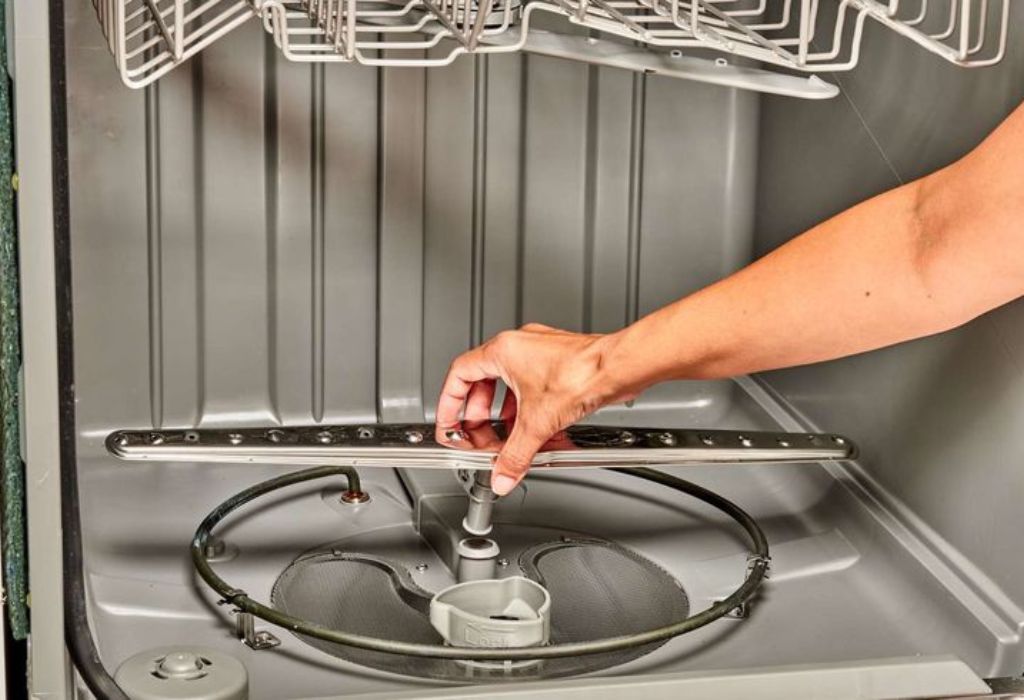
While most water-supply problems can be solved with basic cleaning and testing, some situations require professional service. Knowing when to stop troubleshooting saves time and prevents further damage.
If your dishwasher shows no sign of power to the inlet valve even after checking wiring and fuses, the control board may be failing. Replacing a board involves delicate electrical work and should be handled by a certified technician.
Likewise, if the inlet valve hums continuously or leaks, internal seals may be worn out. Continuing to use the dishwasher can cause flooding or damage the motor. Professionals can test voltage safely and install new parts correctly.
A cracked water supply line or persistent low-pressure issue might also need a plumber’s inspection. There could be sediment buildup or airlock problems within your home’s plumbing system.
If your dishwasher is under warranty, tampering with internal wiring can void coverage. It’s best to document the issue and schedule an authorized service visit.
Calling an expert at the right time ensures safety and long-term reliability. Sometimes, spending a little on professional repair saves you from replacing the entire unit later.
Frequently Asked Questions About Dishwasher Water Supply Problems
Why is my dishwasher not getting water at all?
Most often, the water supply valve is closed, or the inlet valve is clogged. Checking these first solves the problem in minutes.
How do I know if the water inlet valve is bad?
If it doesn’t buzz or open during the fill cycle and fails a multimeter test, it’s faulty. Replace it to restore water flow.
Can a float switch stop my dishwasher from filling?
Yes. If the float gets stuck in the up position or the switch fails, the system will think it’s full and block water entry.
Does low water pressure affect my dishwasher?
Absolutely. If your household pressure is below 20 PSI, the dishwasher may not fill correctly. Adjust or repair your plumbing if needed.
Should I clean the inlet screen regularly?
Yes, every 6 months. Sediment from tap water can clog the mesh screen and restrict flow into the machine.
Can a door latch issue cause no water to enter?
Yes. If the door isn’t closing tightly, the dishwasher assumes it’s open and won’t fill for safety reasons.
What happens if I ignore this problem?
Running the dishwasher dry can overheat the pump and damage internal parts. Always fix filling issues before using it again.
Can I test the inlet valve myself?
Yes, with a multimeter. If the coil doesn’t show resistance between 500–1500 ohms, the valve is defective.
What’s the best way to prevent this from happening again?
Keep filters and hoses clean, check supply lines quarterly, and run monthly vinegar rinses to prevent mineral buildup.
When should I call a technician?
If all checks fail and no water enters after reset, contact a professional to inspect the control board or wiring.
Conclusion
When your dishwasher stops getting water, it can disrupt your entire routine. But in most cases, the cause is simple — a closed valve, clogged inlet, or stuck float switch. With patience and a few tools, you can fix it yourself.
Every component plays a role in filling properly, from the supply hose to the sensors inside. By following this guide, you can identify the root cause step by step and restore your dishwasher’s normal operation.
Routine maintenance keeps your appliance reliable and efficient. Cleaning filters, running vinegar rinses, and checking hoses regularly ensures steady water flow for years.
Instead of worrying about dry cycles and dirty dishes, you’ll enjoy the quiet confidence of a dishwasher that works flawlessly every time. Consistent care today guarantees clean, spotless results tomorrow.

I’m Emma J. Caldwell, the founder, lead writer, and home-cooking enthusiast behind KitchenGuideCo.com. With a background in culinary arts and over a decade of cooking experience in both professional and personal kitchens, I created this platform to demystify recipes, offer smart kitchen gadget reviews, and guide readers through meal prep with confidence and clarity.