You load the dishes, close the door, and press start. The usual hum begins, but something feels off this time. There’s no rush of water, no familiar spray hitting the plates — just silence.
You wait a few minutes, thinking it might start soon, but it never does. When you finally open the door, everything inside is still dirty. This is one of the most frustrating dishwasher problems because it stops cleaning completely.
The good news is that most of the time, the issue isn’t serious. It’s often caused by a simple blockage, a jammed spray arm, or an inlet valve that isn’t filling properly.
In this complete guide, you’ll learn why your dishwasher isn’t spraying water, how to diagnose each cause, and what steps can restore strong spray and perfect cleaning.
How the Dishwasher Spray System Works
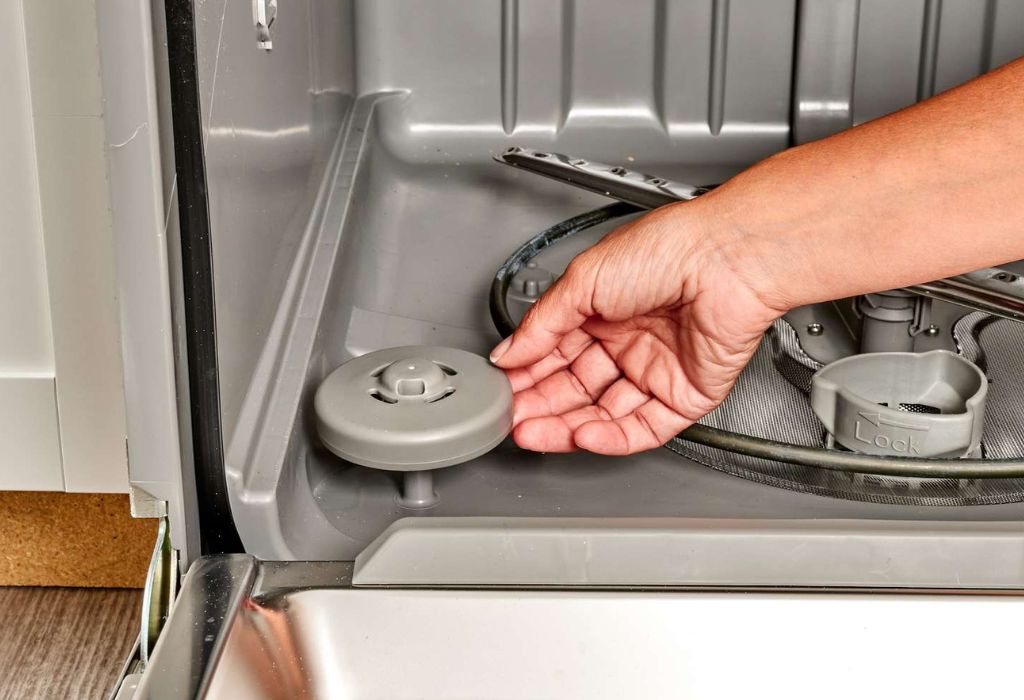
Your dishwasher’s spray system is a combination of pumps, valves, and nozzles that work together to clean dishes efficiently.
Water enters through the inlet valve, passes through filters, and is pushed at high pressure by the circulation pump. That pressure sends water through rotating spray arms, which spin and spray from multiple angles.
Each spray arm contains several small jets that direct water upward or downward depending on the rack’s position. The pump alternates pressure between upper and lower arms throughout the cycle for even cleaning.
If any part of this process fails — such as a blocked jet, a weak pump, or low water level — the spray stops completely. That’s why understanding the internal water flow helps you trace problems quickly.
The system also includes temperature control, sensors, and pressure valves that maintain consistent performance. These components are usually reliable, but even a small clog or sensor misread can interrupt the entire spray process.
Is the pump the same for spraying and draining?
Yes, most dishwashers use a single circulation pump that switches direction between washing and draining.
Does temperature affect water spray pressure?
Partly. Hot water lowers surface tension, allowing the jets to clean more effectively even with lower pressure.
Can low household water pressure stop the spray?
Yes, if your home’s pressure is under 20 PSI, the dishwasher may not fill enough to create adequate spray force.
Common Reasons Water Isn’t Spraying Inside
When a dishwasher fails to spray, the most common reason is a clogged spray arm. Over time, small food particles or mineral deposits from hard water can block the tiny holes that release water.
Another frequent cause is a dirty filter under the lower rack. The filter traps debris and grease, but if it becomes clogged, the pump can’t circulate enough water to build pressure.
A malfunctioning circulation pump can also stop spraying. You might hear the motor running, but if the impeller is damaged or jammed, water won’t move through the system.
Sometimes the issue comes from a restricted water inlet valve that doesn’t allow enough water into the tub. Without sufficient water, there’s not enough pressure for spraying.
Finally, electrical issues — such as a faulty float switch or control board — can stop the cycle before spraying begins. Each of these causes has distinct symptoms, so careful observation helps identify the source quickly.
Can a dishwasher run but not spray?
Yes. The machine may fill and drain correctly but still fail to circulate water if the pump or arms are blocked.
Is it safe to use the dishwasher if it isn’t spraying?
No, running it dry can overheat components and waste energy. Stop the cycle and inspect immediately.
Does detergent residue cause spray problems?
Yes. Over time, dried detergent and grease can harden around jets, reducing water flow.
Check and Clean the Spray Arms
Spray arms are the first components to inspect. They’re easy to remove and clean, and most spray-related problems start here.
Remove both upper and lower racks to reach the arms. Most designs allow the arms to twist off with a gentle counterclockwise turn. Hold them under bright light to inspect each hole carefully.
Use a fine wire, needle, or toothpick to remove clogs. Avoid forcing sharp objects, as they can widen the jets and reduce pressure. Rinse under warm water until every hole sprays evenly.
If there’s visible white buildup, soak the arms in a 1:1 mix of vinegar and hot water for 30 minutes. This dissolves calcium and hard water minerals. Spin them by hand before reinstalling — they should move freely without resistance.
Once reassembled, run a short rinse cycle to confirm normal operation.
Inspect and Clean the Filter Assembly
If your spray arms are clear but there’s still no spray, the filter might be restricting flow. Filters collect leftover food to keep water clean during cycles.
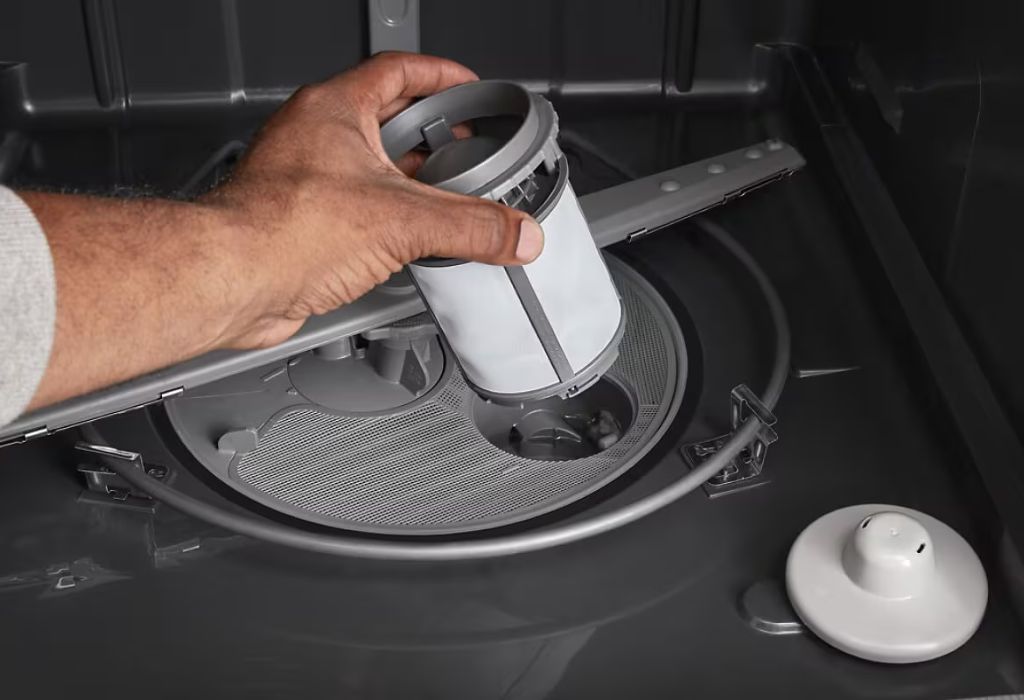
Pull out the bottom rack and locate the filter, usually at the tub’s base. Most Whirlpool, Bosch, and GE models use a circular twist-lock filter. Turn counterclockwise to remove.
Rinse the filter thoroughly under warm water. Use a soft brush to clear trapped grease or residue from the mesh. Avoid using harsh chemicals that could damage the material.
Check the sump area below the filter for broken glass, seeds, or pasta bits. Even small objects can block the pump inlet and stop circulation.
After cleaning, reinstall the filter securely and restart a Normal cycle. You should hear the familiar sound of water spraying again within minutes.
Test the Circulation Pump and Impeller
The circulation pump is the engine that drives all water flow. It draws water from the sump and pushes it through the spray arms with force.
If your dishwasher hums quietly but no water sprays, the pump might be jammed. Food particles, plastic shards, or mineral grit can block the impeller inside the pump.
To inspect, disconnect power and remove the lower front access panel. Locate the pump housing beneath the tub. Check for obstructions and ensure the impeller spins freely by hand.
A burnt smell or clicking noise indicates motor failure. In that case, replacement is necessary, as modern pumps are sealed units. Whirlpool, Bosch, and Samsung all offer direct replacement kits.
When the pump is functioning properly, you’ll hear a strong rush of water within seconds of the wash cycle starting.
Can I clean the pump without removing it?
Yes, flushing hot water with vinegar through the filter can sometimes clear small obstructions.
How long should a circulation pump last?
Typically 7 to 10 years with proper maintenance.
Does a broken impeller make noise?
Yes, it often creates a rattling or grinding sound during the wash stage.
Check the Water Inlet Valve and Float Switch
Your dishwasher can’t spray water if it doesn’t fill correctly. The inlet valve controls the flow of water into the tub, and the float switch ensures it doesn’t overflow.
If the valve is partially blocked by mineral buildup, water enters too slowly. That means not enough pressure reaches the pump, preventing spraying.
Turn off power and water supply. Remove the lower kickplate and find the inlet valve — it’s a small solenoid-operated part connected to the water line. Unscrew it and inspect for sediment or rust.
The float switch is located inside the dishwasher near the front corner. Lift and drop it gently — it should move freely with a soft click. If stuck in the raised position, it may falsely signal that the tub is full, stopping water intake.
Clean around the float with warm water and reinstall both parts. Run a cycle to test for improvement.
Can I clean the inlet valve screen myself?
Yes, just rinse gently with water and a soft brush — don’t use high pressure.
What if my float switch doesn’t click?
Replace it. That means the internal mechanism or sensor has failed.
Does the inlet valve wear out over time?
Yes, especially in homes with hard water or frequent usage. Replacement every few years is common.
Diagnose Control Board or Sensor Issues
If mechanical parts are fine but no spray occurs, the issue may lie in the electronics. The control board governs every stage — from filling to spraying and draining.
Power surges, moisture, or corrosion can interrupt signals between components. When that happens, the board might fail to activate the pump or valve at the correct time.
Visually inspect the board (found behind the front panel) for burn marks or damaged connectors. If you spot any, replacement is the best solution.
Sensors like the turbidity or water-pressure sensor can also cause false readings. Cleaning them with a soft cloth can restore normal operation.
Modern Whirlpool and LG models include built-in diagnostics. Running a self-test can reveal error codes that help pinpoint the problem.
Can I reset the control board manually?
Yes, unplug the dishwasher for five minutes, then plug it back in to reset.
Does a faulty sensor prevent the spray arm from moving?
Yes, because it may stop the pump prematurely before spraying begins.
Should I replace the board myself?
Only if you’re confident. Otherwise, professional replacement ensures proper calibration.
Prevent Future Spray Problems
Once your dishwasher is fixed, prevention is key to keeping it that way. Regular maintenance avoids most future spray issues.
Clean the filter and spray arms monthly to prevent debris buildup. Run an empty cycle with vinegar once every four to six weeks to remove grease and limescale.
Avoid overloading racks. When dishes block spray paths, water pressure drops, and the machine can’t clean efficiently. Always make sure the arms spin freely before closing the door.
If you live in a hard-water area, use dishwasher salt and rinse aid. They reduce mineral deposits that can clog spray holes and damage internal parts.
Finally, keep an eye on performance. If you notice weaker spray or longer cycles, clean components early before the issue escalates.
Can using too much detergent cause spray issues?
Yes, oversudsing creates bubbles that disrupt water pressure.
Is vinegar safe for regular cleaning?
Yes, it’s natural, non-corrosive, and perfect for removing buildup.
Should I run the hot tap before starting the dishwasher?
Yes, it ensures your first fill uses hot water immediately, improving cleaning and spray performance.
Conclusion
A dishwasher that isn’t spraying water can make even simple chores stressful, but it’s usually easy to fix. In most cases, the culprit is buildup in the spray arms, filters, or pump. A few minutes of cleaning and inspection can bring the spray system back to full strength.
Regular maintenance makes all the difference. Cleaning filters, checking hoses, and keeping mineral deposits under control prevent clogs and keep water pressure steady. These simple habits ensure your dishwasher continues to clean efficiently for years.
Your dishwasher is a smart water system that depends on precision flow. When something interrupts that flow, your machine lets you know — not with an error code, but with silence.
By understanding and maintaining its spray system, you’ll enjoy spotless dishes, lower bills, and a longer-lasting appliance.

I’m Emma J. Caldwell, the founder, lead writer, and home-cooking enthusiast behind KitchenGuideCo.com. With a background in culinary arts and over a decade of cooking experience in both professional and personal kitchens, I created this platform to demystify recipes, offer smart kitchen gadget reviews, and guide readers through meal prep with confidence and clarity.