If your newer dishwasher seems to take forever, you are not imagining it. Modern machines often show cycle times that look longer than the older unit you remember from years ago.
That extra time is by design. Today’s dishwashers clean with smaller, carefully measured fills, precise temperatures, and smart sensors that adapt on the fly.
Instead of blasting gallons of very hot water, they stretch a few liters with longer contact time so enzymes can break down grease and food.
Sensors read how cloudy the water is and adjust. If soil is heavy, the machine adds wash or rinse time. If the load is easy, it trims phases and finishes sooner. Eco and auto cycles lean on this logic to save water and energy while keeping results consistent.
Your setup and habits also matter. A long run from the water heater means a cool start that the dishwasher must warm.
Loading that blocks spray arms keeps water cloudy and makes the controller extend. Too much or too little detergent, missing rinse aid, or a clogged filter can all nudge the timer upward.
The goal is not speed at any cost. It is spotless dishes with fewer liters and fewer kilowatt hours. With a few simple tweaks, you can keep cycles reasonable while letting the machine do what it was built to do.
In the sections ahead, you will see what adds minutes, what actually saves time, and how to set clear expectations for each cycle you choose.
Why Modern Dishwashers Run Longer by Design
Older machines used lots of water, high heat, and short cycles. That recipe blasted through soil quickly, but it was wasteful.
New models reduce water per fill and keep temperatures precise. With fewer liters in the tub, the machine needs more contact time to dissolve, lift, and rinse soils. Longer phases make a small volume act like a larger one.
Sensors and software now decide how long to wash and rinse. If the water stays cloudy, the controller extends. If it clears fast, it trims. The result is a cycle length that adapts to the mess, not a fixed old-school timer.
How Less Water Leads To More Minutes
Modern dishwashers clean with small, measured fills that recirculate through filters and spray arms. That limited volume must contact every surface, lift soil, and carry it to the filter. Time becomes the multiplier that makes a few liters behave like many.
The system repeats short bursts of high pressure and pause intervals so detergents and enzymes can work fully before the next sweep.
Lower fill levels also mean less thermal mass. The appliance heats a smaller volume precisely, then holds that temperature while chemistry unlocks grease and starches. Instead of blasting with scalding water and dumping it away, the cycle stretches the useful life of each liter.
Minutes replace wasted gallons, which is how the machine meets efficiency targets without leaving residue.
Rinse steps follow the same logic. Rather than a long open tap, the controller meters brief rinses at the right temperature to dissolve detergent and float away loosened particles.
If sensors still see haze in the water, the controller extends. If clarity arrives early, it trims. The result looks longer on a clock, yet it protects your bill and the environment by moving less water farther.
Sensors And Smarter Cycle Logic Add Time To Save Energy
Turbidity sensors watch water clarity while thermistors track temperature. The controller blends these signals with the cycle you select. If the sensor sees persistent cloudiness, wash phases stretch so chemistry can finish the job.
When the water clears quickly, time compresses. This adaptive approach prevents under washing on tough messes and over washing on easy ones.
Auto and eco programs lean on sensors the most. They heat gently, test, and repeat only as needed. That means they often run longer than a fixed old style quick wash, yet they end with less total heat and fewer liters used. The trade is clock time for resource savings.
Heavy and sanitize profiles add defined hot holds for hygiene. Those holds are not guesswork. The machine keeps water within a target band for a set contact time.
Holding temperature costs minutes, not more water. If you choose these settings for everyday bowls and glasses, your runtime grows even when the soil does not require it.
Heating, Soak Phases, And Drying Extend The Clock
Dishwashers spend most of their energy on heat. With efficient designs, the appliance raises a small volume and holds it for effectiveness instead of spiking heat quickly and dumping.
Warmup and soak phases look slow but deliver strong results with less energy. Enzymes work best in moderate ranges, so the controller often ramps gradually, waits, and pulses spray rather than rushing.
Drying strategy matters too. Many modern units use condensation drying. A final hot rinse warms dishes, then cooler stainless walls attract moisture so it runs to the sump. This method is quiet and efficient, but it needs a little time. If you enable heated dry, the unit will add a blower or element. That shortens drying but increases energy. If you disable heated dry, the machine may pause at the end to allow drip and carryover heat to finish, which adds minutes without raising your bill.
Eco Versus Heavy Cycles And Why Time Differs
Eco cycles minimize both water and heat. They rely on longer contact times and careful rinses. Expect them to post the longest wall time with the smallest resource footprint. They are ideal for daily loads with light or moderate soil.
Heavy cycles are designed for baked on pans and day old casseroles. They use more aggressive spray patterns, more hot holds, and extra rinses.
On true heavy messes they are efficient because they prevent rewashes. On easy loads they are overkill. If you select heavy by habit, your clock grows with no benefit.
Quick or express cycles reduce phase lengths and lower temperatures. They are useful when soil is fresh and light.
If speed leaves residue and you rewash, your total time and resources exceed a single eco run. Matching the cycle to the mess is the simplest way to control runtime while protecting results.
Loading, Detergent, And Water Hardness Quietly Change Runtime
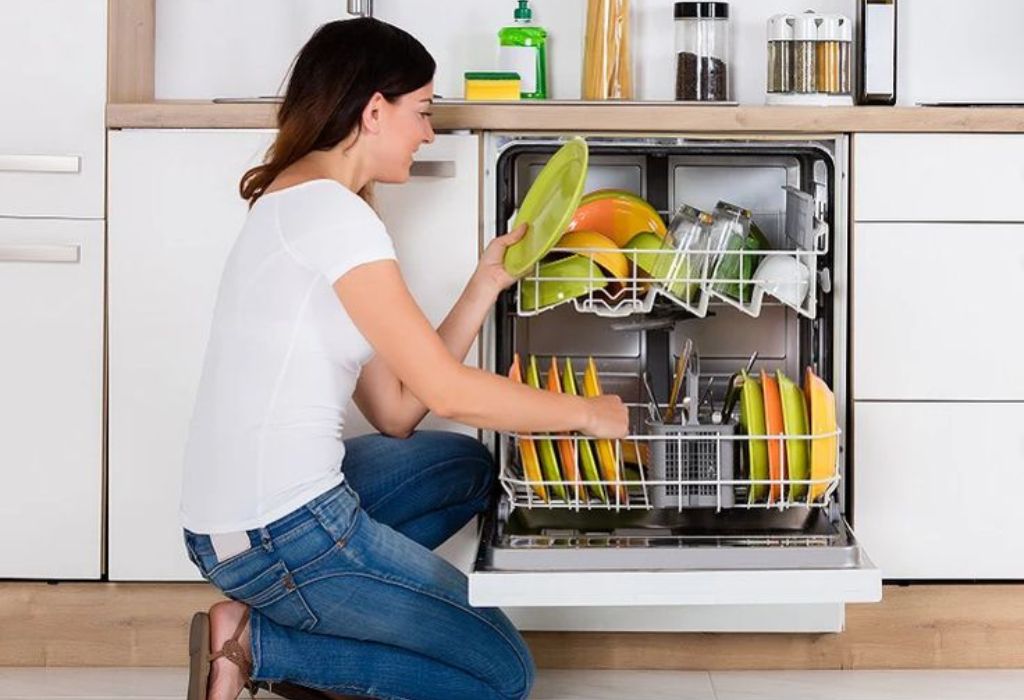
Spray needs clear sight lines. Tall trays that block the upper arm, nested bowls, or crowded plate stacks force the controller to extend wash phases.
Face soils toward spray arms, keep a finger’s space between plates, and avoid trapping water in bowls. Good loading helps sensors see clarity sooner, which shortens the clock.
Detergent dose interacts with water hardness. Too much in soft water creates suds and film that take extra rinses to clear. Too little in hard water leaves haze that sensors interpret as soil.
Calibrate your dose for your local hardness and keep rinse aid topped. When chemistry lands in the sweet spot, clarity arrives earlier and the controller ends sooner.
Full loads matter. The machine uses fixed volumes per phase. If you run half loads, you spend nearly the same time for fewer items. Consolidate dishes to reduce cycles per week and you will feel the difference on both time and utility statements.
Your Hot Water Setup Can Add Minutes Without You Noticing
A long run from the water heater delivers a slug of cool water at the start of the cycle. The dishwasher must heat that volume to target, which adds minutes. Priming the hot line briefly at the sink, then starting the dishwasher, reduces warmup time without using much extra water.
Tankless heaters can short cycle if flow is low. That creates inconsistent inlet temperature and forces the dishwasher’s internal heater to compensate. If you see unusually long warmups, confirm your tankless unit maintains steady output at dishwasher flow rates.
Pipe insulation on long runs helps keep inlet water closer to target, shaving heat time quietly in the background.
Check that the supply valve is fully open. Starved flow slows fills and can disrupt temperature timing. Small plumbing tweaks often recover five to ten minutes you thought were just “how it is now.”
Common Issues That Make Cycles Drag On Too Long
A dirty filter slows recirculation. When the pump moves less water each pass, it takes more passes to achieve the same clarity. Clean the filter monthly so turbidity drops on schedule.
Blocked spray arm holes reduce impact and coverage. The controller sees lingering haze and extends washes. Clear nozzles with a wooden toothpick and rinse the arms to restore pressure.
Drain restrictions force long pump out phases. If water leaves slowly, the controller waits before advancing. Keep the air gap clean or the high loop secured. Confirm the disposal inlet is open and the drain hose is unkinked. A smooth exit keeps the clock on track.
Sensor and heater faults also stretch time. A thermistor that reads low tricks the controller into chasing heat that is already present. A weak element prolongs warmups. If run times expand suddenly after good performance, clean and inspect first, then consider diagnostics for heating and sensing.
How To Reduce Run Time Without Losing Cleaning Power
Use auto or eco for everyday loads and trust the sensors. They are designed to spend time where it matters and skip what you do not need. If you face a true heavy mess, choose heavy once. Returning to eco on the next load protects your average runtime.
Load for flow. Give spray arms a clear path, avoid nesting, and do not cap the lower arm with a cutting board or tray. Spin the arms by hand before closing the door to confirm clearance.
Dose detergent correctly for your water hardness and keep rinse aid filled. This duo helps your controller see clarity earlier and finish sooner. Consider disabling heated dry for glass and ceramic. Crack the door at the chime to accelerate air dry and trim minutes without energy.
Prime the hot line if your kitchen is far from the heater. Insulate long pipes and verify the supply valve is fully open. These tiny habits shave warmup time every single cycle.
When Long Cycles Signal A Fault Instead Of Smart Efficiency
A steady baseline is normal. A sudden jump is not. If a familiar auto cycle begins taking much longer than usual, start with maintenance. Clean the filter, clear spray arms, and inspect the drain path. Run a proof load and compare.
If the tub feels cool during the main wash and the cycle stretches, the heater may be weak or the temperature sensor may be misreading.
If the machine drains slowly between phases, you likely have a restriction at the air gap, disposal inlet, or hose. If water clarity never seems to arrive, dosing or hard water may be to blame.
Control board issues are rare but possible. Erratic buttons or pauses without reason point there. Most models include diagnostics in the manual.
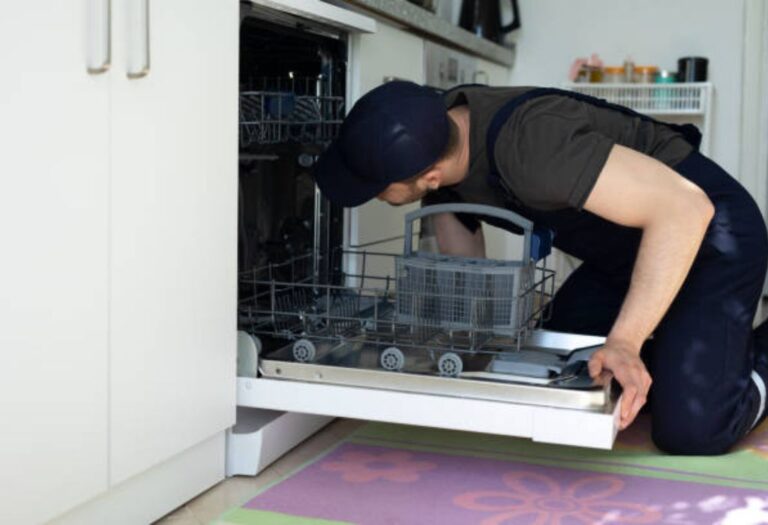
If maintenance and simple plumbing checks do not recover time, a technician can test the heater, thermistor, and drain performance quickly and bring the cycle back to spec.
The Real Reason Longer Cycles Exist Today
Modern dishwashers trade clock minutes for big gains in resource efficiency and cleaning precision. They heat less water, keep it where it does the most good, and verify results with sensors instead of old fixed timers.
That requires patience on the wall clock, yet it pays you back with lower bills, quieter kitchens, and glassware that stays clear.
If you choose cycles thoughtfully, load for flow, and keep basic maintenance on a short list, you will enjoy those benefits without feeling held hostage by the timer. The extra minutes are not waste. They are the secret to cleaning better while spending less.
Practical Timeline: What Each Minute Is Doing
The quiet minutes you see on the display are not wasted time. Early in the cycle, the machine meters a small fill, warms it to the target, and recirculates it so detergents activate and soils soften.
Mid cycle, sensors sample clarity and temperature. If water looks hazy, the controller adds short bursts of spray and brief soaks. Those pauses let enzymes keep working without more water or heat.
Near the end, a hotter final rinse preps dishes for drying. With condensation dry, warm dishes meet cooler walls so moisture slides off. If heated dry is on, a blower or element runs briefly. Each minute has a job that replaces the old habit of dumping gallons down the drain.
Realistic Expectations: What “Normal” Looks Like
Auto and eco cycles commonly range from 1 hour 45 minutes to 3 hours, depending on soil and inlet temperature. Heavy with sanitize can run longer, especially on baked-on pans.
Quick cycles can finish in 30 to 60 minutes on fresh, light soil. If you see rewash needs, step up to auto for the next load and compare both time and results.
Drying style changes the clock. Condensation dry may linger quietly at the end to let carryover heat finish the job. Heated dry shortens that wait but spends energy. Pick the profile that fits your routine and stick with it for consistent expectations.
Shortening Long Runs Safely: A Simple Playbook
Prime the hot line at the sink for a few seconds, then start the dishwasher. You cut early warmup time without adding water to the cycle.
Load for flow. Face soils toward spray arms, avoid nesting bowls, and keep tall sheets from blocking the upper arm. Better spray access lets sensors see clarity sooner.
Dose for your water hardness and keep rinse aid topped. Film and suds prolong rinses. The right chemistry helps the controller finish on time with less work.
Common Mistakes That Secretly Add 20–30 Minutes
Pre rinsing under a running tap reduces detergent effectiveness and adds no benefit. Scrape solids and load. Let the enzymes work on real soil.
Running half loads spends nearly the same warmups and rinses on fewer dishes. Consolidate so the fixed steps serve more items at once.
Ignoring maintenance lets the filter clog and spray holes plug. The controller sees haze longer, so it stretches phases. A monthly five-minute clean gives those minutes back.
Ten Fast Fixes For “Why Is It Taking So Long Today?”
Check the filter and rinse it.
Spin spray arms; clear any blocked holes.
Confirm the drain hose has a true high loop or air gap.
Run the disposal with cold water for ten seconds.
Prime hot water at the sink, then start the cycle.
Verify the supply valve is fully open.
Top up rinse aid.
Adjust detergent dose for hardness.
Switch from heavy to auto for everyday loads.
Crack the door at the chime if heated dry is off to speed air dry.
FAQ: Clear Answers About Cycle Length
Do longer cycles mean my dishwasher is broken?
Not usually. Modern machines trade time for less water and energy, guided by sensors.
Why did today’s auto cycle run longer than yesterday’s?
Heavier soil, cooler inlet water, or a slightly clogged filter can make sensors extend phases.
Will using quick wash always save time and energy?
Only on very light soil. If items need rewashing, total time and energy increase.
Does heated dry add a lot of time?
It can shorten wait time but adds energy. Condensation dry may add quiet minutes instead of watts.
Can loading really change cycle length?
Yes. Blocked spray paths keep water cloudy longer, so the controller keeps washing.
How often should I clean the filter to keep cycles reasonable?
Monthly for most homes. More often if you cook daily or see frequent film.
Will connecting to hot water make cycles shorter?
Often yes. Warm inlet water reduces early warmup, especially with long pipe runs.
Does hard water make cycles longer?
Indirectly. It can cause film that looks like soil to sensors. Correct dosing and rinse aid help.
Why do eco cycles take the longest?
They minimize water and heat, so they rely on time to achieve the same clean.
When should I call a technician about long cycles?
If run times jump suddenly and persist after cleaning the filter, clearing spray arms, and checking drain flow.
Conclusion
Modern dishwashers are designed to clean better while using less water and energy, and time is the lever that makes that possible. Small, measured fills are recirculated, sensors verify progress, and temperatures are held precisely so chemistry can work with minimal waste.
You can keep runtimes reasonable without sacrificing spotless results. Load for flow so jets reach every surface.
Use auto or eco for daily dishes and reserve heavy or sanitize for true messes. Prime the hot line if your heater is far, set detergent dose for your water, and keep rinse aid filled.
Give the machine a clear path. Rinse the filter monthly, clear spray holes, and ensure the drain exits freely through an air gap or high loop. These simple habits help sensors see clarity sooner and end the cycle on schedule.
If cycles stretch suddenly, treat it like a checklist. Clean, confirm flow, and test heat. Most issues reset with basic care. When parts fail, a quick repair brings the timeline back to normal.
Longer cycles are not a flaw. They are how today’s machines deliver cleaner dishes, lower bills, and a quieter kitchen.

I’m Emma J. Caldwell, the founder, lead writer, and home-cooking enthusiast behind KitchenGuideCo.com. With a background in culinary arts and over a decade of cooking experience in both professional and personal kitchens, I created this platform to demystify recipes, offer smart kitchen gadget reviews, and guide readers through meal prep with confidence and clarity.