You open the dishwasher expecting a clean, fresh scent, but instead you’re hit with a foul odor. That unpleasant smell can turn your kitchen into a place you’d rather avoid. A smelly dishwasher usually means grease, bacteria, or food debris have built up inside over time.
Many people assume their dishwasher cleans itself every time it runs. In reality, leftover food and soap residue can stick to filters, hoses, and seals. When moisture and warmth combine, it creates the perfect environment for odor-causing bacteria.
Sometimes, the smell comes from hidden places like the drain hose or the rubber gasket around the door. These areas collect grime and mold that regular cycles can’t reach. Ignoring these spots makes the odor stronger after every wash.
Fortunately, eliminating dishwasher odors is simple once you identify the source. A few deep cleaning steps and regular maintenance can make your appliance smell like new again. With consistent care, the problem rarely returns.
In this guide, you’ll learn why dishwashers smell, how to clean every part thoroughly, and how to prevent odors permanently. By the end, you’ll know exactly what to do to keep your dishwasher spotless and fresh.
Common Reasons Why a Dishwasher Smells
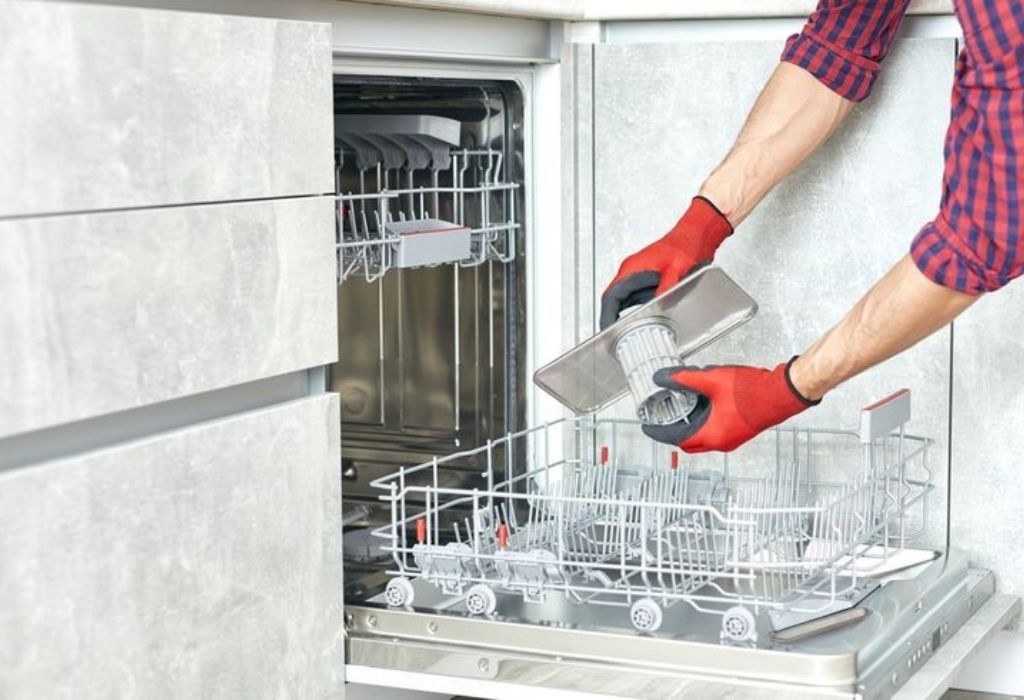
A bad smell coming from your dishwasher usually means something inside isn’t being cleaned properly. Even though dishwashers use hot water and detergent, some areas never get fully rinsed. Over time, residue builds up and starts to create unpleasant odors.
The most common cause is trapped food particles. Small pieces of food often get caught in the filter, drain, or spray arms. When they sit for days, bacteria begin to grow, producing a sour or rotten smell.
Another culprit is grease buildup inside the tub and hose. Hot water doesn’t always dissolve every bit of oil from your dishes. As the grease cools and sticks to the walls, it traps odor-causing bacteria.
Standing water at the bottom of the dishwasher can also cause bad smells. It may collect because of a partial drain clog or a kinked hose. The stagnant water becomes a breeding ground for mold and bacteria.
Sometimes, the rubber gasket around the door collects moisture and soap scum. This soft seal is hard to clean and often overlooked during regular maintenance. Mold and mildew can grow here quickly, giving off a musty odor.
If you use low-quality detergent or skip rinse cycles, residue builds up faster. Cheap detergents leave film and grime on both dishes and internal parts. Over time, this leads to odors that linger after every wash.
Finally, a dirty or clogged filter is one of the biggest reasons dishwashers start to smell. Filters catch food waste before it reaches the pump, and when not cleaned, they rot and release a sour scent. Regular cleaning keeps the air inside your dishwasher fresh.
How to Identify Where the Smell Is Coming From
Before cleaning your dishwasher, it’s important to find exactly where the smell originates. Odors can come from multiple areas inside the appliance. Pinpointing the source helps you clean efficiently without wasting time.
Start by opening the dishwasher door and taking a quick sniff. If the smell is strongest near the bottom, the issue is likely with the filter or drain area. A sour or musty scent here usually means trapped water or food debris.
Next, inspect the door gasket and rubber seals around the edges. These soft materials collect soap scum, grease, and moisture. If you detect a moldy or earthy smell, the gasket needs deep cleaning.
If the odor seems to come from the top or sides, check the spray arms. Small holes in the arms can trap food particles that rot over time. Removing and rinsing the arms helps eliminate these hidden sources of smell.
Pull out the bottom rack and look inside the drain opening. A foul, sewage-like odor means bacteria are growing in standing water. Cleaning this area with vinegar and hot water can instantly reduce the smell.
If you have a garbage disposal connected to your dishwasher, sniff around the sink drain. A strong smell here can travel back through the drain hose into your dishwasher. Cleaning the disposal often helps eliminate dishwasher odors as well.
Lastly, check the interior walls and detergent dispenser. Film buildup from old soap or hard water minerals can trap bad smells inside. Wiping these surfaces clean removes lingering odor sources and refreshes the whole machine.
Cleaning the Dishwasher Filter and Drain Area
The filter and drain are the first places to clean when your dishwasher starts to smell. These parts collect food particles and grease from every wash cycle. If not cleaned regularly, bacteria grow quickly and create unpleasant odors.
Start by removing the bottom rack to access the filter. Most filters are located beneath the spray arm at the base of the tub. Twist it counterclockwise or release the latch to lift it out carefully.
Rinse the filter under warm running water to remove loose debris. Use a soft brush or old toothbrush to scrub away sticky residue. Avoid using harsh tools that might damage the fine mesh.
If the filter smells strongly, soak it in warm soapy water for ten minutes. Adding a small amount of white vinegar helps break down grease and kill bacteria. After soaking, rinse thoroughly and inspect for any clogs.
While the filter is removed, clean the drain opening below it. Use a damp cloth to wipe away buildup or trapped food. You can also pour a cup of vinegar followed by hot water to disinfect the drain.
If your dishwasher has standing water at the bottom, check for a blockage in the drain hose. Disconnect it carefully and rinse it through with hot water to clear out debris. Reconnect the hose tightly to prevent leaks.
Once everything is cleaned, reinstall the filter and make sure it locks securely in place. A properly cleaned filter and drain prevent odors and improve water flow during each wash cycle. Regular maintenance keeps your dishwasher smelling fresh.
How often should I clean my dishwasher filter?
At least once every two to four weeks, depending on how often you run your dishwasher.
What should I use to clean the filter safely?
Warm water, mild dish soap, and a soft brush are ideal for cleaning without damaging the mesh.
Can I put the filter in the dishwasher to clean it?
No, always wash it by hand to prevent melting or deformation from the heat.
Why does the filter smell bad even after cleaning?
There might still be trapped residue in the drain area or hose; clean both to remove the odor completely.
Is vinegar safe for the drain and filter?
Yes, vinegar is natural, effective, and safe for dissolving grease and killing bacteria.
Can I use bleach to clean the drain area?
It’s better to avoid bleach since it can damage rubber seals and stainless steel parts.
What if my dishwasher still smells after cleaning the filter?
Check the hose, door gasket, and spray arms for buildup — the odor may be coming from those areas instead.
Cleaning Spray Arms and Interior Walls
The spray arms in your dishwasher play a major role in keeping dishes clean. They spray water through small holes that can easily get blocked by food particles, grease, or hard water minerals. When these holes are clogged, your dishwasher not only smells bad but also cleans poorly.
Start by removing the lower and upper spray arms carefully. Most models allow them to twist off or unscrew easily by hand. Check your user manual if you’re unsure about the exact removal process.
Hold the spray arms under warm running water to rinse away loose debris. Use a toothpick or small wire to clean out the holes where water sprays through. This ensures better water pressure and cleaner results in future cycles.
For deep cleaning, soak the spray arms in a mixture of warm water and white vinegar for fifteen minutes. Vinegar breaks down mineral buildup and disinfects the plastic or metal surfaces. After soaking, rinse thoroughly before reinstalling.
Next, focus on cleaning the interior walls of the dishwasher. Over time, detergent residue and grease stick to the sides, creating odor and discoloration. Wipe the surfaces with a sponge soaked in warm vinegar water or mild soap.
Don’t forget to clean around the detergent dispenser and door latch. These areas often trap sticky soap or food residue that contributes to bad smells. Wipe them gently to keep the entire interior spotless.
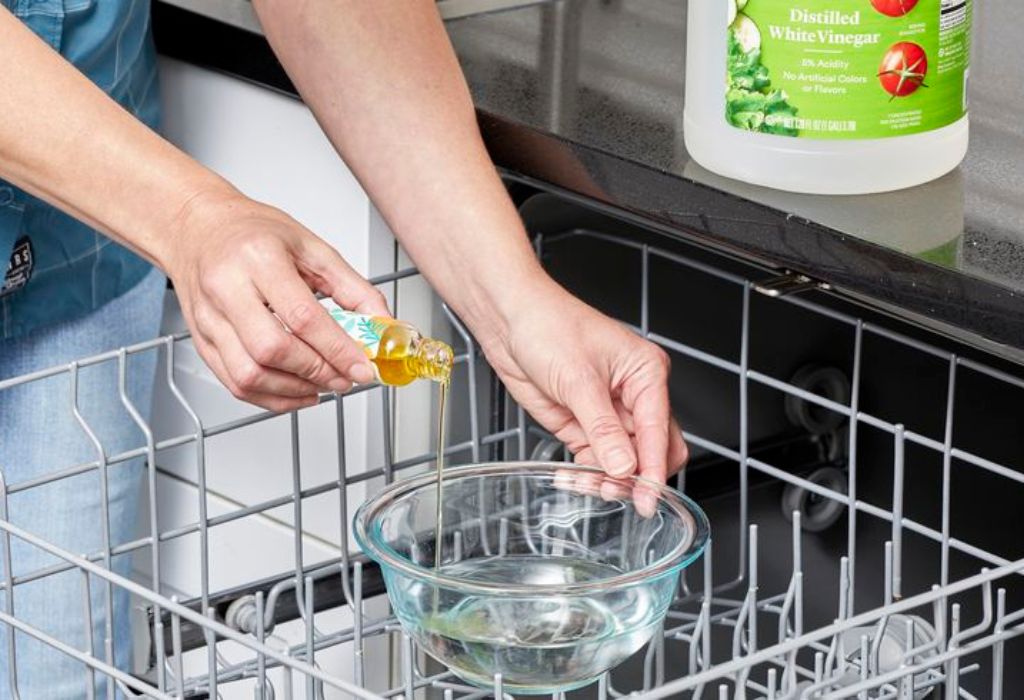
Finally, run an empty cycle using one cup of vinegar placed in a bowl on the top rack. This natural cleaner removes lingering buildup from all corners and refreshes the entire appliance. Doing this monthly helps prevent odors from returning.
Cleaning the Dishwasher Door Gasket and Rubber Seals
The door gasket is one of the most common hidden sources of bad dishwasher smells. This soft rubber seal prevents water from leaking but also traps moisture and residue. Over time, it becomes a breeding ground for mold and mildew.
To begin, open the dishwasher door fully and inspect the gasket closely. You’ll often find dark spots or slimy buildup along the folds of the rubber. These are clear signs that the area needs immediate cleaning.
Dip a clean cloth or sponge in warm soapy water and gently scrub along the gasket. Focus on the corners and creases where grime tends to hide. Avoid using sharp tools that could tear or damage the rubber.
For stronger cleaning power, mix equal parts of white vinegar and water in a spray bottle. Spray the solution along the gasket and let it sit for five minutes. Vinegar naturally kills bacteria and removes unpleasant odors without leaving harsh chemical residue.
Use an old toothbrush to reach into tight corners and remove stubborn buildup. Wipe the entire gasket dry with a clean towel afterward. Moisture left behind can cause new mold to form within days.
While cleaning, also check the area where the gasket connects to the door frame. Food particles and soap residue sometimes get stuck there, causing bad smells. A quick wipe with a damp cloth usually fixes this problem.
Make it a habit to clean and dry the door gasket once every two weeks. Keeping this seal free of grime not only eliminates odors but also improves the dishwasher’s efficiency and lifespan.
Cleaning the Dishwasher Drain Hose and Air Gap
If your dishwasher smells like stagnant water or sewage, the problem may be inside the drain hose or air gap. These components carry dirty water out of the machine and prevent it from flowing back inside. When they become clogged, odor-causing bacteria quickly multiply.
To begin, turn off the power to your dishwasher and pull it gently away from the wall. The drain hose is usually connected to the back of the appliance and runs to your sink drain or garbage disposal. Place a towel and a shallow pan underneath to catch any residual water before disconnecting it.
Detach the hose from both ends and inspect it closely for gunk or buildup. Run warm water through the hose to clear out soft debris. For stubborn clogs, use a flexible cleaning brush or pour in a vinegar and hot water mix to dissolve grease.
Next, check the air gap if your kitchen has one installed near the sink faucet. Remove the small metal or plastic cap and clean out any food particles with a small brush or cotton swab. This ensures that wastewater flows freely and prevents odors from coming back.
Once both parts are cleaned, reconnect the hose securely and make sure it’s not bent or twisted. Kinks in the hose can trap water and cause the same smell to return. Push the dishwasher back into position carefully without pinching the line.
To finish, run a rinse cycle with one cup of vinegar inside the dishwasher. This final flush cleans the internal pipes and removes lingering smells. Regular maintenance of the hose and air gap keeps your dishwasher draining efficiently and odor free.
Cleaning these areas once every few months ensures lasting freshness. It also prevents costly repairs caused by water blockages or leaks in the future.
How do I know if my dishwasher drain hose is clogged?
If you notice water sitting at the bottom of the dishwasher after each cycle, the hose is likely blocked.
Can I clean the hose without removing the dishwasher?
In some cases yes, but disconnecting it completely allows for more thorough cleaning and inspection.
How often should I clean the air gap?
Once every two to three months, or immediately if you notice odors or slow draining.
Is vinegar safe for cleaning the drain hose?
Yes, vinegar is natural and effective at breaking down grease and removing bacteria without harming the hose.
Can a kinked hose cause bad smells?
Absolutely. A bent or pinched hose traps dirty water, which eventually begins to smell.
What happens if the air gap gets clogged?
Water can back up into the dishwasher, leading to poor drainage and unpleasant odors.
Should I replace an old drain hose?
Yes, if it’s cracked, discolored, or more than five years old, replacing it prevents leaks and odors.
Using Vinegar and Baking Soda to Remove Dishwasher Odors
When your dishwasher smells bad, natural cleaners like vinegar and baking soda are among the most effective solutions. These household ingredients dissolve grease, kill bacteria, and neutralize foul odors. They are safe, affordable, and leave your appliance smelling fresh.
Start by emptying the dishwasher completely. Place one cup of white vinegar in a bowl on the top rack. Run a full hot water cycle to allow the vinegar to spread throughout the machine and break down buildup.
Once the cycle is finished, sprinkle a cup of baking soda evenly across the bottom of the tub. Run a short hot rinse cycle without any dishes. The baking soda removes remaining odors and adds a bright, clean shine to the interior.
For extra cleaning power, you can mix vinegar and baking soda together in small doses. The reaction between them creates fizzing action that helps loosen grime from hard-to-reach corners. This method works especially well for deep cleaning older dishwashers.
If the smell persists, remove the racks and clean around the filter housing with a vinegar-soaked cloth. Pay special attention to hidden areas where grease or residue might still remain. A thorough wipe-down helps restore that fresh scent completely.
Avoid using bleach or harsh chemicals alongside vinegar or baking soda. These combinations can release harmful fumes and damage stainless steel interiors. Natural cleaning is both safer and more environmentally friendly.
Perform this vinegar and baking soda routine once a month as preventive maintenance. It keeps your dishwasher disinfected, odor free, and performing like new. Over time, you’ll notice cleaner dishes and fresher air in your kitchen.
How to Prevent Dishwasher Odors from Returning
Eliminating the smell from your dishwasher is only half the job. The key to long lasting freshness is maintaining your appliance regularly. With a few simple habits, you can keep odors from ever coming back.
Always scrape off excess food before loading your dishes. Large food particles easily clog the filter and create buildup in the drain. This small step reduces odor and helps your dishwasher clean more efficiently.
Leave the door slightly open after each cycle to let moisture escape. Trapped humidity creates the perfect environment for mold and mildew. Proper air circulation keeps the interior dry and prevents musty smells from forming.
Clean the gasket, filter, and drain area at least once a month. These parts collect residue that often goes unnoticed during daily use. Consistent cleaning ensures every cycle starts in a fresh, sanitary environment.
Run an empty cycle with vinegar or baking soda regularly. Natural cleaners remove grease and mineral deposits before they cause problems. Doing this every few weeks keeps your dishwasher odor free and running smoothly.
Check your garbage disposal and sink drain often. A clogged disposal can send foul air back into the dishwasher through the drain hose. Cleaning both systems together ensures complete freshness in your kitchen.
Finally, inspect the drain hose for any bends or trapped debris every few months. Straightening the hose and keeping it clean maintains proper water flow. This small maintenance habit prevents odors and improves performance.
Why does my dishwasher start to smell again so quickly?
Moisture and leftover food particles create perfect conditions for bacteria growth if not cleaned regularly.
Is it okay to leave the dishwasher door open overnight?
Yes, leaving the door slightly open helps dry the interior and prevents mold or mildew.
How often should I run a vinegar cleaning cycle?
Once a month is ideal to remove residue and prevent odor buildup.
Can overloading the dishwasher cause bad smells?
Yes, overcrowding blocks water flow, leaving food trapped and unwashed.
Should I use hot or cold water when cleaning the dishwasher?
Always use hot water; it dissolves grease and disinfects better than cold.
Can a clogged garbage disposal make my dishwasher smell?
Yes, since the dishwasher drains through the disposal, a clog can push bad odors back inside.
Do dishwasher deodorizers work?
They help mask light odors temporarily but don’t replace proper cleaning and maintenance.
Choosing the Right Detergent and Rinse Aid for a Fresh Dishwasher
The type of detergent and rinse aid you use plays a big role in keeping your dishwasher fresh. Low quality detergents often leave behind residue that causes smells and cloudy dishes. Choosing the right products ensures a clean, odor free interior after every wash.
Powder and tablet detergents tend to perform better than cheap liquid formulas. They dissolve slowly and provide even cleaning throughout the cycle. Many premium brands also include degreasing agents that help prevent buildup and bacteria growth.
Avoid using too much detergent, as excess soap can stick to the walls and filter. Over time, it forms a film that traps odors and reduces performance. Follow the manufacturer’s recommended amount for your specific model.
Rinse aid is just as important as detergent for preventing smells. It helps water slide off dishes and interior surfaces more easily, reducing spots and moisture buildup. A dry interior discourages mold and mildew from forming.
Choose a rinse aid that’s compatible with your dishwasher and detergent type. Some formulas even contain light fragrances that keep your machine smelling fresh longer. Using both detergent and rinse aid together gives the best cleaning and odor control results.
If you live in an area with hard water, look for products labeled as “hard water compatible.” These contain ingredients that prevent mineral deposits and soap scum. Clean water flow means fewer places for odors to hide.
Switching to high quality cleaning agents not only improves freshness but also extends your dishwasher’s lifespan. Cleaner washes, less residue, and minimal smell make your kitchen experience much more pleasant.
Signs You Need a Deep Clean or Professional Service
Sometimes, regular cleaning isn’t enough to eliminate persistent dishwasher smells. When odor returns quickly after cleaning, it may indicate a deeper problem inside the appliance. Knowing when to schedule a professional service can save you time and prevent long term damage.
If you notice a sour or burnt smell even after cleaning the filter, drain, and spray arms, the issue might be internal. Buildup inside the pump or motor housing often traps odor that regular cycles can’t reach. A technician can open these areas and remove the grime safely.
Persistent standing water is another sign your dishwasher needs professional attention. Even a small pool after every cycle means the drainage system isn’t working properly. This stagnant water encourages bacterial growth and keeps the machine smelling bad.
A moldy or metallic smell could indicate electrical or heating problems. When components overheat, burnt residue can build up on wiring or heating elements. Only a trained professional should handle these types of repairs.
If your dishwasher makes loud grinding or humming sounds, it may be time for an inspection. These noises often come from a failing pump, motor, or worn gasket. Ignoring them can lead to more serious and expensive issues later.
Dishwashers over eight years old also benefit from an occasional deep professional cleaning. Aging parts and worn seals naturally trap more debris and moisture. A technician can restore efficiency and help you decide if a replacement might soon be necessary.
Calling for service doesn’t always mean a major repair. A thorough inspection and deep clean often bring your dishwasher back to a fresh, odor free condition. Regular professional care ensures your appliance stays reliable and hygienic.
Why does my dishwasher still smell even after cleaning it?
The odor may come from buildup deep inside the motor, pump, or internal hoses that are hard to reach without tools.
How often should I schedule professional cleaning?
Once a year is ideal, especially if you use your dishwasher daily or have hard water.
Can professionals remove mold inside the dishwasher?
Yes, technicians use specialized cleaning solutions that remove mold and sanitize hidden components.
Is a burnt smell dangerous?
It can be if it’s caused by electrical overheating, so it’s best to unplug the dishwasher and call for service immediately.
How do I know if it’s time to replace the pump or motor?
Persistent drainage issues and loud noises usually mean the pump or motor is nearing failure.
Can hard water cause dishwasher smells?
Yes, mineral deposits trap detergent and grease, which eventually produce odor if not removed regularly.
What does a professional deep cleaning include?
It typically involves dismantling interior parts, flushing hoses, cleaning pumps, and sanitizing all hidden areas.
Conclusion
A smelly dishwasher is a sign that something inside needs attention. Whether it’s the filter, hose, or hidden residue, every odor has a fix once you find the source. Regular cleaning and smart maintenance can keep your appliance smelling clean and fresh all year long.
Simple natural cleaners like vinegar and baking soda work wonders for everyday freshness. Deep cleaning the filter, drain, gasket, and spray arms every few weeks ensures lasting hygiene. These small efforts prevent odors and improve your dishwasher’s washing performance.
If the smell keeps returning despite your cleaning, it may be time for a professional deep service. Technicians can reach internal areas that aren’t accessible through regular maintenance. This extra care restores the appliance and eliminates odor from its root cause.
With consistency and attention to detail, your dishwasher can stay odor free for years. Clean filters, clear hoses, and dry interiors make all the difference. A fresh smelling dishwasher not only looks better but also delivers cleaner, sparkling dishes every time.

I’m Emma J. Caldwell, the founder, lead writer, and home-cooking enthusiast behind KitchenGuideCo.com. With a background in culinary arts and over a decade of cooking experience in both professional and personal kitchens, I created this platform to demystify recipes, offer smart kitchen gadget reviews, and guide readers through meal prep with confidence and clarity.