A dishwasher is meant to make your kitchen feel cleaner, but nothing is more alarming than opening the door and being hit with a strong rotten egg smell. Many people describe the odor as sulfur like, sharp and impossible to ignore.
The smell usually appears suddenly and often becomes stronger after a wash cycle. It leaves homeowners wondering whether the dishwasher is broken or the plumbing line is backing up.
Rotten egg odors signal a buildup of bacteria, grease or food residue somewhere in the system. When these materials decay, they release gases that smell like sulfur.
The warm and moist environment inside the dishwasher amplifies these odors, especially during heated cycles. The smell sometimes spreads across the kitchen, making the situation even more frustrating.
Understanding why the dishwasher smells like rotten eggs helps locate the real cause quickly. Once the issue is identified, the smell can be eliminated with the right steps.
This guide explains what causes the sulfur odor, where it hides and how to make your dishwasher fresh again.
Why Dishwashers Smell Like Rotten Eggs
A rotten egg smell usually comes from sulfur producing bacteria growing inside the dishwasher. These bacteria feed on leftover food, grease and residue trapped in hidden areas.
When food particles break down, they release hydrogen sulfide gas. This gas smells exactly like rotten eggs.
The odor becomes stronger during wash cycles because heat activates the smell. As the dishwasher warms up, the gases spread throughout the appliance.
Standing water also contributes to sulfur smells. Water that does not drain fully becomes a breeding ground for bacteria.
The combination of warmth, food debris and moisture creates ideal conditions for odor formation.
Does rotten egg smell mean bacteria
Yes, sulfur producing bacteria often cause the odor.
Does heat worsen the smell
Warm cycles release trapped gas.
Does leftover food create rotten egg odor
Decomposing food releases sulfur compounds.
Can standing water cause this smell
Yes, stagnant water allows bacteria to grow.
Is this a common dishwasher problem
Many households deal with sulfur odors yearly.
Bacteria Growth In The Filter
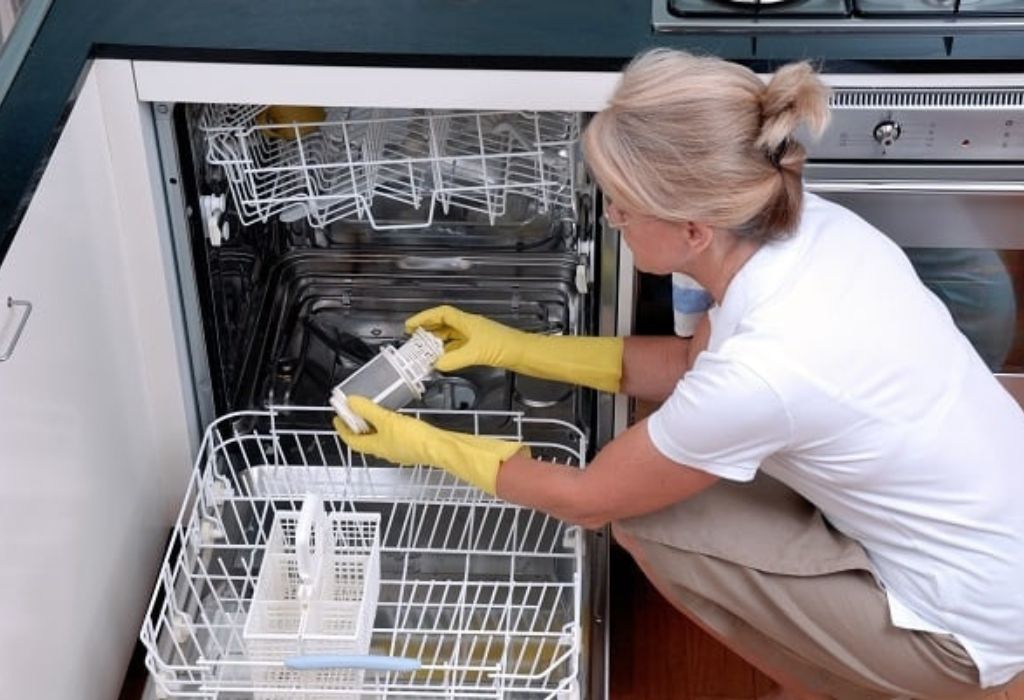
The dishwasher filter traps food particles during every wash cycle. When the filter becomes dirty, bacteria begin to feed on the trapped debris.
As these bacteria multiply, they produce hydrogen sulfide gas. This gas gives off a rotten egg smell.
Many people forget to clean the filter regularly. A neglected filter becomes one of the strongest odor sources.
Grease also sticks to the filter and enhances bacterial growth. Grease traps moisture, which helps odors form faster.
A clean filter is one of the easiest ways to eliminate the smell.
Standing Water In The Drain Area
Standing water is another major cause of rotten egg smells. Water that sits at the bottom of the dishwasher becomes contaminated quickly.
Slow drainage prevents the water from clearing after each cycle. This slow movement allows bacteria to multiply.
The warm interior of the dishwasher helps bacteria grow faster. As bacteria break down food residue, they produce sulfur gas.
A partially blocked drain pump or hose often causes standing water. Clearing the blockage removes the odor source.
Proper drainage prevents rotten egg smells from returning.
Can blocked drains cause sulfur odor
Yes, trapped water grows bacteria.
Does drain hose buildup affect smell
Old food stuck inside produces sulfur.
Should the dishwasher always drain fully
Complete drainage prevents odor.
Is water at the bottom normal
A small amount is normal, but pooling is not.
Can drainage issues worsen over time
Blockages grow worse without cleaning.
Grease Buildup Inside Spray Arms
Spray arms contain small openings that distribute water during the wash cycle. When grease enters these openings, it becomes trapped.
Trapped grease mixes with decaying food particles and produces rotten egg scents. This odor becomes stronger when the spray arms heat up.
The blocked jets reduce cleaning performance. Reduced cleaning allows more debris to remain in the dishwasher.
The smell spreads throughout the dishwasher each time the spray arms spin. Cleaning the arms removes the buildup.
Regular maintenance prevents strong sulfur odors.
Contaminated Drain Hose
The drain hose carries dirty water away from the dishwasher. Over time, residue collects inside the hose walls.
When water flows through the hose, it carries bacteria and odor causing debris back into the dishwasher. This creates a sulfur smell.
Hoses that sag or bend sharply collect more waste. These pockets of waste become odor hotspots.
A contaminated hose often spreads smells through the entire system. Cleaning or replacing the hose solves the issue.
Maintaining proper hose shape improves drainage and odor control.
Can the drain hose cause rotten egg smell
Yes, old residue inside creates sulfur odors.
Do hose bends collect debris
Sharp angles trap waste.
Should hoses be straight
A straight hose drains more effectively.
Is replacement sometimes necessary
Badly contaminated hoses need replacement.
Can hose smell travel into the dishwasher
Yes, odors move backward through the line.
Garbage Disposal Backflow
Homes with dishwashers connected to garbage disposals often experience odor issues. If the disposal is dirty, smells travel through the shared drain.
Rotten food inside the disposal releases gases that spread into the dishwasher. This gas resembles rotten egg odor.
Running the dishwasher sometimes loosens disposal residue. This pushes smelly material into the dishwasher connection.
A clogged disposal drain port slows water movement. Slow flow encourages bacterial growth in the drain line.
Cleaning the disposal reduces dishwasher odor instantly.
Sewer Gas From Improper Venting
Sometimes the rotten egg smell does not come from food at all. Instead, it may come from sewer gas entering through the drain system.
Dishwashers connect to kitchen plumbing, and improper venting can allow sewer gas to escape into the appliance. Sewer gas contains hydrogen sulfide.
This gas has the same rotten egg smell associated with bacteria. It becomes noticeable when the dishwasher drains.
A faulty air gap or clogged vent line may allow the smell to enter the home. Repairing the plumbing vent eliminates the source.
Professional inspection helps identify venting issues quickly.
Can sewer gas enter the dishwasher
Yes, improper venting allows gas to escape.
Does sewer gas smell like rotten eggs
Sewer gas contains hydrogen sulfide.
Can this be dangerous
Strong sewer gas exposure is unsafe.
Is vent repair required
A plumber can correct venting issues.
Does dishwasher cleaning remove sewer gas
Only fixing the vent stops the smell.
Using Too Little Or Wrong Detergent
Detergent helps break down grease and food residue. Using too little detergent leaves debris behind.
Leftover residue becomes a source of sulfur odor as bacteria feed on it. This makes the dishwasher smell like rotten eggs.
Cheap or ineffective detergent may not dissolve properly. Poor dissolving leaves clusters of residue.
Dishwashers need detergent that works with the water hardness in your area. Incorrect formulas reduce cleaning performance.
Switching to a better detergent often reduces odors quickly.
Low Rinse Aid Causing Moisture Retention
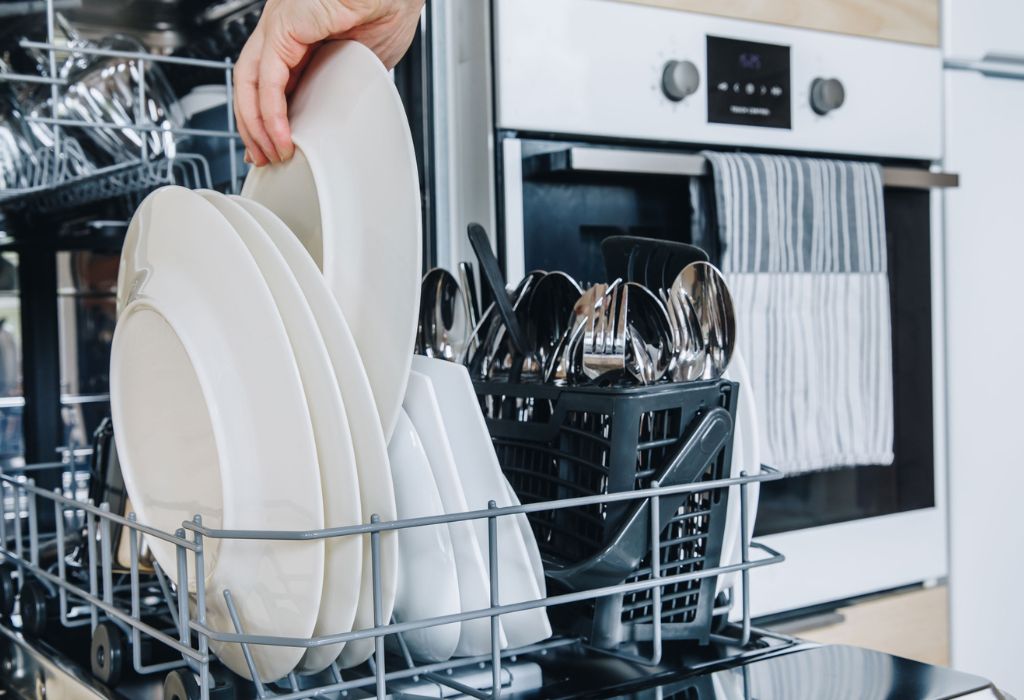
Rinse aid helps water run off dishes quickly. When rinse aid levels are low, water stays on surfaces longer.
Moist surfaces encourage bacterial growth. Bacteria produce sulfur gases that create rotten egg smells.
Poor drying leaves the dishwasher damp between cycles. Dampness allows residue to decompose.
Hard water creates mineral deposits that trap odors. These deposits hold food particles inside their texture.
Restoring rinse aid levels improves drying and reduces odor problems.
Can low rinse aid contribute to smells
Poor drying encourages bacteria growth.
Does moisture create sulfur odor
Wet areas allow food to decompose faster.
Do hard water deposits hold odor
Minerals trap food particles.
Should rinse aid always be full
Full levels support proper drying.
Does rinse aid reduce smell
It helps prevent moisture based odors.
Mold Growth In Hidden Areas
Dishwashers contain several dark and damp areas where mold can grow. Mold often hides under the door seal or inside the detergent dispenser.
Mold growth produces a musty and sometimes sulfur like smell. This smell intensifies during hot cycles.
Warm water does not always kill mold spores. Mold clings to rubber seals and textured surfaces.
Once mold forms, it spreads across the dishwasher interior. The smell becomes persistent and unpleasant.
Deep cleaning and mold removal stop the odor completely.
How To Remove Rotten Egg Odors From The Dishwasher
Start by cleaning the filter under hot water. Removing debris eliminates the main odor source.
Scrub the door seal with warm soapy water. This removes bacteria and mold hidden in the folds.
Remove spray arms and rinse them thoroughly. Clearing grease and food buildup improves cleaning performance.
Run an empty cycle with vinegar or a dishwasher cleaner. This disinfects interior surfaces.
Clear the drain hose and garbage disposal connection. Proper drainage helps odor removal.
How To Prevent Rotten Egg Smells In The Future
Clean the filter weekly to stop food buildup. Filters collect the most odor causing residue.
Use high quality detergent that dissolves completely. Strong detergent prevents leftover waste.
Keep rinse aid levels full to improve drying. Dry surfaces resist bacterial growth.
Run the dishwasher on hot cycles regularly. Heat helps prevent mold and bacteria buildup.
Maintain disposal and drain lines to keep odors from traveling back into the dishwasher.
Does regular cleaning prevent sulfur smell
Yes, consistent cleaning eliminates the cause.
Do hot cycles help
Heat reduces bacteria and mold.
Is detergent quality important
Poor detergent leaves residue that smells.
Should rinse aid always be filled
Good drying prevents odors.
Is drain maintenance necessary
Clear drains prevent stagnant water.
Conclusion
A rotten egg smell from the dishwasher usually comes from trapped food, bacteria growth, grease buildup or standing water. These conditions allow sulfur producing microbes to thrive and release strong odors.
Sometimes the smell comes from plumbing issues like sewer gas or contaminated drain hoses. Identifying the exact cause helps remove the odor quickly and effectively.
Cleaning the filter, scrubbing seals, flushing spray arms and improving drainage eliminate most rotten egg smells. Regular maintenance prevents the odor from returning and keeps your dishwasher hygienic.
With the right cleaning habits and proper detergent use, your dishwasher stays fresh, odor free and ready to clean dishes perfectly.
A clean dishwasher makes your kitchen healthier and more comfortable every day.

I’m Emma J. Caldwell, the founder, lead writer, and home-cooking enthusiast behind KitchenGuideCo.com. With a background in culinary arts and over a decade of cooking experience in both professional and personal kitchens, I created this platform to demystify recipes, offer smart kitchen gadget reviews, and guide readers through meal prep with confidence and clarity.