In many Western homes, dishwashers are an essential kitchen appliance that people rely on every day.
They save time, reduce physical effort and make cleaning easier for busy families. However, in many Asian countries, dishwashers are still far less common even in modern households.
People who move abroad or observe households from different cultures often become curious about this difference. Some wonder why dishwashers are not as widely embraced in Asia as they are in Europe or North America.
This curiosity grows when they notice that hand washing remains the dominant method despite increasing access to appliances.
The reasons behind this behavior are rooted in lifestyle patterns, cultural habits, cooking traditions and practical kitchen considerations.
These factors shape how families approach cleaning and daily routines. Understanding them provides a deeper perspective rather than assuming any single explanation.
This guide explains the respectful and factual reasons many Asian households prefer hand washing over dishwashers.
By looking at culture, space, cost and cooking habits, you will see how these choices reflect practicality rather than rejection of technology. The goal is to present the topic accurately, thoughtfully and free from stereotypes.
Cultural Habits That Influence Dishwashing Preferences
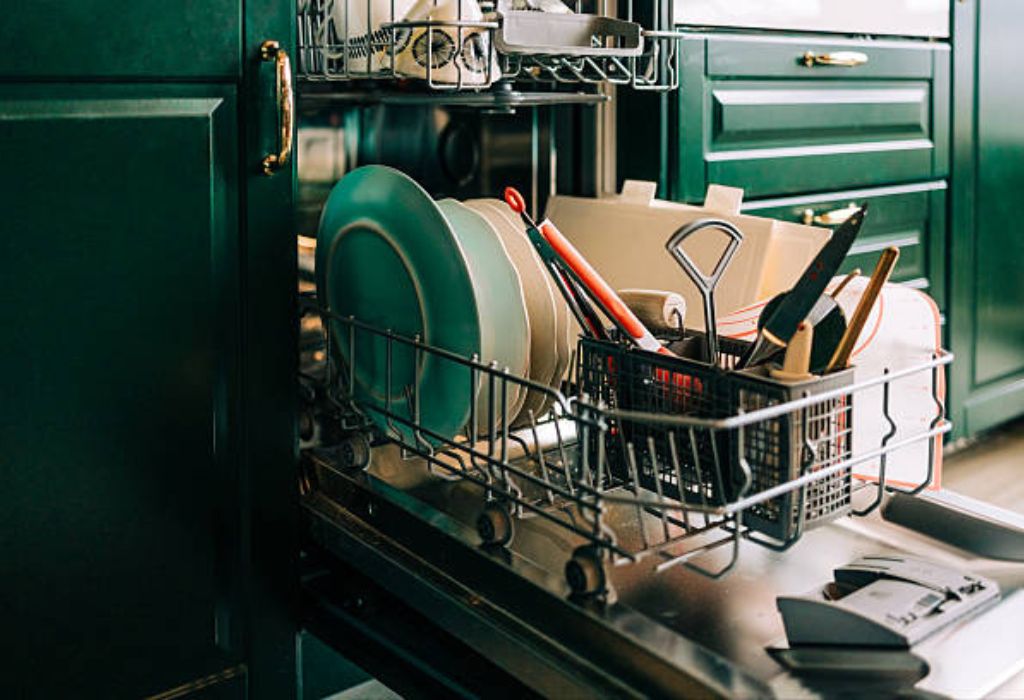
Hand washing dishes has been a long standing tradition in many Asian homes. For generations, people learned to wash dishes quickly and efficiently by hand. This familiarity makes the process feel natural and simple.
Many families value the idea of visibly ensuring cleanliness. Hand washing allows people to feel direct contact with each dish. The ability to see and touch the plates gives reassurance that they are fully clean.
In several Asian cultures, cleaning is viewed as a daily routine tied to discipline and responsibility. Parents often teach children how to wash dishes as part of household duties. This creates an emotional and cultural connection to manual cleaning.
Dishwashers were not historically common in many Asian regions, so they did not become part of daily habits. Early exposure to appliances influences adoption. When an appliance is absent for long periods, people become accustomed to doing tasks manually.
Some people see dishwashers as unnecessary because hand washing is fast. In small households with few dishes, the speed difference is insignificant. This practicality affects their choice.
Cultural attitudes around water use also influence habits. Some believe washing by hand conserves more water, although modern dishwashers are efficient. The perception still influences behavior.
Space Limitations In Many Asian Kitchens
Homes in many Asian cities are built with compact kitchens. High urban density results in smaller living spaces overall. With limited square footage, large appliances may not fit easily.
Dishwashers require a designated installation area. Many apartments do not include built in space for them. Adding one requires remodeling or sacrificing storage.
Kitchen counters and cabinets in Asian homes prioritize essential cooking tools. Space is used efficiently to store cookware, spices and utensils. Dishwashers are often viewed as lower priority items.
Many families prefer using the available space for refrigerators, rice cookers or water purifiers. These appliances have daily significance. Dishwashers may feel less urgent.
Even portable dishwashers require placement and drainage. Smaller kitchens cannot accommodate extra hoses and connections easily. This makes installation cumbersome for many households.
Because kitchens are smaller, dish stacks rarely grow large. Quick hand washing takes only a few minutes. With limited dishes, a large appliance seems unnecessary.
Do Asian kitchens really lack space for dishwashers?
Yes, many kitchens are compact and do not include built in installation areas.
Can portable dishwashers solve the space issue?
They help, but still require space and proper drainage connections.
Do people avoid dishwashers only because of size?
Size is one major factor, but not the only one.
Are newer Asian homes including dishwasher spaces?
Some modern apartments now include space, but it is still not universal.
Can small countertop dishwashers work well?
They work for small loads, but may not suit large families.
Cooking Habits That Affect Dishwasher Use
Asian cooking often involves multiple small dishes, utensils and cookware. Meals may include separate plates for rice, vegetables, soup and shared dishes. This creates a unique cleaning pattern different from Western homes.
Many Asian dishes use sticky ingredients such as rice, noodles, soy based sauces and oils. These ingredients cling to plates and require pre rinsing. Hand washing feels more effective for removing these textures.
Cooking styles often involve woks, large pots and pans. These items do not always fit easily inside dishwashers. Washing them by hand is often more convenient.
Shared meals also influence cleaning habits. Food is served in central bowls or platters. These containers are often washed immediately after dining.
People who cook multiple meals a day prefer quick cleaning cycles between tasks. Dishwashers require loading, running and unloading. Hand washing provides immediate availability.
Families often reuse the same utensils and bowls throughout the day. Quick rinsing helps maintain cleanliness. Dishwashers are less suited for such rapid turnover.
Perception That Dishwashers Use More Water
Some people believe dishwashers consume excessive water. Traditional hand washing techniques use small amounts of water efficiently. This belief influences household decisions.
However, modern dishwashers are water efficient. They conserve more water than hand washing when used correctly. Many families may not be aware of this difference.
Cultural habits around water conservation are strong in some Asian regions. Water saving practices are taught early. Hand washing aligns with this mindset.
Because dishwashers were introduced later in the region, awareness of their efficiency is limited. People rely on familiar methods. Education about dishwasher efficiency varies by region.
Some individuals assume dishwashers must run long cycles to clean effectively. Long cycles create the impression of waste. Hand washing feels quicker and less resource intensive.
Media coverage also influences perceptions. Occasional stories of wasteful appliances reinforce outdated ideas. Changing these perceptions takes time.
Views On Labor, Value And Household Roles
In many Asian households, family members share daily responsibilities. Washing dishes becomes a routine task shared between adults or children. This creates a sense of teamwork.
Dishwashing is sometimes viewed as a small chore not needing an appliance. People often complete it in just a few minutes. This efficiency reduces the need for automation.
Some families employ part time helpers or household workers. In such homes, dishwashing is handled manually. The presence of helpers reduces the need for dishwashers.
Daily routines influence cleaning habits. Many families cook fresh meals multiple times per day. Hand washing fits easily into these routines.
Some homeowners prefer a more hands on approach to cleanliness. Facial contact with dishes assures them of hygiene. Automation may feel less trustworthy.
Cultural views on convenience differ by region. Some people prefer direct involvement in household activities. Dishwashers may feel impersonal or unnecessary.
Cost Considerations For Dishwasher Adoption
Dishwashers are considered luxury items in many Asian countries. The initial cost may feel high for households with tight budgets. Families prioritize other necessities.
Electricity costs also influence appliance decisions. Running dishwashers regularly may be viewed as a financial burden. This perception varies by region.
Maintenance costs add another concern. If a dishwasher breaks, repair expenses may be high. Access to repair services differs across cities.
Water bills are another factor. Although dishwashers are efficient, families worry about increased water usage. These fears stem from limited information.
Import taxes and shipping costs raise appliance prices in some regions. This makes dishwashers even more expensive. Local appliance availability varies greatly.
Families often invest in appliances that provide daily value. Items like rice cookers and water heaters take priority. Dishwashers may not be considered essential.
Are dishwashers expensive in many Asian countries?
Yes, cost plays a major role in adoption decisions.
Do people worry about electricity usage?
Yes, high utility costs influence appliance preferences.
Are dishwasher repairs common?
Repairs can be costly and less accessible than in Western countries.
Do water bills increase with dishwashers?
Not usually, but many people believe they will.
Is a dishwasher considered a luxury item?
In some regions, yes, especially where incomes vary widely.
The Belief That Dishwashers Cannot Clean Thoroughly
Many people believe dishwashers cannot remove stubborn food residues. Sticky rice, oil and sauces seem resistant to automated cleaning. This belief discourages dishwasher use.
Cultural expectations for hygiene are strict. Cleanliness standards emphasize spotless results. People trust manual washing more.
Some people have experienced poor results with older dishwasher models. Early appliances were less effective. These experiences influence long term perceptions.
Dishwashers require proper loading. Incorrect placement leads to incomplete cleaning. Hand washing avoids this risk.
Families who cook oily or spicy dishes expect deep cleaning. Hand washing meets this need. Dishwashers may not satisfy these expectations.
Parents often teach children to inspect each dish. Visual inspection is part of the cleaning process. Machines cannot replicate this trust.
The Habit Of Washing Dishes Immediately After Use
Many Asian families wash dishes right after meals. This habit prevents buildup and keeps the kitchen clean. Hand washing supports this lifestyle.
Immediate washing reduces odors from leftover food. It keeps pests away in warmer climates. Cleanliness is prioritized.
Dishwashers require accumulating dishes before running a cycle. Small families may not produce enough dishes quickly. Running half full loads feels wasteful.
Those who prepare multiple meals a day prefer clean dishes immediately. Dishwashers take longer to complete cycles. Manual washing keeps the process fast.
The cultural value of tidiness influences dishwashing patterns. Homes maintain order by cleaning frequently. Hand washing aligns with this value.
Time efficiency shapes habits. Washing dishes takes only a few minutes. Dishwashers add waiting time.
Generational Differences In Dishwasher Acceptance
Younger generations in Asia are more open to using dishwashers. Many have moved to larger homes with built in appliance spaces. Exposure to global lifestyles influences adoption.
However, older generations maintain traditional habits. They grew up washing dishes manually. This routine feels natural and reliable.
Technology acceptance varies by age. Younger individuals try new appliances easily. Older individuals prioritize familiar methods.
Family roles influence adoption. Older family members sometimes lead household routines. Their habits shape the entire household.
Changing long standing habits takes time. Transitioning from manual cleaning to automated cleaning requires adjustment. Acceptance grows gradually.
Generational shifts reflect evolving lifestyles. As urbanization increases, dishwasher adoption may rise slowly. Household patterns change with time.
Are younger Asians more open to using dishwashers?
Yes, younger generations adopt modern appliances more readily.
Do older people trust dishwashers?
Not always, many prefer familiar cleaning habits.
Will dishwasher use grow in the future?
Yes, as living spaces expand and lifestyles change.
Does global influence affect dishwasher adoption?
Yes, exposure to international habits increases interest.
Is dishwasher acceptance tied to modernization?
Partly, though culture and tradition still play important roles.
Environmental Considerations In Dishwashing Choices
Some people believe hand washing is more environmentally friendly. This perception stems from mindful water use. Efficiency habits are deeply rooted.
Modern dishwashers actually use less water than manual washing. However, awareness of this fact is limited. Knowledge gaps influence choices.
Electricity consumption raises environmental concerns. Families choose appliances carefully. Dishwashers may be seen as unnecessary power users.
Detergent use also affects decisions. Some families avoid strong chemicals. Hand washing allows use of milder soaps.
People often reuse small amounts of water during manual washing. This reduces waste. Dishwashers cannot replicate this flexibility.
Environmental values differ globally. Asian families may prioritize conservation differently. Daily routines reflect these values.
Convenience Factors That Shape Cleaning Behavior
Dishwashers are convenient for large households. But small families produce minimal dish loads. Manual washing feels faster and more practical.
Cleaning techniques are efficient in many Asian homes. People develop quick washing skills. These skills reduce the need for appliances.
Dishwashers require pre rinsing for certain foods. This extra step feels inefficient. Hand washing eliminates it.
Dishwashers also need regular maintenance. Filters require cleaning and cycles require monitoring. Manual methods have fewer maintenance steps.
Some individuals feel dishwashers complicate routines. Simplifying chores is preferred. Hand washing keeps routines straightforward.
Convenience depends on lifestyle patterns. Dishwashers may suit some families but not others. Each home chooses what works best.
Economic And Market Availability Differences
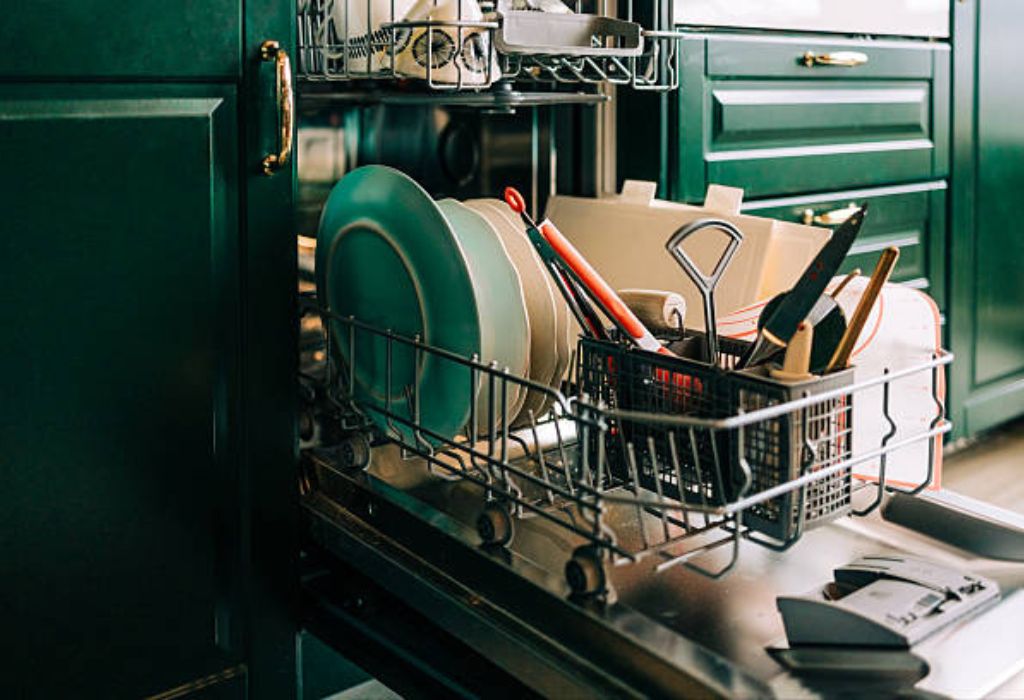
Dishwasher markets developed earlier in Western countries. Demand grew steadily as households expanded. Asian markets adopted dishwashers later.
Retail availability influences adoption. Some regions do not stock a wide range of dishwashers. Limited choices reduce interest.
Marketing strategies focus more on essential appliances. Dishwashers receive less promotion. This affects consumer awareness.
Economic conditions vary widely across Asia. Appliances must fit different household budgets. Dishwashers may feel less essential.
Manufacturers gradually expand offerings. Newer homes include more appliance spaces. Dishwashers gain attention slowly.
Market shifts influence long term adoption. As demand increases, availability improves. Growth remains gradual.
Are dishwashers less common in Asian markets?
Yes, they have been introduced later and promoted less.
Do people have limited dishwasher choices?
In some regions, selection is limited.
Are dishwashers priced higher in Asian countries?
Yes, import costs can raise prices.
Does market promotion affect adoption?
Yes, less marketing means fewer consumers try them.
Is dishwasher demand growing?
Slowly, especially in urban areas.
How Attitudes Toward Hygiene Influence Decisions
Cleanliness expectations shape dishwashing choices. Many Asian households believe hand washing ensures better hygiene. Direct contact with dishes builds confidence.
Scrubbing is seen as essential for removing grease. Dishwashers rely on water pressure. This method may feel insufficient for oily foods.
Manual washing allows inspection of each utensil. People can rewash items immediately. Dishwashers hide the process inside the appliance.
Many cooks prefer spotless results before drying. Dishwashers sometimes leave water droplets. These droplets may cause concern.
Cultural emphasis on thorough cleaning influences perception. Trust in manual cleaning remains strong. Dishwashers must earn this trust over time.
Hygiene attitudes differ across cultures. Preferences reflect long standing practices. Dishwashing habits follow these preferences.
Awareness And Misconceptions About Dishwashers
Some families lack accurate information about dishwashers. They may believe dishwashers damage plates. Modern appliances are more gentle.
Concerns about smell and residue influence decisions. People fear dishes may smell musty. This misconception affects adoption.
Many assume dishwashers cannot remove strong food odors. Proper detergent use solves this issue. Awareness varies among families.
Some believe dishwashers require excessive maintenance. Modern designs minimize upkeep. Filters and cycles are easy to manage.
People may underestimate dishwasher cleaning power. Machines offer high temperature sanitation. Not everyone knows this benefit.
Education about appliances affects usage. Misconceptions persist until addressed. Awareness grows gradually through experience.
Conclusion
Dishwasher usage varies widely across regions, and the reasons many Asian households prefer hand washing reflect culture, lifestyle, space, cooking habits and practicality rather than rejection of technology.
These habits have developed over generations, supported by fast manual cleaning techniques, compact kitchens and strong beliefs about hygiene and efficiency. Every family chooses the methods that fit their home routines best.
As urban living expands and modern appliances become more accessible, dishwasher adoption will likely rise gradually in Asia. Younger generations show growing interest, especially in larger homes designed to accommodate more appliances.
However, traditional habits remain strong and continue to influence daily routines in positive and meaningful ways.
Understanding these cultural and practical reasons helps eliminate stereotypes and allows for a respectful perspective on household differences worldwide.
Dishwashing methods vary, but the goal remains the same everywhere: clean, safe and well maintained dishes suited to each family’s needs.

I’m Emma J. Caldwell, the founder, lead writer, and home-cooking enthusiast behind KitchenGuideCo.com. With a background in culinary arts and over a decade of cooking experience in both professional and personal kitchens, I created this platform to demystify recipes, offer smart kitchen gadget reviews, and guide readers through meal prep with confidence and clarity.