You load your dishwasher, press start, and walk away expecting clean dishes — only to find a puddle of water spreading across your kitchen floor.
A leaking dishwasher is one of those frustrating household issues that can quickly escalate if ignored. The good news is that most leaks are fixable once you understand their source.
Dishwashers are designed to be watertight, but over time, wear and tear can lead to loose seals, faulty connections, or blocked drains.
A few drops may seem harmless at first, yet continuous leakage can cause floor damage, mould growth, and even electrical hazards. Early detection and proper diagnosis are crucial.
By learning the most common causes and solutions, you can often resolve the issue yourself without needing immediate professional help.
This guide explains where leaks usually occur, how to identify the culprit, and the steps to prevent them from happening again. Let’s start by pinpointing exactly where your dishwasher might be leaking from.
Common Places Where a Dishwasher Can Leak
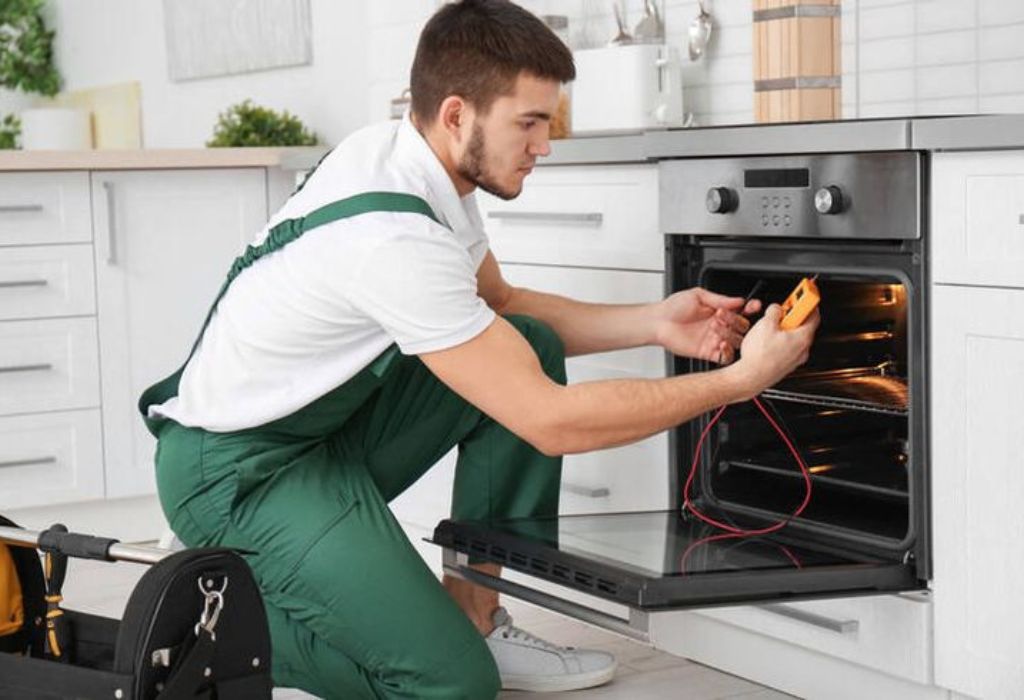
Before fixing a leak, you need to locate its source. Dishwashers can leak from several areas, and identifying the right one helps you take the proper repair approach. Each spot tells a different story about what’s wrong inside the appliance.
The most obvious place to check is the door area, where the gasket or seal may have worn out. Water escaping from the front usually indicates a damaged or dirty seal preventing proper closure. Even a small tear or food residue along the edge can cause dripping during cycles.
Leaks underneath the dishwasher often point to loose connections or cracked hoses. These parts handle both incoming and outgoing water, so even minor damage can result in steady leaks over time. Pulling the unit slightly forward lets you inspect these areas safely.
Water pooling behind or beside the dishwasher usually signals a drainage issue. When the drain hose is clogged or improperly installed, it can force dirty water back into the system. This backflow creates slow leaks that appear hours after a cycle ends.
Another common source is the pump or motor assembly. If water drips directly from the centre bottom, the pump housing or gasket might be cracked. While replacing a pump requires more effort, it’s still a manageable fix with basic tools.
Finally, check the float switch and water inlet valve. These components regulate water levels, and any malfunction can lead to overfilling.
When too much water enters the tub, it finds its way out through seams or the door. Recognising these locations narrows your search and saves time when diagnosing the real issue.
Faulty Door Gasket and Seal Problems
The door gasket, also known as the rubber seal, is the first line of defence against leaks. Its job is to keep water inside the tub while the dishwasher runs. When it wears out or collects debris, water can slip through and escape onto your floor.
Start by inspecting the gasket for visible cracks, tears, or hardened areas. Over time, heat and detergent cause rubber to stiffen, losing its flexibility. A brittle seal won’t press tightly against the door, allowing water to leak out during wash cycles.
If you notice food particles, grease, or detergent residue along the gasket, clean it thoroughly using warm water and mild soap. A soft toothbrush helps remove buildup without damaging the rubber. After cleaning, run a short cycle to see if the leak persists.
Another part to examine is the bottom door seal, which many homeowners overlook. It prevents water from escaping under the door during powerful spray cycles. If this seal is damaged or misplaced, even a new gasket won’t stop the leakage.
Replacing a gasket is usually simple. Most models have seals that can be pulled out and pressed back into a groove without tools. Ensure the new one is the correct fit for your dishwasher’s make and model.
To prevent future seal problems, wipe down the gasket after every few uses to remove debris and prevent mould. Regular maintenance not only stops leaks but also keeps your dishwasher smelling fresh and hygienic.
Loose or Damaged Hoses and Connections
Hoses are the hidden arteries of your dishwasher, carrying clean water in and dirty water out. Any small crack, loose clamp, or worn connector can cause steady leaking beneath or behind the appliance. Checking these parts should be one of your first steps in leak diagnosis.
The water inlet hose is responsible for bringing fresh water into the machine. If it’s not securely tightened or has a split near the fitting, it can leak every time the dishwasher fills. Make sure the connections at both ends are snug but not overtightened.
The drain hose, which expels dirty water, is another frequent culprit. A kink, blockage, or hole in this hose allows water to escape during draining cycles. Look for dampness along the hose’s length or around where it connects to the sink or garbage disposal.
Inspect the hose clamps that secure these hoses to their fittings. Metal clamps can loosen over time due to vibration and temperature changes. Tighten them gently with a screwdriver to stop minor drips.
If you find any brittle or cracked hoses, replace them immediately. Dishwasher hoses are inexpensive and easy to install but can save you from serious water damage. Always use manufacturer-approved replacements to ensure proper fit and durability.
Regular inspection of hoses every few months prevents small leaks from turning into big problems. Taking a few minutes to check connections could save you hundreds in repair costs.
Overfilling and Water Level Malfunctions
Your dishwasher is designed to hold a specific amount of water for each cycle. When it fills beyond that limit, it can cause leaks through seams, vents, or the door. Overfilling usually points to a malfunctioning float switch or inlet valve.
The float assembly is a small plastic dome or disc located at the bottom of the tub. It rises as the water level increases and signals the inlet valve to stop filling. If it gets stuck due to debris or mineral buildup, the water keeps flowing, leading to overflow.
To check it, gently lift the float up and down to ensure it moves freely. If it feels jammed or gritty, clean the area around it with warm water and vinegar. Sometimes, food particles or detergent scum are enough to prevent smooth movement.
A faulty inlet valve can also cause overfilling. This valve controls the flow of water into the machine, and when it sticks open, it continuously lets water in even when the float switch signals it to stop. If you hear water entering the dishwasher when it’s off, the valve likely needs replacing.
An electrical issue with the float switch circuit can also confuse the control board, preventing the system from detecting correct water levels. In such cases, professional service may be necessary.
Always monitor your dishwasher during the filling phase after repairs. The water level should sit just below the heating element and never touch the door gasket. Keeping this balance ensures efficient washing without leaks.
Drainage System Blockages and Clogs
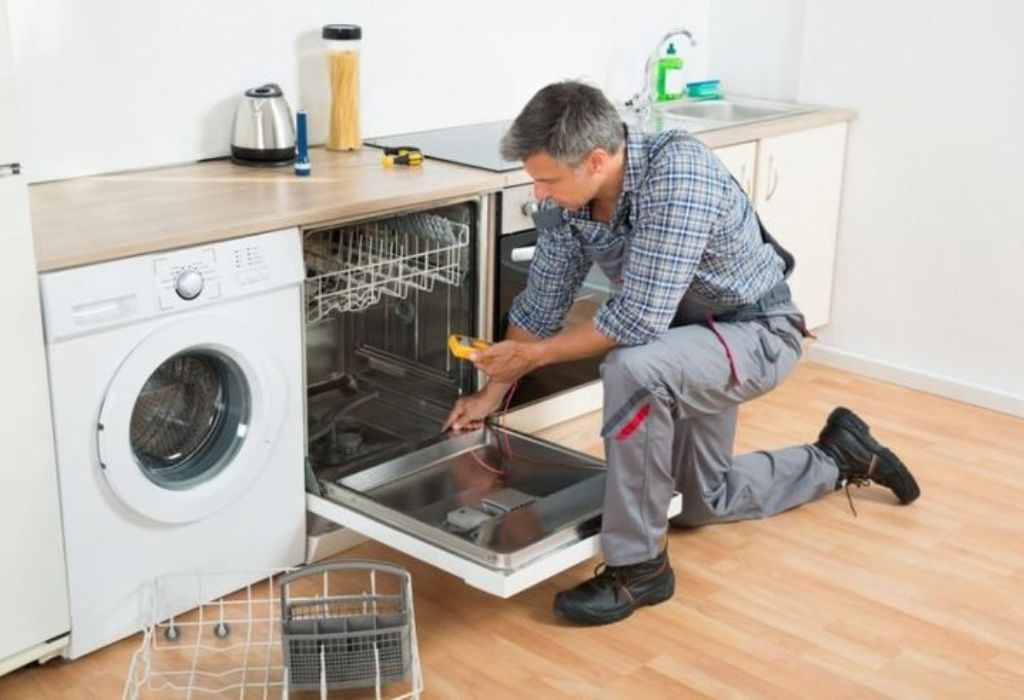
A clogged drainage system is another common cause of dishwasher leaks. When water can’t drain properly, it backs up into the tub and eventually escapes through the door or base. Addressing this issue early prevents both leaks and foul odours.
Start by inspecting the drain filter, usually located at the bottom of the tub. Food scraps, grease, and soap residue can accumulate here and block water flow. Remove and clean it regularly using warm, soapy water to keep drainage smooth.
Next, check the drain hose for blockages. Detach it carefully and flush it with warm water to clear any trapped debris. Kinks or clogs in the hose prevent proper drainage, forcing dirty water to spill over.
If your dishwasher drains into a garbage disposal, make sure the disposal’s knockout plug has been removed during installation. A closed plug blocks water from leaving the dishwasher and causes it to leak back into the tub.
Another overlooked area is the air gap near your sink. This small device prevents dirty water from re-entering the dishwasher. If it’s clogged with residue, clean it with a small brush or compressed air.
Ensuring a clear drainage path is vital for preventing leaks. Proper drainage not only keeps your floors dry but also extends the life of your pump and hoses.
Faulty Pump, Valve, or Float Assembly
If none of the visible parts seem to be leaking, the problem may lie deeper inside the dishwasher’s components. Pumps, valves, and float assemblies are essential for regulating water flow, and a small failure in any of them can lead to leaks.
The circulation pump pushes water through the spray arms. When its seals wear out or the housing cracks, water can leak underneath the machine. You may notice drips directly from the centre bottom of the dishwasher.
The drain pump handles used water during the emptying phase. If it develops a loose gasket or internal crack, water may leak continuously after cycles. Replacing the gasket or entire pump usually solves this issue.
A defective float assembly can also contribute to irregular water levels, leading to overflow leaks. If cleaning doesn’t restore proper movement, it may need replacement. These parts are inexpensive and widely available for most models.
For some dishwashers, the water inlet valve is a common source of slow leaks. A worn-out diaphragm inside the valve may cause tiny drips that worsen over time. Inspecting the valve for mineral buildup helps detect early signs of wear.
While component repairs can be tricky, they are manageable for confident DIYers. Always disconnect power and water before working inside the machine, and consult your manual for part-specific instructions.
Steps to Diagnose a Leaking Dishwasher
Finding the exact cause of a leak requires systematic checking. By following a step-by-step approach, you can pinpoint the issue without guesswork.
Start with a visual inspection around the door and under the machine. Look for water trails or dried residue that indicate where leaks originate. This simple step often reveals the affected area immediately.
Run a short wash cycle while monitoring the dishwasher closely. Observe when and where water begins to appear. If it leaks during filling, the inlet system may be the problem. If it happens during draining, the issue likely lies in the pump or hose.
Check the door seal by running your fingers around it for rough spots or tears. Place a paper towel along the edge during a test cycle; if it gets wet, the gasket needs replacement.
Inspect all connections and fittings underneath the unit. Use a flashlight to check for moisture around hoses, clamps, and the pump area. Tighten loose fittings and wipe dry before retesting.
Finally, tilt the dishwasher slightly forward on a towel or tray to confirm if water leaks from the bottom. Persistent dripping even when off often signals a faulty valve or internal seal.
By narrowing down the timing and location of the leak, you can save time and fix the problem efficiently.
Preventive Maintenance to Avoid Future Leaks
Preventing leaks is much easier than repairing them. Regular maintenance keeps your dishwasher performing smoothly and prolongs its life.
Start by cleaning the filter every week to prevent clogs and overflow. Food debris not only causes drainage issues but also increases water pressure inside the tub. A clean filter ensures consistent water flow.
Inspect the door gasket monthly for cracks or mildew. Wipe it with a soft cloth and mild soap to maintain flexibility. Applying a thin layer of petroleum jelly once in a while helps preserve the seal’s elasticity.
Check all hoses and clamps every few months. Replace any that appear worn or discoloured. It’s also smart to tighten fittings slightly to prevent loosening from vibration.
Avoid overloading the dishwasher, as heavy loads push water against the door and strain the gasket. Balanced loading also improves washing performance and energy efficiency.
Use only recommended detergents, since harsh chemicals can damage seals and internal coatings. Excess foam from improper soap can even trigger sensor errors that cause flooding.
Finally, perform an annual deep clean using a dishwasher cleaner or a vinegar rinse cycle. This removes mineral deposits and grease that can affect drainage and cause slow leaks.
Consistent care not only stops leaks but also keeps your appliance running quietly and efficiently.
Signs You Should Replace Your Dishwasher Instead of Repairing
While most leaks can be fixed with simple repairs, there comes a point when replacing the dishwasher becomes the smarter choice.
Constant leaking, unusual noises, or poor cleaning performance can signal deeper issues that repairs won’t solve permanently. Recognising these warning signs early can save you money and frustration in the long run.
If your dishwasher is more than ten years old, parts like seals, hoses, and valves may deteriorate faster. Frequent leaks often indicate the machine’s components are reaching the end of their lifespan. Investing in a new, energy-efficient model can lower utility bills and prevent recurring water problems.
When you notice rust or corrosion inside the tub, it’s a strong sign that internal damage has begun. Corrosion weakens metal and eventually leads to cracks that cause leaks. Once the tub is compromised, repairs become costly and unreliable.
Another sign is persistent leaks despite repairs. If you’ve replaced gaskets, hoses, and valves but water still escapes, there may be hidden damage in the frame or pump housing. In these cases, professional servicing might cost almost as much as a replacement.
Modern dishwashers are designed with advanced leak sensors and shut-off systems that older models lack. Upgrading ensures not only better water protection but also quieter and more efficient operation. It’s an investment in both safety and convenience.
If you find yourself calling for repairs every few months, replacing your unit makes more financial sense. The cost of multiple service visits can easily exceed the price of a new dishwasher. A fresh installation guarantees peace of mind and improved performance.
Before deciding, consider the overall condition of your appliance. If it still cleans well and only minor parts are worn, repair it. But if leaks persist or spread, it’s time to let go and upgrade to a modern, leak-resistant design.
How to Dry Water Under a Leaking Dishwasher
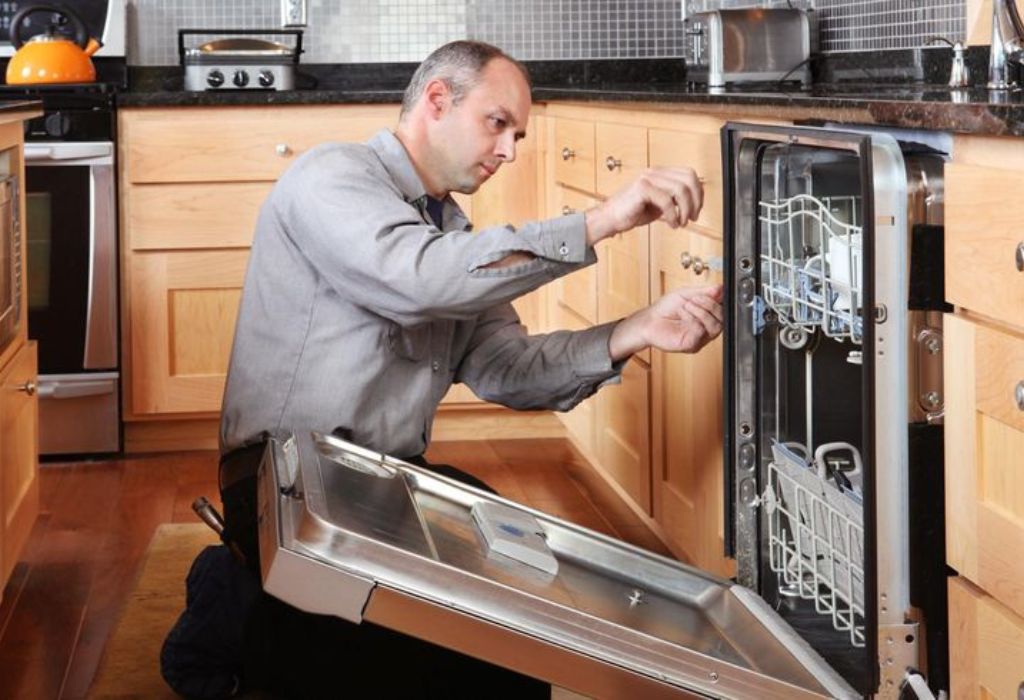
Even after fixing the source of a leak, leftover water under the dishwasher can cause long-term damage if not handled properly.
Standing moisture promotes mould growth, warps flooring, and can rust metal components. Drying the area thoroughly ensures your repair lasts and your kitchen stays safe.
Start by unplugging the dishwasher and turning off the water supply. Safety should always come first when dealing with electrical appliances near water. Once disconnected, carefully slide the unit out from the cabinet space to access the floor underneath.
Use towels or absorbent cloths to soak up visible water. A wet/dry vacuum works even better for extracting moisture trapped in tight spaces. Pay attention to corners and edges where water tends to accumulate.
After removing the bulk of the water, use fans or a dehumidifier to speed up the drying process. Aim airflow directly beneath the dishwasher cavity for several hours. This prevents mould spores from forming in hidden areas.
If your flooring is made of wood or laminate, inspect for swelling or discolouration. Extended moisture exposure can weaken these materials, so consider sealing or replacing damaged sections to avoid future issues.
Wipe down the underside of the dishwasher with a disinfectant solution to kill bacteria and prevent odour. Even a small amount of stagnant water can lead to mildew, so thorough cleaning is essential.
Before sliding the dishwasher back in place, make sure everything is completely dry. Reconnect hoses carefully, ensuring clamps are tight to prevent repeat leaks. Taking time to dry the area fully helps preserve both your flooring and appliance longevity.
Frequently Asked Questions About Dishwasher Leaks
Why is my dishwasher leaking from the bottom front?
This often means the door gasket or lower seal is damaged or dirty. Cleaning or replacing the gasket usually fixes it.
Can a clogged filter cause a dishwasher to leak?
Yes, a blocked filter restricts water flow and increases pressure, forcing water out through small gaps or seams.
What should I do first if my dishwasher is leaking?
Turn off the power and water supply immediately. Then inspect visible parts like hoses, seals, and the bottom panel.
Can overloading the dishwasher cause leaks?
Yes, overfilled racks push water against the door, breaking the seal and causing drips during operation.
Why does my dishwasher leak only sometimes?
Intermittent leaks often point to loose connections or partial blockages that worsen with heavy loads.
Can using too much detergent cause leaking?
Yes, excess suds create foam buildup that overflows from vents or the door. Always follow detergent guidelines.
Is it normal for a little water to stay at the bottom?
A small pool is normal for sealing the pump. But if it’s excessive or overflowing, the drain system may be clogged.
Can a cracked tub cause a leak?
Yes, although rare, physical damage or corrosion can cause small leaks from the tub itself.
How long does a dishwasher gasket last?
Typically five to seven years with regular cleaning. Replace it sooner if cracks or hardness appear.
What tools do I need to fix a leak?
A screwdriver, pliers, flashlight, and replacement parts like clamps or seals are usually enough.
Should I use plumber’s tape on hose fittings?
Yes, applying Teflon tape ensures a tight seal and prevents small drips at threaded connections.
Why does my dishwasher leak when not running?
A faulty inlet valve may be stuck open, allowing water to enter even when the appliance is off.
Can I use sealant to fix a leak temporarily?
Yes, silicone sealant can offer a short-term fix for minor cracks or gaps but isn’t a permanent solution.
When should I call a professional?
If internal components like pumps or valves are leaking, or if water reaches electrical parts, call a technician.
Will insurance cover water damage from a dishwasher leak?
Most homeowner policies cover sudden accidental leaks but not damage caused by neglect or lack of maintenance.
Conclusion
A leaking dishwasher doesn’t always mean it’s time for a replacement. In most cases, the issue comes from worn seals, loose connections, or minor clogs, all of which can be repaired with simple tools and a bit of patience. Identifying the source of the leak early prevents costly damage to floors and cabinetry.
Regular maintenance plays a huge role in preventing leaks from happening again. Cleaning filters, inspecting gaskets, and keeping hoses tight can save you from unexpected puddles.
Small habits like running occasional vinegar cycles and avoiding overloads go a long way toward keeping your dishwasher watertight.
If the leak persists after basic troubleshooting, professional service is worth considering. A technician can replace faulty pumps, valves, or electrical parts safely.
With a little care and attention, your dishwasher will return to quietly doing what it does best, cleaning your dishes without leaving a mess behind.

I’m Emma J. Caldwell, the founder, lead writer, and home-cooking enthusiast behind KitchenGuideCo.com. With a background in culinary arts and over a decade of cooking experience in both professional and personal kitchens, I created this platform to demystify recipes, offer smart kitchen gadget reviews, and guide readers through meal prep with confidence and clarity.