Many people load their dishwasher expecting spotless dishes, yet they open the door to find dried food, cloudy glasses and greasy plates. That moment makes them wonder whether the machine is broken or if something in their routine has gone wrong.
The disappointment grows each time the dishwasher fails to deliver the clean results everyone expects.
Imagine preparing for a busy morning and relying on your dishwasher to handle a full load after dinner.
When the cycle finishes, several dishes still look dirty even though they were arranged carefully. Frustration rises because the dishwasher that once cleaned perfectly now seems unreliable.
Most households experience this problem at some point, and it often has more than one cause. Sometimes the machine struggles because of loading mistakes or the wrong detergent.
Other times the issue comes from hidden mineral buildup or simple maintenance tasks that have been ignored.
Dishwashers are designed to work through specific stages involving heat, water pressure and detergent release.
If even one part of this process becomes disrupted, the entire cleaning cycle becomes less effective. Understanding how these stages work helps identify what is going wrong.
This guide explains every possible reason your dishwasher is not cleaning the way it should. From spray arm issues to water temperature problems, each section breaks down a different cause and how to fix it.
By the end, you will know exactly how to bring your dishwasher back to peak performance and enjoy spotless dishes again.
Why Dishwasher Cleaning Problems Are So Common
Many people underestimate how precise dishwashers must be to clean effectively. The machine relies on specific water pressure and detergent activation to perform well. If any part of the process fails, dishes remain dirty.
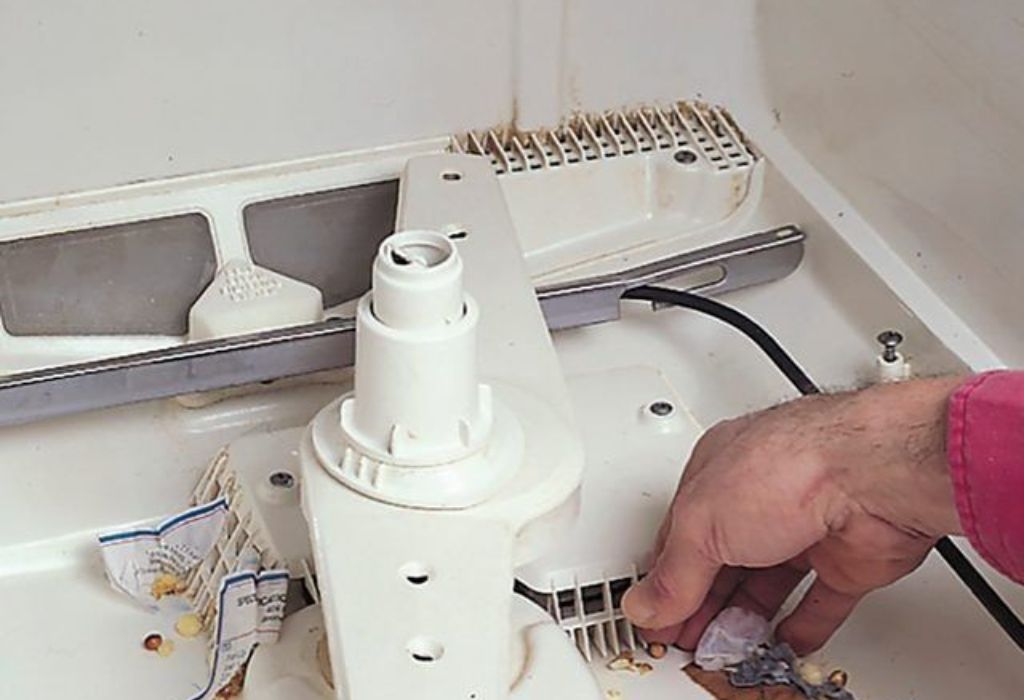
User habits often influence dishwasher performance. Overloading or placing dishes incorrectly can block spray arms. When water cannot reach dishes, cleaning becomes inconsistent.
Old dishwashers may struggle with newer detergents. Modern machines use lower water consumption, which affects older models that require more water flow. This mismatch leads to poor cleaning.
Water temperature differences also create cleaning problems. Some households have lower water heater settings that prevent detergent from fully activating. This results in greasy or spotted dishes.
Detergent compatibility is another major factor. Some detergents work poorly with hard water or low temperature cycles. Choosing the wrong type creates weak cleaning performance.
Mineral buildup inside the dishwasher grows over time. These deposits block spray arms and filters slowly. Reduced water flow directly affects cleaning strength.
The increase in eco friendly cycles also contributes to cleaning issues. Eco modes use less water and lower heat. This makes dishwashers more sensitive to small problems.
How a Dishwasher Is Designed to Clean Your Dishes
A dishwasher starts by filling with water at the correct temperature. This water is heated further inside the machine. Heat activation is essential for detergent performance.
Spray arms distribute pressurized water throughout the dishwasher. They rotate to reach every angle inside the racks. Proper rotation is necessary for thorough cleaning.
Detergent is released at a precise moment in the cycle. It mixes with hot water to break down grease and food residue. Incorrect release timing affects cleaning results.
The filtration system collects leftover food particles. Filters keep debris from recirculating onto clean dishes. A clogged filter stops water flow and weakens cleaning power.
Rinse cycles wash away detergent and residue. These cycles remove any remaining particles. Clean rinse water ensures spotless dishes.
The drying cycle removes moisture at the end. This process prevents water spots and bacterial growth. Heat and airflow work together for complete drying.
Every part of this sequence must work correctly. Even small changes can disrupt the entire cleaning process. Understanding each step helps identify cleaning problems.
Most Common Reasons Your Dishwasher Is Not Cleaning
Blocked spray arms are one of the most frequent causes. When holes become clogged, water pressure weakens. Low pressure cannot remove stuck food.
Low water temperature prevents detergent from activating. Cold water cycles leave greasy residue behind. This affects both dishes and the dishwasher interior.
Using the wrong detergent reduces cleaning strength. Some detergents work poorly in hard water conditions. Others leave behind clumps or streaks.
Dirty filters restrict water movement. Filters catch food particles, but they require regular cleaning. A clogged filter forces debris back onto dishes.
Hard water causes mineral buildup. These minerals leave white spots and reduce detergent efficiency. Hard water demands specific cleaning routines.
Overloading racks blocks water pathways. Plates or bowls placed too closely prevent water from reaching everything. Overcrowding leads to uneven cleaning.
Cycle selection also plays a role. Quick or eco cycles may not handle heavy soiling. Choosing the wrong cycle creates cleaning inconsistencies.
Spray Arm Problems and How They Affect Cleaning
Spray arms can become blocked with food debris. These blockages reduce water flow. Weak spray forces cannot lift stuck food.
Mineral buildup forms inside spray arm holes. Hard water minerals collect over time. This buildup narrows water channels and lowers pressure.
Spray arms may rotate slowly if worn out. Slow rotation reduces overall cleaning coverage. Dishes may stay dirty in areas the spray arms cannot reach.
Physical damage can break spray arm pieces. Cracked or bent spray arms produce uneven water spray. This leads to irregular cleaning patterns.
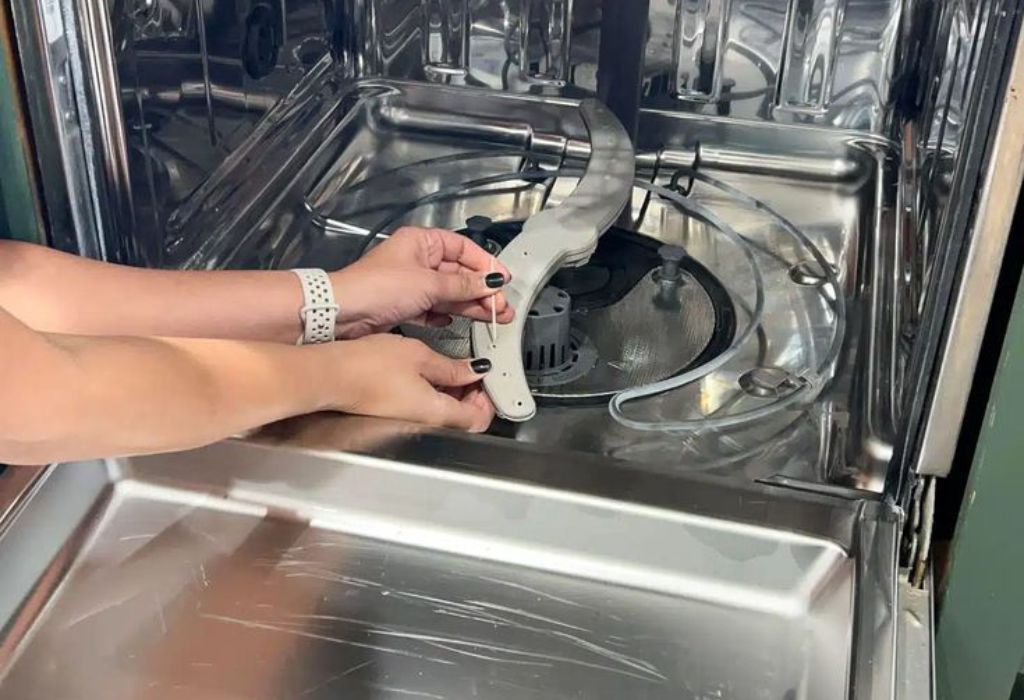
Cleaning spray arms restores performance. Removing them and rinsing under hot water clears debris. A toothpick can be used to open clogged holes.
Some spray arms require full replacement. When blockages happen repeatedly, new parts become necessary. Replacement ensures strong and consistent cleaning.
Preventing buildup helps long term performance. Running cleaning cycles and using rinse aid reduces mineral deposits. Regular care keeps spray arms functioning well.
Water Temperature Issues That Stop Effective Cleaning
Dishwashers require hot water to activate detergent correctly. Cold water reduces cleaning power significantly. Without heat, grease does not dissolve properly.
The ideal water temperature is around one hundred twenty degrees Fahrenheit. Lower temperatures prevent detergent from breaking down food residue. This results in dirty dishes after each cycle.
Heating elements may stop working in older dishwashers. When heating fails, cycles run cold. Cold cycles lead to weak performance and spotting.
Home water heater settings also influence cleaning. If the heater is set too low, the dishwasher receives lukewarm water. This affects detergent activation.
Cold water supply issues may occur during winter. Insulated pipes help maintain water temperature. Without insulation, incoming water becomes too cold.
Symptoms of low cleaning heat include greasy plates. Cloudy glasses also indicate temperature issues. These signs appear quickly when heat is insufficient.
Testing the temperature can confirm the problem. Running hot water at the sink first raises water temperature inside the dishwasher. This simple habit improves detergent effectiveness.
The Role of Detergent in Cleaning Performance
Using the wrong detergent can cause poor cleaning. Some detergents work better in specific conditions. Matching detergent to your machine improves results.
Using too much detergent creates residue. Excess detergent does not dissolve fully. It sticks to dishes and leaves a gritty texture.
Using too little detergent leaves food behind. Weak amounts cannot break down grease properly. Under dosing reduces overall performance.
Expired detergent loses cleaning strength. Old detergent clumps or hardens. This prevents proper dissolving during the wash.
Gel detergents sometimes underperform in hard water. Pods or tablets often clean more effectively. Powder detergents offer strong cleaning but require correct dosing.
Detergent doors may malfunction. If the door fails to open, detergent never enters the cycle. This leaves dishes almost untouched.
Proper detergent usage requires reading instructions. Different detergents need different amounts. Following guidelines prevents common cleaning issues.
Hard Water Problems and Mineral Buildup
Hard water contains minerals that interfere with cleaning. These minerals attach to dishes and create white spots. Hard water makes glassware cloudy.
Mineral buildup collects inside spray arms. These deposits block water flow. Blocked spray arms reduce cleaning pressure.
Dishwashers with hard water experience more residue. Dishes may feel gritty or chalky even after washing. This indicates mineral problems inside the machine.
Special detergents work better in hard water. These detergents include water softening agents. They dissolve minerals more effectively.
Rinse aid becomes essential in hard water homes. It helps water slide off surfaces smoothly. This prevents spotting on dishes.
Water softeners can improve overall performance. They reduce minerals in the entire home supply. This supports better washing results.
Deep cleaning helps remove existing mineral deposits. Vinegar cycles or dishwasher cleaners dissolve buildup. Regular cleaning prevents recurring issues.
Incorrect Loading Habits That Reduce Cleaning Quality
Blocking spray arms is a common loading mistake. Large dishes may prevent rotation. Without full rotation, cleaning becomes uneven.
Stacking dishes too closely reduces water flow. Water must reach every surface. Tight stacking leaves hidden areas unclean.
Bowls placed incorrectly trap dirty water. When water pools inside bowls, detergent cannot clean properly. This leaves visible residue.
Cups placed upside down must not touch each other. Touching cups trap water underneath. This creates wet and unclean surfaces.
Large pans should not block the bottom spray arm. Blocking this arm stops water from reaching the top rack. This affects overall cleaning.
Plastic items may flip over during washing. Lightweight plastic traps water if not secured. Special holders help keep plastic in place.
Proper rack usage improves cleaning. Plates belong in slots, and cups belong on top racks. Following loading guidelines ensures better results.
Dishwasher Filter Problems and Cleaning Routine
Dishwasher filters catch food particles during the wash. Over time, these particles accumulate. A clogged filter weakens water pressure.
Filters require regular cleaning for proper function. Leaving them dirty prevents water from circulating. This forces debris back onto dishes.
Signs of a dirty filter include foul odors. Smells come from trapped food. Odor indicates the filter needs immediate cleaning.
Cleaning filters is simple. Most filters twist out from the bottom of the dishwasher. Rinsing under warm water removes debris.
Deep cleaning may require soaking. Vinegar or mild soap helps remove grease. Scrubbing lightly restores full performance.
Some dishwashers use self cleaning filters. These use grinders to break down food. Manual cleaning becomes less frequent.
Routine filter cleaning prevents recurring problems. Monthly cleaning keeps water flow strong. This supports consistent cleaning results.
When Your Dishwasher Cycle Selection Is the Problem
Quick wash cycles may not handle heavy soil. These cycles use less time and water. Heavy dishes require longer cleaning.
Eco modes reduce heat and water usage. These settings save energy but reduce cleaning strength. Some dishes need stronger cycles.
Normal wash cycles work best for average loads. They balance time, water and temperature. This provides consistent cleaning.
Heavy cycles remove baked on residue. Pots and pans benefit from these cycles. Heavy cycles offer stronger water pressure.
Pre rinsing helps cycles perform better. Removing large food pieces prevents clogging. Pre rinsing supports effective cleaning.
Sanitize cycles offer extra heat. High heat kills bacteria and improves dissolving. This helps with greasy or sticky residue.
Matching detergent to cycle improves results. Pods work best with long cycles. Gels work better in shorter cycles.
Mechanical Issues That Stop Proper Cleaning
A failing pump reduces water pressure. Low pressure weakens spray arm rotation. This creates poorly cleaned dishes.
Heating elements may burn out over time. When heating fails, cycles run cold. Cold cycles produce greasy results.
A blocked inlet valve limits water supply. Low water levels prevent proper cleaning. Machines need enough water to function correctly.
Float switches regulate water levels. A stuck float prevents the dishwasher from filling. This stops cleaning completely.
Malfunctioning sensors misread conditions. Sensors help control cycle timing. Faulty sensors disrupt cleaning stages.
Controller board problems affect machine operation. Issues with the board may interrupt the cycle. Repairs become necessary when this happens.
Technicians handle complex repairs. Some issues require professional tools. Timely repair prevents further damage.
How to Deep Clean a Dishwasher for Better Performance
Vinegar helps dissolve mineral buildup. Running a vinegar cycle refreshes the machine. This restores water flow.
Baking soda removes odors. Sprinkling baking soda and running a short cycle helps. It leaves the interior fresh.
Cleaning filters removes trapped debris. Filters must be rinsed under warm water. Regular cleaning prevents blockages.
Cleaning spray arms restores pressure. Removing them and washing clears blockages. Clean spray arms improve coverage.
Door seals must be wiped regularly. Seals collect grease and food particles. Cleaning them prevents leaks and smells.
Dishwasher cleaners simplify deep cleaning. These cleaners remove hidden residue. Monthly use maintains performance.
Deep cleaning creates long lasting improvement. Clean dishwashers clean dishes better. Regular habits prevent future issues.
Signs You Need to Replace Your Dishwasher
Too many repairs indicate aging. Frequent breakdowns cost more than replacement. Repair costs add up quickly.
Dishwashers over ten years old lose efficiency. Older machines use more water and energy. New models clean more effectively.
Increased noise signals mechanical issues. Worn parts rattle during cycles. This noise grows worse over time.
Persistent dirty dishes show major problems. Repeated cleaning failures indicate internal issues. Replacement becomes the best choice.
Constant leaking means failing seals. Seals wear out and cause water damage. Replacing the machine fixes the problem.
Rising electricity use signals inefficiency. Old machines require more power. New dishwashers save energy.
Odors that never go away show deep buildup. Cleaning cannot fix severe contamination. Replacement provides a fresh start.
Troubleshooting Questions About Dirty Dishwasher Loads
Why is my dishwasher not cleaning dishes well?
Your dishwasher may not be cleaning properly because of blocked spray arms, dirty filters or low water temperature. These issues reduce cleaning power significantly. Fixing these parts usually restores performance.
Why are my dishes still dirty after the dishwasher cycle?
Dishes often stay dirty when racks are overloaded or blocking water flow. Incorrect loading prevents spray arms from reaching all surfaces. Proper spacing improves cleaning results.
Why are my glasses cloudy after using the dishwasher?
Cloudy glasses indicate hard water mineral buildup. Hard water reduces detergent efficiency and leaves white film on glassware. Using rinse aid and hard water detergent helps solve this.
Why is my dishwasher not spraying water?
Spray arms may be clogged with food or minerals. When holes are blocked, water cannot circulate correctly. Cleaning or replacing the spray arms restores water flow.
Why is my dishwasher leaving food residue?
Food residue remains when the filter is clogged or the cycle is too short. Poor filtration allows debris to recirculate. Regular filter cleaning prevents this problem.
Why does my dishwasher smell bad?
Bad smells come from trapped food inside the filter, seals or spray arms. These areas collect buildup over time. Deep cleaning removes odors completely.
Why is my detergent not dissolving in the dishwasher?
Detergent fails to dissolve when water temperature is too low or the dispenser is blocked. Cold cycles prevent full activation. Ensuring hot water solves this issue.
Why is the top rack not getting clean?
The bottom spray arm may be blocked or not rotating properly. If water cannot reach the top rack, cleaning becomes uneven. Clearing spray arm holes fixes the problem.
Why is my dishwasher not drying dishes?
Dishes may not dry when rinse aid is missing or the heating element is failing. Rinse aid helps water slide off surfaces during drying. Heat issues require inspection.
Why is my dishwasher taking longer but still not cleaning?
Long cycles with poor cleaning indicate internal buildup or failing components. Mineral deposits, weak pumps or low temperature can cause this. Deep cleaning and maintenance improve performance.
Conclusion
Developing weekly habits improves performance. Wiping seals and cleaning filters helps. Small routines make big differences.
Monthly deep cleaning keeps the machine fresh. Vinegar and baking soda cycles prevent buildup. This helps maintain strong water flow.
Using rinse aid improves drying. Rinse aid reduces water spots. This makes dishes look cleaner.
Storing detergent properly protects its strength. Detergent must stay dry. Moisture ruins cleaning ability.
Checking water hardness helps choose detergent. Hard water requires special formulas. Soft water allows more flexibility.
Cleaning door seals prevents mold. Seals often collect food residue. Keeping them clean prevents smells.
Running hot water before starting improves heat. Pre heated water activates detergent faster. This boosts cleaning performance.

I’m Emma J. Caldwell, the founder, lead writer, and home-cooking enthusiast behind KitchenGuideCo.com. With a background in culinary arts and over a decade of cooking experience in both professional and personal kitchens, I created this platform to demystify recipes, offer smart kitchen gadget reviews, and guide readers through meal prep with confidence and clarity.