Opening your dishwasher after a cycle should reveal clean and dry dishes ready to put away. Instead, many people find wet plates, dripping glasses and pools of water sitting inside cups.
This disappointing moment creates frustration because drying should be the easiest part of the wash cycle.
Some people assume the dishwasher is broken when dishes come out wet. Others blame the detergent or believe that modern dishwashers simply do not dry as well as older models. These mixed assumptions make it difficult to understand what is truly causing the problem.
Imagine finishing dinner, loading the dishwasher and expecting everything to be ready for the next morning.
When you open the door, steam pours out, but the dishes are still covered in droplets. This makes you wonder whether something inside the machine is not working correctly.
Modern dishwashers are designed differently from older ones, and they often rely more on condensation rather than strong heat.
This means they depend heavily on rinse aid, correct loading and proper water temperature to dry efficiently. Missing even one of these elements can lead to wet dishes.
Plastic items make drying even more challenging because they do not retain heat well. While ceramic or glass remains hot enough to evaporate water, plastic cools quickly and stays wet. This makes the drying process inconsistent.
This guide explains every possible reason your dishwasher is not drying your dishes. From rinse aid issues to heating problems, each section helps you understand and fix the problem step by step.
By the end, you will know exactly how to improve drying performance and get completely dry dishes every cycle.
WHY DISHWASHER DRYING PROBLEMS ARE SO COMMON
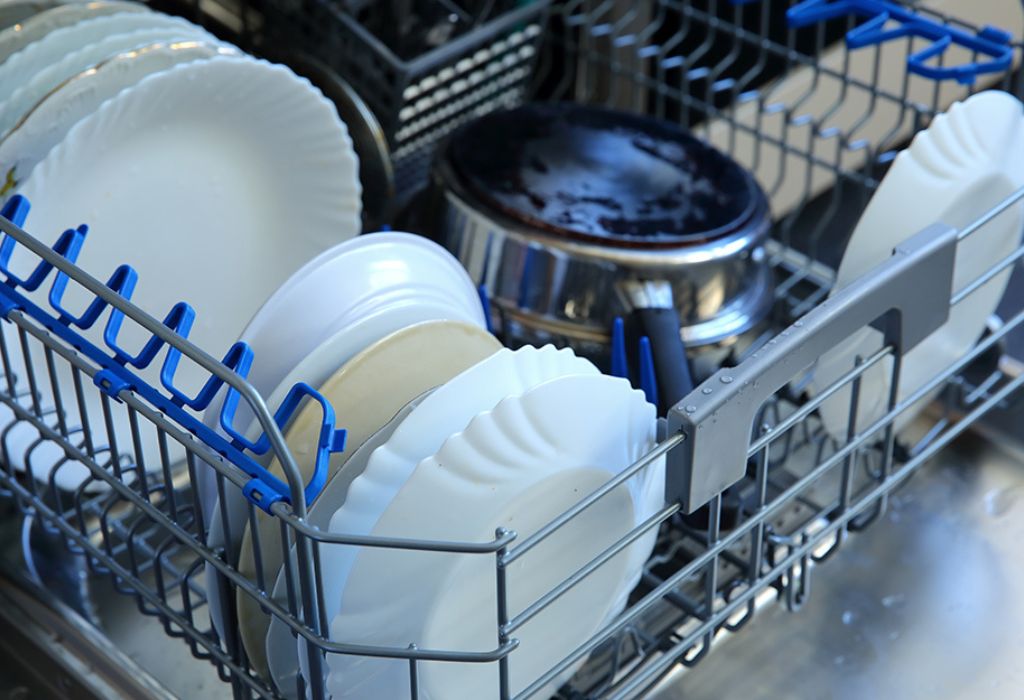
Many people expect their dishwasher to produce clean and completely dry dishes after every cycle. However, modern dishwashers often leave plates damp or glasses covered in droplets. This common issue makes users believe something is wrong with their machine.
The main problem comes from the way newer dishwashers are designed. They use far less heat than older models to save energy. While this improves efficiency, it also reduces drying strength.
Another issue is the growing number of plastic items in dishwashers. Plastic does not retain heat the way glass or ceramic does. This means plastic stays cooler and dries much slower.
Hard water also plays a major role in poor drying. Minerals left on dishes prevent water from evaporating properly. Hard water can create a sticky film that keeps dishes wet.
Loading mistakes make drying even worse. Overlapping bowls or cups trap water inside. When airflow is blocked, evaporation slows down significantly.
Rinse aid is another important factor. Many people forget to use it, but it is essential for proper drying. Without rinse aid, water clings to dishes instead of sliding off.
Because so many different factors affect drying, most households experience this issue at some point. Understanding these causes helps eliminate drying problems effectively. With small changes, drying performance improves noticeably.
HOW DISHWASHERS ARE DESIGNED TO DRY YOUR DISHES
Dishwashers use several drying methods depending on the brand and model. Some use a heating element to warm the air inside the machine. This method helps evaporate water quickly.
Modern dishwashers rely heavily on condensation drying. Hot water heats the dishes during the final rinse cycle. As the tub cools, water evaporates off the dishes and collects on the cooler walls.
Some dishwashers use fan assisted drying. These fans move warm air across the dishes for a faster drying result. This system improves airflow and reduces moisture.
Rinse aid plays a key role in all drying methods. It reduces water surface tension so water can slip off dishes easily. This makes drying much more efficient.
Final rinse temperature is another important factor. Hotter water helps dishes retain heat longer, which promotes evaporation. Lower temperature settings slow down this process.
Dishwashers also use vents to release steam. If these vents get blocked or damaged, moisture cannot escape. This results in wet dishes after the cycle.
The materials used inside the dishwasher matter too. Stainless steel tubs dry better than plastic tubs because steel retains heat. Plastic tubs cool faster and slow down evaporation.
MOST COMMON REASONS YOUR DISHWASHER IS NOT DRYING
One of the most common reasons is low rinse aid levels. Without rinse aid, water forms droplets instead of sliding off. This keeps dishes wet at the end of the cycle.
Using eco or quick cycles also affects drying. These cycles use lower temperatures to save energy. Lower heat means weaker drying performance.
Overloaded racks are another major cause. When dishes block airflow, moisture stays trapped. This leads to wet spots and water pooling on plates.
Plastic items dry poorly compared to glass or ceramic. They do not get as hot during the wash cycle. Their cool surfaces slow down evaporation.
Hard water minerals create a thin film on dishes. This film prevents water from sliding off. Minerals also stick to the heating element and weaken its performance.
A damaged or burned out heating element affects drying. Without heat, the dishwasher cannot evaporate water properly. This leads to consistently wet dishes.
Blocked vents reduce airflow during the drying stage. Steam remains trapped inside the dishwasher. This moisture settles back on your dishes.
HOW RINSE AID IMPROVES DISHWASHER DRYING
Rinse aid is designed to help water slide off dishes more easily. It reduces the surface tension of water droplets. This allows the water to spread thinly and evaporate faster.
Rinse aid prevents spotting and streaking. Minerals and detergent residues wash off more effectively. This helps dishes come out shiny and clean.
Rinse aid also helps plastic items dry better. Although they still dry slower than glass, rinse aid improves evaporation. This reduces dripping and pooling.
It works especially well with condensation drying systems. Hot dishes lose water quickly when rinse aid is present. This helps dry cycles complete more effectively.
Using rinse aid is essential in hard water areas. Minerals cause water to cling stubbornly to surfaces. Rinse aid reduces these effects dramatically.
Many people skip rinse aid because they assume detergent is enough. In reality, detergent cleans but does not help with drying. Rinse aid is needed for drying performance.
Refilling rinse aid regularly keeps your dishwasher working properly. Most dispensers last several cycles before needing a refill. Regular use ensures consistent drying results.
WHY PLASTIC DISHES DO NOT DRY WELL IN DISHWASHERS
Plastic cools down quickly compared to other materials. Because it does not retain heat, it does not evaporate water efficiently. This makes plastic one of the hardest materials to dry.
Plastic surfaces cause water to bead up instead of running off. Water droplets stay attached to the cool plastic. This leads to wet dishes even at the end of the drying cycle.
Lightweight plastic items often flip over during washing. When cups or lids turn upside down, they trap water. This increases the amount of standing water on plastic.
Many dishwasher racks are not ideal for plastic placement. Narrow gaps cause cups and lids to rest at bad angles. These angles hold water inside the items.
Plastic containers often have deep ridges. These ridges hold small pools of water. Even a strong drying cycle cannot fully evaporate trapped moisture.
Ventilation is crucial for plastic drying. If plastic items block the vents, moisture cannot escape. Poor airflow makes drying performance weaker.
Even the best dishwashers struggle with plastic. The material itself is to blame, not the machine. Reducing plastic items in loads helps improve overall drying.
HOW LOADING MISTAKES AFFECT DRYING PERFORMANCE
Loading dishes incorrectly prevents air from moving freely. When airflow is blocked, moisture cannot escape. This keeps dishes damp throughout the drying cycle.
Nested bowls cause major drying issues. When bowls overlap, water gets trapped between them. This creates wet spots and puddles.
Cups placed too close together trap steam. Steam condenses between cups and drips onto surfaces. Proper spacing allows moisture to escape.
Overlapping plates block airflow around the edges. This prevents water from evaporating quickly. Plates stay wet even after the drying cycle.
Large items placed near vents disrupt drying. They block steam from exiting the dishwasher. This traps moisture inside the machine.
Angling items incorrectly can trap water. Cups or glasses that tilt the wrong way collect water. Adjusting angles improves drying results.
Dishwasher racks should be loaded with space between items. Airflow is critical for evaporation. Proper loading dramatically improves drying.
HARD WATER PROBLEMS AND POOR DRYING RESULTS
Hard water contains minerals like calcium and magnesium. These minerals create a film on dishes during washing. This film slows down evaporation.
Mineral buildup also affects the heating element. When heating elements become coated, they produce less heat. Reduced heat weakens drying performance significantly.
Hard water causes spotting on dishes. These spots hold moisture longer than clean surfaces. This makes dishes appear wet even after drying.
Minerals collect on dishwasher walls and racks. This buildup traps moisture inside the tub. Cleaning becomes necessary for proper drying.
Rinse aid becomes essential in hard water areas. It prevents minerals from sticking to dishes. This helps water run off more effectively.
Filters may clog faster in hard water environments. Clogged filters reduce water flow and cleaning efficiency. Poor cleaning leads to poor drying.
Deep cleaning the dishwasher helps combat hard water. Removing mineral deposits improves drying results. Maintenance is important for long term performance.
MECHANICAL ISSUES THAT PREVENT PROPER DRYING
A broken heating element is one of the most common mechanical failures. Without heat, dishes cannot dry properly. Heat is essential for evaporation.
A faulty high limit thermostat can also affect drying. This part controls how hot the dishwasher gets. When it fails, temperatures drop too low.
A damaged vent fan reduces airflow inside the dishwasher. Without proper air movement, steam cannot escape. This leaves dishes wet and damp.
A stuck vent door traps moisture inside. If the door fails to open, steam condenses inside the tub. Dishes never reach their drying potential.
Sensors inside the dishwasher regulate temperature and moisture. Faulty sensors misread conditions and interrupt drying. This leads to inconsistent performance.
Control board issues also cause drying problems. When the control board fails, the entire drying cycle may malfunction. This requires professional repair.
Mechanical issues often produce noticeable symptoms. Burnt smells, error codes or lukewarm dishes indicate failure. Addressing these problems early prevents further damage.
HOW TO IMPROVE DRYING PERFORMANCE INSTANTLY
Adding rinse aid is the fastest way to improve drying. It helps water slide off dishes. This leads to quicker evaporation.
Turning on heated dry makes a big difference. This setting adds extra warmth to the cycle. Higher temperature improves drying speed.
Angling dishes correctly helps water drain. Tilting cups and plates prevents water pooling. Proper orientation speeds up drying.
Opening the dishwasher door after the cycle helps steam escape. Releasing steam improves airflow. This prevents condensation on dishes.
Loading fewer plastic items increases overall drying success. Plastic cools too quickly and slows the whole cycle. Minimizing plastic helps everything dry better.
Raising your water heater temperature improves final rinse heat. Hotter water helps the dishwasher perform better. This supports stronger drying results.
Cleaning the filter regularly keeps water flowing properly. Good cleaning equals better drying. Simple maintenance makes a big difference.
SIGNS YOU NEED TO REPAIR OR REPLACE YOUR DISHWASHER
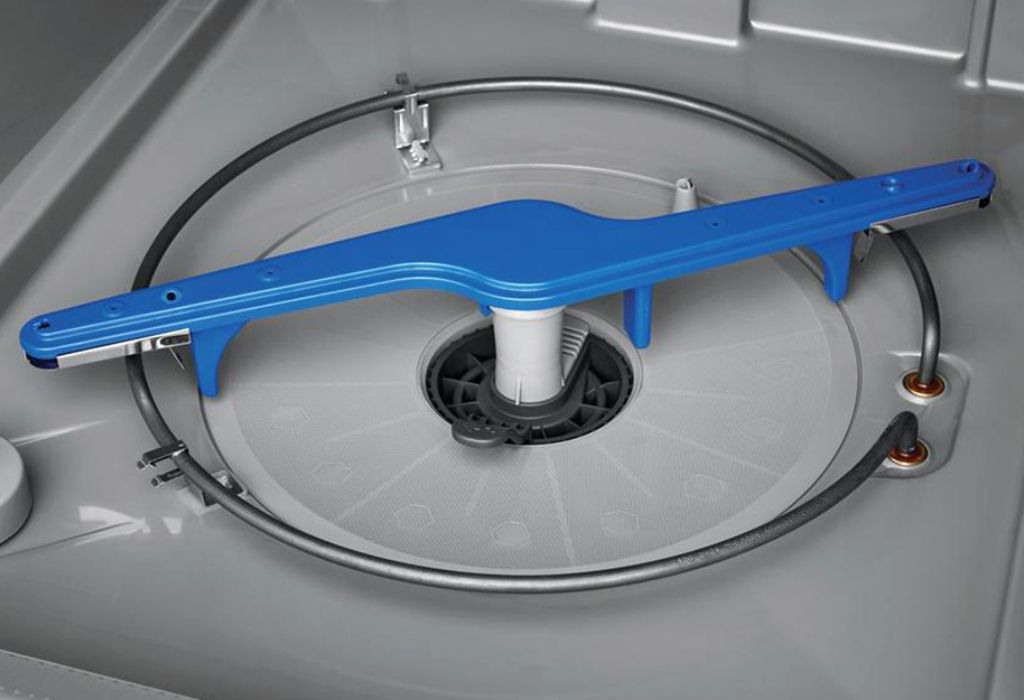
If your dishwasher never dries dishes despite proper settings, repairs might be needed. Consistent failure indicates mechanical issues. This should not be ignored.
No heat during the cycle is a major warning sign. Dishes will always be wet without heat. Heating problems require professional repair.
Large water droplets left on every dish show poor performance. Even plastic should not be dripping heavily. This signals internal failure.
Burnt smells near the heating element indicate danger. A failing element may overheat. This creates a fire risk.
Loud noises coming from the vent fan suggest malfunction. Fans should not sound rough or grinding. Replacing the fan restores airflow.
Modern dishwashers display error codes during malfunction. These codes point to sensor or control issues. Ignoring them worsens the problem.
If your dishwasher is old and constantly failing, replacement is recommended. Newer models perform better and use less energy. Upgrading solves drying problems long term.
FINAL DRYING AND MAINTENANCE TIPS FOR BETTER RESULTS
Clean the dishwasher weekly to remove food residue. Cleaner walls reduce moisture buildup. This improves drying each cycle.
Deep clean the machine monthly using vinegar. This removes hard water minerals. Mineral removal boosts drying performance.
Use rinse aid consistently for best results. Rinse aid improves drying dramatically. It is essential for modern dishwashers.
Choose the right detergent for your water type. Hard water needs special formulas. Correct detergent improves rinsing and drying.
Minimize plastic items when possible. Plastic slows down drying. Glass and ceramic dry much faster.
Organize the racks properly for airflow. Good spacing improves evaporation. Avoid overlapping items.
Run your dishwasher on the correct cycle. Heated dry cycles produce the best results. Proper settings reduce drying issues.
Your Questions About Dishwasher Drying Issues Answered
Why are my dishes still wet after my dishwasher finishes?
Dishes stay wet when there is not enough heat or airflow during the drying stage. Low rinse aid or blocked vents also reduce drying performance. Loading mistakes often trap moisture on plates and cups.
Does using the eco cycle make my dishwasher dry poorly?
Yes, eco cycles use lower temperatures to save energy. This reduces evaporation and leaves dishes wetter. Switching to a normal or heated dry cycle improves results.
Why do plastic dishes never dry well in the dishwasher?
Plastic does not hold heat the way glass or ceramic does. Since it cools quickly, water does not evaporate properly. This makes plastic the hardest material to dry.
Can low rinse aid cause poor drying in my dishwasher?
Yes, low rinse aid levels are one of the biggest reasons for wet dishes. Rinse aid helps water slide off instead of forming droplets. Refilling it greatly improves drying.
What happens if the dishwasher vent is blocked?
A blocked vent traps steam inside the dishwasher. This steam condenses back onto dishes during the drying stage. Unblocking the vent allows moisture to escape.
Can hard water prevent my dishwasher from drying dishes?
Yes, hard water minerals leave a film that stops water from evaporating quickly. They also stick to heating elements and weaken performance. Using rinse aid or a water softener helps solve this.
Why does my dishwasher leave water inside cups and bowls?
Incorrect loading angles trap pools of water in cups and bowls. Nesting or overlapping items reduces airflow. Adjusting the angle helps water drain better.
Can a broken heating element cause dishes to stay wet?
Yes, a failed heating element prevents the dishwasher from getting hot enough to evaporate water. This results in consistently wet dishes. Replacement is needed for proper drying.
Does opening the dishwasher door help dishes dry faster?
Yes, opening the door right after the cycle lets steam escape. This releases trapped moisture and speeds up drying. It is one of the quickest fixes for wet dishes.
Why is there still moisture even with heated dry turned on?
Poor loading, low rinse aid or sensor problems can weaken heated dry performance. Plastic items also remain wet despite extra heat. Checking all factors helps improve results.
Conclusion
Drying problems in dishwashers are extremely common, and most of the causes come from small factors that are easy to overlook.
Modern machines use less heat and depend heavily on rinse aid, correct loading and proper water temperature. When any of these elements fall out of balance, dishes come out damp instead of fully dry.
Many homeowners assume the dishwasher is faulty when the problem is actually simple. Plastic items, hard water and low rinse aid levels all contribute to poor drying performance. Understanding how each of these factors affects evaporation makes troubleshooting much easier.
Some issues relate to the machine’s design. Newer dishwashers rely on condensation drying, which is energy efficient but slower than old heating systems. This makes proper airflow, correct dish placement and adequate rinse aid even more important.
Mechanical problems can also cause drying failures. A broken heating element, damaged vent fan or faulty thermostat affects temperature and moisture control. These issues require repair, but they are less common than loading errors or rinse aid problems.
Small changes in daily habits can dramatically improve drying performance. Simple adjustments like spacing dishes correctly, angling cups and keeping vents clear help moisture escape. These steps ensure that every load finishes cleaner and drier.
Regular maintenance keeps the dishwasher performing at its best. Cleaning filters, using rinse aid and removing hard water buildup ensures consistent drying over time. With the right care, your dishwasher can deliver perfectly dry dishes after every cycle.

I’m Emma J. Caldwell, the founder, lead writer, and home-cooking enthusiast behind KitchenGuideCo.com. With a background in culinary arts and over a decade of cooking experience in both professional and personal kitchens, I created this platform to demystify recipes, offer smart kitchen gadget reviews, and guide readers through meal prep with confidence and clarity.