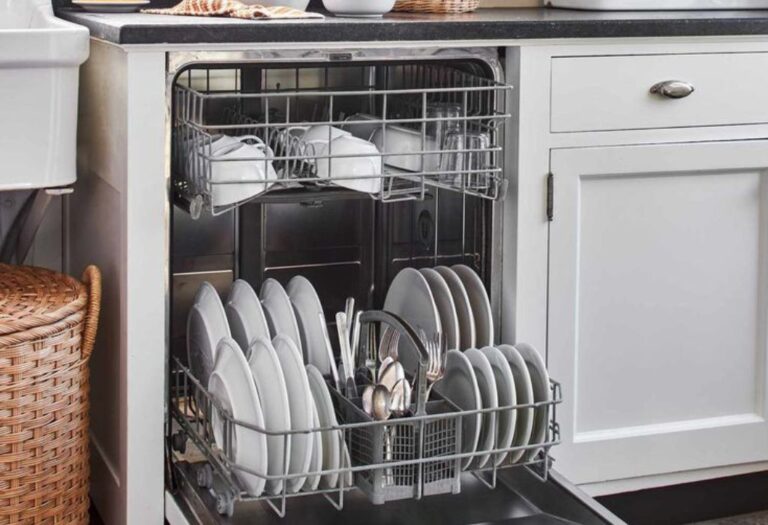
Dishwashers are supposed to run quietly in the background, yet many people suddenly notice loud banging, humming or grinding sounds during a cycle. A once silent machine becomes distracting, especially in open kitchens where noise spreads easily.
This creates frustration because the dishwasher still cleans dishes but feels much louder than before. Some homeowners worry that the noise means the appliance is failing, while others assume something inside is loose.
Dishwashers contain pumps, motors, spray arms and moving water, and each part can create different sounds when something goes wrong. Even small issues like debris in the filter can make the machine sound louder.
Over time, normal wear and tear also increases operational noise. Older dishwashers use louder motors and less insulation than modern models.
The sound often becomes more noticeable during certain cycles when water pressure is highest. These moments make people wonder whether the machine is safe to use.
Understanding why dishwashers become loud helps identify problems early and prevent costly repairs.
Common Reasons Dishwashers Become Loud
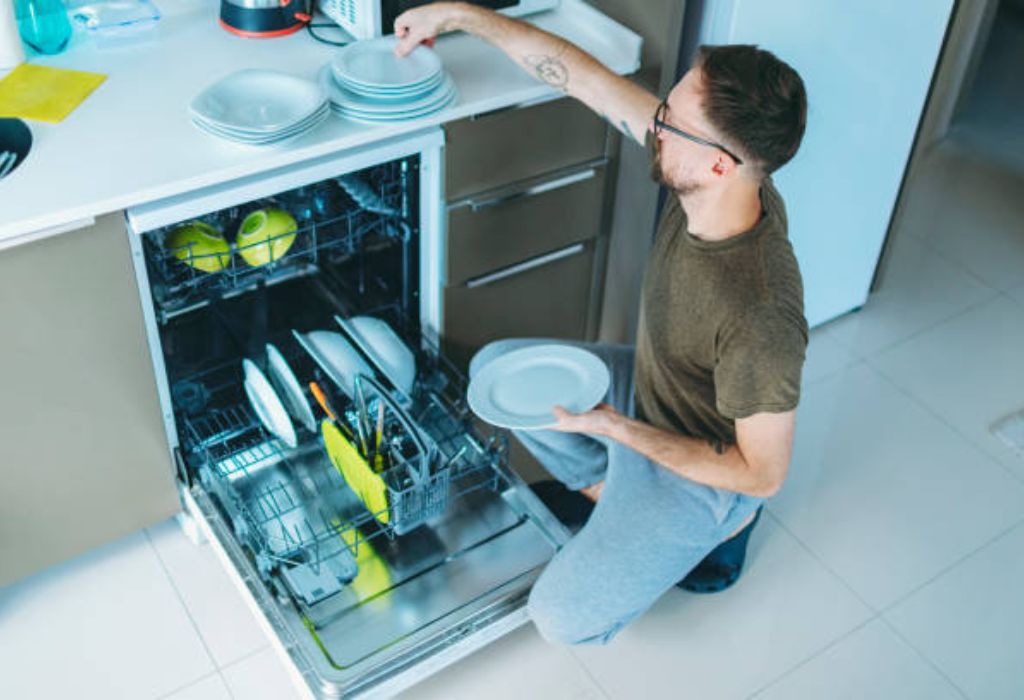
Dishwashers make more noise when internal parts wear down or become blocked. Spray arms, pumps and bearings all play a role in sound levels.
Water pressure creates noise when something restricts normal flow. This leads to louder spraying or banging sounds.
Loose panels or mounting screws cause vibration noises. Vibration travels through cabinets and amplifies loudness.
Filters filled with debris restrict pump flow and cause rumbling sounds. Cleaning the filter often reduces noise immediately.
Old insulation inside the dishwasher breaks down over time, allowing more sound to escape.
Is loud noise always serious
Not always, sometimes minor cleaning fixes the sound.
Do older dishwashers get louder
Yes, aging parts produce more noise.
Is vibration a common cause
Loose components often vibrate loudly.
Can restricted water flow increase noise
Lower flow makes pumps work harder.
Does debris contribute to sound
Clogged filters amplify dishwasher noise.
Spray Arm Problems And Noise
Spray arms rotate to distribute water across the dishes. When they become blocked, they spray unevenly and create louder splashing sounds.
Seeds, pasta pieces or food particles clog spray holes. Blocked holes force water at higher pressure.
Bent spray arms hit dishes or racks while spinning. These bumps produce rhythmic knocking sounds during the cycle.
Loose spray arms wobble during operation, creating rattling noises. Reattaching them securely stops the movement.
Cleaning spray arms often restores quiet operation.
Drain Pump And Circulation Pump Noise
The drain pump removes dirty water from the dishwasher. When clogged, the pump works harder and becomes louder.
Foreign objects like glass chips or food waste get trapped inside the pump. These objects create grinding sounds.
The circulation pump pushes water through spray arms. Worn pump bearings cause a loud humming or whining noise.
Pump motors also make noise when they begin to fail. Overheating increases sound intensity.
Replacing or cleaning the pump reduces most loud mechanical noises.
Is grinding noise from the pump
Often yes, debris gets stuck inside.
Do pumps wear out over time
Bearings degrade with long term use.
Can cleaning fix pump noise
Cleaning helps minor blockages.
Why does the pump hum
Worn parts cause humming or whining.
Is pump replacement expensive
It depends on the dishwasher model.
Dishwasher Vibration And Rattling Issues
Dishwashers vibrate when not installed tightly. Loose mounting brackets cause the machine to shake during cycles.
This shaking transfers into cabinets and creates loud knocking or rattling sounds. Vibrations amplify small noises.
Improper leveling also causes vibration. A tilted dishwasher wobbles when water sprays at high pressure.
Loose panels on the sides or bottom of the dishwasher can vibrate heavily. These panels should be tightened.
Securing the dishwasher reduces most vibration related noise.
Water Flow Noises Inside The Dishwasher
High water pressure inside the dishwasher sometimes makes operation louder. Spraying water produces a rushing sound.
If the water inlet valve becomes blocked, the machine compensates with extra force, creating a humming intake noise.
Hard water buildup restricts water pathways. Restriction increases noise levels during fill cycles.
Low water pressure also causes unusual sounds. The dishwasher tries to adjust flow and becomes louder than normal.
Proper water supply makes dishwashers quieter.
Can water flow changes cause noise
Yes, pressure fluctuations affect sound.
Do valves create noise
Faulty inlet valves may hum or buzz.
Does hard water affect noise
Mineral buildup restricts flow.
Is low pressure a problem
Low pressure creates uneven spray patterns.
Should the inlet valve be cleaned
Cleaning improves water flow.
Filter And Food Debris Causing Loud Sounds
The dishwasher filter catches food particles during each cycle. When clogged, water struggles to pass through.
Struggling water flow creates rumbling or gurgling sounds. Pumps work harder in these conditions.
Filters filled with bones, seeds or pasta cause sharp noises. These items may hit the pump impeller.
Clearing the filter removes these trapped items immediately. A clean filter restores smooth sound.
Regular cleaning prevents debris buildup.
Loose Dishes And Poor Loading Techniques
Incorrect loading causes dishes to collide with each other. When the spray arm rotates, water pressure pushes items around.
Loose bowls or lightweight plastic items move during washing. These movement sounds resemble tapping or banging.
Overloading prevents water from moving correctly, causing plates to rattle. Items vibrate from high water pressure.
Tall utensils may hit the spray arm while spinning. This creates repetitive knocking sounds.
Proper loading eliminates noise from dish movement.
Can loading errors cause loud sound
Yes, misaligned dishes rattle loudly.
Do utensils hit spray arms
Long utensils often block rotation.
Is overloading noisy
Tight racks encourage dish collisions.
Should plastics be secured
Secure lightweight items properly.
Does proper spacing reduce noise
Spacing prevents vibration and movement.
Hard Object Inside The Dishwasher
Occasionally, unexpected objects fall into the dishwasher. Small bones, bottle caps, broken glass or seeds end up inside.
These items become trapped in the pump or spray arms. Trapped objects grind during operation.
Broken glass creates sharp scraping noises. These sounds indicate immediate cleaning is needed.
Foreign objects damage internal components. Removing them early prevents pump failure.
Clearing the machine solves grinding or scraping noise.
Problems With The Heating Element
The heating element is located at the bottom of many dishwashers. When it becomes coated with grease or mineral buildup, it crackles during drying cycles.
Grease residue produces popping sounds as it burns off. These noises repeat each cycle.
Loose heating elements vibrate against the metal base. This causes a metallic rattling sound.
Bent heating elements create uneven contact and louder vibrations. Replacement solves the issue.
Maintaining the heating element reduces sound and improves drying.
Can the heating element cause noise
Yes, buildup causes crackling and popping.
Does grease burn off
Burning grease makes loud noises.
Can the element loosen
Loose elements vibrate loudly.
Is replacement required sometimes
Damaged elements need replacing.
Does maintenance help
Regular cleaning prevents noise.
When The Dishwasher Motor Is Failing
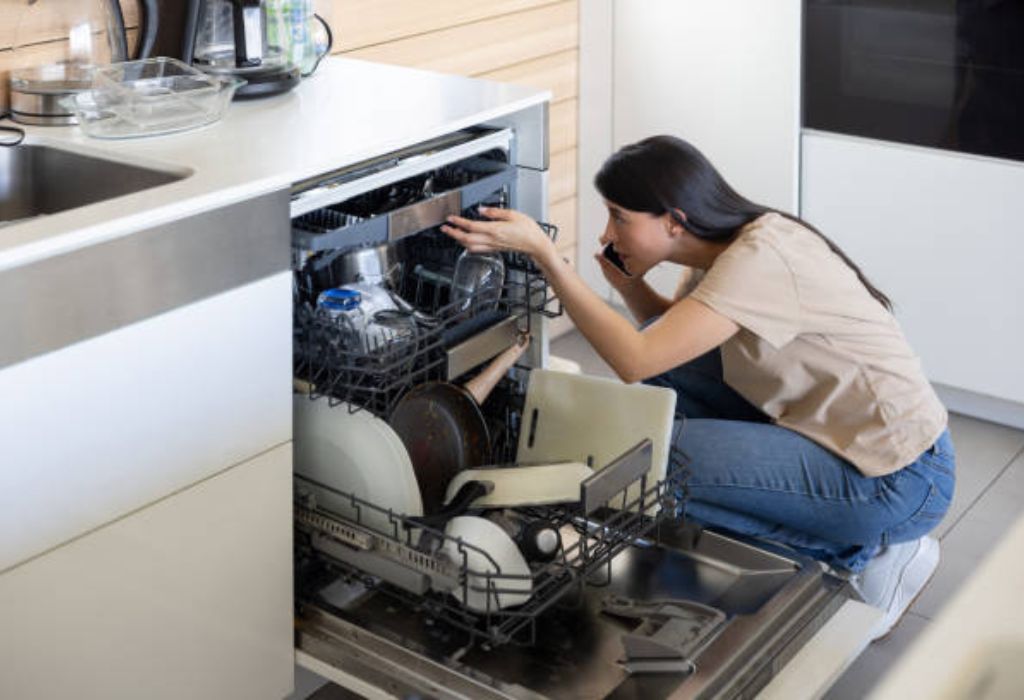
Dishwasher motors become louder as they weaken. Worn bearings cause grinding or whining sounds.
Motors run hotter when failing. Heat increases loudness.
A failing motor struggles to maintain water pressure. The machine sounds strained during cycles.
Mid cycle shutoffs also occur with failing motors. This signals overheating and malfunction.
Motor failure requires professional replacement.
How To Fix A Loud Dishwasher
Start by cleaning the filter thoroughly. Most loud noises start with debris buildup.
Inspect the spray arms for blockages. Removing debris restores even water flow.
Check for loose screws or mounting brackets. Tightening them reduces vibration.
Examine the drain pump and circulation pump for foreign objects. Remove debris to eliminate grinding noises.
Level the dishwasher to reduce shaking and rattling.
How To Prevent Dishwasher Noise
Clean the filter weekly to avoid food buildup. This improves pump performance.
Avoid overloading racks to keep items from hitting each other. Proper spacing ensures smooth washing.
Use hot water cycles to help break down grease inside the machine. Less grease equals fewer noises.
Perform regular maintenance on spray arms and heating elements. Clean components stay quiet.
Check installation brackets periodically to ensure stability.
Is maintenance important
Regular care keeps dishwashers quiet.
Do hot cycles help noise reduction
Heat reduces grease buildup.
Should spray arms be cleaned
Clean arms operate quietly.
Does leveling the dishwasher help
Yes, stability reduces vibration noise.
Is filter cleaning necessary
Filters must be cleaned often.
Conclusion
Dishwashers become loud for many reasons, including debris buildup, pump issues, vibration, hard objects and weak motors. Even small problems like clogged spray arms or loose dishes create noticeable noise during cycles.
Regular cleaning and proper loading often fix noise problems quickly. When mechanical parts like pumps or motors begin to fail, early detection prevents expensive repairs.
Keeping the dishwasher level, tightening mounting screws and maintaining components reduces long term noise. A quiet dishwasher improves kitchen comfort and ensures smooth operation.
With the right maintenance habits and timely repairs, your dishwasher stays efficient and peaceful for years.

I’m Emma J. Caldwell, the founder, lead writer, and home-cooking enthusiast behind KitchenGuideCo.com. With a background in culinary arts and over a decade of cooking experience in both professional and personal kitchens, I created this platform to demystify recipes, offer smart kitchen gadget reviews, and guide readers through meal prep with confidence and clarity.