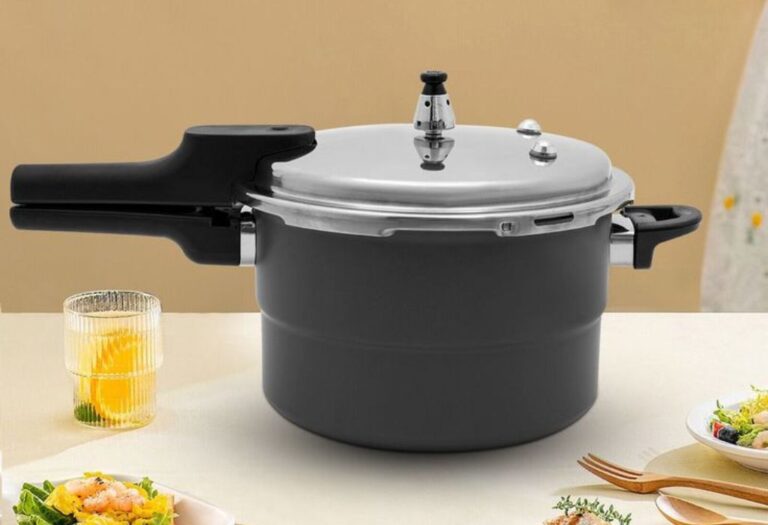
A leaking pressure cooker most commonly signals issues with its crucial sealing ring or lid, preventing a proper seal. Always inspect the gasket for wear, tears, or incorrect placement, and ensure the lid rim is clean and correctly locked. Also, check for clogged vent pipes or overfilling, addressing these key areas for a swift and safe resolution.
Fix It Now Why Is Pressure Cooker Leaking Quick Guide
Oh no, not again! That dreaded hiss and sputter from your pressure cooker can really throw a wrench into your meal prep, right? It’s not just annoying; a pressure cooker leaking can be a bit alarming and stop your cooking in its tracks. Most times, it’s not a major catastrophe, but rather a common issue that’s often easy to fix. We’ve all been there, standing over the stove, wondering what went wrong with our beloved kitchen helper.
Usually, when a pressure cooker leaking, the culprits are pretty standard: a tired sealing ring, a clogged valve, a lid that’s not quite happy, or simply too much enthusiasm with the ingredients. Don’t worry, you don’t need to be a pressure cooker wizard to troubleshoot these problems. Let’s get you back to delicious, quickly cooked meals!
Why is my pressure cooker leaking, and how can I fix it?
It’s such a common question, and honestly, the answer usually boils down to a few key things. When your pressure cooker leaking, it means it’s not holding that precious steam inside, which is what builds the pressure to cook your food so quickly. Here’s a breakdown of the usual suspects and how to tackle them, often from my own kitchen experiences!
First off, always turn off the heat and let the pressure release naturally or cautiously using the quick release method before investigating. Safety first, always!
The most frequent reason for a pressure cooker leaking is often the sealing ring or gasket. This is that rubber or silicone ring nestled inside the lid. Over time, these rings can get stiff, cracked, or simply worn out. I once spent ages trying to figure out why my stew wasn’t cooking, only to find a tiny crack in the gasket I’d missed! Always pull it out after each wash, give it a good clean, and inspect it for any signs of wear, tears, or food debris stuck to it. Even a small bit of dried food can break the seal. If it looks compromised, it’s time for a replacement. They’re inexpensive and readily available for most models. Make sure it’s properly seated in the lid before you start cooking.
Another common culprit is the vent pipe or steam release valve. These little openings are crucial for proper pressure regulation. Sometimes, tiny food particles can get lodged in them, preventing a proper seal or blocking the steam release. I learned this the hard way when my potato soup decided to clog everything up! After every use, especially with starchy foods, hold your lid up to the light and make sure you can see clear through the vent pipe. Give the steam release valve a gentle wiggle or clean it according to your manufacturer’s instructions to ensure it’s free of obstructions and moving correctly.
Sometimes, the issue isn’t with the components but with how the lid is seated. It might sound obvious, but we’ve all been in a rush! Ensure your lid is properly aligned and fully locked into place. Some pressure cookers have visual indicators or audible clicks. A slightly askew lid is a surefire way to get a pressure cooker leaking. Also, check the rim of the pot and the lid for any dents or warping. Even a small deformation can prevent a tight seal. I’ve had moments where I just hadn’t turned the lid quite enough, thinking it was sealed!
Are you overfilling your pressure cooker? This is a mistake I made early on with a particularly enthusiastic lentil soup, and believe me, it was a mess! Most pressure cookers have a maximum fill line, usually two-thirds full for most foods and half full for foods that expand, like rice or beans. Exceeding this line can prevent the lid from sealing correctly, force liquid out during cooking, and lead to your pressure cooker leaking.
Finally, inspect the body of the pressure cooker itself. A dented rim or a warped pot from dropping it or extreme temperature changes can also prevent a proper seal. While less common, if you’ve ruled out everything else, it might be time to consider if your pot has seen better days. A friend once dropped her favorite pot, and it just never quite sealed right again after that.
So, next time you hear that unexpected hiss or see that tell-tale drip, don’t despair! Most times, a quick check of the gasket, valves, and lid alignment will solve your pressure cooker leaking woes. Happy pressure cooking!