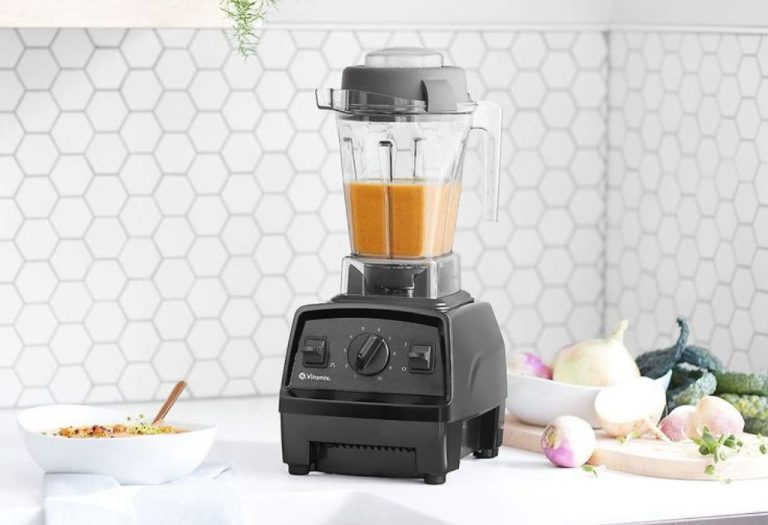
If you’re new to juicing, you might have noticed a strange odor when using your machine. That smell? It’s often because of a problem, and the question of why juicer burns smell is something many people wonder about. Don’t worry, it’s pretty normal! This happens to almost everyone at some point. This blog post will explore the most common causes and give you a simple, step-by-step approach to solve it. Keep reading, and we will get your juicer working efficiently again!
What Causes the Burning Smell in Your Juicer?
A burning smell coming from your juicer can be concerning, but it’s typically a sign of a few specific issues. It means something is getting too hot, and it’s a warning sign to take action before you damage your appliance. These problems can range from simple operational errors, like overloading the juicer, to more complex mechanical issues that might require a closer look. Knowing the underlying causes allows for quicker troubleshooting. Let’s explore the major reasons and how to address them.
Overloading the Juicer
One of the most frequent causes is putting too much produce into the juicer at once. Juicers are designed to process ingredients at a certain rate. When you force too much in, the motor strains. The blades struggle to chop and the motor has to work harder, which generates excessive heat. This can lead to a burning smell, reduced juicing efficiency, and even damage to the motor over time. Always feed ingredients at a measured pace to avoid overloading and overworking the components.
- Feeding Too Quickly: When you push produce through too fast, it doesn’t get properly processed. Instead, it jams the juicer, causing friction and heat.
- Large Chunks: Putting in large pieces of fruit or vegetables can also overload the juicer. Smaller, more manageable pieces allow the machine to process the ingredients smoothly.
- Inconsistent Sizing: If your pieces are very different sizes, this can also lead to uneven processing, straining the motor. Ensure you’re cutting ingredients consistently.
- Ignoring Recommended Amounts: Most juicers have a maximum capacity. Exceeding this limit leads to overheating. Check your juicer’s instructions and follow the guidelines.
Dull or Damaged Blades
The condition of the juicer’s blades plays a big role in its performance. Over time, blades can become dull from regular use. This causes them to work less effectively. Instead of cleanly slicing through produce, dull blades will crush and mash it, which increases friction and heat. The wear and tear can cause damage to the blade itself or other internal components. Regular maintenance, including cleaning and blade checks, is necessary. The burning smell can be a warning sign to inspect or replace the blades.
- Natural Wear and Tear: Blades will naturally dull over time. The speed with which this occurs depends on how often you juice and the types of produce you use. Harder vegetables wear down blades more quickly.
- Impact Damage: If a blade hits something hard, like a pit or a piece of ice, it can chip or bend. This damage increases friction and reduces juicing efficiency.
- Corrosion: Moisture and acidic juices can cause corrosion on metal blades, further impacting their sharpness and performance. Regular cleaning helps prevent this.
- Improper Cleaning: Using abrasive cleaners or scouring pads can damage the blade’s surface, speeding up dullness. Always use the recommended cleaning methods to preserve the blades.
Motor Overheating
Juicers rely on electric motors to operate, and these motors can overheat if they’re forced to work beyond their capacity. Several factors can lead to this, including overloading the machine, using it for too long, or mechanical issues within the motor itself. This overheating can result in a burning smell. Prolonged use without allowing the motor to cool down can cause permanent damage, leading to the juicer failing. It’s important to recognize the signs of overheating, allowing the appliance to cool, and addressing the root cause.
- Continuous Usage: Running the juicer continuously without breaks is one main factor that contributes to motor overheating. Allow the juicer to cool down after juicing for a while.
- Voltage Fluctuations: Irregularities in the electrical supply can strain the motor. Make sure your juicer is connected to a stable power source.
- Internal Component Failure: Problems like worn bearings or insufficient lubrication within the motor can also lead to overheating.
- Poor Ventilation: A juicer needs proper airflow to dissipate heat. Ensure the ventilation vents are clear and unobstructed.
Troubleshooting the Burning Smell in Your Juicer
When you notice a burning smell, it’s important to take immediate action to protect your juicer. Ignoring the issue could lead to more serious damage. This involves careful inspection and straightforward problem-solving steps. Here’s how to address the problem and restore your juicer to good working condition.
Safety First
The first step is always safety. Before doing any troubleshooting, make sure your juicer is unplugged from the power source. This ensures that you’re not at risk of electrical shock while working on the appliance. Once the appliance is unplugged, allow the juicer to cool completely. Handling a hot juicer can cause burns, so give it time to cool down. Check the exterior of the juicer for any visible damage. Also, make sure your hands are dry before handling the electrical plug.
- Unplugging: Never start troubleshooting without unplugging the juicer.
- Cooling Time: Let the juicer cool completely.
- Inspect for Damage: Visually check for any external damage.
- Dry Hands: Ensure your hands are dry when handling the plug.
Inspection and Cleaning
Once it’s safe to work on the juicer, the next step is a thorough inspection and cleaning. Begin by disassembling your juicer according to the manufacturer’s instructions. Carefully examine all the parts, including the blades, strainer, and any moving parts, for any signs of damage or wear. Look for any blockages, such as pieces of produce that might be stuck and causing friction. Clean each component thoroughly. Remove any residue that could be contributing to the burning smell. Cleaning not only prevents further issues but also helps improve juicing performance. Use the correct cleaning products for the components.
- Disassembly: Follow your juicer’s instructions to take it apart safely.
- Blade Examination: Check the blades for dullness, damage, and wear.
- Blockage Check: Look for any jammed produce.
- Thorough Cleaning: Clean all parts, following the manufacturer’s guide.
Testing and Addressing the Problem
After cleaning and inspection, it’s time to test your juicer. Reassemble the juicer and plug it in. Run the juicer with produce, but in smaller batches than usual, to see if the smell returns. If the burning smell is still there, it suggests a deeper problem. It might be time to check the motor. If the smell does not return, that means the problem was related to overloading or a buildup of residue. If the issue keeps coming back, then you will have to consider motor maintenance or replacement.
- Reassembly: Put the juicer back together following the manufacturer’s guide.
- Small Batch Test: Try juicing smaller amounts to see if the smell returns.
- Motor Check: Consider the motor’s condition if the smell continues.
- Consider a Professional: If the issue persists, consider professional help.
Preventing Future Burning Smells
Once you’ve addressed the current issue, it’s important to take steps to prevent it from happening again. Proper use and regular maintenance are key. Following these guidelines helps keep your juicer running efficiently for a longer period. This will save you time and money on potential repairs.
Proper Usage Guidelines
The way you use your juicer has a big impact on its lifespan and performance. Following the manufacturer’s instructions is the first step. You should always prepare your ingredients properly by cutting them into appropriate sizes. This makes it easier for the juicer to process them. Feeding produce at a moderate pace, rather than overloading the machine, will prevent it from getting overworked and overheating. Make sure you don’t use the juicer for longer than the recommended time. Knowing these guidelines and following them will keep your juicer in good condition.
- Follow Instructions: Always read and follow the juicer’s user manual.
- Prepare Ingredients: Chop produce into appropriate sizes.
- Feed at a Moderate Pace: Avoid overloading the juicer.
- Avoid Extended Use: Don’t run the juicer for extended periods.
Maintenance Routine
A good maintenance routine will help keep your juicer in top condition. Cleaning your juicer immediately after each use prevents residue from building up and potentially causing problems. Inspecting the blades regularly for dullness or damage will prevent efficiency issues. Lubricating moving parts, as needed, reduces friction and prevents wear. You should regularly check for other potential problems, such as loose screws or unusual noises. Creating and sticking to a routine will keep your juicer functioning at its best.
- Clean After Each Use: Clean the juicer immediately after each use.
- Blade Inspection: Regularly check the blades for damage.
- Lubrication: Lubricate moving parts as directed in the user manual.
- Regular Inspections: Check for any other issues or damage.
Juicer Selection and Quality
The juicer you choose can affect how often you run into problems. Opting for a higher-quality juicer often means better materials and design. This can lead to a more reliable and longer-lasting appliance. Research different types of juicers. Consider the features. Choose one that suits your juicing needs and habits. Always read reviews to learn about the experiences of other users. All of these factors will assist you in making an informed decision and finding the right juicer for you.
- Research Types: Explore different juicer types (centrifugal, masticating, etc.).
- Compare Features: Check the features that fit your juicing needs.
- Read Reviews: Learn from other users’ experiences.
- Prioritize Quality: Higher-quality juicers may be worth the investment.
| Juicer Type | Pros | Cons |
|---|---|---|
| Centrifugal Juicers | Fast, Affordable, Easy to Use | Less Efficient, Noisy, Oxidizes Juice Faster |
| Masticating Juicers | Higher Yield, Quiet, Slow Oxidation, Extracts More Nutrients | Slower, More Expensive, Can Be More Difficult to Clean |
Frequently Asked Questions
Question: Why does my juicer smell like it’s burning, even when I’m just starting to juice?
Answer: This often indicates the motor is straining before it even gets a chance to process produce. It’s important to ensure you’re not overloading the juicer. Also, check the blades to make sure they are not dull, and that there are no obstructions from the start.
Question: How often should I let my juicer rest while juicing?
Answer: It’s best to follow the manufacturer’s recommendations. Many juicers are designed for continuous use for only a few minutes at a time. This keeps the motor from overheating.
Question: Can I juice hard vegetables like carrots without causing a burning smell?
Answer: Yes, but preparation and pace are key. Cut carrots into small, manageable pieces. Feed them slowly to prevent overloading the juicer.
Question: What’s the best way to clean my juicer blades?
Answer: Always check the manufacturer’s instructions. Generally, use warm, soapy water and a soft brush. Avoid abrasive cleaners that can damage the blades.
Question: What should I do if the burning smell persists after troubleshooting?
Answer: If the smell continues, it may indicate a deeper mechanical issue. Consider getting your juicer repaired by a professional or replacing it, especially if it’s an older model.
Final Thoughts
Spotting a burning smell in your juicer can be concerning, but it’s typically due to solvable problems. The most common causes are overloading the machine, dull blades, or motor overheating. By understanding these issues, you can take effective steps to fix them. Always remember to unplug the juicer and let it cool before starting. Inspect the blades, clean all parts, and test again. Properly using and regularly maintaining your juicer are key to avoiding future issues. This includes cutting ingredients into manageable sizes, feeding them at a moderate pace, and keeping a cleaning schedule. With these easy steps, you can keep your juicer functioning at its best and enjoy fresh juice!

I’m Emma J. Caldwell, the founder, lead writer, and home-cooking enthusiast behind KitchenGuideCo.com. With a background in culinary arts and over a decade of cooking experience in both professional and personal kitchens, I created this platform to demystify recipes, offer smart kitchen gadget reviews, and guide readers through meal prep with confidence and clarity.