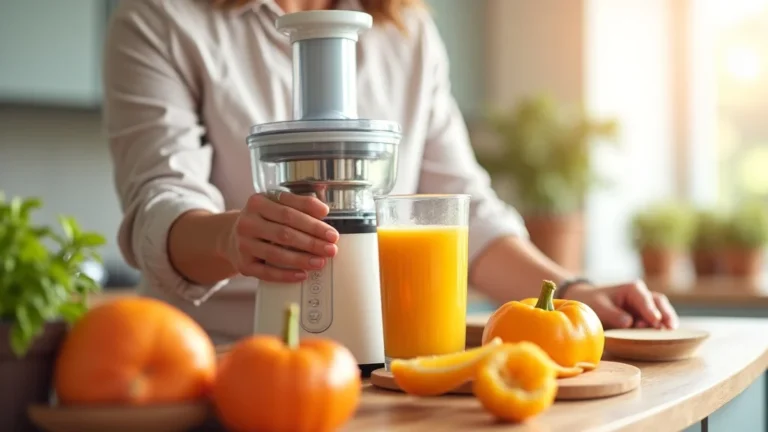
If you’re new to juicing, you might have run into a common problem: why juicer stops mid cycle. It can be frustrating when your machine suddenly shuts down while you’re trying to make a healthy drink. Don’t worry, it’s usually a simple fix! This guide will explore common issues and provide easy, step-by-step solutions to keep your juicer running smoothly. We’ll explore the main causes and provide practical ways to get your juicer working again. Let’s get started!
Common Reasons Your Juicer Shuts Down
Juicers, like any appliance, can stop working for a variety of reasons. These issues can range from something simple, like the juicer being overloaded, to more complex problems like motor failures. Many problems are easily fixed with a little troubleshooting. Knowing these common causes will help you diagnose the issue and often resolve it without needing professional help. These range from how you prepare your produce to internal components within the juicer.
Overloading the Juicer With Too Much Produce
One of the most frequent reasons your juicer might stop is overloading it with too much produce at once. Juicers are designed to process fruits and vegetables in batches. When you feed it too many items at the same time, it can cause the motor to struggle and eventually shut down. The juicer’s components become overwhelmed. This leads to a stall or a complete stop. This is a safety feature to prevent damage to the motor.
- Feeding in Large Pieces: Cutting fruits and vegetables into the correct size is essential. Large chunks can jam the juicer. They put extra strain on the motor.
- Overstuffing the Chute: Putting too many items into the chute at once blocks the process. This can lead to your machine stopping.
- High Fiber Content: Some vegetables, especially those with high fiber, are hard on a juicer. This can quickly clog it up.
To avoid this, always feed produce slowly. Cut your fruits and vegetables into smaller, manageable pieces before inserting them into the juicer. This will ease the strain on the motor and prevent it from stopping mid-cycle. Many juicer models come with recommended sizes in their user manuals.
Produce Preparation Issues
The way you prepare your produce plays a big role in how well your juicer operates. Produce that isn’t properly prepared can cause it to stop unexpectedly. It’s important to understand how different foods impact your juicer’s functionality. This makes a huge difference in the juicing process. Cleaning and cutting your produce impacts how the juicer works.
- Incorrect Sizing: Large pieces can jam the juicer. This stresses the motor, triggering the safety feature to switch off the appliance.
- Presence of Pits and Seeds: Pits and seeds from fruits like peaches or avocados can damage the juicer’s components. Always remove them.
- Unwashed Produce: Dirt and grit can cause jams. Cleaning helps to prevent unexpected stops.
Proper preparation not only keeps your juicer working. It also helps preserve its lifespan. By following these guidelines, you can significantly reduce the risk of your juicer shutting down prematurely. This ensures a smoother and more efficient juicing experience. It also prevents any potential damage to your machine.
Motor Overheating as a Cause
Juicer motors generate heat during operation, especially when processing tough or fibrous produce. Overheating is a common protective mechanism. It prevents the motor from being damaged. Understanding how your juicer’s motor works is essential to keep it in good condition. You should also recognize the signs of a motor that is getting too hot. This usually triggers the juicer to shut off to cool down and prevent harm to internal parts.
- Prolonged Juicing Sessions: Juicing for extended periods without breaks can cause the motor to overheat.
- Juicing Hard Vegetables: Certain vegetables require more power to process. Using these often can lead to a quicker increase in temperature.
- Insufficient Cooling Time: Restarting your juicer too quickly after it shuts down due to overheating can prevent it from properly cooling down.
To prevent overheating, it is wise to juice in intervals. Allow your juicer to rest for a few minutes between batches. This allows the motor to cool down. Also, be mindful of the type of produce you are using. Some require more power. This will help your juicer stay at a safe operating temperature. It will also help your motor last longer. This practice boosts your juicing experience.
Troubleshooting Steps When Your Juicer Shuts Down
When your juicer stops unexpectedly, several steps can help you get it running again. Begin with the simple fixes before moving to more complex ones. These steps cover everything from power supply issues to cleaning and internal inspections. This helps you identify the issue quickly. They also ensure the safety of your machine and yourself.
Checking the Power Supply and Connections
Before any internal checks, ensure the juicer has a stable power supply. This simple step often resolves the issue. A loose connection or power surge can disrupt the operation of your juicer. This is one of the easiest and most frequently overlooked solutions. This can save you time and potential repairs.
- Power Outlet Check: Verify the juicer is plugged into a working outlet. Try plugging another appliance into the same outlet to ensure it functions.
- Cord Inspection: Examine the power cord for any visible damage, such as cuts or frays. Damage can interrupt power flow, causing the juicer to malfunction.
- Circuit Breaker: Check your home’s circuit breaker to see if it has tripped. If so, reset the breaker and try the juicer again.
Correcting power supply issues is often the first step in diagnosing why your juicer stops mid cycle. By ensuring a stable and reliable power source, you can rule out a common problem and move on to other potential causes. This saves time and makes sure the juicer is getting the power it needs.
Clearing Blockages and Jams
Produce jams are a major reason juicers stop mid-cycle. These blockages can halt the juicing process. It’s often due to the buildup of pulp or incorrectly sized produce. Clearing these obstructions is vital to getting your juicer back in operation. It will also help the juicer work efficiently. Careful attention to this step prevents further damage and ensures smooth operation.
- Disassembly: Unplug the juicer. Take it apart according to the manufacturer’s instructions. This will allow access to all parts to clear any blocks.
- Pulp Removal: Use a spatula or cleaning brush to remove any pulp that has accumulated. Pay attention to the filter basket and around the blades.
- Blade Inspection: Check the cutting blades for any obstructions or damage. Remove any stuck items carefully to prevent injuries.
After clearing the blockages, reassemble the juicer. Ensure all parts are correctly positioned. Test the juicer with a small amount of produce. This makes sure it is operating smoothly and that the blockage was indeed the cause of the problem. This will confirm your efforts. And it is the most common reason.
Assessing the Motor and Internal Components
Sometimes the problem lies deeper within the juicer. The motor or other internal components might be causing the issue. These problems can be more challenging to resolve. But knowing how to examine these parts can help. This helps you find the problem. It also helps you decide if it needs to be repaired. You should always unplug the juicer and consult the manual before taking this step.
- Motor Examination: Check for any unusual smells. A burnt smell may indicate motor damage. In this case, professional repair is needed.
- Gear Inspection: Look at the gears. Check for wear and tear, or any signs of damage. Broken or worn gears can prevent the juicer from working.
- Internal Wiring: Inspect the wiring for any damage. Check for loose connections or frayed wires. These can affect the electrical supply to the motor.
If you find any serious issues with the motor or internal components, it is best to contact a professional for repairs. Trying to fix complex issues can be unsafe. It could also lead to additional damage. Regular maintenance and proper use can extend the life of your juicer.
Advanced Solutions and Prevention Methods
Beyond basic troubleshooting, there are advanced methods to keep your juicer functioning at its best. These include maintenance practices. They also involve understanding how to select the right produce and adjust your juicing habits. This can help to avoid frequent shutdowns and maximize the life of your appliance. These methods ensure efficiency and long-term use.
Regular Maintenance and Cleaning Procedures
Keeping your juicer clean and well-maintained is key to preventing problems. It also makes sure it performs efficiently over time. Regular cleaning eliminates pulp buildup. This helps prevent jams and reduces stress on the motor. Also, proper maintenance prevents wear and tear on components. This is why regular maintenance extends the juicer’s lifespan.
- Immediate Cleaning: Rinse components immediately after each use. This stops pulp from drying and sticking to the parts.
- Deep Cleaning: Disassemble the juicer regularly. Thoroughly clean all parts. Focus on the filter basket and blades.
- Lubrication: Refer to the manual for recommendations on lubricating moving parts. Proper lubrication helps the juicer operate smoothly.
Following these steps ensures your juicer stays in good condition. It also helps you avoid many of the issues that lead to unexpected shutdowns. Regular care also helps to improve the taste and quality of your juices. Cleaning often is critical.
Produce Selection and Preparation Strategies
How you choose and prepare your fruits and vegetables impacts juicing performance. Choosing the right produce and prepping it properly can greatly improve how your machine works. Careful selection and correct preparation reduces stress on the juicer. It also enhances the juicing process. The right selection and prep are essential for optimal juicing.
- Choose Fresh Produce: Opt for fresh, ripe fruits and vegetables. These generally yield more juice and are easier on the motor.
- Hard and Soft Produce Balance: Mix hard produce (like carrots) with soft produce (like oranges). This helps the juicer work smoothly.
- Pre-Cutting for Efficiency: Cut all produce into manageable sizes before juicing. This helps with the juicing process. This will also make sure the juicer does not shut down.
By using these strategies, you can improve juicing results. You can also prevent common problems that cause juicers to stop unexpectedly. Your juicer will work better. Your juices will taste better. Proper preparation and selection are essential for all juicing processes.
Understanding Juicer Types and Their Limitations
Not all juicers are made the same. Understanding the type of juicer you have helps you recognize its limitations. Some juicers are better suited for specific types of produce. Understanding your juicer’s design and features allows you to use it effectively. It will also help you avoid the common issues. The type of juicer impacts how you prepare your produce. It affects how the juicer works.
- Centrifugal Juicers: These are fast. They are effective for most fruits and vegetables. They may struggle with leafy greens.
- Masticating Juicers: Known as slow juicers, these extract more juice from leafy greens and tougher produce.
- Triturating Juicers: These use two gears to crush produce. They are highly efficient but slower.
Knowing your juicer’s type and its capabilities lets you use it correctly. This will help you get the most out of your machine. It also helps you extend its lifespan. It also prevents unexpected shutdowns. Learn your juicer’s specs.
Comparing Juicer Types and Their Performance
Each type of juicer has its strengths and weaknesses. The best choice depends on your specific juicing needs. Comparing the features of each kind can help you make an informed decision. You can optimize your juicing process and get the most juice from your produce.
| Juicer Type | Pros | Cons | Best For |
|---|---|---|---|
| Centrifugal | Fast, Easy to use, Affordable | Less efficient with leafy greens, Can be noisy | Fruits, Hard Vegetables |
| Masticating (Slow) | More efficient, Better for leafy greens, Preserves nutrients | Slower, Can be more expensive | Leafy Greens, Hard and Soft Produce |
| Triturating | Highest juice yield, Excellent nutrient retention | Slowest, Most expensive, Complex to clean | Leafy Greens, Wheatgrass |
Knowing the differences between juicer types helps you pick the right one. It also informs how you prepare and use your machine. This boosts your juicing experience. It also minimizes issues like why juicer stops mid cycle. These details help you make an informed choice.
Here are some real-life examples of how proper juicer care can prevent shutdowns:
- Case Study 1: A user frequently juiced celery without properly cleaning their centrifugal juicer afterward. Pulp buildup caused the motor to overheat and shut down. After changing to proper cleaning procedures, the juicer stopped shutting off.
- Case Study 2: A customer continually overloaded their juicer with large chunks of apples, leading to jams and shutdowns. By slicing the apples into smaller pieces, they eliminated this problem.
- Scenario 1: You prepare a juice with a lot of kale and spinach without cutting the greens properly, causing your juicer to stall. The slow juicer does a better job.
- Scenario 2: You’re trying to juice a mix of hard carrots and soft oranges in a centrifugal juicer. Without balancing the types of produce, the machine may get overloaded. Adjusting the combination can prevent it from stopping.
Frequently Asked Questions
Question: Why does my juicer stop after only a few seconds?
Answer: Your juicer may be stopping after a few seconds due to overloading. Put too much produce into the machine at once. Cut fruits and vegetables into the right sizes. Make sure the chute isn’t stuffed.
Question: Can I juice whole fruits and vegetables?
Answer: It’s best to cut fruits and vegetables into smaller pieces. Smaller pieces reduce strain on the motor. This prevents jams. Always remove seeds and pits. This will prevent damage.
Question: How often should I clean my juicer?
Answer: Clean your juicer right after you use it. Rinse the parts to stop pulp from drying. Do a thorough deep cleaning after a few uses. This keeps the juicer running well.
Question: What if my juicer has a burning smell?
Answer: If you notice a burning smell, turn off your juicer immediately. This could mean the motor is damaged. Contact a professional to fix it. Do not attempt to use it until it has been serviced.
Question: My juicer starts and stops. What’s wrong?
Answer: This may be due to a loose connection or the motor overheating. Check the power supply and let the juicer cool down between uses. Also, check the parts to be sure the internal components are working.
Final Thoughts
Understanding why juicer stops mid cycle is the first step toward enjoying smooth juicing sessions. It’s often due to overloading, incorrect produce preparation, or the motor overheating. By carefully preparing your ingredients, cleaning your juicer regularly, and following these troubleshooting steps, you can prevent these issues. Remember that slow and steady is often the best approach to juicing. Taking the time to properly prepare your ingredients. And taking care of your machine will reward you with a reliable and efficient juicing experience. With the right care and maintenance, your juicer will continue to provide you with healthy and delicious juices for many years. Keep juicing!

I’m Emma J. Caldwell, the founder, lead writer, and home-cooking enthusiast behind KitchenGuideCo.com. With a background in culinary arts and over a decade of cooking experience in both professional and personal kitchens, I created this platform to demystify recipes, offer smart kitchen gadget reviews, and guide readers through meal prep with confidence and clarity.