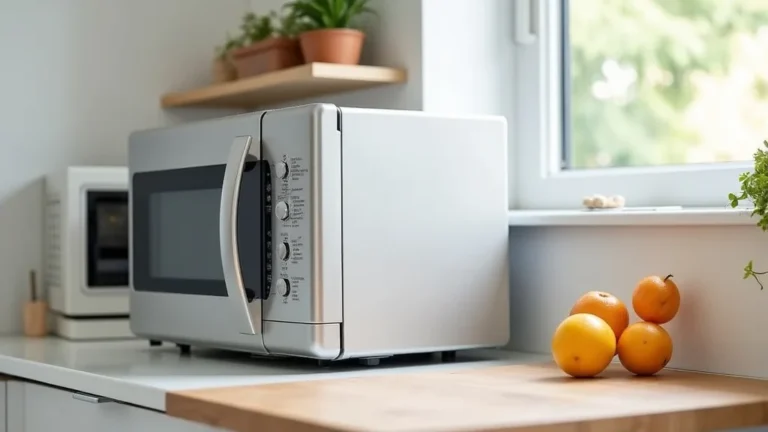
Many folks wonder why microwave door gets hot. It’s a common concern, especially if you’re new to using one. It might seem strange or even a bit scary. But don’t worry, it’s usually normal, and we’ll explore why. This post will give you a simple, step-by-step view of how microwaves work and why heat is a natural part of the process. We’ll explore the causes and offer practical solutions so you can feel confident and safe using your microwave. Let’s get started!
Key Takeaways
- Microwave doors get hot because of the energy conversion process.
- The door’s design helps keep microwave radiation inside.
- Common issues like food splatters and vent blockage can raise the door’s temperature.
- Checking for seal damage is important for microwave safety.
- Cleaning and proper use can help manage the heat.
- Understanding these principles allows for safe and effective microwave use.
The Science Behind Microwave Heating
Microwaves use electromagnetic radiation, a type of energy, to cook food. This radiation is a lot like radio waves, but with a shorter wavelength. When the microwave is turned on, a component called a magnetron generates these waves. These waves bounce around the inside of the microwave oven, and that’s when the magic happens! The microwaves interact with the water molecules in your food. Water molecules have a positive and a negative side, like tiny magnets.
The microwaves cause these water molecules to rapidly flip back and forth. This constant motion creates friction, and friction produces heat. This heat then cooks your food from the inside out. Different types of foods have varying amounts of water, explaining why some foods cook faster than others. For example, foods high in water content, like fresh vegetables, cook quickly compared to drier foods like bread.
How Microwaves Produce Heat
The primary reason for a hot microwave door stems from the energy conversion process. When the magnetron produces the microwaves, not all the energy is absorbed by the food. Some of this energy reflects off the food and the walls of the microwave. The microwaves bounce around, eventually hitting the door. The door absorbs some of this energy, turning it into heat. The heat that develops is generally not enough to cause any safety hazards, and the heat buildup is normal.
- Magnetron’s Role: The magnetron is the heart of the microwave, converting electrical energy into microwaves.
- Energy Absorption: The water molecules within food absorb the microwave energy, generating heat.
- Reflected Energy: Some of the microwave energy bounces off food and the oven’s interior, hitting the door.
The Role of Waveguides and Cavity Design
Microwaves are designed to contain the microwave radiation inside, and a lot of that has to do with the waveguide and cavity design. Waveguides are like pathways that direct the microwaves from the magnetron to the inside of the oven. The cavity, which is the internal space of the microwave where food is placed, is designed to reflect the microwaves in a way that helps to cook food evenly. Think of it like a perfectly designed box for bouncing the microwaves around.
The interior walls are typically made of metal, which reflects the microwaves effectively. The reflected waves help to cook the food from all sides, and the design ensures that most of the radiation remains inside the oven. The microwave door is a key component to keeping those waves inside. The door is usually made up of layers of materials designed to absorb and deflect microwave radiation. The mesh or screen on the inside of the door is designed to prevent microwave radiation from leaking out.
- Waveguide Function: Directs microwaves from the magnetron into the oven cavity.
- Cavity Design: The internal structure ensures even heating and reflects microwaves.
- Metal Interior: The metallic walls are designed to reflect the microwave energy.
Microwave Safety Standards
Microwave ovens undergo several tests to ensure they meet safety standards. The door is the most important part of the microwave, as it prevents the microwaves from escaping and causing any harm. Regulations control how much radiation can leak out, and microwaves are tested to ensure they stay within those safety limits. During testing, the amount of radiation that escapes is measured. If the radiation exceeds the permitted amount, the microwave cannot be sold.
Most microwave doors have a mesh screen covering the inside of the door. This screen lets you see inside the oven, but it also helps to block the microwaves. Microwaves can’t easily pass through small holes, so the mesh helps keep the radiation inside. It’s important to keep the door and its seals clean to make sure they function correctly. Any damage can affect how the door seals and could lead to unwanted radiation leakage. Also, there are safety interlocks, which are switches that automatically turn off the microwave when the door is opened.
- Radiation Leakage Limits: Safety standards restrict the amount of microwave leakage allowed.
- Testing Procedures: Microwaves are tested for leakage to make sure they’re safe.
- Door and Seal Importance: Proper door and seal condition are critical for safety.
Why Microwave Doors Get Hot
The reason why why microwave door gets hot is usually normal, but it’s caused by a few different factors. One of the main reasons is the way microwaves work. As we said before, microwaves bounce around inside the oven and some of that energy gets absorbed by the door, which then heats up. Also, the door is often the closest thing to the food, which means the door can absorb a lot of the heat from the cooking process. Other things like food splatters and the way the microwave is set up can also affect how hot the door becomes.
Another factor is the type of food being cooked. Foods with high-water content, like soup or vegetables, may produce more steam. This steam can create more heat around the door. The cooking time also plays a part. Longer cooking times mean more energy is being used, which can heat up the door more. It’s important to remember that some heat is normal, but excessive heat could indicate a problem.
Heat Absorption from Radiation
The primary reason for a hot microwave door is its ability to absorb radiation. While the design aims to keep microwaves inside, a tiny bit of the energy is always absorbed by the door. The door contains materials, often plastics and metals, that interact with the microwave energy. The microwave energy is converted into heat, and this is why the door can feel warm or hot after use. The amount of heat generated also depends on the power and duration of use.
The mesh or screen on the door is made of metal and is designed to block microwaves. This mesh also absorbs some of the microwave energy, contributing to the door’s temperature. The mesh is made of a material that is designed to absorb the microwave energy, and this is another reason why the door can feel warm or hot. For this reason, the door is designed to withstand a certain amount of heat. However, it’s essential to check the door for damage regularly.
- Energy Conversion: When the microwave energy hits the door, it’s turned into heat.
- Material Interaction: Door materials like plastics and metals absorb energy.
- Mesh Screen: The screen absorbs some microwave energy, which adds to the heat.
Food Splatters and Steam
Food splatters can play a big part in why the microwave door gets hot. When food splatters on the inside of the microwave, it can affect how the microwaves bounce around. Splatters can also hit the door directly, increasing its temperature. These splatters can also get in the way of the door’s seals, which are made to stop any energy from escaping. Cleanliness matters!
Steam from cooking food can also raise the temperature of the door. High-water content foods like soups or stews create a lot of steam. This steam can condense on the door and release more heat. For example, if you’re cooking a bowl of soup for several minutes, you might notice that the door is warmer. This is because the steam is heating the door from the inside.
- Splatter Impact: Food splatters can absorb and redirect energy, increasing heat.
- Seal Issues: Splatters can impact the seals, contributing to heat.
- Steam Condensation: Steam creates additional heat on the door’s surface.
Ventilation and Internal Airflow
Ventilation is a crucial factor in the design and operation of a microwave. Airflow helps to remove excess heat generated during cooking. Microwaves have vents, often located on the sides or top, to allow heat to escape. If these vents are blocked, the heat can’t escape properly, and the door might become hotter. A blocked vent can lead to the microwave overheating and reducing its life.
Internal airflow is also designed to help circulate air inside the microwave cavity. This circulation helps to even out the temperature and prevent hot spots. If the airflow is obstructed, the heat might not be distributed evenly, leading to a hotter door. It’s essential to ensure that nothing blocks the vents and that the internal airflow is not obstructed. A microwave with good ventilation will have a door that is less likely to become excessively hot.
- Ventilation System: Microwaves have vents to release heat.
- Blocked Vents: Blocked vents can trap heat, making the door hotter.
- Airflow Function: Proper airflow helps distribute heat evenly.
Troubleshooting and Solutions
If you’ve noticed that your microwave door is getting hotter than usual, there are things you can do to troubleshoot the problem. First, check your microwave door for any visible damage. Look for cracks, dents, or gaps in the seal. These defects can lead to heat leakage and can impact the safety of the microwave. Carefully clean your microwave, making sure to remove any food splatters that might be affecting the way the door seals. These simple steps can solve many issues.
If the door is still unusually hot after checking these simple steps, consider reducing cooking times. Overcooking can lead to excessive heat buildup. Make sure your microwave is placed in an area with good ventilation. Don’t block the vents and ensure that there is enough space around the microwave to let the heat escape. It may also be time to have it inspected by a professional if the door’s temperature is a continuous problem.
Inspecting the Door and Seal
A good starting point when assessing a hot microwave door is the door and seal. Examine the door’s surface for any visible damage, such as cracks or dents. These problems can compromise the door’s ability to keep the microwave radiation contained, which can lead to increased heating. Check the seal around the door; it is often made of rubber or a similar material. The seal is essential for keeping the microwaves inside the oven. If the seal is damaged, it may not close properly, leading to heat buildup.
Wipe the seal clean with a damp cloth to make sure it’s free of food or grease. Debris can prevent the seal from creating a tight closure. Place a dollar bill inside the microwave door and close the door. Try to pull the bill out. If it slides out easily, the seal may be damaged. A good seal should grip the bill firmly. If you spot any damage, you might consider getting a replacement.
- Visual Inspection: Check for cracks, dents, or other damage on the door’s surface.
- Seal Integrity: Examine the seal for any wear or gaps that could compromise its function.
- Seal Cleaning: Clean the seal to ensure that it has a good grip.
Cleaning and Maintenance
Cleaning your microwave regularly and properly is essential for ensuring its good operation. Food splatters, grease, and other debris can interfere with how your microwave works. They can also impact how the door and seal function. After each use, wipe down the inside of the microwave, including the door and the interior walls. Use a soft, damp cloth and mild soap or a microwave-safe cleaning solution.
Pay close attention to the door and seal, making sure to remove any food particles. Avoid using abrasive cleaners, which can damage the surfaces. Never use harsh chemicals or strong solvents, as they could be harmful. A clean microwave not only works better but also lasts longer. Regular cleaning can help prevent the buildup of heat and ensure the safe use of your microwave.
- Regular Cleaning: Wipe down the inside after each use to remove food and residue.
- Specific Areas: Focus on the door, seal, and interior walls.
- Gentle Cleaners: Use soft cloths and mild cleaning solutions.
Cooking Habits and Best Practices
Changing your cooking habits and following best practices can help reduce the heat on your microwave door. Avoid overcooking food, as prolonged cooking times increase the heat buildup. Use the appropriate power settings. If possible, use lower power settings for longer cooking times, as this can often lead to more even heating and less stress on the microwave. Allow food to rest after cooking before opening the door.
Use microwave-safe containers that let steam escape to help keep the door cool. Don’t use containers that are not meant for the microwave, as they can lead to uneven heating or even damage to the microwave. When cooking, place the food in the center of the microwave to help with even heating. Be sure to check the food during cooking and remove it when it’s done. By using your microwave correctly, you can help it run smoothly and avoid excessive heat.
- Avoid Overcooking: Use the right cooking times for your food.
- Proper Containers: Use microwave-safe containers for food safety.
- Power Settings: Use the right power settings to reduce heat buildup.
When to Seek Professional Help
If you’ve noticed that your microwave door is still getting very hot even after trying the troubleshooting steps, it might be time to get help. If you’ve examined the door, cleaned the inside, and checked your cooking habits, there still might be an issue. In that case, the problem might be more complex and require the attention of a professional appliance repair technician. A professional technician has the skills and equipment to perform a thorough examination of the microwave and identify any underlying problems.
If you notice any of these signs, seek out professional help: unusual noises or smells coming from the microwave, frequent sparking, or any visible damage inside the microwave. A professional can help identify the source of the problem and make any necessary repairs or replacements. A professional inspection can give you peace of mind by making sure that your microwave is safe and functioning correctly.
Signs of a Serious Problem
Certain signs suggest a more significant issue and that you should consider having your microwave checked out by a professional. If you hear unusual noises, such as buzzing, humming, or crackling, this may be a warning sign. These sounds could indicate a malfunction in the magnetron or other internal components. Strange smells, such as burning plastic or electrical odors, are also warning signs. These smells may suggest that some parts inside the microwave are overheating or burning.
If you see any visible damage, such as sparking, smoke, or a distorted interior, this also requires immediate attention. These are indicators that your microwave may have an electrical issue, and it’s best to switch off the microwave. A professional technician can conduct a comprehensive inspection to pinpoint the source of these problems and carry out any necessary repairs. Do not attempt to fix serious issues yourself unless you have the right training.
- Unusual Noises: Strange sounds might indicate a mechanical problem.
- Burning Smells: Burning smells could indicate a significant electrical issue.
- Visible Damage: Sparks or smoke can point to safety hazards.
Safety Precautions and Expert Inspections
When you seek professional help, it’s essential to follow all safety precautions. If you see any signs of a problem, switch off your microwave and unplug it from the power outlet. Do not try to repair it yourself unless you have the necessary knowledge and experience. Always be cautious when handling appliances, particularly those that use electricity. A qualified technician will have the skills, experience, and tools to safely assess and repair your microwave.
A professional inspection can give you peace of mind, ensuring that your microwave is safe and working correctly. The technician will examine the door, seals, and internal components to identify any possible risks. They can also test for any microwave leakage to make sure it meets safety standards. They may also be able to provide maintenance advice to keep your microwave in good shape. Do not hesitate to seek help if you’re worried about your microwave’s functionality. Your safety is a priority.
- Unplug for Safety: Always unplug your microwave before any inspection or repair.
- Avoid DIY Repairs: Only professionals should perform any internal repairs.
- Professional Inspection: A professional check ensures the safe operation of your microwave.
Frequently Asked Questions
Question: Is it normal for the microwave door to get hot?
Answer: Yes, it’s usually normal for the door to feel warm during or after use. This heat is caused by energy absorption.
Question: What should I do if the door feels very hot?
Answer: Check the door for any visible damage, ensure the vents are clear, and reduce cooking times. If the issue keeps happening, call a pro.
Question: How often should I clean my microwave?
Answer: It’s a good idea to wipe the inside of your microwave after each use and deep clean regularly.
Question: Can I use any container in the microwave?
Answer: No. Only use containers that are labeled as microwave-safe. Avoid metal containers.
Question: Should I be worried if I see sparks inside the microwave?
Answer: Yes. Stop using the microwave immediately and have it examined by a professional.
Final Thoughts
So, we’ve explored the reasons why the door of your microwave might get warm, and how you can manage it. We’ve seen that some heat is normal, because of the way microwaves cook food and the construction of the door itself. From the absorption of the energy to the food splatters, these things contribute to the warming process. You’re now also armed with tips to troubleshoot and ensure your appliance works safely. Remember to keep the inside clean, look for any damage, and use the right containers.
If your microwave door is getting hotter than usual, there are things you can check on your own. If you have any concerns, don’t hesitate to get in touch with a professional. You can cook with peace of mind by remembering these key points. By following these steps, you can use your microwave safely and effectively. Feel confident in your kitchen, and enjoy your delicious, perfectly cooked meals!

I’m Emma J. Caldwell, the founder, lead writer, and home-cooking enthusiast behind KitchenGuideCo.com. With a background in culinary arts and over a decade of cooking experience in both professional and personal kitchens, I created this platform to demystify recipes, offer smart kitchen gadget reviews, and guide readers through meal prep with confidence and clarity.