It’s super common to open your microwave after heating food and see water droplets. If you’ve ever wondered why microwave has condensation, you’re definitely not alone! It can seem confusing at first, but don’t worry. This guide makes it easy to grasp. We’ll explore the science behind it and offer a step-by-step method to keep your microwave clean and your food perfect. Let’s get started!
Key Takeaways
- Learn the fundamental reason behind condensation in your microwave.
- Discover how the type of food impacts condensation formation.
- Understand how to prevent or reduce condensation after heating.
- Find out why microwave condensation is generally not a cause for concern.
- Explore the best ways to clean your microwave to avoid any issues.
The Science of Condensation in Microwaves
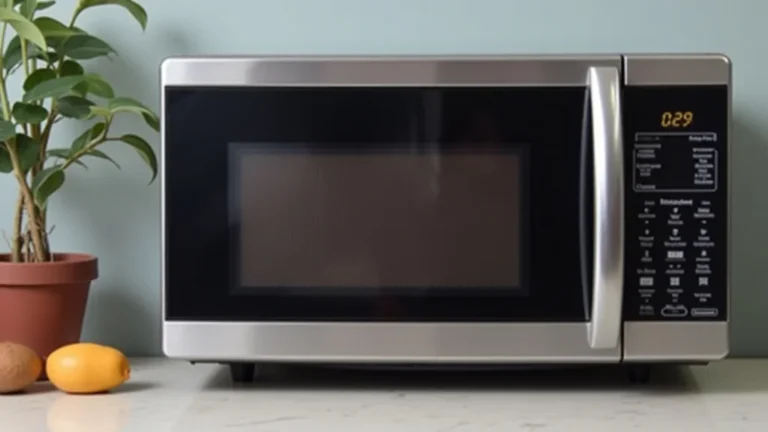
When you use your microwave, you’re essentially heating food by causing water molecules inside to vibrate really fast. This rapid vibration creates heat, cooking your meal. But this process also releases a lot of moisture, which turns into steam. This steam then cools down when it hits the cooler surfaces inside the microwave, like the walls, the door, and the top. As the steam cools, it changes back into liquid water, forming those droplets you see. It’s a simple process of evaporation and condensation, happening right before your eyes. Think of it like a mini water cycle happening inside your kitchen appliance. The higher the water content in your food, the more steam and, therefore, the more condensation you’ll observe.
Heat and Moisture Interaction
The core reason behind why microwave has condensation is a direct result of how microwaves heat food. The microwaves target water molecules, causing them to move around and generate heat. This is very effective for cooking, but it also releases the water within the food as vapor. The amount of water vapor produced corresponds to how much moisture your food contains. For instance, foods like soups, vegetables, and anything with a high water content will generate more steam. This steam eventually hits the cooler surfaces of the microwave and transforms back into water droplets. It’s a natural consequence of the heating process and shows that your microwave is actually working properly.
- The microwaves cause water molecules in food to vibrate, producing heat.
- High-water-content foods create more steam during cooking.
- Steam cools on the cooler microwave surfaces.
- This cooling steam condenses into water droplets.
- Condensation levels depend on the food’s moisture content.
The Role of Food Types
Different foods act differently when microwaved, and this affects the amount of condensation. Foods with a lot of natural moisture, like fresh vegetables or soups, create more steam. When you heat up a bowl of leftover chili, you’ll likely see more water than when you’re warming up a slice of pizza. Even the way you cover your food plays a role. Using a lid or microwave-safe cover traps the steam inside, which can lead to more condensation on the lid itself. Understanding these food-related variations can help you anticipate how much condensation to expect and adjust your cooking methods accordingly. It’s all part of learning the microwave game.
- Foods with high water content produce more steam.
- Vegetables, soups, and stews often lead to more condensation.
- Low-moisture foods, like pizza, create less steam.
- Covering food traps steam, increasing condensation on the cover.
- Experimenting with different foods helps you learn what to expect.
Ways to Handle Microwave Condensation
Dealing with condensation in the microwave is usually easy. First, you should wipe down the interior and the door with a damp cloth after each use. This removes any lingering moisture and prevents mold or mildew from growing. To reduce the amount of condensation, consider using a cover, or slightly venting the lid. Make sure you don’t overcook your food, since this can increase the release of water vapor. By using these simple steps, you can keep your microwave clean and your food tasting great. It’s all about making small adjustments that add up.
Cleaning and Maintenance
Keeping your microwave clean is simple and makes a big difference. After each use, let the microwave cool down a bit. Then, wipe down the inside, including the walls, the ceiling, and the door, with a damp cloth or sponge. For tougher messes, you can use a solution of water and vinegar. Place a microwave-safe bowl with a mixture of water and vinegar inside, then run the microwave for a few minutes. The steam will loosen up any dried-on food. It also cleans the inside without harsh chemicals. Always make sure to clean the inside regularly to prevent stains and unpleasant smells from lingering. Regular cleaning helps you handle the why microwave has condensation issue effectively.
- Wipe the microwave interior after each use with a damp cloth.
- Use water and vinegar to clean for tougher messes.
- Run a microwave-safe bowl with the solution for a few minutes.
- Regular cleaning prevents stains and odors.
- Consider the type of foods being cooked to prevent spills and splatters.
Reducing Condensation
You can manage the amount of condensation in your microwave with a few easy steps. First, try using a microwave-safe cover over your food. This prevents steam from escaping and spreading around the microwave. If you’re using a lid, you can also slightly vent it to let some steam escape, reducing the amount of moisture that condenses. Consider the cooking time. Overcooking can lead to more steam and condensation, so start with the recommended time and check your food. Simple actions like these can help you handle the why microwave has condensation problem and keep your microwave in great shape.
- Use a microwave-safe cover to contain steam.
- Vent the lid to allow some steam to escape.
- Avoid overcooking food to reduce steam production.
- Adjust cooking times based on the food and power settings.
- Experiment with methods to discover what works best for your needs.
Is Microwave Condensation a Problem?
Generally, condensation in your microwave isn’t a problem. It’s a natural result of the heating process and shows that your appliance is working the way it should. However, too much moisture can cause some issues over time if not handled properly. Excessive moisture could lead to mold or mildew growth, especially in areas that don’t dry out. It’s important to keep the microwave clean and dry to prevent any problems. Just a quick wipe after each use is often enough to keep things fresh. It’s really about maintaining your microwave and keeping it in good shape.
Common Concerns
While condensation is common, some concerns can come up. The main worry is that extra moisture can cause mold or mildew to form. This is particularly possible if the microwave isn’t cleaned often or if it’s used to cook things with a lot of moisture. Mold can cause unpleasant smells, and it is not a good idea for your health. Another thing to consider is the possibility of damage to the internal components. Even though the microwave is designed to handle some moisture, persistent dampness can, in the long run, affect performance. Routine cleaning and good care can help resolve these common concerns. It’s all about keeping things clean and dry to avoid trouble.
- Excessive moisture can cause mold or mildew.
- Mold can lead to unpleasant smells and potential health risks.
- Persistent dampness may affect the components inside.
- Routine cleaning is important to prevent problems.
- Ensure the microwave is completely dry after cleaning.
Troubleshooting Condensation Issues
If you find that condensation is a constant issue, there are a few things you can look at. First, make sure you’re not overcooking your food. Overcooking leads to extra steam and, thus, more condensation. Check the door seal to be sure it’s intact. A damaged seal can cause steam to escape, which can lead to moisture building up inside. Cleaning and proper maintenance is crucial to addressing condensation problems. Consider adjusting your cooking habits or adding a cover to control steam. It’s usually something simple, but identifying and dealing with it can make a big difference in how you use your microwave. Understanding why microwave has condensation helps to identify solutions.
- Ensure you’re not overcooking food, as this increases steam.
- Check the door seal for any damage that may allow steam to escape.
- Clean the microwave regularly to remove excess moisture.
- Consider the use of a cover to help trap steam and reduce condensation.
Frequently Asked Questions
Question: Why is there so much water in my microwave?
Answer: It means you’re likely heating foods with high water content, like soups or vegetables. The microwave process creates steam, which then turns into water when it cools down on the microwave’s surfaces.
Question: Can condensation damage my microwave?
Answer: Usually, no. Microwaves are designed to handle some moisture. However, excessive or prolonged dampness may cause problems over time, so regular cleaning is key.
Question: How can I prevent condensation in my microwave?
Answer: You can use a microwave-safe cover, vent lids slightly, and avoid overcooking food. Regular cleaning helps reduce it, too.
Question: What if I see mold in my microwave?
Answer: If you spot mold, immediately stop using the microwave. Clean it thoroughly with a water and vinegar solution, ensuring all traces of mold are removed.
Question: Is condensation harmful to my food?
Answer: No, the condensation itself isn’t harmful. But it can make your food a bit soggy. Using a cover can help keep your food drier.
Final Thoughts
So, now you’ve got the scoop on why microwave has condensation! It’s a natural result of the heating process, caused by steam turning back into water. While it’s not a major issue, a little care and attention go a long way. Keeping your microwave clean and dry will prevent any problems, like mold. Remember to wipe it down after each use, use covers when cooking, and avoid overcooking food. By following these simple steps, you can keep your microwave working well and your food tasting great. It’s all about a bit of simple maintenance!

I’m Emma J. Caldwell, the founder, lead writer, and home-cooking enthusiast behind KitchenGuideCo.com. With a background in culinary arts and over a decade of cooking experience in both professional and personal kitchens, I created this platform to demystify recipes, offer smart kitchen gadget reviews, and guide readers through meal prep with confidence and clarity.