It’s a common kitchen problem: you heat something up, and suddenly, why microwave smells like smoke fills the air. It can be a little concerning, especially if you’re not sure what’s going on. This is especially challenging for beginners, who may not be familiar with all the signs of microwave trouble. But don’t worry! This guide will break down the most common causes and how to fix them. We will walk you through a simple, step-by-step process. Let’s find out what you need to do.
Key Takeaways
- Discover the usual reasons for smoky smells in your microwave.
- Learn how to spot potential problems and fix them.
- Understand how to clean your microwave properly to prevent issues.
- Find out how to avoid future smoke-related incidents.
- See how to recognize when it is time to replace your microwave.
- Get answers to your common questions about microwave smoke.
Common Reasons Your Microwave Smells Like Smoke
One of the first things to consider when your microwave starts to smell like smoke is what you were cooking. Did something burn? Did something splatter? These basic questions are important. However, sometimes the cause is more complicated. The smell could originate from the food itself, the components within the microwave, or a combination of both. Let’s explore the typical causes.
Food-Related Issues
Often, the food is the culprit. We all have moments when we forget about what’s cooking. The food dries out and burns. Food can also splatter and burn on the interior of the microwave. The more we cook, the more likely this is. It’s often the simplest reason for a smoky smell, but it’s important to understand the details. A thorough review of your last cooking session is important.
- Burnt Food: This is the most common reason. Something inside gets overcooked, chars, and releases a smoky odor.
- Splattered Food: Leftover food particles can splatter inside the microwave and burn during subsequent uses.
- Incorrect Cookware: Using materials not meant for microwave use can lead to burning, melting, and smoke.
Burnt food creates smoke because of the high temperatures reached during the cooking process. When organic materials, like food, are exposed to excessive heat, they begin to break down, releasing volatile compounds that we perceive as smoke. The type of food impacts the smoke. For instance, high-sugar foods burn and smoke more quickly than foods with more water content. This makes the cooking experience less than ideal.
Food splatters inside your microwave during heating. If these splatters aren’t cleaned up, they can burn and cause a smoky smell. This happens as the microwave continues to heat during its operation. When food particles are exposed to the heat of the microwave, they dry out, char, and eventually burn, creating smoke. Regular cleaning of the microwave helps to prevent this from happening.
Not all materials are safe for microwave use. Many containers are not suitable for high-heat environments. Plastic that isn’t microwave-safe, metal, or certain types of paper can catch fire or melt, causing smoke. Always check the cookware label. Using the right containers helps ensure that your food heats safely and that your microwave stays in good condition.
Microwave Component Problems
Sometimes, the problem isn’t the food, but something inside the microwave itself. A range of factors can cause electrical components to overheat. This can result in a smoky smell. It’s important to identify these issues early to prevent more serious damage. Regular maintenance and careful operation can help prolong the life of your microwave and avoid such problems.
- Magnetron Failure: The magnetron generates microwaves. If it goes bad, it can overheat and emit smoke.
- Capacitor Issues: Capacitors store electrical energy. A faulty capacitor can also overheat and smoke.
- Wiring Problems: Loose or damaged wires can spark and burn, producing a smoky odor.
The magnetron is a key component of a microwave. It produces the microwaves that cook your food. When the magnetron starts to fail, it can overheat. This overheating can lead to a smoky smell and, eventually, complete failure of the microwave. The lifespan of a magnetron depends on usage, but most magnetrons have a useful life. If you smell smoke, the magnetron may be the cause.
Capacitors in a microwave store electrical energy. They help regulate the power supply. A capacitor that is starting to malfunction can release smoke. If a capacitor overheats, it can damage other components in the microwave. This can impact the microwave’s performance. You might notice the microwave isn’t heating properly. A faulty capacitor can sometimes result in a popping sound.
The wiring inside your microwave is essential for its operation. Over time, wires can become loose. They can also become frayed or damaged. When this happens, it can lead to sparking and overheating. If a wire shorts out, it can generate enough heat to cause the insulation to burn and release a smoky smell. It is always wise to inspect for this kind of problem when your microwave starts to smoke.
How To Address The Smoky Smell
When you encounter a smoky smell from your microwave, take immediate action to address it. Your safety is most important. The steps you take now can protect you, your kitchen, and your microwave. Proper cleaning and maintenance are essential. Let’s look at the steps to take when you smell smoke.
Safety First
Before doing anything else, safety is the top priority. Always unplug the microwave from the electrical outlet. This prevents any further electrical problems. It also stops any potential burns. When your microwave smells like smoke, you must be cautious. The following steps will keep you safe during the process.
- Unplug the Microwave: Disconnect the microwave from the power source immediately. This helps prevent electrical shock and further damage.
- Let It Cool: Allow the microwave to cool down before opening the door or inspecting it.
- Ventilate the Area: Open windows and doors to get rid of the smoke smell.
This is the first and most important step. Disconnecting the microwave removes any chance of electrical shock while you inspect or clean it. It also halts the electrical flow, preventing the existing problem from getting worse. Always wait a few minutes after unplugging before touching any components inside the microwave. This gives the internal parts time to cool down.
Microwaves heat up during operation, and some components can get extremely hot. Letting the microwave cool down reduces the risk of burns. It also helps prevent any lingering smoke from spreading more. A good rule of thumb is to wait at least 15-20 minutes. This gives things sufficient time to cool.
Ventilating the area is a crucial step for your comfort and safety. Smoke can irritate your eyes, nose, and throat. Opening windows and doors will help clear the air and reduce the smell. This also helps to prevent smoke particles from settling on surfaces throughout your kitchen. Running a fan can speed up this process.
Cleaning and Inspection
Once you are safe, take the time to clean and inspect the microwave. Proper cleaning often solves the immediate problem, especially if food caused the smoke. Inspecting the interior for damage can help you find out if there’s a more significant problem. Always use safe cleaning methods and be careful during the inspection process.
- Clean the Interior: Wipe down the inside of the microwave to remove food residue.
- Inspect for Damage: Look for burnt areas, melted plastic, or any visible damage.
- Check the Vent: Make sure the vent is clear of any obstructions.
Food splatters and spills burn and cause smoke. Start by removing any loose food particles. Then, use a damp cloth or sponge and a mild cleaning solution. Focus on removing any burnt food or splatters. Pay attention to the top, bottom, and sides. A clean microwave helps ensure it operates safely and efficiently. Never use abrasive cleaners, as they can damage the interior.
Carefully inspect the interior of your microwave. Look for signs of damage that might have caused the smoky smell. These could include burnt areas, melted plastic, or sparks. Pay close attention to the interior walls, the turntable, and the area around the door. If you find any damage, it may be time to seek professional help or consider replacing the microwave.
Microwaves have vents to release heat and prevent overheating. These vents are typically on the side or the top of the microwave. Check to ensure the vent isn’t blocked. A blocked vent can cause the microwave to overheat, leading to a smoky smell. Clean any dust or debris from the vent using a soft brush or a vacuum cleaner. Keeping the vent clear is important for the microwave’s performance.
Testing and Preventive Measures
After cleaning and inspecting your microwave, the next step involves testing it to see if the problem has been fixed. Also, taking preventative steps can reduce the likelihood of this happening again. Testing carefully and practicing preventive measures protects your microwave. It also helps you maintain a safe cooking environment.
- Test with Water: Heat a cup of water to see if the microwave works properly.
- Avoid Overheating Food: Never leave food unattended while microwaving.
- Use Microwave-Safe Containers: Always use containers designed for microwave use.
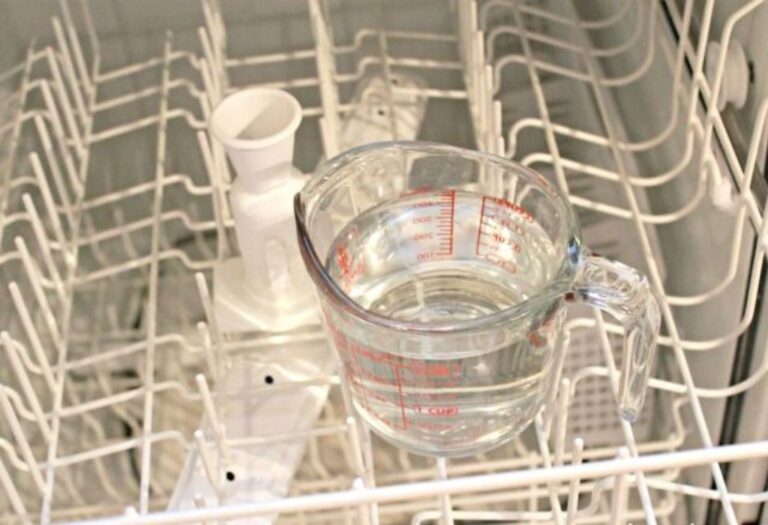
This is a quick and simple test to see if the microwave is heating correctly. Place a cup of water inside and run it for a short amount of time. If the water heats up normally, the microwave is likely functioning well. If the water does not heat, it could point to a more serious issue. You might need to contact a professional for further diagnosis.
One of the easiest ways to prevent a smoky smell is to watch what you’re cooking. Pay attention to the time. Set a timer and stay close. Overheating is a common cause of burning food and smoke. Knowing the correct cooking times for various foods is important. If you are unsure, start with a shorter time and add more as needed.
Choosing the correct cookware is essential. Non-microwave-safe containers can melt or catch fire. Always check the label. Glass, ceramic, and microwave-safe plastics are generally safe choices. Avoid metal containers, which can cause sparks. Using the appropriate cookware ensures that your food heats safely and prevents any smoking issues.
Identifying When Repair Is Needed
Sometimes, a simple cleaning isn’t enough. When the microwave continues to emit smoke or fails to heat properly, it’s a sign that repair is necessary. Knowing when to call in a professional is important. It ensures your microwave is safe and operating efficiently. Let’s look at the signs that mean your microwave needs professional attention.
Persistent Smoke and Unusual Noises
Repeated problems often indicate a deeper issue. If the smoky smell returns, or if you hear unusual noises, these are red flags. Don’t ignore these warning signs. They could indicate that more serious damage is developing inside the microwave. Prompt action can prevent further problems and potential hazards.
- Recurring Smoky Smell: If the smell comes back after cleaning, it’s a sign of a deeper problem.
- Unusual Noises: Popping, crackling, or buzzing sounds can indicate electrical problems.
- Failure to Heat: If the microwave doesn’t heat food properly, there is an internal problem.
If the smoky smell keeps reappearing, it indicates that the source of the problem hasn’t been addressed. This may mean an electrical component is faulty. This means the problem may be inside the microwave. Don’t ignore it, as the issue could worsen and become dangerous. Contact a technician for inspection and repair.
Any unusual sounds coming from the microwave, such as popping, crackling, or buzzing, should cause immediate concern. These noises often suggest electrical problems, such as arcing or shorts. It is a sign that something is not functioning correctly. These sounds can also indicate component failure, such as a faulty magnetron or capacitor. Do not use the microwave. Contact a professional for evaluation.
If your microwave is not heating food properly, even after repeated attempts, it’s a clear sign of an internal issue. This could be due to a faulty magnetron or another component. Do not try to repair it yourself. Contact a professional. Continuing to use a microwave that does not heat properly can lead to further damage. It can also pose a safety risk.
Safety Concerns and Professional Assistance
Safety is the most important thing to consider when your microwave is malfunctioning. Never attempt to repair an appliance you are not trained to work on. It’s often best to seek professional help. A qualified technician will have the skills and tools needed to diagnose and fix the problem safely.
- Electrical Hazards: Never attempt to repair an appliance yourself if you are not trained.
- Contact a Qualified Technician: Seek professional help if you are unsure about the problem.
- Replacement Considerations: Weigh the cost of repair versus the cost of a new microwave.
Microwaves contain high-voltage components, which can be extremely dangerous. Improper handling of these components can cause severe injury or even death. Without the proper training and tools, it is risky. It can also be very costly. It can also cause further damage to the appliance. Always hire a professional to handle electrical repairs.
If you’re unsure about the cause of the smoke or the extent of the damage, it’s best to seek the assistance of a qualified appliance technician. A professional technician has the skills, expertise, and diagnostic tools to accurately diagnose and resolve the issue. They will ensure the repair is done safely and correctly. They can also provide a cost estimate.
Sometimes, repairs can be costly, and the microwave might have other problems. If the repair cost is high, or if the microwave is old, it might make more sense to get a new one. Consider factors such as the age of the microwave, the extent of the damage, and the overall cost of repair. If the cost outweighs the value of the microwave, replacement might be the better choice.
Frequently Asked Questions
Question: Why does my microwave smell like burning plastic?
Answer: Burning plastic smells are usually caused by using non-microwave-safe containers, such as certain plastic wraps or containers. These materials can melt inside the microwave and release a plastic-like odor. Always use microwave-safe containers to prevent this.
Question: Can I use vinegar to clean my microwave?
Answer: Yes, you can use vinegar to clean your microwave. Place a microwave-safe bowl with a mixture of equal parts water and vinegar inside the microwave. Heat it for several minutes until the solution boils and steams the interior. This helps loosen food particles and deodorize the microwave. Afterward, carefully wipe down the interior with a clean cloth.
Question: What should I do if my microwave starts sparking?
Answer: If you see sparks inside your microwave, stop using it immediately. Sparks are usually caused by metal objects, such as foil or metal-trimmed dishes, inside the microwave. Unplug the microwave and check the interior for any foreign objects. Clean the inside thoroughly to remove any food debris. If the problem persists, contact a technician for service.
Question: How often should I clean my microwave?
Answer: You should clean your microwave regularly, preferably after each use, to prevent food splatters from burning and causing odors. At a minimum, clean it once a week, or more often if you use it frequently. This regular cleaning keeps your microwave fresh and working correctly.
Question: Is it safe to use my microwave if it smells like smoke but still works?
Answer: No, it is not safe to use a microwave that smells like smoke, even if it still seems to work. The smoky smell indicates a problem, potentially related to electrical components, that could lead to more serious issues. Disconnect the microwave immediately. Have it inspected by a qualified technician to identify the cause and prevent further problems.
Final Thoughts
Dealing with a smoky-smelling microwave can be unsettling, but it doesn’t always signal disaster. Understanding the usual causes, from burnt food to component issues, is the first step in addressing the problem. Remember the key steps: safety first, a thorough cleaning, and proper inspection. If the issue is persistent, or you notice unusual sounds, it’s time to seek a professional evaluation. Following these recommendations helps to protect your kitchen and keeps your cooking experiences enjoyable. Don’t let a little smoke get you down! By taking the proper steps, you can keep your microwave and your kitchen safe and running effectively for years to come.

I’m Emma J. Caldwell, the founder, lead writer, and home-cooking enthusiast behind KitchenGuideCo.com. With a background in culinary arts and over a decade of cooking experience in both professional and personal kitchens, I created this platform to demystify recipes, offer smart kitchen gadget reviews, and guide readers through meal prep with confidence and clarity.