A pressure cooker failing to whistle typically signals a critical lack of pressure buildup, most commonly due to an improperly sealed lid or a blocked vent pipe. This prevents the essential steam from accumulating and being released through the whistle mechanism. Always check the gasket, lid alignment, and vent for obstructions to ensure safe and effective operation.
Discover Why Your Pressure Cooker Not Whistling
Ever stood in the kitchen, eagerly waiting for that familiar whistle from your pressure cooker, only to be met with frustrating silence? It’s a common kitchen mystery, and believe me, you’re not alone in wondering why your trusty appliance isn’t doing its job. Usually, when your pressure cooker isn’t whistling, it boils down to an issue with how pressure is building or being maintained inside the pot. Most often, it’s a small problem with the sealing or the vent.
Don’t fret! From my own kitchen adventures, I’ve learned that a silent pressure cooker usually signals a quick fix rather than a major malfunction. It’s often something simple that can be easily diagnosed and resolved, getting you back to quick, delicious meals in no time.
Why is my pressure cooker not whistling, and what can I do about it?
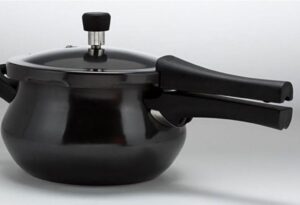
It’s truly a head-scratcher when your pressure cooker not whistling, especially when you’re counting on it for a speedy meal. I remember one evening, trying to get dinner ready after a long day, and my cooker just sat there, silently simmering. My first thought was, “Oh no, is it broken?” But through trial and error, and a bit of research, I discovered a few common culprits. The good news? Most of these are easy to troubleshoot!
The primary reason your pressure cooker not whistling is usually that the cooker isn’t able to build or hold enough pressure inside. Let’s break down the most common reasons and what you can do:
* The Sealing Ring or Gasket is the Culprit: This is, hands down, the most frequent reason. The rubber or silicone ring around the lid creates a tight seal. Over time, these rings can harden, crack, or become stretched. If it’s not perfectly seated or is damaged, steam will escape, preventing pressure from building.
* My experience: I once spent ages waiting for a whistle, only to realize the gasket had simply popped out of its groove on one side. Another time, my old gasket was just too stiff and had tiny cracks I hadn’t noticed.
* Practical tip: Always inspect the sealing ring before each use. Make sure it’s clean, flexible, and properly seated. If it looks worn or damaged, it’s time for a replacement. They’re relatively inexpensive and easy to swap out!
* Clogged Vent Pipe or Nozzle: This is a critical one for safety and function. The vent pipe is where the steam escapes to make the whistle sound. If tiny food particles block this narrow opening, steam can’t get out properly, and your pressure cooker not whistling will be the least of your worries. It can also be dangerous if pressure builds without a release.
* My experience: Once, after cooking a lentil soup, I found a tiny bit of lentil stuck right in the vent. It stopped the whistle entirely!
* Practical tip: After every use, especially with starchy or frothy foods, clean the vent pipe thoroughly. Use a small brush or a toothpick to ensure it’s completely clear. Hold it up to the light to confirm you can see through it.
* The Pressure Regulator (Weight Valve) is Misplaced or Damaged: This is the little cap or weight that sits on top of the vent pipe. It’s designed to jiggle or whistle once the correct pressure is reached. If it’s not placed correctly or if it’s damaged, it won’t allow the pressure to build or release as it should.
* My experience: My kids once fiddled with the regulator, and I unknowingly put it back on skewed. No whistle!
* Practical tip: Ensure the regulator is firmly and correctly placed on the vent pipe. Check for any obvious damage or wear on the weight itself. Sometimes, a simple realignment is all it takes.
* Lid Not Closed Properly: This sounds obvious, but in a rush, it’s easy to not quite seal the lid. If the lid isn’t locked into place correctly, steam will escape from the sides.
* My experience: More times than I care to admit, I’ve forgotten to properly align the arrows or grooves on the lid and pot.
* Practical tip: Always double-check that your lid is securely locked and aligned according to your cooker’s instructions. A quick twist or click usually confirms it.
* Not Enough Heat: A pressure cooker needs sustained, high heat to build up sufficient steam and pressure. If the heat is too low, the internal temperature won’t reach the required level.
* My experience: I learned this the hard way trying to “simmer” my way to pressure cooking. It just won’t work!
* Practical tip: Start with medium-high heat until the whistle begins, then adjust it down to maintain the pressure as per your recipe. Don’t be shy with the initial heat.
* Too Much or Too Little Liquid: While seemingly counter-intuitive, both extremes can affect pressure buildup. Too little liquid means there’s not enough to create the steam needed, and too much can lead to overfilling, which can interfere with the sealing mechanisms or vent pipe.
* My experience: Overfilling with a foamy soup once led to steam escaping from places it shouldn’t, completely preventing a whistle.
* Practical tip: Always follow the liquid guidelines in your pressure cooker manual or recipe. There’s usually a minimum and a maximum fill line.
When your pressure cooker not whistling, it’s usually a simple matter of checking these key components. Regular cleaning and inspecting parts for wear are your best defense against a silent cooker. It’s truly amazing how a small piece of rubber or a tiny blocked hole can make such a difference!
So, the next time your pressure cooker goes quiet, take a deep breath. It’s likely not broken, but rather needs a quick inspection or a simple adjustment. These troubleshootings have saved countless meals in my kitchen, and I’m confident they’ll help you too, ensuring your pressure cooker gets back to its melodic whistling soon! Happy cooking!