Pressure cookers spit liquid primarily when overfilled or during the cooking of foaming foods like lentils and pasta, which can block the vent and force liquid out. Other causes include a clogged steam vent or releasing pressure too quickly. To prevent this messy and potentially hazardous occurrence, always adhere to maximum fill lines, use less foamy ingredients, and ensure all vents are clean.
Why Pressure Cooker Spits Liquid And How To Prevent It
Ever had that moment? You’re cooking up a storm, feeling like a culinary wizard with your trusty pressure cooker, and then — pssst! — a little spurt of liquid comes flying out. Or worse, a full-on bubbly spray covers your clean stove. It’s messy, annoying, and can even be a bit alarming! But don’t worry, you’re not alone. This is a super common experience, and usually, it’s just your pressure cooker trying to tell you something.
Most times, when your pressure cooker spits liquid, it’s because there’s too much pressure — literally. This happens when the pot is too full, or when foamy ingredients like lentils or rice block the steam vent. Sometimes, it’s just a combination of these things. Understanding the “why” makes it so much easier to prevent. Let’s dive into the details and make those kitchen mishaps a thing of the past.
Why does my pressure cooker spit liquid, and how can I stop it?
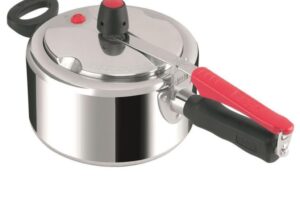
Ah, the age-old pressure cooker mystery! When your pressure cooker spits liquid, it’s usually a clear sign that something is “off” in the pressure-building process or how the steam is being released. Think of it like your cooker trying to clear its throat, but with liquid. Here’s why this happens and — more importantly — how you can easily prevent it:
The “Why” Behind the Spit:
- Overfilling is a Big Culprit: This is probably the number one reason for a spitting pressure cooker. Every cooker has a maximum fill line, often 2/3 full for most foods and 1/2 full for foods that expand or create a lot of foam, like beans, lentils, rice, or pasta. If you go over this line, there isn’t enough space for the steam to build properly without pushing liquid out through the vent.
- Foamy Foods Can Be Trouble: Starchy foods, especially legumes and grains, release starches as they cook. These starches can create a lot of foam, which then rises and can easily block the steam release vent. When the foam blocks the vent, the pressure builds up more aggressively, and liquid gets forced out with the steam. I learned this the hard way with a massive lentil soup explosion — not fun to clean up!
- A Blocked Vent (Beyond Foam): Sometimes, tiny food particles can simply get lodged in the vent or safety valve. If the vent is partially or fully blocked, the steam can’t escape smoothly, leading to spitting. Always check that little hole!
- Heat Control Issues: Cooking on too high a flame for too long can make the contents boil too vigorously. This super-aggressive boiling can force liquid up into the vent system even if the pot isn’t overfilled. I used to think “higher heat equals faster cooking,” but I’ve since learned that gentle, steady pressure is the key.
- Too-Quick Pressure Release: If you use the quick-release method (forcing the steam out rapidly) for very liquidy or foamy dishes, the sudden drop in pressure can cause the liquid to “boil over” and spurt out with the steam. Think of it like opening a shaken soda bottle too fast.
How to Prevent That Annoying Spitting (My Go-To Tips!):
- Respect the Fill Lines: This is crucial! Always, always check the recommended maximum fill line for your specific pressure cooker model. When cooking beans, lentils, or pasta, I stick strictly to the 1/2 full rule. For instance, when making my weekly batch of rice, I never let the water and rice combined go above the halfway mark. It makes a huge difference.
- Add a Touch of Fat: This is a game-changer for foamy foods! Adding a teaspoon of cooking oil, butter, or even a knob of ghee to the liquid before cooking can significantly reduce foaming. The fat acts as a “defoamer.” I always add a drizzle of olive oil when cooking dal or chickpeas now, and it works like magic.
- Rinse and Pre-Soak: For legumes like beans or lentils, rinsing them thoroughly before cooking helps remove some of the surface starches that contribute to foam. Pre-soaking certain beans can also help, though it’s not always necessary for pressure cooking.
- Master Your Heat: Start with high heat to bring the cooker up to pressure quickly. Once the pressure is reached (e.g., the weight begins to jiggle or the indicator pops up), immediately reduce the heat to maintain a steady, gentle pressure. You don’t need a roaring flame; a medium-low heat is often enough. I noticed a huge improvement in my cooking results (and less spitting!) once I started paying attention to this.
- Choose Your Pressure Release Method Wisely: For dishes prone to spitting — like soups, broths, foamy lentils, or anything with a lot of liquid — opt for Natural Pressure Release (NPR). This means simply turning off the heat and letting the pressure drop gradually on its own. It’s slower, but much safer and prevents splattering. If you must use quick release for these foods, do it in small, controlled bursts. I always let my “Rajma Chawal” (kidney beans and rice) naturally release pressure; it’s worth the wait.
- Keep It Squeaky Clean: After every use, make sure to thoroughly clean the steam vent, vent pipe, and any safety valves. Food particles can easily accumulate and block these crucial components. A small brush or even a toothpick can help dislodge anything stuck.
Ultimately, a little spitting from your pressure cooker is usually just a polite (or not-so-polite!) reminder to adjust your technique. It’s all part of the learning curve in becoming a pressure cooking pro!
See? It’s not some mysterious cooker malfunction — it’s usually just simple physics at play. By remembering a few easy rules, like not overfilling, using a little oil for foamy foods, and controlling your heat, you can enjoy all the benefits of pressure cooking without the messy aftermath. Happy (and clean!) cooking!